In recent years, the shift toward flexible, sustainable, and rapidly deployable housing has grown from a niche demand to a global movement. As cities expand, land resources tighten, and populations become more mobile than ever, people are searching for new ways to live, work, and travel. Among the most promising solutions are mobile homes, space-pod style living units, and container-based modular houses—innovative structures designed to combine mobility, durability, and modern comfort in one integrated form.
As a manufacturer specializing in these three categories, the journey of building advanced modular living spaces is a marriage of engineering, creativity, and craftsmanship. Each structure requires precise planning, structural expertise, and a deep understanding of how modern users want to live. This article explores the philosophy, technology, and design principles behind producing next-generation living units that serve global customers with diverse needs.
1. The New Era of Mobile and Modular Living
Traditional housing is gradually losing its monopoly on residential design. Rising construction costs, longer building timelines, and increasing environmental concerns are pushing individuals, businesses, and governments to look for better alternatives. Mobile and modular structures offer answers to these challenges:
- Fast delivery and rapid installation
- Adaptable layouts for commercial or residential use
- Improved structural durability through engineered materials
- Reduced long-term maintenance
- Mobility for relocatable lifestyles or temporary land projects
Mobile homes, space-pod houses, and container houses sit at the center of this transformation. Each has its own strengths and serves different market segments, but all share the same goal: to provide stable, beautiful, and future-ready living solutions.
2. Crafting Mobile Homes: Engineering Comfort That Moves
Mobile homes are designed with a simple mandate—a living space that can travel yet still feel like a permanent home. Achieving this balance takes precision.
2.1 Structural Design
A mobile home begins with a heavy-duty steel chassis engineered to carry the entire load of the structure during transportation. Shock-absorbing components, reinforced frameworks, and corrosion-resistant materials ensure long-term stability even in diverse climates.
2.2 Interior Space Optimization
Because mobile homes are often more compact than traditional houses, interior design becomes essential. Smart techniques include:
- Multi-functional storage compartments
- Convertible beds and foldable furniture
- Hidden mechanical and electrical systems
- Energy-efficient windows and integrated ventilation
The goal is to maximize comfort without compromising mobility.
2.3 Modern Aesthetics
Mobile homes today are far more advanced than earlier generations. Large glass panels, minimalist styling, LED lighting systems, and nature-inspired finishes create an environment that feels open and modern.
2.4 Off-Grid and Eco-Options
Many clients request off-grid setups, so manufacturers provide:
- Solar energy connections
- Portable wastewater systems
- Smart temperature-control systems
- Water-efficient installations
These features make mobile homes ideal for tourism, seasonal living, and remote locations.
3. Space-Pod Houses: Compact Design Meets Futuristic Architecture
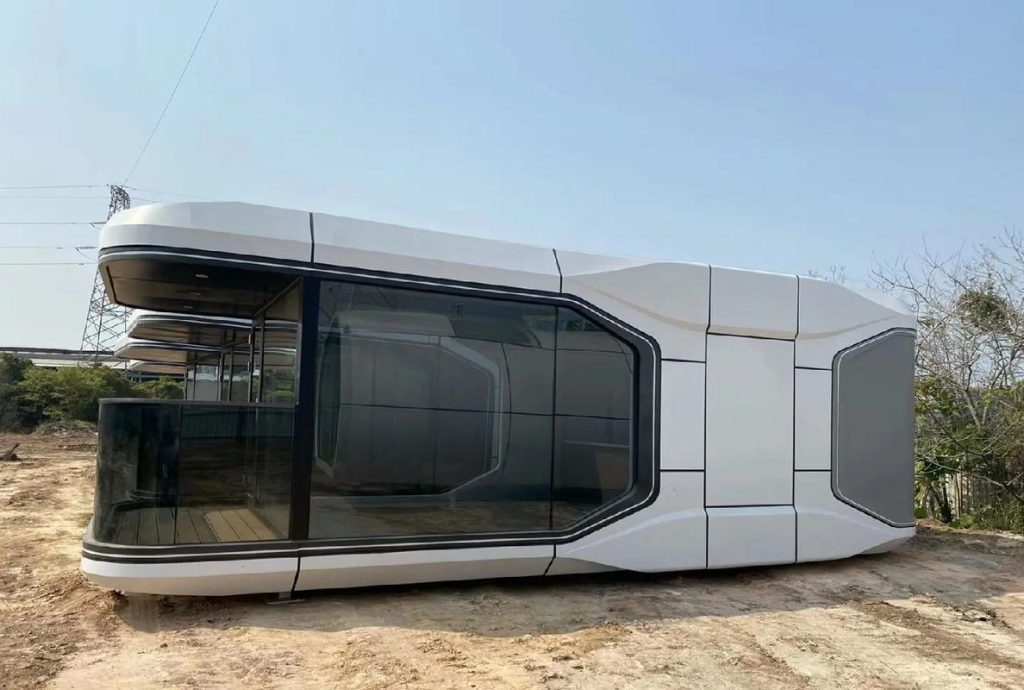
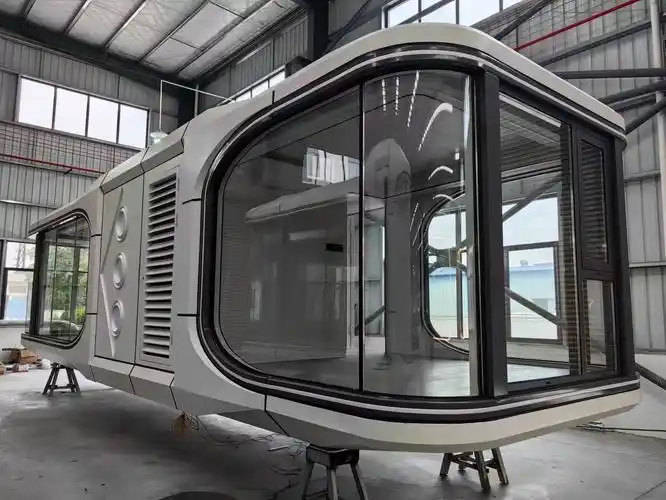
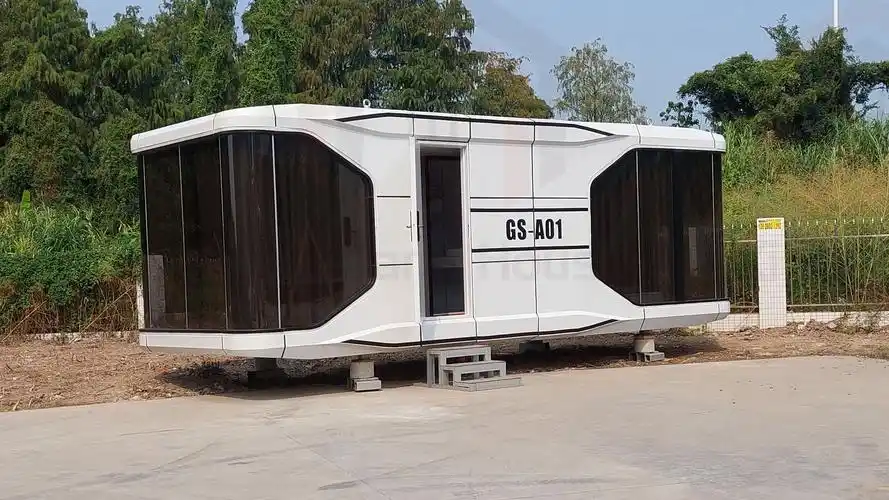
Space-pod houses—often shaped with curves, smooth shells, and aerodynamic geometry—represent the future of micro-living. These structures are engineered to feel like stepping inside a pod designed for another planet.
3.1 Composite Shell Construction
Unlike box-shaped homes, space-pods use curved surfaces and monocoque structures. Materials often include:
- Reinforced fiberglass
- Aluminum frames
- High-density insulation layers
This results in a lightweight yet durable shell capable of resisting extreme weather.
3.2 Sci-Fi Aesthetics With Real-World Practicality
The interior of a space-pod house blends futuristic styling with human-centered design. Smooth edges, integrated LED mood lighting, circular skylights, and panoramic windows create a unique living atmosphere.
3.3 Compact Yet Functional Living
Even though space-pods are typically smaller, manufacturers pack them with:
- Compact bathrooms
- Mini-kitchens
- Built-in furniture
- Smart home control panels
These houses are ideal for glamping resorts, eco-tourism bases, private retreats, scenic viewpoints, and short-stay accommodations.
3.4 Energy Efficiency
Because of their curved structure, space-pod houses reduce wind resistance and improve thermal retention. This leads to lower energy consumption and better temperature stability throughout the year.
4. Container Houses: Industrial Strength Transformed Into Modern Living
Container houses have become a symbol of industrial-modern living. They combine steel-frame sturdiness with architectural flexibility, making them one of the most adaptable modular housing solutions.
4.1 Reinforced Steel Structure
The foundation of a container house is a standardized steel container. However, manufacturing goes far beyond simple conversion. The container undergoes:
- Sandblasting
- Anti-corrosion treatment
- Structural reinforcement
- Custom cutting for windows, doors, and extensions
This ensures that the home maintains structural integrity even after heavy modifications.
4.2 Customizable Layouts
Container houses can be crafted into:
- Single-container micro homes
- Multi-container villas
- Two-story or three-story modular projects
- Offices, cafés, retail stores, or camp facilities
The modular nature allows units to be stacked or connected like architectural building blocks.
4.3 Interior Comfort and Aesthetics
Inside a container home, the industrial appearance is replaced by warm, modern interior design. Thermal insulation, soundproof panels, wood or stone finishes, and smart climate systems create a comfortable environment suitable for long-term living.
4.4 Strong Market Demand
Container houses are used in:
- Housing development projects
- Tourism resorts
- Construction site accommodations
- Emergency or temporary housing
- Workforce camps
- Remote facilities
Their fast production cycle and robust structure make them ideal for large-scale or urgent needs.
5. The Manufacturing Philosophy: Quality, Precision, and Customization
Producing modern modular housing is not simply assembling parts—it requires a complete manufacturing philosophy built on reliability and innovation.
5.1 Tailored Project Development
Different clients require different solutions. Whether it’s a resort ordering space-pods or a government agency needing emergency housing, each project begins with:
- Consultation
- Layout design
- Material planning
- Structural safety analysis
This ensures that every unit fits its environment and application.
5.2 Skilled Craftsmanship
Experienced engineers, welders, carpenters, and interior designers collaborate to create each unit. Precise cutting, joint reinforcement, waterproofing, insulation, and interior finishing all contribute to long-term durability.
5.3 Integration of Modern Technology
Smart systems are increasingly common:
- Remote access control
- Energy monitoring
- Automated ventilation
- LED smart lighting
- Climate regulation
These technologies enhance user comfort and increase long-term energy efficiency.
5.4 Strict Quality Testing
Every unit undergoes multiple inspections:
- Structural stability
- Electrical and plumbing safety
- Thermal performance
- Waterproof and moisture resistance
- Transportation durability tests
Only after passing all tests can a unit be shipped and installed.
6. Global Applications: Serving Different Lifestyles and Industries
The versatility of mobile homes, space-pods, and container houses means they serve a wide range of industries.
6.1 Tourism and Hospitality
Resorts choose modular houses because they can be installed in scenic locations without large construction projects. Their unique aesthetics also become a selling point.
6.2 Residential Living
People looking for minimalist or mobile lifestyles prefer compact homes that are affordable, flexible, and visually modern.
6.3 Commercial and Office Use
Container houses are commonly converted into offices, coffee shops, small stores, or mobile workstations.
6.4 Emergency Housing
During disasters, modular homes can be shipped rapidly and assembled on-site, providing safe and stable temporary shelters.
6.5 Remote and Industrial Projects
Mining sites, construction bases, farms, and natural resource stations often rely on modular buildings for fast deployment.
7. Sustainability: Reducing Environmental Impact Through Smart Manufacturing
The increasing global emphasis on sustainability has pushed modular housing manufacturers to innovate eco-friendly techniques.
7.1 Material Recycling
Container houses often use repurposed steel structures. Mobile homes and space-pods utilize lightweight, recyclable materials.
7.2 Energy-Efficient Production
Factory-controlled production reduces waste, energy consumption, and on-site pollution.
7.3 Smart Energy Systems
Solar integration, LED lighting, insulation upgrades, and off-grid technology reduce long-term environmental impact.
7.4 Low-Disturbance Installation
Modular homes can be installed without heavy foundations or large construction teams, significantly reducing land disturbance.
8. The Future of Modular Housing: Innovation Beyond Expectations
As technology and design evolve, modular housing is moving toward even more advanced features:
- Fully solar-powered homes
- Modular communities with shared smart grids
- More aerodynamic and futuristic shapes
- Improved thermal insulation, especially for extreme climates
- Larger glass façades and smarter shading systems
- Integration of robotics for manufacturing and assembly
The future will see living spaces that adapt to people, not the other way around.
Conclusion
Producing mobile homes, space-pod houses, and container houses is more than manufacturing—it is shaping a new way of living. These structures combine engineering, design, sustainability, and convenience, offering people around the world flexible solutions for housing, travel, business, and lifestyle transformation.
Whether used for tourism, permanent residence, commercial applications, or temporary projects, modular houses stand as one of the most promising innovations in modern architecture. With continuous improvement in materials and technology, the possibilities are limitless.


No reply content