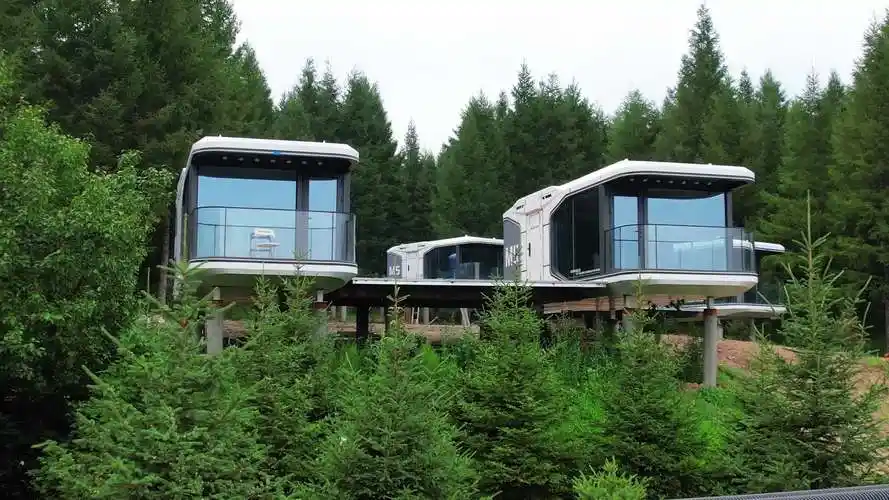
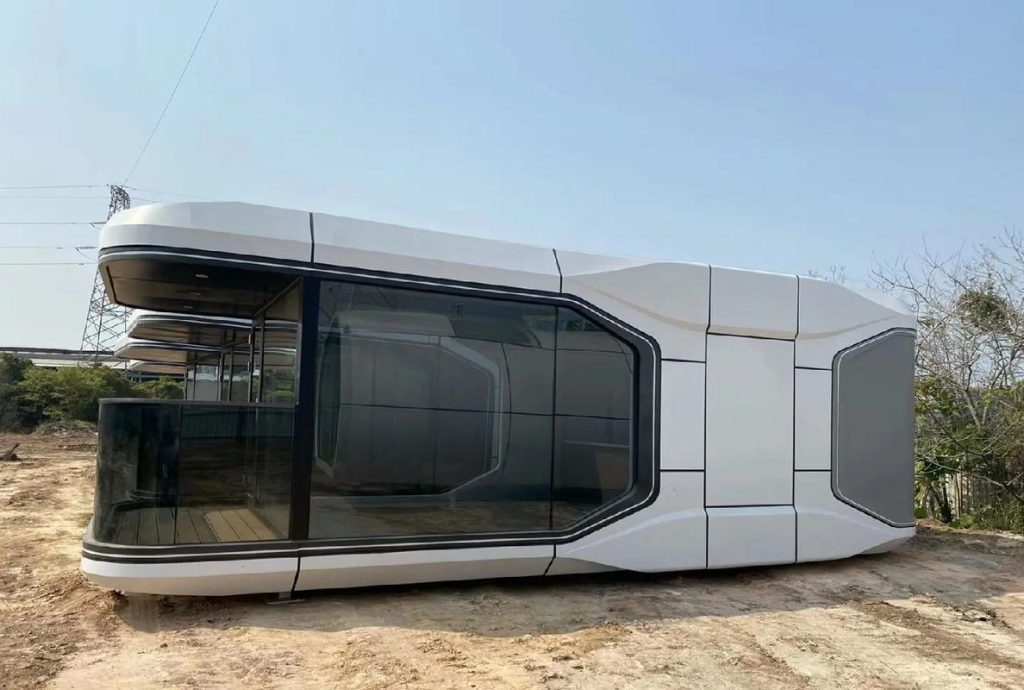
In an age where travelers and homeowners seek escapes that transcend the ordinary, a new architectural trend is redefining the boundaries of immersive living: futuristic space cabin homes. Blending sci-fi aesthetics with cutting-edge functionality, these structures evoke the romance of interstellar travel while grounding themselves in the realities of sustainable, comfortable habitation. Designed for both luxury resorts and private sanctuaries, space cabins merge minimalist elegance with advanced technology, offering occupants a unique vantage point to connect with nature—all within a vessel that feels like a portal to another world. This article delves into the design philosophy, core features, and transformative potential of these innovative dwellings, exploring why they are becoming the hallmark of next-generation hospitality and personal retreats.
Design Philosophy: Where Sci-Fi Meets Earthly Harmony
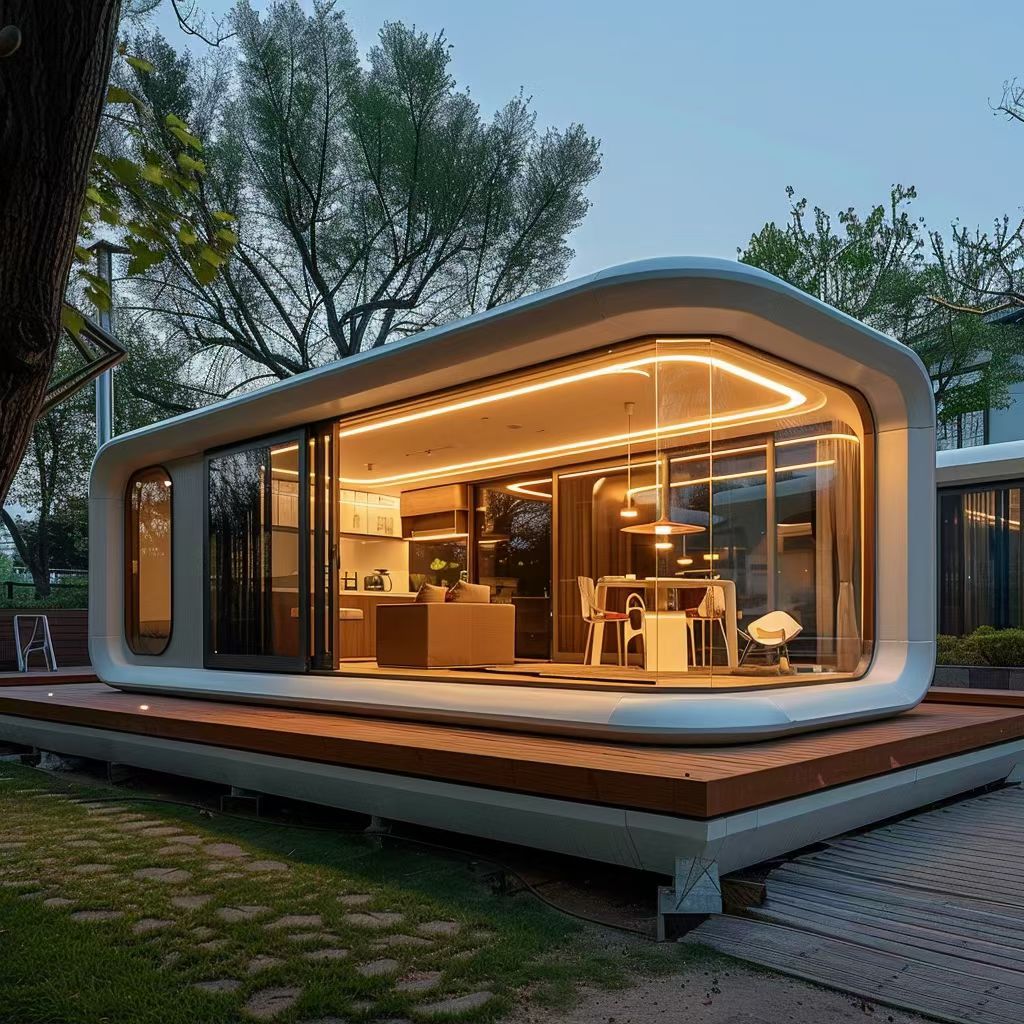
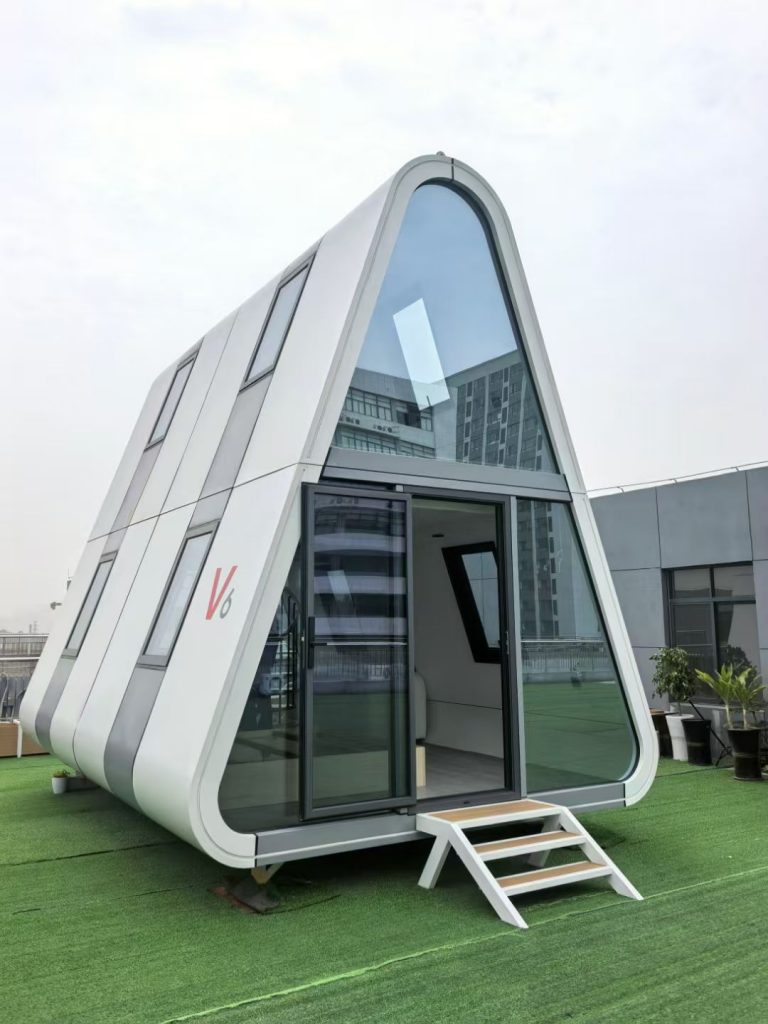
The allure of space cabin homes lies in their ability to balance otherworldly aesthetics with ecological sensitivity. Unlike traditional cabins, which often mimic rustic log structures, space cabins draw inspiration from spacecraft, lunar modules, and futuristic habitats—think curved exteriors, aerodynamic silhouettes, and large transparent panels that dissolve the barrier between indoors and out. Yet, this “space-age” look is never arbitrary; it is rooted in principles of efficiency and harmony with the environment.
Architects prioritize low-impact design, ensuring cabins sit lightly on the land. Many are elevated on stilts or cantilevered platforms to minimize soil disruption, while their compact footprints (typically 200–500 square feet) reduce land consumption. The exterior often features matte-finish metals, reinforced polymers, or composite panels that resist weathering, paired with tinted or electrochromic glass that adjusts opacity to control light and heat. Some designs incorporate solar-reflective coatings to stay cool in hot climates, while others use dark, heat-absorbing surfaces in colder regions.
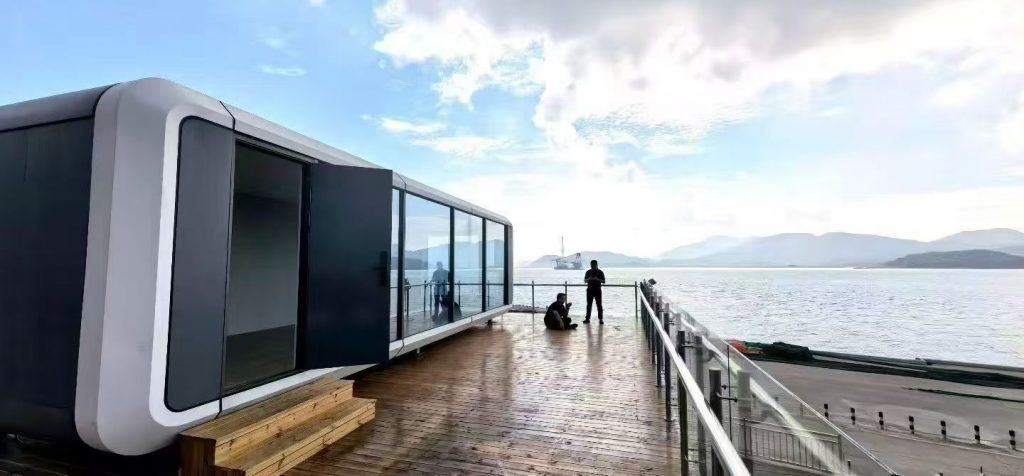
A key element is biophilic integration: space cabins are rarely placed in isolation. Instead, they are nestled within landscapes—perched on cliffs overlooking oceans, hidden in forests, or floating near lakes—using their futuristic form to frame, rather than dominate, nature. For example, a cabin in a mountainous region might have a sloping roof that mimics the angle of nearby peaks, while one in a coastal area could feature a streamlined shape to reduce wind resistance. This synergy creates a sense of being “part of the cosmos” while remaining deeply rooted in the earthly environment.
Core Features: Engineering Comfort in a Cosmic Shell
Beneath their striking exteriors, space cabins are marvels of modern engineering, packed with features that cater to both luxury and practicality.
1. Panoramic Transparency: Bringing the Universe Indoors
The most defining feature of a space cabin is its extensive use of glass or polycarbonate panels. Floor-to-ceiling windows, wrap-around skylights, and even glass floors (in elevated models) offer uninterrupted views of the surrounding landscape. At night, these panes transform into giant portals for stargazing, with some cabins equipped with motorized blackout shades for privacy or light-sensitive coatings that dim glare during sunrise/sunset.
To combat heat gain, many cabins use double- or triple-glazed glass with low-emissivity (Low-E) coatings, which reflect infrared radiation while allowing visible light to pass through. Some advanced models integrate electrochromic glass, which changes tint via an electric current—occupants can adjust transparency with a tap on their smartphone, turning a clear pane opaque in seconds.
2. Self-Sustaining Systems: Off-Grid Elegance
Space cabins are designed for autonomy, making them ideal for remote locations where utilities are scarce. Most rely on hybrid energy systems: solar panels (often integrated into the roof or exterior walls) generate electricity, while small wind turbines or micro-hydro systems supplement power in windy or water-rich areas. Excess energy is stored in lithium-ion batteries, ensuring 24/7 operation even during cloudy days or storms.
Water management is equally sophisticated. Rainwater is collected via sloped roofs and filtered for drinking, while greywater (from sinks and showers) is treated and reused for irrigation or toilet flushing. Some cabins feature composting toilets, eliminating the need for septic tanks, and drought-resistant native plants surround the structure to minimize outdoor water use.
3. Smart Climate and Wellness Controls
Inside, space cabins feel like a cross between a luxury hotel suite and a high-tech laboratory. A central control system (accessible via wall panels or mobile apps) manages heating, cooling, and ventilation, using sensors to monitor occupancy and adjust settings automatically. For example, if a sensor detects movement in the sleeping area at night, it lowers the thermostat slightly to save energy; if it senses sunlight streaming in during the day, it closes motorized blinds to prevent overheating.
Air quality is prioritized with HEPA filters, UV-C sterilization lamps, and plants selected for their air-purifying properties (e.g., snake plants, spider plants). Circadian rhythm lighting mimics natural daylight cycles, helping regulate sleep patterns—warm tones in the evening, bright blue-rich light in the morning. Even sound is curated: some cabins include white-noise generators or outdoor speakers that play ambient sounds (waves, wind, birdsong) to enhance relaxation.
4. Compact but Flexible Interiors
Despite their small footprint, space cabins maximize space through clever design. Murphy beds fold into walls, transforming bedrooms into lounges by day; modular furniture (like stackable chairs or expandable tables) adapts to different uses. Storage is hidden in underfloor compartments or recessed walls, keeping surfaces clutter-free.
The interior palette emphasizes calm: neutral tones (soft whites, grays, earthy browns) paired with pops of color (via cushions or art) create a serene atmosphere. Materials are tactile yet durable—reclaimed wood for shelves, cork flooring for warmth, and brushed aluminum accents for a futuristic touch. Large mirrors are often used to amplify light and create the illusion of more space.
Applications: Elevating Resorts and Private Escapes
Space cabin homes are uniquely versatile, thriving in two primary contexts: luxury resorts seeking to differentiate their offerings, and private owners desiring a one-of-a-kind retreat.
Resorts: Crafting Unforgettable Guest Experiences
For resorts, space cabins serve as flagship accommodations that attract adventurers, honeymooners, and eco-conscious travelers. Placed in scenic but hard-to-reach spots (e.g., mountaintops, islands, desert dunes), they offer exclusivity and immersion. Guests can wake up to sunrises over glaciers, fall asleep to the sound of waves crashing below, or watch meteor showers from their glass-walled bed.
Resorts often cluster cabins in small groups, connected by boardwalks or trails, to foster a sense of community without sacrificing privacy. Shared amenities might include a central lounge with a fireplace, a communal kitchen, or a guided stargazing platform. Some resorts even offer “glamping” versions of space cabins, with plush bedding, gourmet minibars, and personalized welcome baskets.
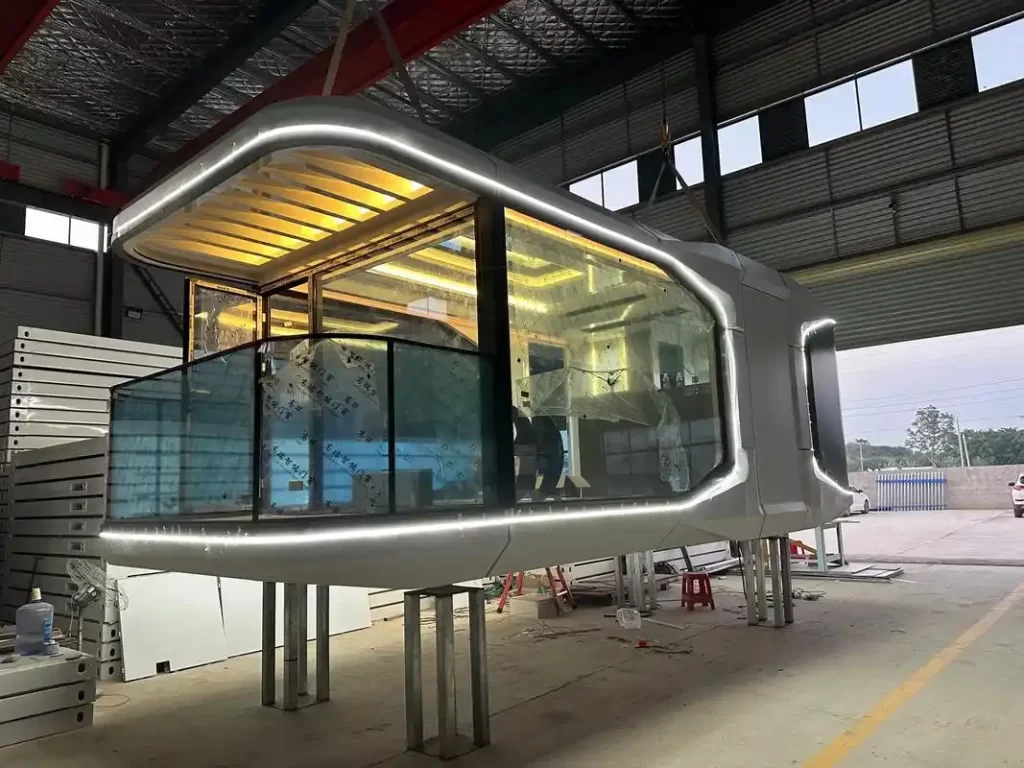
The novelty of space cabins also drives social media engagement: guests share photos of their “alien-like” lodgings, generating free marketing for the resort. For operators, the quick installation (modules are pre-fabricated and assembled on-site in days) allows for seasonal expansions—adding cabins during peak tourist months without long construction delays.
Private Living: Sanctuaries for Solitude and Connection
For private owners, space cabins are more than homes—they are statements of identity. Wealthy buyers, digital nomads, and nature enthusiasts commission cabins as second homes, weekend getaways, or retirement hideaways. A tech entrepreneur might place a cabin in a remote forest to escape city life, while a retired couple could choose a lakeside model to pursue fishing and birdwatching.
Privacy is a major draw: many cabins are located miles from the nearest road, accessible only by hiking trail or boat. Owners can customize interiors to reflect their passions—adding a telescope for astronomy, a yoga mat for meditation, or a small library for reading. Some even install outdoor decks with hot tubs or fire pits, blurring the line between indoor and outdoor living.
For families, space cabins offer a unique bonding experience. Parents and children can learn about sustainability together by monitoring the cabin’s energy use, or spend evenings identifying constellations through the glass roof. The compact size encourages togetherness, while the surrounding wilderness provides endless opportunities for exploration.
Challenges and Considerations
While space cabins hold immense promise, their adoption faces hurdles. Transportation is a key challenge: oversized modules require flatbed trucks or helicopters to reach remote sites, increasing costs. Regulatory compliance varies by region—some areas have strict building codes that limit unconventional designs, requiring architects to adapt plans to meet local standards.
Cost is another factor: high-end materials (e.g., electrochromic glass, solar panels) and advanced technology drive prices upward, making space cabins a premium option. However, as manufacturing scales, costs are expected to decrease. Finally, public perception remains mixed—some view the design as too “cold” or impractical, though advocates argue that the focus on comfort and sustainability dispels such notions.
The Future of Space Cabin Living
As technology advances, space cabins are poised to become even more integrated with their environments. Upcoming innovations include:
-
AI-Powered Personalization: Machine learning algorithms that adjust cabin settings based on occupant habits (e.g., preferred sleep temperature, favorite lighting scenes).
-
Vertical Gardens: Living walls inside and out, which improve air quality and add a pop of greenery.
-
Augmented Reality (AR) Windows: Displays that overlay information (e.g., weather, wildlife sightings) onto the glass, enhancing the connection to nature.
In the coming decade, space cabins may evolve into entire communities—clusters of interconnected modules forming eco-villages, research stations, or artist residencies. Their ability to combine futuristic design with ecological responsibility ensures they will remain at the forefront of architectural innovation.
Conclusion
Futuristic space cabin homes are more than just a trend; they are a reimagining of what it means to live in harmony with the planet. By merging sci-fi aesthetics with sustainable technology, these structures offer a glimpse into a future where comfort, adventure, and environmental stewardship coexist. For resorts, they are a tool to create unforgettable memories; for private owners, a sanctuary to reconnect with nature and themselves. As more people seek escapes that are both extraordinary and responsible, space cabins will continue to rise—proving that the universe, and our place within it, is best explored from the comfort of a well-designed home.
Article link:https://www.vlefooena.com/futuristic-space-cabin-homes-revolutionizing-resort-stays-and-private-retreats


No reply content