
Guangzhou Fishing Tackle Co., Ltd
China
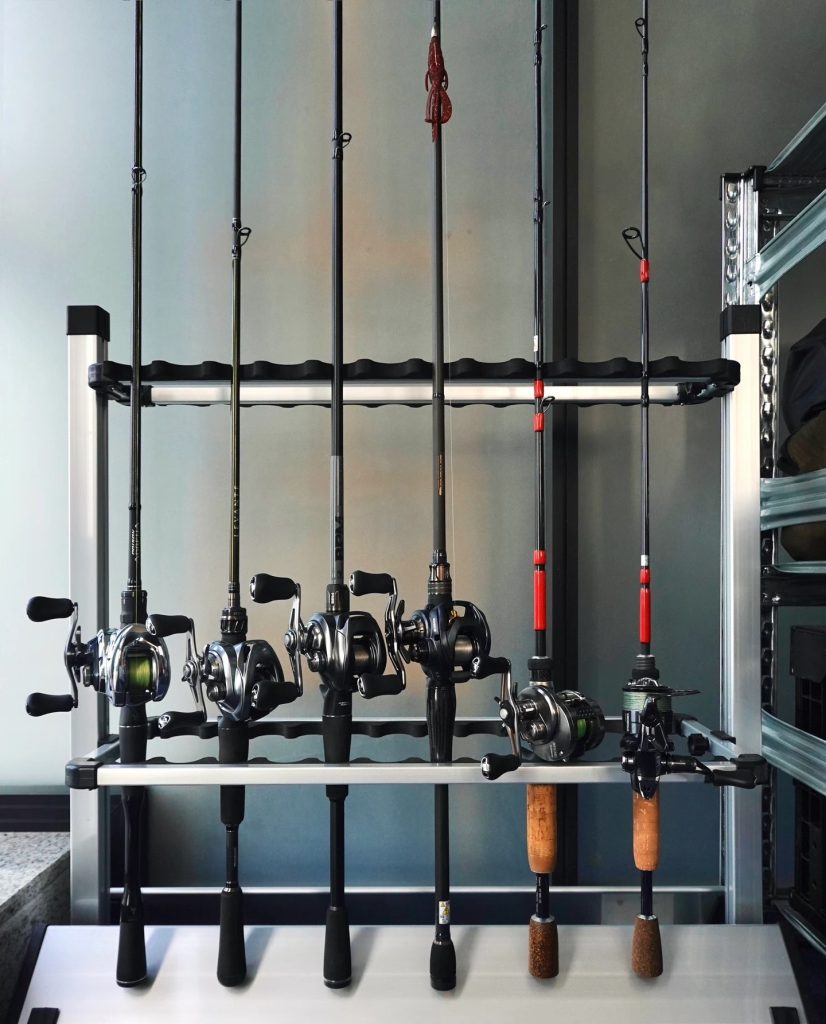
How to Check Carbon Fiber Fishing Rod Quality Before Bulk Production
For wholesalers, importers, distributors, and private-label brands, checking the quality of a carbon fiber fishing rod before bulk production can help reduce avoidable problems with product consistency, appearance, components, and packaging.
A supplier’s sample may look good, but buyers should not assume that the approved sample automatically represents every unit in a large production order.
The best approach is to establish clear inspection requirements before production and use the approved sample and product specification as the reference for quality control.
1. Start With an Approved Product Specification
Before production begins, prepare a written specification for the fishing rod.
The specification should clearly identify:
-
Rod type
-
Material
-
Length
-
Number of sections
-
Power
-
Action
-
Line range
-
Lure range, where applicable
-
Guide configuration
-
Reel seat
-
Handle
-
Grip
-
Color
-
Logo
-
Packaging
-
Quantity
The supplier should confirm the specification before production.
Avoid relying only on conversations such as “same as the sample” because small details can be interpreted differently.
For a more detailed product specification process, see:
How to Prepare a Fishing Rod Specification Sheet for a China Supplier
2. Compare the Bulk Product With the Approved Sample
The approved sample should become one of the main references for production inspection.
Compare the production units with the approved sample in areas such as:
-
Overall appearance
-
Length
-
Weight
-
Color
-
Surface finish
-
Logo
-
Guide position
-
Reel seat
-
Handle
-
Section connections
-
Packaging
If the production version differs from the approved sample, the buyer should determine whether the difference was previously approved.
This is particularly important for OEM products because even small visual differences can affect a private-label brand’s consistency.
3. Check the Carbon Fiber Blank
The fishing rod blank is one of the most important parts of the product.
During inspection, buyers should look for visible problems such as:
-
Surface cracks
-
Splits
-
Deep scratches
-
Uneven finishing
-
Obvious surface defects
-
Poor connections between sections
-
Abnormal deformation
A visual inspection does not replace professional laboratory or mechanical testing, but it can identify obvious production problems before shipment.
For more information about fishing rod materials, see:
Fishing Rod Materials Explained: Carbon Fiber vs Fiberglass for Wholesale Buyers
4. Verify Rod Length and Section Dimensions
Product dimensions should match the approved specification.
Check:
-
Overall rod length
-
Individual section length
-
Section connection
-
Tip section
-
Butt section
-
Collapsed length for telescopic models, if applicable
The measurement method should be consistent between the buyer and supplier.
For products sold in different markets, also make sure the unit of measurement is clearly defined.
A simple dimensional check can help identify production variations before the goods leave the factory.
5. Check the Rod Action and Power Requirements
Power and action should be evaluated according to the product specification.
Buyers should avoid accepting vague descriptions such as:
Strong rod
or:
Flexible rod
Instead, the specification should identify the required power and action.
If these characteristics are important to the product’s positioning, the buyer should agree with the supplier on an appropriate inspection or testing method before production.
Related information:
How to Choose the Right Fishing Rod Power and Action for Wholesale Buyers
6. Inspect Guide Alignment
Fishing rod guides should be checked carefully because poor alignment can affect product appearance and may affect the intended use of the rod.
Inspect whether:
-
Guides are positioned consistently
-
Guides are properly attached
-
Guide rings appear intact
-
Wrapping is neat
-
Adhesive or finishing is clean
-
There are obvious loose components
For private-label products, guide appearance should also be compared with the approved sample.
Guide alignment should be included in the inspection checklist rather than treated as a minor cosmetic detail.
7. Check the Reel Seat
The reel seat should be inspected for:
-
Proper installation
-
Alignment
-
Surface condition
-
Tightness
-
Visible damage
-
Consistency with the approved design
If the project specifies a particular reel seat configuration, the supplier should confirm that the production version matches the approved sample.
The reel seat is also an important part of the user’s interaction with the finished fishing rod, so poor assembly can negatively affect the perceived quality of the product.
8. Inspect the Handle and Grip
The handle and grip should be checked for:
-
Correct material
-
Correct shape
-
Proper installation
-
Surface condition
-
Consistent appearance
-
Loose areas
-
Excessive adhesive
-
Damage
For an OEM project, the handle design should be confirmed during sample approval.
If the buyer changes the handle material or design after sampling, the revised specification should be documented before production.
9. Check Logo and Printing Quality
For private-label fishing rods, branding is part of the finished product specification.
Inspect:
-
Logo position
-
Logo size
-
Logo spelling
-
Printing quality
-
Color
-
Alignment
-
Model number
-
Other required markings
A spelling mistake in a logo or model number can make an otherwise acceptable product unsuitable for retail.
Therefore, the buyer should provide final artwork and confirm the production proof before mass production.
10. Inspect Surface Finish and Appearance
A carbon fiber fishing rod should have a consistent overall appearance according to the approved design.
Check for:
-
Scratches
-
Cracks
-
Uneven coating
-
Bubbles
-
Contamination
-
Excess adhesive
-
Uneven printing
-
Color differences
-
Other obvious cosmetic defects
For branded products, the acceptable level of cosmetic variation should be agreed before production.
The inspection standard should distinguish between critical defects, major defects, minor defects, and acceptable variations where appropriate.
11. Check Section Connections
Multi-section fishing rods require careful inspection of the connections.
Check whether:
-
Sections fit correctly
-
Connections are consistent
-
Sections can be assembled properly
-
There is visible damage
-
The connection matches the approved sample
A section connection that is difficult to assemble or noticeably different from the approved sample should be investigated before shipment.
12. Inspect Packaging Before Shipment
The fishing rod itself is only part of the shipment.
Packaging should also be inspected.
Check:
-
Individual packaging
-
Protective materials
-
Retail packaging
-
Inner cartons
-
Master cartons
-
Shipping marks
-
Product labels
-
Barcode information, if required
The packaging should protect the rods during handling and international transportation.
If the buyer has a specific retail packaging design, the final packaging should be approved before mass production.
13. Check Product Quantity
Quantity verification is a basic but important part of a pre-shipment inspection.
The buyer should confirm:
-
Ordered quantity
-
Actual quantity
-
Quantity by model
-
Quantity by color
-
Quantity by packaging configuration
This becomes especially important when an order contains several models or customized versions.
The inspection report should identify any quantity discrepancy clearly.
14. Use a Consistent Sampling Method
For larger orders, buyers may use a sampling inspection rather than checking every individual product.
The inspection method should be agreed before production.
The buyer and supplier can define:
-
Inspection quantity
-
Inspection points
-
Acceptable defects
-
Major defects
-
Minor defects
-
Rework requirements
-
Re-inspection procedure
The exact sampling standard should be selected according to the buyer’s product requirements and risk level.
Do not assume that one inspection method is appropriate for every fishing rod project.
15. Do Not Inspect Only Appearance
Appearance is important, but it is not the complete definition of quality.
Depending on the product and agreed specification, buyers may also need to consider:
-
Dimensions
-
Weight
-
Components
-
Assembly
-
Functional characteristics
-
Packaging
-
Product labeling
-
Quantity
If specialized mechanical or material testing is required, the buyer should define the testing requirements before production and use an appropriate testing method or qualified inspection service.
16. Record Defects With Photos
When a quality problem is identified, photographs can make communication with the supplier much easier.
A useful inspection record can include:
-
Product model
-
Inspection date
-
Inspection quantity
-
Defect description
-
Defect location
-
Photographs
-
Required corrective action
-
Supplier response
-
Re-inspection result
Instead of telling a supplier that the product is “not good enough,” provide specific evidence and explain what needs to be corrected.
17. Establish Quality Requirements Before Production
One of the most effective ways to prevent disputes is to define quality requirements before manufacturing begins.
The buyer should confirm:
Product specification → Approved sample → Quality requirements → Packaging → Inspection method → Acceptance criteria
This creates a common reference for both parties.
Changes made after production starts should also be documented and approved.
18. What Should Buyers Check Before Approving Shipment?
Before the goods are released for shipment, review the following checklist:
Inspection Item |
Check |
|---|---|
Product model |
✓ |
Material specification |
✓ |
Length |
✓ |
Sections |
✓ |
Power |
✓ |
Action |
✓ |
Guides |
✓ |
Reel seat |
✓ |
Handle |
✓ |
Surface finish |
✓ |
Logo |
✓ |
Section connections |
✓ |
Packaging |
✓ |
Quantity |
✓ |
Visible defects |
✓ |
Approved sample comparison |
✓ |


No reply content