
Guangzhou Fishing Tackle Co., Ltd
China
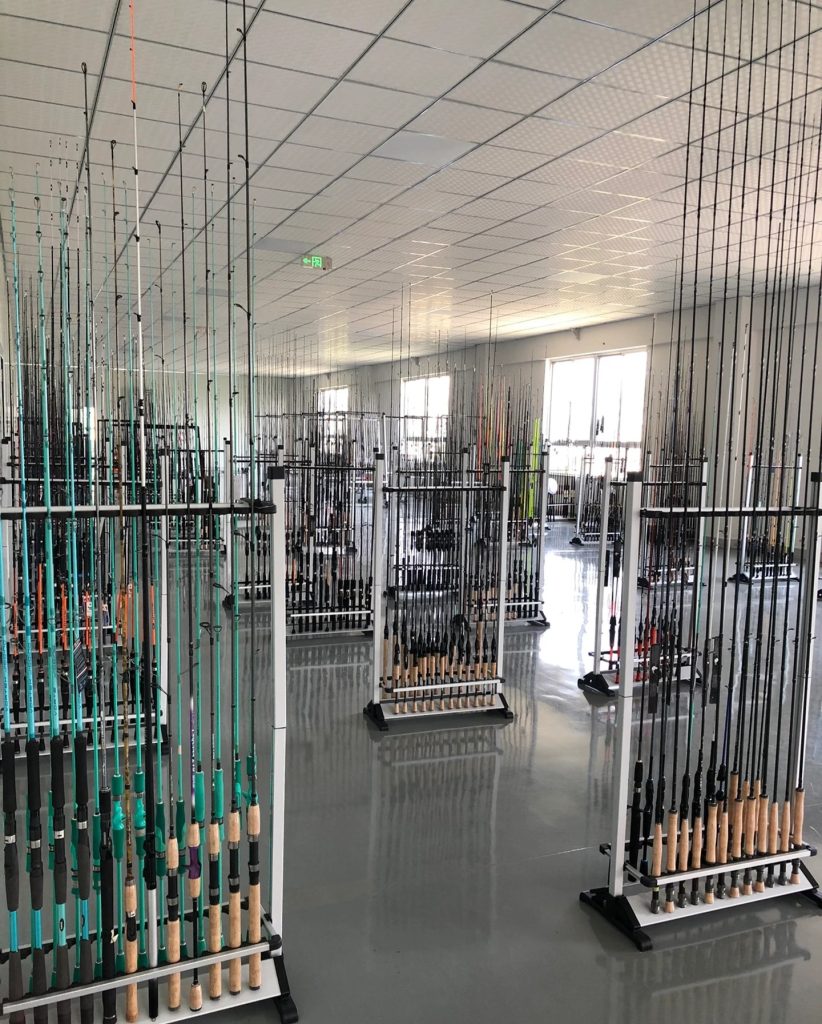
How to Choose a Reliable Fishing Rod Supplier in China
Finding a reliable fishing rod supplier in China is an important step for fishing tackle importers, wholesalers, distributors, retailers, and private-label brands.
The right supplier should be able to provide suitable products, clear specifications, consistent quality, reasonable commercial terms, and effective communication throughout the purchasing process.
However, choosing a supplier based only on product photographs or the lowest quotation can create unnecessary risks. Buyers should evaluate product capabilities, sample quality, customization options, quality control, and export arrangements before placing a bulk order.
This guide explains how to evaluate Chinese fishing rod suppliers and prepare a professional inquiry for your business.
1. Define Your Fishing Rod Purchasing Requirements
Before contacting suppliers, determine what products your business needs.
A clear purchasing plan helps you identify suitable suppliers and compare quotations accurately.
Start by answering these questions:
-
What types of fishing rods do you want to purchase?
-
Who are your target customers?
-
Which product specifications are important?
-
Do you need standard products or customized designs?
-
Will you sell under your own brand?
-
What is your estimated order quantity?
-
Which country will receive the shipment?
For example, a fishing tackle wholesaler may need several standard spinning rod models, while a private-label brand may require customized carbon fiber rods with branded packaging.
These two projects may require different supplier capabilities.
Preparing your requirements in advance makes supplier communication more efficient.
2. Check the Supplier’s Product Range
A suitable supplier should offer products that match your intended application and target market.
Depending on its actual product range, a fishing rod supplier may offer several categories.
Spinning Fishing Rods
Spinning rods are used for different recreational fishing applications.
When evaluating these products, consider rod length, power, action, handle design, guide configuration, and intended fishing environment.
Casting Fishing Rods
Casting rods are designed for use with casting reels.
Confirm the specifications and intended application of each model before requesting a quotation.
Telescopic Fishing Rods
Telescopic fishing rods are designed to collapse into shorter sections for convenient storage and transportation.
Check the extended length, collapsed length, weight, section connections, and packaging requirements.
Carbon Fiber Fishing Rods
Carbon fiber fishing rods are an option for buyers seeking particular material and performance characteristics.
Ask for specific material information rather than relying only on general product descriptions.
For a more detailed overview, read:
Carbon Fiber Fishing Rod Manufacturer in China: OEM, Wholesale and Customization Guide
Before publishing this article, confirm that the internal link leads to the correct published page.
3. Verify Whether the Supplier Is a Manufacturer or Trading Company
Not every company advertising fishing rods online operates its own factory.
Some businesses manufacture products directly, while others source products through manufacturing partners or operate as trading companies.
Neither arrangement automatically determines whether a supplier is suitable. What matters is whether the business can meet your requirements and clearly explain its role in the supply chain.
When evaluating a potential supplier, ask:
-
Does the company manufacture the products directly?
-
If it uses manufacturing partners, how is production managed?
-
Which product categories does it specialize in?
-
Can it provide detailed specifications and samples?
-
What customization services are available?
-
How does it manage quality inspections?
-
Can it explain its production and delivery arrangements?
Where appropriate, request business registration information, factory details, product documentation, and other supporting evidence.
If factory verification is important to your purchasing decision, consider arranging a factory visit or an independent verification service.
Do not rely on a supplier’s website description alone to establish its manufacturing capabilities.
4. Evaluate Product Quality Before Bulk Purchasing
Product quality directly affects customer satisfaction, returns, and your brand reputation.
Before placing a large order, request samples where practical and compare the actual products with the agreed specifications.
Material and Surface Finish
Inspect the rod blank for visible defects, inconsistent finishes, and differences from the approved sample.
Confirm that the material description matches the supplier’s documentation.
Guides and Reel Seats
Check the guide installation, alignment, reel seat, and handle assembly.
These components should meet the product specifications agreed upon with the supplier.
Rod Connections
For multi-section and telescopic rods, inspect the connections and assembly according to the product design.
Any testing should follow appropriate procedures for the intended application.
Dimensions and Weight
Confirm that the rod length, weight, and other specified measurements fall within the agreed tolerances.
Packaging
Check whether the packaging provides appropriate protection during storage and transportation.
For customized orders, also inspect the logo, product colors, labels, and packaging design.
For more detailed guidance, read:
How to Check Fishing Rod Quality Before Bulk Production
A clear inspection process can help identify problems before products are dispatched.
5. Ask About OEM and Private Label Services
If you plan to sell fishing rods under your own brand, customization may be an important supplier selection criterion.
Depending on the supplier’s capabilities, OEM or private-label services may include:
-
Logo printing.
-
Product colors and decorative finishes.
-
Handle design.
-
Selected components.
-
Product labels.
-
Retail packaging.
-
Custom product specifications.
Before starting a project, ask the supplier which options are available and whether any additional development costs apply.
Confirm the minimum order quantity for customized products, sample costs, artwork requirements, and production lead time.
It is also important to establish ownership and permitted use of any custom designs, artwork, and branding.
For additional information, see:
Custom Fishing Rod Manufacturer in China: OEM and Private Label Solutions
Confirm the page URL before publishing the link.
6. Compare MOQ, Prices, and Payment Terms
Minimum order quantity and pricing vary by supplier, product model, customization level, and order quantity.
Do not assume that every fishing rod supplier has the same purchasing requirements.
When requesting a quotation, ask for the following details.
Quotation Item |
What to Confirm |
|---|---|
Product model |
Exact model and specifications |
Minimum order quantity |
MOQ for each product |
Unit price |
Price at different quantities, if available |
Sample cost |
Sample price and customization charges |
Logo and packaging |
Available options and additional costs |
Production lead time |
Estimated time after order confirmation |
Payment terms |
Deposit, balance, and payment arrangements |
Inspection |
Inspection process and responsibilities |
Shipping terms |
Agreed Incoterm and cost responsibilities |
When comparing quotations, make sure the products have equivalent specifications.
A cheaper quotation may cover a different material, component configuration, packaging standard, or service level.
Review the total purchasing cost rather than comparing unit prices alone.
For more purchasing guidance, see:
Wholesale Fishing Rods from China: A Buyer’s Guide for Importers and Distributors
Check that this article has been published at the specified URL before using the link.
7. Request Samples Before Confirming a Large Order
Samples allow buyers to evaluate products before committing to a larger purchase.
They are especially useful when comparing multiple suppliers or developing a private-label product.
Before ordering samples, clarify:
-
Which model will be supplied?
-
Are the samples standard products or customized products?
-
What is the sample price?
-
Are shipping costs included?
-
How long will sample preparation take?
-
Can the sample reflect the intended bulk-order specifications?
-
Will the approved sample be used as a production reference?
After receiving a sample, compare it with your requirements and document any necessary changes.
For customized products, approve the final specifications and artwork before authorizing mass production.
Keep the approved sample or a detailed record of its specifications when practical.
8. Evaluate Communication and Customer Service
Effective communication helps prevent misunderstandings throughout the purchasing process.
A suitable supplier should be able to answer technical questions and provide clear information about commercial terms.
Pay attention to whether the supplier:
-
Understands your product specifications.
-
Answers questions directly.
-
Explains customization limitations.
-
Provides consistent quotation details.
-
Communicates production schedules clearly.
-
Documents changes to the order.
-
Explains packaging and shipping arrangements.
Be cautious if important product details remain unclear or if the supplier repeatedly changes commercial terms without a reasonable explanation.
Before transferring funds, independently verify the company’s identity and confirm that the payment beneficiary matches the agreed contractual arrangements.
9. Check Export Experience and Shipping Arrangements
International buyers should confirm that the supplier can support the export arrangements required for their shipment.
Ask about product packaging, carton dimensions, gross weight, shipping preparation, and the documents the supplier can provide.
For fishing rods, packaging dimensions deserve particular attention because long cartons may affect transportation costs and shipping options.
Before confirming the order, clarify:
-
The destination country.
-
The expected cargo-ready date.
-
The number and dimensions of cartons.
-
The gross shipment weight.
-
The agreed shipping method.
-
Export documentation responsibilities.
-
The applicable Incoterms.
-
Insurance and transportation responsibilities.
-
Import clearance arrangements.
Do not assume that a supplier’s product quotation includes international freight, destination charges, customs duties, or final delivery.
Request a written breakdown of the costs and responsibilities relevant to your order.
10. Common Warning Signs When Choosing a Fishing Rod Supplier
Supplier evaluation should include basic commercial risk checks.
The following situations deserve further investigation.
Unclear Product Specifications
If a supplier cannot explain important product details, you may have difficulty comparing quotations or confirming whether the product meets your requirements.
Request written specifications before proceeding.
Unsupported Manufacturing Claims
Claims about factory ownership, production capacity, or product certifications should be supported by appropriate evidence when they are important to your decision.
Verify the information independently where necessary.
Prices That Change Without Explanation
Ask the supplier to explain changes in product specifications, unit prices, shipping costs, or other charges.
Make sure the final quotation reflects the actual products and services agreed upon.
Pressure to Pay Before Verification
Avoid rushing into a transaction before confirming the supplier’s identity, order details, payment terms, and contractual responsibilities.
No Clear Quality Agreement
Agree on inspection criteria, sample approval, and the handling of nonconforming products before mass production.
These checks cannot eliminate every purchasing risk, but they can help you make a more informed decision.
11. A Practical Checklist for Selecting a Fishing Rod Supplier
Before placing an order, use the following checklist to review your shortlisted suppliers.
Evaluation Area |
Questions to Ask |
|---|---|
Product range |
Does the supplier offer the models you need? |
Product specifications |
Are materials, dimensions, and components clearly documented? |
Business identity |
Can you verify the company’s identity? |
Manufacturing capabilities |
Is its role in production clearly explained? |
Product samples |
Can you evaluate the product before bulk purchasing? |
Quality control |
Are inspection procedures clearly defined? |
Customization |
Can the supplier meet your branding requirements? |
MOQ |
Are minimum order quantities confirmed in writing? |
Pricing |
Are product and additional costs clearly stated? |
Payment terms |
Are the beneficiary and payment arrangements verified? |
Shipping |
Are transportation responsibilities and Incoterms clear? |
Communication |
Does the supplier respond clearly and consistently? |
You can use this checklist to compare several suppliers before making a purchasing decision.
12. Request a Fishing Rod Wholesale or OEM Quotation
Are you looking for a fishing rod supplier in China for wholesale purchasing, product distribution, or private-label development?
VLEFOOENA provides a platform for exploring potential B2B suppliers and their product-related information.
Before contacting a supplier, prepare a concise inquiry that explains your requirements.
Include the following details:
Product Type: Spinning rods, casting rods, telescopic rods, carbon fiber rods, or other fishing rod models.
Specifications: Required dimensions, materials, components, and intended application.
Order Quantity: Estimated quantity for each product model.
Customization: Logo, colors, components, and private-label packaging requirements.
Sample Requirements: Whether you need samples before placing a bulk order.
Destination Country: The country where the goods will be imported.
Shipping Requirements: Preferred delivery arrangements and any special packaging needs.
Ask the supplier to confirm product availability, MOQ, unit prices, sample costs, production lead time, payment terms, and shipping responsibilities.
Providing complete information can help the supplier assess your inquiry and determine whether its products and services match your purchasing needs.
Conclusion
Choosing a reliable fishing rod supplier in China requires a structured evaluation of product specifications, supplier capabilities, quality control, customization services, commercial terms, and export arrangements.
Rather than selecting a supplier based only on price, compare the complete purchasing offer and verify important claims before placing an order.
Request samples when appropriate, document your requirements, and agree on the specifications and inspection process before production begins.
Article Link:
How to Choose a Reliable Fishing Rod Supplier in China


No reply content