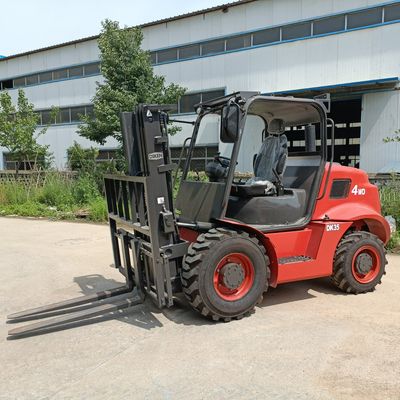
How to Import Forklifts from China: A Practical Guide for Global Buyers
Importing forklifts from China can be an attractive option for distributors, warehouse operators, construction companies, manufacturers, logistics businesses, and equipment dealers. But buying a forklift internationally is very different from ordering a small consumer product.
A forklift is heavy industrial equipment. The wrong specification can create problems long after the purchase order has been signed.
A buyer may receive a machine that has enough rated capacity on paper but cannot safely handle the actual load at the required lifting height. Another buyer may focus on the factory price and later discover that batteries, attachments, spare parts, export packaging, shipping, customs clearance, or local compliance significantly increase the final cost.
The safest approach is to treat forklift importing as a complete procurement project.
This guide explains what international buyers should do from the first supplier inquiry to delivery and after-sales support.
1. Start With the Application, Not the Forklift Model
One of the biggest mistakes buyers make is contacting a factory with only one sentence:
“Please send me your forklift price.”
A professional quotation requires much more information.
Before contacting manufacturers, determine:
- What material will the forklift handle?
- What is the maximum load?
- What is the normal load?
- What is the load center?
- How high must the load be lifted?
- Will the forklift work indoors or outdoors?
- How many hours will it operate each day?
- What type of floor will it operate on?
- What is the narrowest aisle?
- What attachments are required?
- What country will the forklift be imported into?
- How many units are required?
For example, a 3-ton forklift operating eight hours a day inside a warehouse has very different requirements from a 3-ton forklift working continuously in an outdoor construction-material yard.
The rated capacity alone does not tell the whole story.
2. Decide Between Electric and Internal Combustion
The next decision is the power source.
Electric forklifts can be attractive for:
- Indoor warehouses
- Manufacturing plants
- Distribution centers
- Retail logistics
- Facilities where low noise is important
- Operations where exhaust emissions are undesirable
Diesel or other internal-combustion forklifts can be more appropriate for:
- Outdoor yards
- Construction sites
- Heavy industrial applications
- Long operating shifts
- Applications where rapid refueling is important
The decision should be based on the working environment rather than simply the purchase price.
For importers comparing these two options, the supplier should provide the complete technical configuration rather than quoting only “electric” or “diesel forklift.”
3. Choose the Correct Capacity
Forklift capacity is one of the first specifications an importer should confirm.
Common categories may include:
- 1.5-ton forklifts
- 2-ton forklifts
- 2.5-ton forklifts
- 3-ton forklifts
- 3.5-ton forklifts
- 5-ton forklifts
- 7-ton forklifts
- Larger heavy-duty models
But the number in the model name should not be treated as the only capacity information.
Ask for:
- Rated capacity
- Load center
- Maximum lifting height
- Residual capacity at lifting height
- Mast configuration
- Attachment effect on capacity
If the forklift will use a clamp, rotator, fork positioner, or another attachment, the usable capacity may differ from the standard configuration.
4. Give the Factory Your Actual Load Information
A good supplier should be able to evaluate your application.
Instead of saying:
“I need a 5-ton forklift.”
Provide information such as:
Maximum load: 4,500 kg
Typical load: 3,500–4,000 kg
Load dimensions: 2,000 × 1,200 × 1,500 mm
Load center: 600 mm
Required lifting height: 5,000 mm
Working environment: Outdoor industrial yard
Operating hours: 8–10 hours/day
Surface: Concrete
Attachment: Side shifter
Quantity: 4 units
This allows the manufacturer to recommend a configuration instead of simply selling a standard machine.
5. Check the Mast Before Ordering
Mast selection is often overlooked.
You should confirm:
- Duplex or triplex mast
- Maximum lifting height
- Collapsed mast height
- Overall height
- Free lift
- Visibility
- Warehouse door clearance
- Container loading requirements
A forklift that can lift 5 meters may still be unsuitable if the collapsed mast cannot pass through the buyer’s warehouse door.
For importers, the dimensions of the forklift should therefore be checked before the purchase order is finalized.
6. Tell the Supplier Where the Forklift Will Work
The working environment affects the equipment specification.
Indoor warehouse
Consider:
- Electric power
- Non-marking tires
- Turning radius
- Noise
- Mast height
- Battery charging
- Aisle width
Outdoor yard
Consider:
- Pneumatic or solid tires
- Ground conditions
- Rain and dust
- Ground clearance
- Traction
- Diesel or suitable electric configuration
- Operator protection
Construction site
Consider:
- Uneven surfaces
- Heavy loads
- Dust
- Long operating periods
- Tire durability
- Machine protection
This information should be included in the initial inquiry.
7. Ask About Attachments Before You Buy
Standard forks are not suitable for every material.
Depending on the application, a buyer may need:
- Side shifter
- Fork positioner
- Paper roll clamp
- Bale clamp
- Carton clamp
- Rotator
- Drum handler
- Specialized forks
Attachments should be specified before production because they can affect:
- Capacity
- Load center
- Hydraulic configuration
- Forklift weight
- Overall dimensions
- Price
Do not order the basic forklift first and assume that every attachment can be added later.
8. Compare the Complete Specification, Not the Factory Price
Suppose three manufacturers send these quotations:
| Item | Factory A | Factory B | Factory C |
|---|---|---|---|
| Forklift | $X | $X | $X |
| Battery | Included | Optional | Included |
| Charger | Included | Optional | Included |
| Side shifter | Included | Optional | Optional |
| Solid tires | Included | Included | Optional |
| Spare parts | Basic | None | Included |
| Warranty | Different | Different | Different |
| Packaging | Different | Different | Different |
| Lead time | Different | Different | Different |
The lowest forklift quotation may not be the lowest final cost.
Before comparing prices, make every supplier quote the same configuration.
9. Verify the Manufacturer
This is particularly important when importing industrial equipment.
Do not rely only on photographs.
Ask the supplier for:
- Company information
- Factory information
- Product specifications
- Production photographs
- Quality-control information
- Certifications applicable to your market
- Warranty terms
- Spare-parts information
- Export experience
- References or previous export experience where available
Buyers can also review the supplier’s existing forklift information on Vlefooena, including its article about selecting a suitable forklift supplier.
The supplier page for Guangzhou Forklift Manufacturing Factory provides a dedicated place to review its published forklift-related information.
10. Ask for Technical Documents Before Payment
Do not wait until the forklift is already in production to ask for specifications.
Request documents covering:
- Product dimensions
- Rated capacity
- Load center
- Mast height
- Overall dimensions
- Machine weight
- Engine or motor information
- Battery specifications
- Charger specifications
- Tire specifications
- Hydraulic system
- Attachments
- Safety equipment
- Maintenance requirements
- Warranty
The exact documents required may vary according to the destination market and product configuration.
11. Understand OEM Requirements
If you are a distributor or equipment dealer, you may want the forklift to carry your own brand.
OEM requirements can include:
- Logo
- Paint color
- Nameplate
- Product labels
- Packaging
- User manuals
- Warning labels
- Control configuration
- Accessories
- Spare parts packaging
OEM customization should be confirmed before production.
If branding is important to your business, put every requirement in writing.
A simple verbal agreement such as “we can customize it” is not enough.
12. Confirm Certifications for Your Destination Market
Do not assume that a certificate suitable for one market automatically satisfies another market’s requirements.
Tell the manufacturer your destination country before asking for certification documents.
Then confirm:
- Which certification applies
- Which model it covers
- Whether the certificate matches the actual configuration
- Whether additional documents are required
- Whether local registration or inspection is necessary
The buyer should verify the final import and compliance requirements with the relevant authorities or qualified local professionals.
13. Decide How the Forklifts Will Be Shipped
Forklifts are large and heavy.
Shipping arrangements can therefore have a major influence on the landed cost.
The supplier and buyer should discuss:
- Port of loading
- Destination port
- Container requirements
- Whether the forklift can be shipped inside a standard container
- Disassembly requirements
- Export packaging
- Loading method
- Lashing
- Moisture protection
- Shipping documents
Depending on the forklift size and configuration, the transportation method can differ.
A small warehouse forklift and a large heavy-duty forklift should not automatically be quoted using the same shipping assumption.
14. Ask How the Forklift Will Be Packed
Export packaging is important because the forklift may experience:
- Sea humidity
- Long transit times
- Loading and unloading
- Multiple handling operations
- Port storage
- Temperature changes
Ask the manufacturer how the machine will be protected.
For example:
- Exposed components protected
- Battery protected
- Control panel protected
- Rust prevention
- Hydraulic components protected
- Spare parts separately packed
- Documents waterproofed
For expensive equipment, packaging should be treated as part of the logistics plan rather than an afterthought.
15. Calculate the Landed Cost
The factory quotation is only one part of the cost.
Your landed cost may include:
Forklift price
Export charges
Packaging
Domestic transportation
Ocean or other international freight
Insurance
Destination charges
Customs duties and taxes
Port handling
Local transportation
Possible inspection or compliance costs
The exact cost structure depends on the destination country, trade terms, product classification, and shipping arrangement.
This is why two buyers purchasing the same forklift from the same factory can end up with different final costs.
16. Choose the Right Incoterm
Ask the manufacturer which trade terms are available.
Common terms discussed in international machinery transactions may include:
- EXW
- FOB
- CIF
- CFR
- DAP
Each term changes which party is responsible for particular costs and logistics stages.
Do not compare a FOB quotation directly with a DAP quotation and assume that one is automatically cheaper.
The quotation must be compared on the same basis.
17. Customs Classification Should Be Confirmed
Before importing, make sure the product classification is properly determined.
The importer may need to confirm:
- Product description
- HS classification
- Customs value
- Country of origin
- Applicable duty
- Import taxes
- Required documents
- Special import requirements
The correct classification and applicable duty should be verified for the destination country rather than relying solely on a supplier’s assumption.
18. Order a Sample or Inspection When Appropriate
A forklift is expensive enough that inspection can make sense before shipment.
Depending on the order size, buyers may consider:
- Pre-production confirmation
- Production inspection
- Final inspection
- Functional testing
- Load testing where appropriate
- Visual inspection
- Documentation review
- Packaging inspection
For larger orders, the inspection criteria should be agreed upon before production.
For example:
Capacity: As specified
Lift height: As specified
Battery: As specified
Tires: As specified
Color: Approved sample
Logo: Approved artwork
Accessories: Complete
Documents: Complete
This creates a clear standard for final acceptance.
19. Do Not Forget Spare Parts
This is one of the most important issues for forklift importers.
A forklift can become expensive very quickly if a low-cost component causes several days of downtime.
Consider purchasing commonly required spare parts together with the initial order.
Depending on the forklift model, these may include:
- Filters
- Brake components
- Hydraulic components
- Tires
- Electrical components
- Fuses
- Lights
- Belts
- Seals
- Sensors
- Forks
- Other wear parts
The exact spare-parts list should be based on the actual model.
20. Warranty Terms Need to Be Written Clearly
Do not accept a vague statement such as:
“Warranty available.”
Ask:
- How long is the warranty?
- What components are covered?
- What components are excluded?
- Who pays for replacement parts?
- Who pays shipping?
- What evidence is required for a claim?
- How are defective components handled?
- How quickly are replacement parts normally supplied?
For international buyers, the practical value of a warranty depends heavily on the manufacturer’s ability to supply replacement parts and technical support.
21. Prepare for Local Service
Before importing several forklifts, consider who will maintain them after arrival.
Possible arrangements include:
- Buyer’s own technicians
- Local service partners
- Manufacturer technical support
- Spare-parts stock
- Remote troubleshooting
This is particularly important for distributors.
If you are selling forklifts to your own customers, after-sales support becomes part of your product offering.
22. A Practical China Forklift Import Workflow
A simple purchasing workflow can look like this:
Step 1: Define application
↓
Step 2: Confirm load and lifting requirements
↓
Step 3: Choose electric or internal-combustion configuration
↓
Step 4: Find suitable manufacturers
↓
Step 5: Send the same specification to multiple suppliers
↓
Step 6: Compare technical quotations
↓
Step 7: Verify manufacturer capabilities
↓
Step 8: Confirm certifications and documents
↓
Step 9: Negotiate commercial terms
↓
Step 10: Confirm specifications in writing
↓
Step 11: Place order
↓
Step 12: Monitor production
↓
Step 13: Conduct inspection if required
↓
Step 14: Confirm export packaging
↓
Step 15: Ship the forklift
↓
Step 16: Complete customs clearance
↓
Step 17: Arrange local delivery
↓
Step 18: Commission the equipment
↓
Step 19: Establish maintenance and spare-parts support
The important point is that supplier selection is only one stage of the entire process.
23. Common Mistakes Made by First-Time Forklift Importers
Mistake 1: Choosing the cheapest quotation
A low price can hide missing accessories, weaker specifications, limited warranty coverage, or higher downstream costs.
Mistake 2: Giving the supplier incomplete requirements
If the supplier does not know the lifting height, load center, operating environment, or attachment requirements, the quotation may not match the actual application.
Mistake 3: Ignoring shipping dimensions
A forklift can be technically suitable but logistically difficult to transport if dimensions and packaging are not considered early.
Mistake 4: Checking certificates too late
Compliance issues should be investigated before production, not after the machine reaches the destination port.
Mistake 5: Forgetting spare parts
Buying only the forklift may leave the buyer dependent on urgent international shipments when a component fails.
Mistake 6: Comparing different Incoterms
A FOB quotation and a DAP quotation cannot be compared simply by looking at the numbers.
Mistake 7: Relying on verbal promises
Important specifications, warranty conditions, accessories, branding, and delivery requirements should be documented.
24. What Should You Send to a Chinese Forklift Manufacturer?
A strong inquiry can be short but detailed.
For example:
Product: Electric forklift
Capacity: 3,000 kg
Load center: 500 mm
Lift height: 4,500 mm
Operation: Indoor warehouse
Daily operation: 8 hours
Aisle width: 3.5 m
Tire: Non-marking
Attachment: Side shifter
Quantity: 5 units
Destination: [Country / Port]
OEM: Required
Spare parts: Required
Warranty: Please provide terms
Then ask the manufacturer to quote:
- Unit price
- Complete specifications
- Lead time
- Packaging
- Trade term
- Shipping dimensions
- Gross weight
- Warranty
- Spare-parts options
- Available certifications
This type of inquiry usually produces a much more useful response than a simple request for the lowest price.
25. Where to Find Forklift Manufacturers in China
Buyers can use B2B sourcing platforms, manufacturer directories, industry networks, trade exhibitions, referrals, and direct factory inquiries.
The important part is not simply finding a large number of suppliers.
The goal is to build a shortlist of manufacturers that match your exact application.
For example, if you need a 5-ton outdoor forklift with a specific mast height and attachment, there is little value in contacting dozens of suppliers that only manufacture small electric warehouse trucks.
Supplier relevance is more important than supplier quantity.
26. Review the Manufacturer’s Existing Forklift Resources
Before sending an inquiry, review what the supplier has already published.
The Guangzhou Forklift Manufacturing Factory supplier profile is useful as a central reference point for its forklift-related information.
The supplier has also published How to Choose the Right Forklift Supplier for Your Material Handling Needs, which discusses electric and internal-combustion forklifts, attachments, spare parts, safety requirements, and information buyers should provide when requesting quotations.
Rather than treating one article as proof that a supplier is suitable, buyers should use the information as part of a broader supplier verification process.
27. Final Checklist Before Paying a Deposit
Before making the first payment, confirm all of the following:
- [ ] Manufacturer identity
- [ ] Exact forklift model
- [ ] Rated capacity
- [ ] Load center
- [ ] Lifting height
- [ ] Mast type
- [ ] Overall dimensions
- [ ] Machine weight
- [ ] Battery or engine specification
- [ ] Charger
- [ ] Tire specification
- [ ] Attachments
- [ ] Safety equipment
- [ ] Certification documents
- [ ] OEM requirements
- [ ] Warranty
- [ ] Spare parts
- [ ] Packaging
- [ ] Production lead time
- [ ] Inspection arrangement
- [ ] Incoterm
- [ ] Shipping arrangement
- [ ] Payment terms
- [ ] Customs requirements
- [ ] Destination delivery plan
If any major item remains unclear, clarify it before production begins.
Frequently Asked Questions
Is importing forklifts from China difficult?
It is manageable when the buyer prepares the technical specification, verifies the manufacturer, confirms compliance requirements, and plans shipping and customs clearance in advance.
How do I find a reliable forklift manufacturer in China?
Create a shortlist based on product suitability, manufacturing capability, technical documentation, quality control, certifications, export experience, warranty, spare parts, and communication rather than choosing only according to price.
Can I buy electric forklifts from China?
Yes. Chinese manufacturers produce various electric forklift configurations. The buyer should specify battery type, capacity, charging requirements, operating hours, lifting height, and destination-market requirements.
Can I import diesel forklifts from China?
Yes, depending on the destination country’s import, emissions, safety, and compliance requirements.
How many forklifts should I order?
There is no universal quantity. Distributors may order larger quantities, while end users should base the quantity on fleet requirements, operating hours, utilization, and budget.
Should I inspect the forklift before shipment?
For high-value equipment or larger orders, pre-shipment inspection can be useful for verifying specifications, accessories, appearance, functionality, documentation, and packaging.
What information should I give the manufacturer?
At minimum, provide capacity, load center, lifting height, operating environment, daily operating hours, tire requirements, attachments, quantity, destination, and any OEM requirements.
What is the most important thing when importing forklifts?
Specification accuracy is one of the most important factors. A forklift that is incorrectly specified can create safety, productivity, maintenance, and financial problems after delivery.
Conclusion
Importing forklifts from China should not be treated as a simple price-shopping exercise.
The real process starts with defining the application and continues through technical specification, manufacturer verification, certification, quotation comparison, OEM requirements, shipping, customs clearance, inspection, spare parts, and after-sales support.
The strongest buyers do not simply ask:
“How much is your forklift?”
They ask:
“Can you supply the exact forklift configuration required for my operation, and can you support it after it arrives?”
That difference can have a major impact on the success of an international forklift purchase.
For buyers researching Chinese forklift suppliers, the Guangzhou Forklift Manufacturing Factory supplier page can be used as a starting point for reviewing its published forklift resources and supplier information.


No reply content