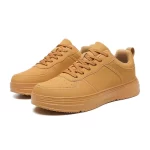


How to Prevent Sole Separation in Mass-Produced Shoes
Sole separation is a common footwear quality concern that can affect product durability, customer satisfaction, and brand reputation. It occurs when the outsole, midsole, or other bonded shoe components begin to detach from one another.
For footwear brands and importers sourcing shoes from China, preventing sole separation requires more than checking the finished product visually. Material compatibility, surface preparation, adhesive application, bonding conditions, shoe construction, and quality control can all influence the result.
This guide explains why sole separation happens, how manufacturers can reduce the risk, and what buyers should check before approving mass production.
1. What Is Sole Separation?
Sole separation occurs when a bonded connection between footwear components fails or begins to weaken.
Depending on the shoe construction, separation may occur between:
- The upper and outsole
- The upper and midsole
- The midsole and outsole
- Different layers within a sole assembly
- Decorative or reinforcing components attached to the shoe
The problem may appear as a visible gap, a lifted edge, peeling material, or a component that detaches during use.
Not every shoe uses the same bonding method. Some footwear uses adhesive bonding, while other constructions use stitching, direct injection, mechanical attachment, or combinations of methods.
The appropriate prevention method therefore depends on the shoe design and manufacturing process.
2. What Causes Sole Separation?
2.1 Poor Surface Preparation
Bonding surfaces may need cleaning, roughening, priming, or other preparation before adhesive is applied.
Dust, oil, release agents, moisture, or other contaminants can interfere with adhesion.
Prevention: Establish a suitable surface-preparation procedure for each material and bonding system. Inspect prepared surfaces before adhesive application.
2.2 Incompatible Materials
Different upper, midsole, and outsole materials may require different adhesives or treatment methods.
A bonding process suitable for one material combination may not work reliably for another.
Prevention: Confirm material compatibility during product development. Test the complete material combination rather than assuming that an adhesive suitable for one shoe will work for every design.
2.3 Incorrect Adhesive Application
Insufficient coverage, uneven application, contamination, or unsuitable adhesive selection may result in weak bonding.
Excess adhesive does not necessarily produce a stronger bond and can create visible finishing problems.
Prevention: Follow the adhesive manufacturer’s technical instructions and establish documented application standards.
2.4 Incorrect Drying or Curing Conditions
Some bonding systems require controlled drying, activation, pressing, or curing conditions.
Incorrect temperature, timing, pressure, or other process parameters can compromise bond performance.
Prevention: Define the appropriate process parameters for the specific adhesive and materials. Maintain process records and verify that production equipment is operating as intended.
2.5 Inconsistent Production Workmanship
Differences in surface preparation, adhesive coverage, component positioning, or pressing conditions can create inconsistent results across a production batch.
Prevention: Use documented work instructions, trained operators, suitable fixtures, and regular in-process inspections.
2.6 Inadequate Material or Process Testing
A shoe may look acceptable immediately after assembly but still have insufficient bond strength.
Prevention: Establish appropriate adhesion tests and acceptance criteria before mass production. Consider the effects of the intended use and relevant environmental conditions.
3. How Footwear Manufacturers Can Prevent Sole Separation
Preventing sole separation requires a controlled manufacturing process rather than a single inspection step.
Step 1: Verify Incoming Materials
Check that incoming upper, midsole, outsole, and adhesive materials match the approved specifications.
Where relevant, verify material identification, batch traceability, storage conditions, and shelf-life requirements.
Step 2: Prepare Bonding Surfaces Correctly
Use the preparation method specified for the material and adhesive combination.
Control cleaning, roughening, priming, and any other required treatment. Avoid handling prepared surfaces in ways that could introduce contamination.
Step 3: Follow the Approved Adhesive Procedure
Confirm the correct adhesive system, application method, coverage, and working conditions.
Operators should follow the applicable technical instructions instead of relying solely on informal experience.
Step 4: Control Bonding Conditions
Maintain the required drying or activation time, temperature, pressure, and curing conditions as specified for the particular process.
Do not apply one universal set of bonding parameters to every footwear material.
Step 5: Inspect During Production
Inspect representative products during the production run, paying particular attention to high-stress areas such as the toe, heel, and sidewall.
Document defects and investigate recurring patterns rather than simply removing visibly defective units.
Step 6: Test the Finished Product
Use an appropriate test method to evaluate bond performance against agreed requirements.
The test plan should reflect the shoe construction, intended application, material combination, and relevant customer or regulatory requirements.
4. How Buyers Can Inspect Shoes for Sole Separation
Buyers can use several checks when evaluating samples or arranging production inspections.
| Inspection point | What to check |
|---|---|
| Toe area | Visible gaps, lifting edges, or uneven bonding |
| Heel area | Separation, misalignment, or adhesive residue |
| Sidewall | Uneven attachment or localized gaps |
| Sole perimeter | Inconsistent bonding or poorly finished edges |
| Component alignment | Whether the upper and sole are correctly positioned |
| Adhesive appearance | Excess residue or other visible process defects |
| Bond strength | Results from an agreed test method |
| Batch consistency | Whether inspected samples meet the same acceptance criteria |
Visual checks are useful for identifying obvious defects, but they cannot establish bond strength on their own.
Avoid treating an informal hand-pull test as proof of long-term durability. Destructive testing, where appropriate, should follow a defined method and acceptance criteria.
5. What Is a Sole Bonding Test?
A sole bonding test evaluates the strength of the connection between specified footwear components.
Depending on the construction and applicable standard, a test may measure the force required to separate a bonded component or assess adhesion under defined conditions.
The testing procedure should specify the relevant component interface, specimen preparation, test conditions, measurement method, and acceptance criteria.
Buyers should confirm the following with their manufacturer or testing laboratory:
- Which interface will be tested?
- Which test method is appropriate?
- What are the required acceptance limits?
- How many specimens will be tested?
- Will the test be performed on samples or finished production shoes?
- How will test results be recorded and reported?
The required bond strength can differ according to the footwear type, material, construction, and applicable specification. There is no single universal acceptance value suitable for every shoe.
6. Should Buyers Conduct Testing Before Mass Production?
Yes, when bonding performance is important to the product, buyers should define an appropriate verification plan before approving production.
A practical process may include:
Sample development: Evaluate the initial sample for construction, materials, fit, and visible bonding defects.
Pre-production approval: Confirm the final materials and manufacturing method. Perform relevant adhesion tests when required.
Production monitoring: Check that the approved process is maintained and that any deviations are investigated.
Final inspection: Inspect finished footwear against the agreed quality criteria and review required test records.
Testing requirements should be proportionate to the product’s intended use and risk. Specialized safety or performance footwear may require additional testing and compliance documentation.
7. How to Write Sole Bonding Requirements in an OEM Specification
A vague instruction such as “the sole must be firmly attached” is difficult to measure consistently.
A stronger specification identifies the materials, bonding interfaces, process requirements, and verification method.
For example, a buyer may require the manufacturer to:
- Use the approved upper, midsole, outsole, and adhesive specifications.
- Follow the documented surface-preparation and bonding procedure.
- Maintain the process parameters specified for the approved material combination.
- Inspect relevant bonding areas during production.
- Perform the agreed adhesion test at the defined production stage.
- Record inspection results and investigate failures.
- Obtain approval before changing materials or bonding methods.
The exact requirements should be agreed upon by the buyer and manufacturer and documented in the product specification or quality agreement.
8. What to Do If Sole Separation Is Found in a Production Batch
If an inspection identifies sole separation, avoid treating every case as an isolated cosmetic defect.
A structured response should include the following steps:
- Identify the affected style, size, production lot, and manufacturing stage.
- Record photographs and inspection findings.
- Determine whether the issue affects one component interface or multiple areas.
- Review material batches, adhesive records, surface preparation, and bonding conditions.
- Hold affected products while the issue is assessed.
- Request a corrective-action plan from the manufacturer.
- Verify the corrective action through appropriate inspection or testing.
- Document the disposition of affected products and any agreed rework or replacement.
If the problem is recurring, investigate the underlying cause before restarting production.
The buyer and manufacturer should agree in advance on defect classification, corrective-action responsibilities, and acceptance criteria.
9. Common Mistakes That Increase Sole Separation Risks
Relying Only on Visual Inspection
A clean-looking shoe may still have inadequate adhesion.
Better approach: Combine visual inspection with appropriate bonding tests where required.
Changing Materials Without Revalidation
A change in outsole compound, upper material, adhesive, or surface treatment may affect bonding performance.
Better approach: Review and validate material or process changes before using them in mass production.
Ignoring Process Records
Without records, it can be difficult to determine why one production batch performs differently from another.
Better approach: Maintain traceability for relevant materials, process conditions, inspections, and test results.
Using the Same Bonding Process for Every Shoe
Different constructions and materials may require different preparation and bonding conditions.
Better approach: Establish process instructions for the specific product and material combination.
Approving Production Without Clear Acceptance Criteria
Unclear standards can lead to disagreements when defects are found.
Better approach: Define inspection methods, test requirements, acceptance limits, and corrective-action procedures before production begins.
10. Frequently Asked Questions
What causes shoe soles to separate from the upper?
Possible causes include contaminated bonding surfaces, incompatible materials, unsuitable adhesive application, incorrect processing conditions, inconsistent workmanship, and inadequate process verification.
Can sole separation be prevented completely?
No manufacturing process can guarantee zero defects in every unit. However, appropriate material selection, controlled bonding processes, testing, and production quality control can reduce the risk.
Can I identify sole separation by looking at a shoe?
Visual inspection can identify visible gaps, lifted edges, and other warning signs. It cannot reliably measure bond strength or establish long-term durability.
Should I test sole adhesion on every production order?
The appropriate plan depends on the product, risk, order requirements, and applicable standards. Buyers should define testing frequency and acceptance criteria with the manufacturer before production.
Is sole separation always caused by poor adhesive quality?
No. Material compatibility, surface preparation, application, drying or curing conditions, construction, and production consistency can all contribute to bonding failures.
What should I request from a Chinese shoe manufacturer?
Request details of the bonding process, material specifications, applicable test methods, acceptance criteria, production inspection procedures, and relevant test records. Confirm any special requirements in writing before approving mass production.
11. Prevent Sole Separation in Your Next OEM Footwear Project
Sole separation prevention begins during product development and continues through material selection, sample approval, manufacturing, and final inspection.
For buyers sourcing footwear from China, a clear technical specification and documented quality-control plan help establish consistent expectations between the buyer and manufacturer.
Before placing a bulk order, confirm the sole materials, bonding method, required performance tests, acceptance criteria, and production inspection arrangements.
VLEFOOENA provides B2B sourcing information to help international buyers explore footwear manufacturing and supplier options. Confirm each supplier’s actual capabilities, testing arrangements, and commercial terms directly before placing an order.
Related guides:
- How to Create a Shoe Tech Pack for OEM Manufacturing in China
- How to Evaluate Shoe Samples Before Mass Production
- What Affects the Cost of Custom Shoes in China?
- EVA vs Rubber vs TPR Soles: Which Is Best for Your Shoes?
Use these guides together to improve product specifications, evaluate footwear samples, compare manufacturing quotations, and establish a more consistent quality-control process.


No reply content