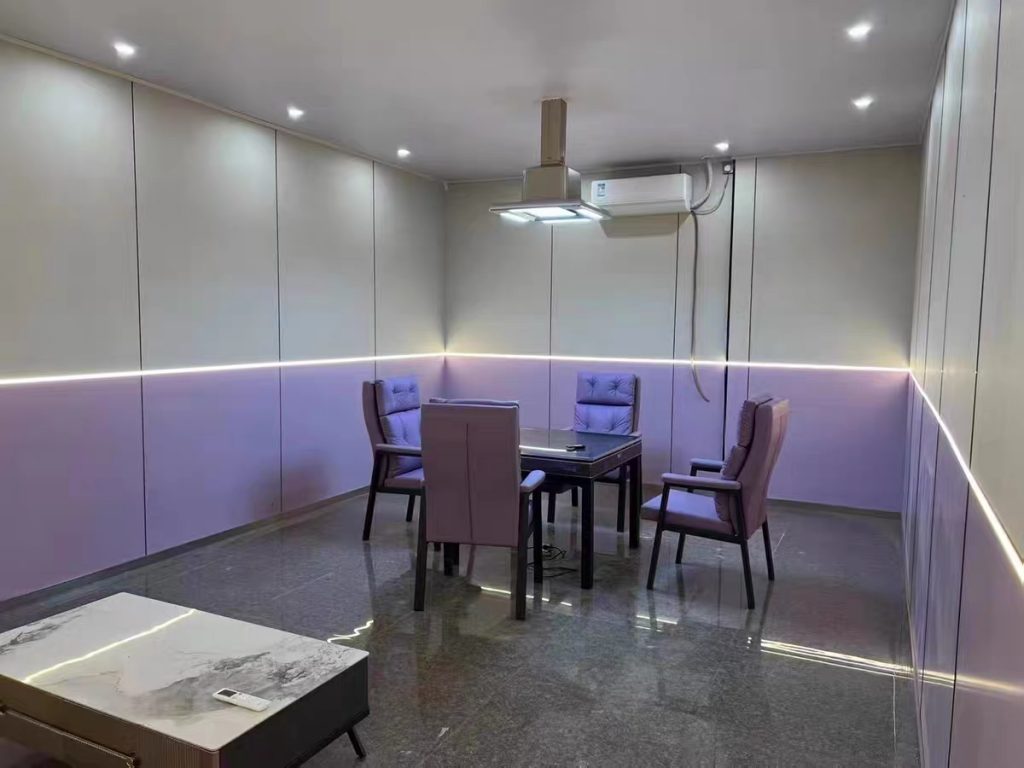
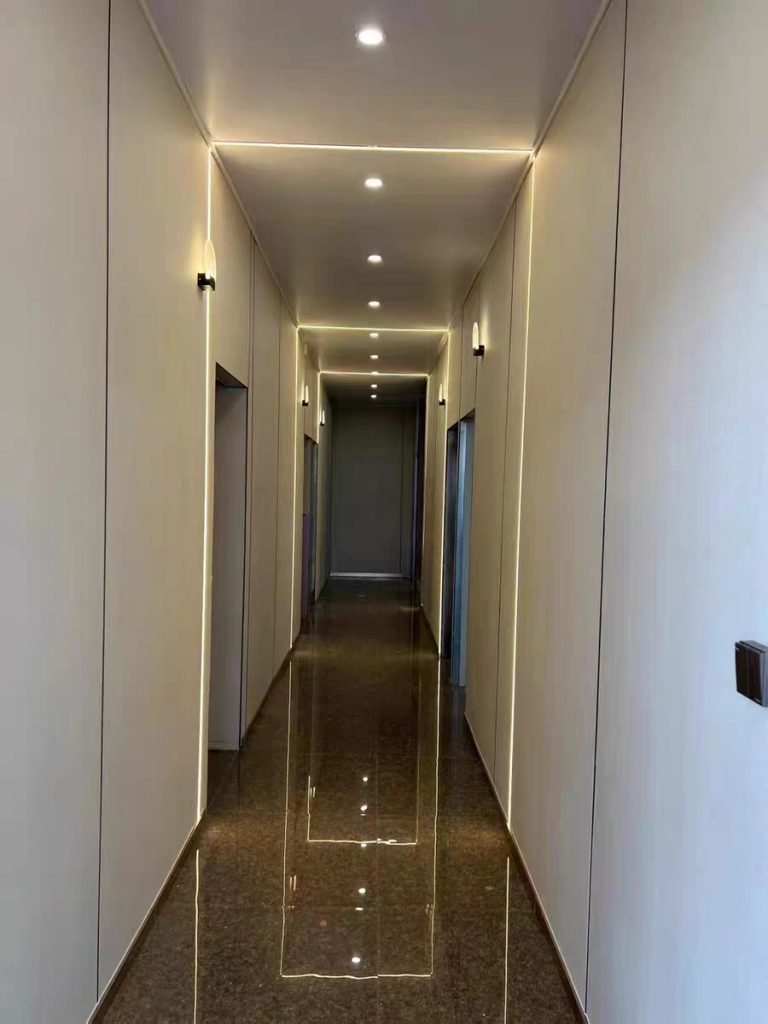
In interior design, walls are more than just structural boundaries—they’re canvases for creativity, barriers for noise, and guardians of comfort. Interior wall cladding has emerged as a cornerstone of modern architecture, blending aesthetics with performance to transform ordinary rooms into functional, visually striking environments. Whether for homes, offices, or retail spaces, this versatile solution is redefining how we approach interior finishing.
What Is Interior Wall Cladding?
Interior wall cladding refers to thin, modular panels installed over a wall substrate (like drywall or concrete) to enhance surface durability, appearance, and utility. Made from materials ranging from natural stone to engineered composites, cladding serves dual purposes: protecting walls from wear (scratches, moisture) and elevating design through texture, color, or pattern. For homeowners and designers alike, it’s a practical yet expressive choice—one that balances form and function.
Why Prioritize Interior Wall Cladding? Top Benefits
Modern projects demand more than just “pretty walls.” Here’s why cladding has become a go-to:
🎨 Design Flexibility Unleashed
Cladding offers endless style possibilities. Smooth matte finishes, rugged wood grains, or bold geometric patterns—manufacturers produce panels to mimic natural materials (stone, timber) or innovate with abstract textures. This versatility lets spaces align with any aesthetic, from Scandinavian minimalism to industrial edge.
🔇 Acoustic Comfort, Redefined
Busy households, open-plan offices, or restaurant kitchens often suffer from noise chaos. Many cladding materials—especially fiber cement or recycled composite panels—feature porous structures or density that absorb sound waves. This reduces echo and background noise, creating calmer, more productive environments.
🛡️ Durability That Lasts
Unlike paint or wallpaper, which chip, fade, or peel over time, cladding resists daily wear. It stands up to scuffs from furniture, moisture in bathrooms, and even accidental bumps—extending the life of interior walls and cutting long-term renovation costs.
♻️ Eco-Conscious Choice
Leading cladding brands prioritize sustainability: recycled fibers, low-VOC adhesives, and FSC-certified wood composites ensure minimal environmental impact. Some panels are even fully recyclable at end-of-life, aligning with global green building standards.
Cladding Materials Compared: Which Fits Your Project?
Not all cladding is created equal. Below is a quick comparison of three popular options, highlighting key performance metrics:
| Material | Weight (per panel) | Acoustic Performance (NRC)* | Moisture Resistance | Maintenance Needs |
|---|---|---|---|---|
| Fiber Cement Cladding | 4–6 lbs | 0.7–0.9 (excellent) | High (no swelling/mold) | Low (wipe with damp cloth) |
| Gypsum Wall Panels | 2–3 lbs | 0.3–0.5 (moderate) | Low (prone to water damage) | Moderate (repair cracks/paint) |
| PVC Composite Panels | 1.5–2.5 lbs | 0.5–0.7 (good) | Very High (waterproof) | Low (wipeable; avoid scratches) |
NRC = Noise Reduction Coefficient (higher = better sound absorption).
Where to Use Interior Wall Cladding: From Homes to Public Spaces
Cladding’s adaptability makes it indispensable across environments:
-
Residential: Use in bathrooms (moisture-proof), living rooms (acoustic calming), or feature walls (design focal points).
-
Commercial: Offices benefit from sound-absorbing panels to reduce open-plan noise; retail stores use bold cladding to reinforce branding.
-
Hospitality: Hotels and restaurants choose durable, easy-to-clean cladding for high-traffic areas like lobbies or cafes.
Choosing the Right Cladding: Key Considerations
To maximize impact, factor in:
-
Space Needs: High-moisture areas (bathrooms) demand waterproof options; noisy rooms need high NRC ratings.
-
Aesthetic Goals: Match panel texture/color to existing decor (e.g., wood-look cladding for rustic vibes).
-
Installation Ease: Lightweight panels (PVC, gypsum) speed up renovations; modular designs simplify DIY projects.
The Future of Interior Walls: Smarter, Greener, More Personal
As technology advances, interior cladding is evolving:
-
Smart Integration: Some panels now include embedded LED strips or sensors for adjustable lighting/temperature.
-
Hyper-Customization: Digital printing allows for one-of-a-kind patterns, from family photos to brand logos.
-
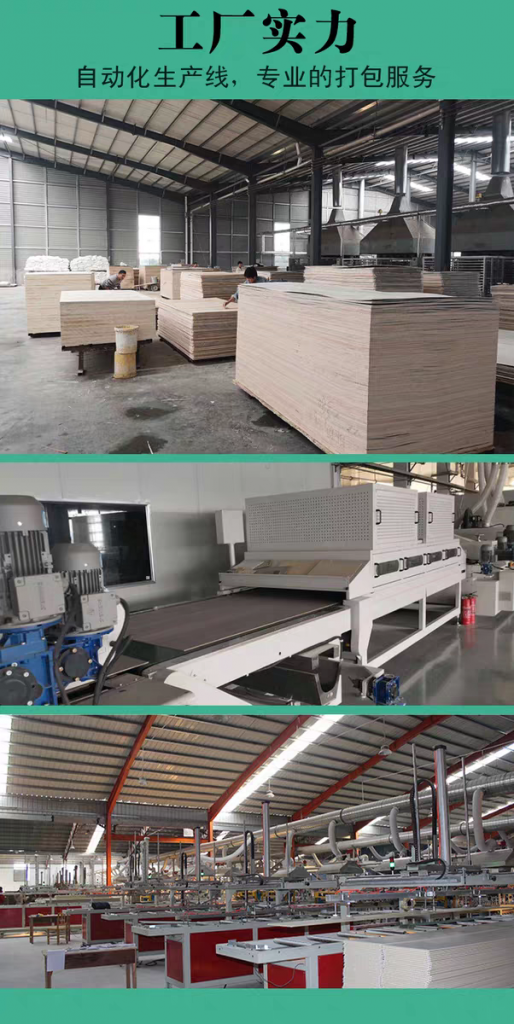
Circular Materials: More factories are using bio-based fibers (bamboo, hemp) and recycled plastics to reduce waste.
In a world where first impressions matter and well-being is prioritized, interior wall cladding does more than cover walls—it enhances lives. By blending beauty with functionality, it turns everyday spaces into intentional, lasting environments. Whether you’re designing a cozy home or a bustling office, cladding is the silent partner that makes every detail count.
Keywords: Interior Wall Cladding, Acoustic Insulation, Moisture-Resistant Panels, Sustainable Wall Finishes, Design Flexible Cladding, Noise Reduction Wall Solutions.
Article link:https://www.vlefooena.com/interior-wall-cladding-elevating-spaces-with-style-function-and-sustainability


No reply content