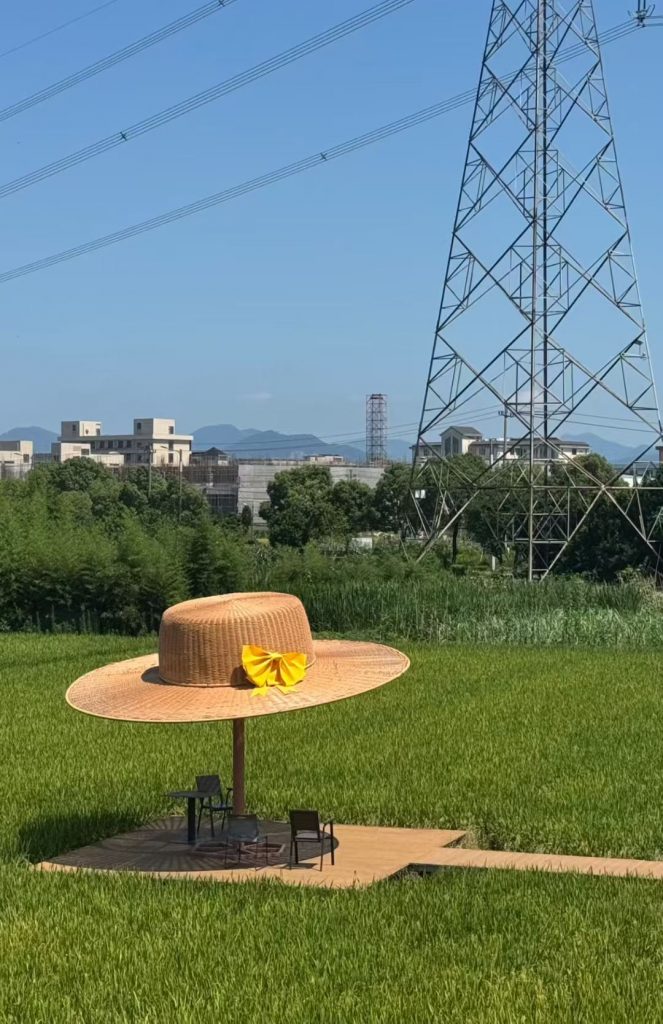
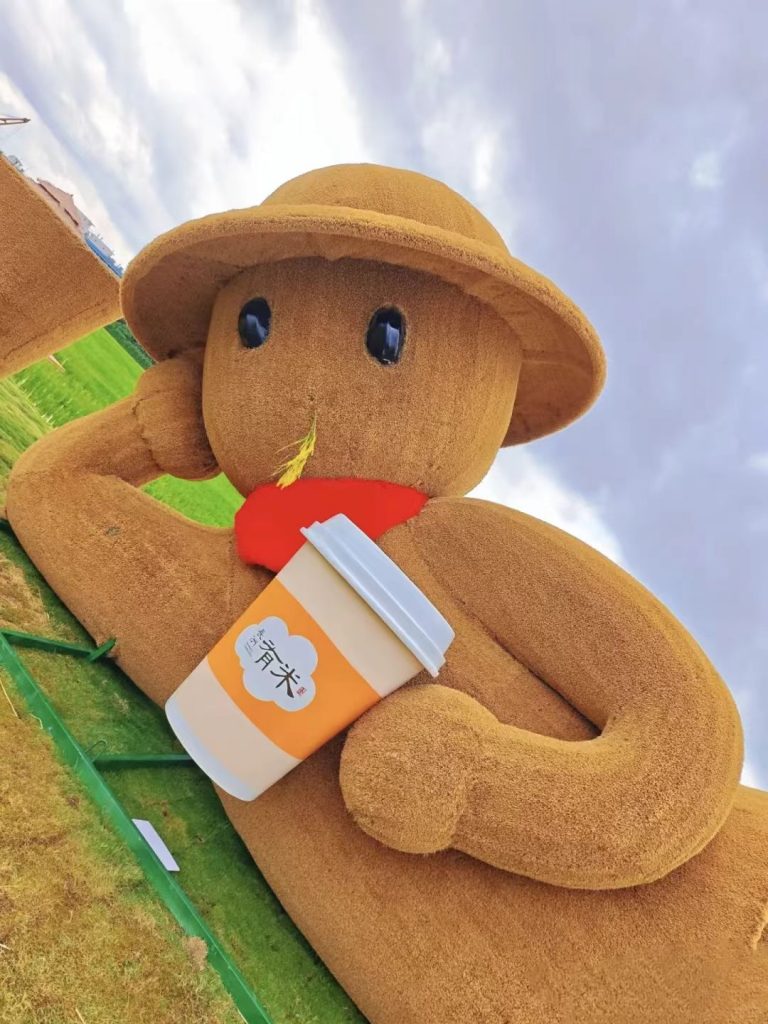
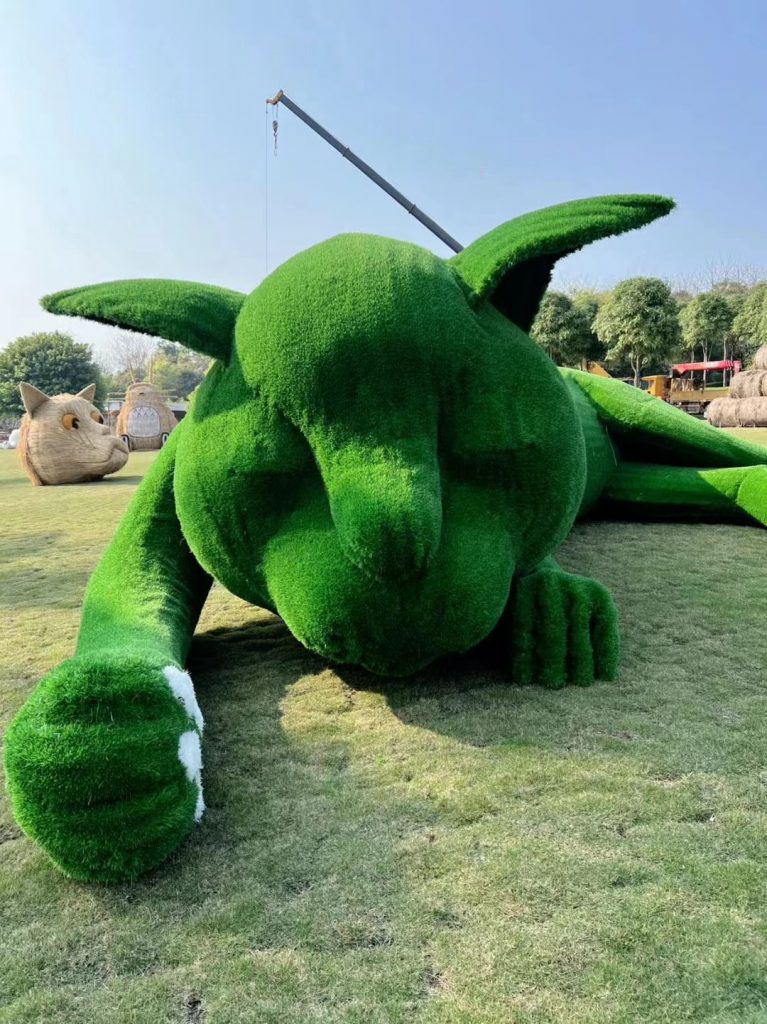
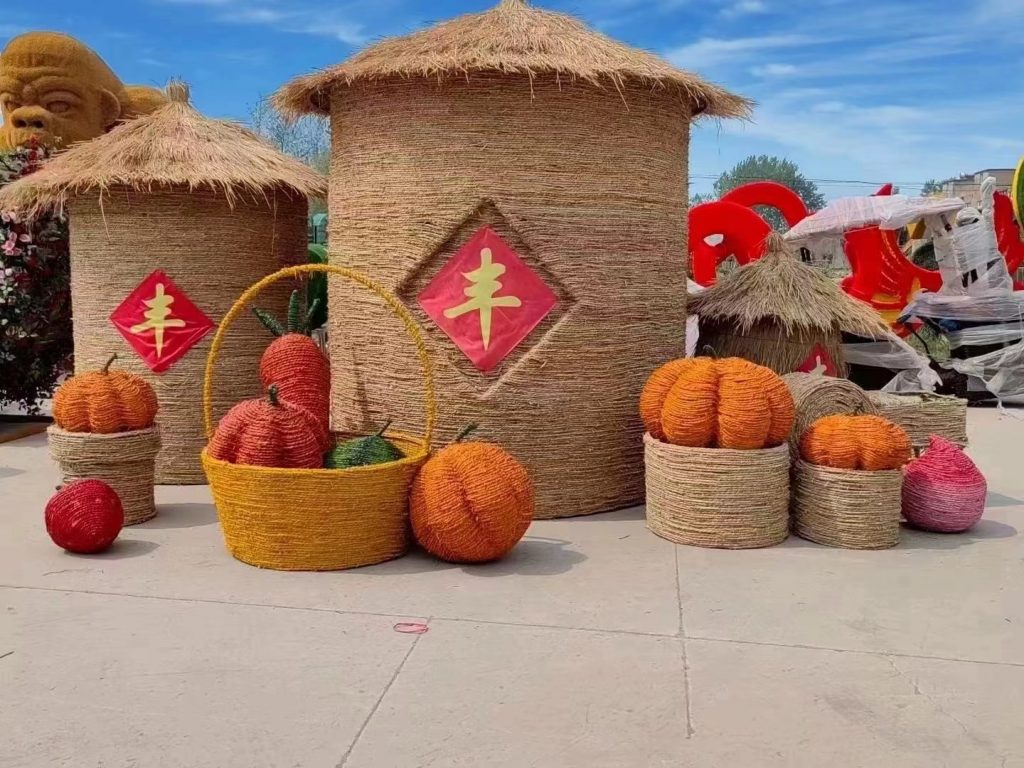
In the post-pandemic era, global tourism and horticultural industries have witnessed a renaissance of experiential travel, where destinations compete not just on natural beauty but on the ability to create shareable moments. Tourist attractions—from national parks to urban botanical gardens—and private gardens alike are investing in large-scale outdoor decor that doubles as landmarks, photo ops, and cultural touchstones. Among the most innovative solutions gaining traction is the large-scale panda straw statue, a fusion of rustic charm, sustainability, and monumental presence. For buyers seeking cost-effective, high-impact decor with streamlined supply chains, factory-direct export models have emerged as the optimal pathway to acquire these iconic installations. This article explores the rising demand for large-scale panda straw statues, the strategic advantages of factory-direct export, and how these statues redefine outdoor spaces in tourism and gardening.
The Tourism and Gardening Boom: Why Large-Scale Decor Matters
The global tourism industry rebounded strongly in 2023, with the UN World Tourism Organization reporting a 38% increase in international arrivals compared to 2022. Concurrently, the horticultural sector—encompassing public gardens, private estates, and agritourism farms—has grown by 12% annually, driven by demand for “nature-based wellness” experiences. In both sectors, outdoor decor plays a pivotal role: it guides visitor flow, enhances thematic coherence, and generates social media buzz (a 2024 study by Hootsuite found that 67% of travelers choose destinations based on “Instagrammability”).
Traditional large-scale decor—think bronze statues, fiberglass dinosaurs, or concrete fountains—often comes with steep price tags (50,000–200,000 for a 15-foot piece), lengthy lead times (6–12 months), and high maintenance (rust, fading, or structural cracks). This is where large-scale panda straw statues carve a niche: they offer the visual impact of traditional monuments at a fraction of the cost, with faster production cycles and eco-friendly credentials that align with modern traveler values.
The Panda Phenomenon: A Universal Symbol for Global Appeal
Why the panda? As one of the world’s most recognizable animals, the giant panda transcends language and culture. Native to China but adored globally—with over 10 million followers on the Chengdu Research Base’s social media accounts—pandas symbolize peace, conservation, and cuteness. For tourist attractions, a panda statue taps into this universal affection, drawing families, couples, and solo travelers alike. For gardens, pairing a panda with floral arrangements (e.g., bamboo, cherry blossoms, or roses) creates a whimsical contrast between organic textures, making the space feel both wild and curated.
Moreover, pandas align with the “experience economy.” A 2023 survey by the American Horticultural Society found that 82% of garden visitors prefer “interactive or story-driven decor” over static ornaments. A large-scale panda statue, especially one positioned in a prominent spot (e.g., a garden entrance or lakeside), becomes a natural gathering point—visitors pose for photos, children “feed” it imaginary bamboo, and tour groups use it as a landmark for navigation.
Factory Direct Export: Redefining Supply Chain Efficiency
For buyers outside China (the primary producer of straw art), acquiring large-scale statues historically meant navigating a maze of middlemen, agents, and distributors. This added 20–30% to costs, extended lead times by 3–6 months, and diluted quality control. The rise of factory-direct export has disrupted this model, offering three core advantages:
1. Cost Savings Without Compromise
By eliminating intermediaries, factories pass savings directly to buyers. A 20-foot panda straw statue that might retail for 80,000 through a distributor can be purchased factory-direct for 45,000–$55,000. These savings stem from reduced markup layers, bulk material purchasing (factories source straw, steel, and adhesives at wholesale rates), and optimized labor allocation. For budget-conscious attractions or garden projects, this cost difference can fund additional amenities—like visitor centers, trails, or seasonal flower rotations.
2. Quality Control: From Design to Delivery
Factory-direct partnerships allow buyers to collaborate directly with artisans and engineers. At every stage—design approval, material selection, structural testing—buyers provide input, ensuring the final product matches their vision. For example, a garden designer might request a panda with a “gentle smile” (achieved via precise straw layering around the mouth) or a weathered texture (simulated by mixing aged and fresh straw). Factories also conduct rigorous stress tests: a 20-foot statue is engineered to withstand winds up to 100 km/h (62 mph) and bear the weight of curious climbers (common in family-friendly attractions).
3. Speed and Flexibility
Factory-direct export slashes lead times. While traditional supply chains take 6–12 months from order to delivery, direct factories can produce and ship a large-scale statue in 3–4 months. This agility is critical for time-sensitive projects, such as preparing for a peak tourist season (e.g., cherry blossom festivals in Japan, tulip weeks in the Netherlands) or launching a new garden exhibit. Additionally, factories often maintain stock of standard sizes (10ft, 15ft, 20ft), enabling rush orders for urgent needs.
The Anatomy of a Large-Scale Panda Straw Statue
What makes these statues both massive and durable? The answer lies in a blend of traditional craftsmanship and modern engineering.
Materials: Where Rustic Meets Resilience
-
Straw: High-quality wheat or rice straw is selected for its tensile strength (resisting breakage) and flexibility (allowing intricate shaping). Before use, straw is washed to remove dust, treated with natural pesticides (to prevent insect damage), and sorted by length (long strands for the body, short for facial details).
-
Frame: A hidden steel skeleton provides structural integrity. For a 20-foot statue, the frame includes vertical supports (to bear weight), diagonal braces (to resist wind shear), and a base plate (anchored to concrete for stability).
-
Adhesives and Sealants: Non-toxic, plant-based glues (derived from cornstarch or tree sap) bind straw to the frame. A final coat of eco-friendly sealant (e.g., linseed oil mixed with beeswax) protects against rain, UV rays, and mold, extending the statue’s lifespan to 4–6 years outdoors.
Design: Balancing Monumentality and Detail
Large-scale statues risk looking “blocky” or impersonal, but skilled artisans avoid this by focusing on proportion and expression. A 20-foot panda, for instance, is designed with a slightly oversized head (to emphasize cuteness) and elongated limbs (to convey a playful stance). Facial features—eyes (made from polished river stones for a glossy effect), a button nose (dyed black straw), and a curved mouth—are crafted with millimeter precision. For thematic versatility, factories offer optional additions: a bamboo shoot in one paw, a flower garland around the neck, or LED-lit eyes for nighttime displays.
Production: Scaling Up Without Sacrificing Artistry
Mass-producing large statues might seem contradictory to “handmade” appeal, but factories achieve efficiency through division of labor. A team of 10–15 artisans works in stages: 3 designers finalize blueprints, 5 welders construct the steel frame, 4 straw-weavers layer materials, and 2 finishers apply sealant and details. This assembly-line approach maintains quality while increasing output—factories can produce 10–15 large statues monthly, depending on size.
Applications: Transforming Spaces in Tourism and Gardening
Large-scale panda straw statues are remarkably versatile, adapting to diverse environments:
1. Tourist Attractions: Landmarks That Drive Traffic
-
National Parks: A panda statue placed at a trailhead serves as a photo checkpoint, encouraging hikers to share their journey online. For example, a Sichuan province park installed a 25-foot panda overlooking a valley, resulting in a 40% increase in trail-related social media posts.
-
Botanical Gardens: In a bamboo garden, a panda statue “hidden” among stalks creates a scavenger hunt for visitors. Some gardens even host “panda yoga” classes or storytelling sessions around the statue.
-
Urban Plazas: A 15-foot panda in a city square becomes a meeting point for locals and tourists, boosting foot traffic to nearby cafes and shops.
2. Private and Public Gardens: Focal Points for Tranquility
-
Estate Gardens: A panda statue beside a koi pond or rose arbor adds a whimsical touch, making the space feel like a secret hideaway. Owners often report increased use of their gardens for weddings or private events.
-
Community Gardens: For public spaces, a panda can be painted collaboratively by local schools, fostering community pride. One UK community garden saw a 60% rise in volunteer sign-ups after installing a 12-foot panda.
3. Seasonal and Cultural Events
Factories design statues to be adaptable. For Lunar New Year, a panda might wear a red silk scarf; for Earth Day, it could hold a sign promoting conservation. The straw material allows for easy modifications—scarves or hats can be attached with Velcro, avoiding permanent alterations.
Sustainability: A Selling Point for Eco-Conscious Buyers
In an era where 73% of global travelers prioritize “sustainable tourism” (Booking.com, 2024), the eco-credentials of panda straw statues are a major draw. Straw is an agricultural byproduct—using it diverts waste from landfills. Unlike plastic or concrete, it decomposes naturally (in 1–2 years) when decommissioned, leaving no microplastics or toxins. Factories further minimize their carbon footprint by sourcing straw locally (within 50 km of production sites), using solar-powered kilns to dry materials, and recycling water during the washing process.
Case Study: A Small Town’s Transformation
Consider a rural town in Spain with a struggling botanical garden. Lacking funds for expensive renovations, the town council partnered with a Chinese factory to install a 18-foot panda straw statue. Positioned at the garden’s entrance, the statue was paired with a “panda trail” (marked by bamboo signs) leading to a small exhibit on panda conservation. Within six months:
-
Social media mentions of the garden increased by 120%, with #PandaGardenSpain going viral.
-
Visitor numbers rose by 55%, with 30% traveling from neighboring regions.
-
Local businesses (hotels, restaurants) reported a 25% uptick in sales.
The total cost? €35,000—less than half the price of a bronze statue of similar size.
Navigating Factory Direct Export: Tips for Buyers
For first-time buyers, partnering with a factory requires due diligence. Key steps include:
-
Requesting Samples: Ask for photos/videos of past projects (focus on statues of similar size and complexity).
-
Verifying Certifications: Ensure the factory complies with international safety standards (e.g., CE for Europe, ASTM for the U.S.).
-
Clarifying Logistics: Discuss shipping terms (FOB, CIF), customs duties, and installation support (many factories provide video guides or recommend local contractors).
Conclusion: Large-Scale Pandas as Symbols of Smart Investment
In a competitive market where visitor attention is fleeting, large-scale panda straw statues offer a winning formula: monumental presence, cultural resonance, and affordability. For tourist attractions, they drive traffic and social media engagement; for gardens, they create tranquil focal points that invite exploration. And with factory-direct export, buyers gain control over cost, quality, and timeline—turning a decorative purchase into a strategic investment.
As the world rediscovers the joy of outdoor experiences, these statues stand as testaments to the power of combining tradition (straw craft) with innovation (factory efficiency). For any buyer seeking to make a bold statement without breaking the bank, the large-scale panda straw statue is more than decor—it’s a gateway to unforgettable moments.
Article link:https://www.vlefooena.com/large-scale-panda-straw-statue-for-tourist-attraction-garden-decor-factory-direct-export


No reply content