
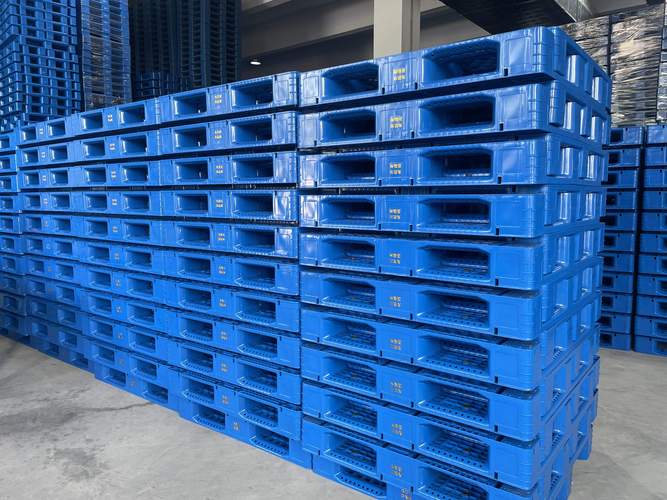

In modern logistics and supply chain management, efficiency is the key to reducing costs and improving operational performance. One of the simplest yet most effective ways to achieve this is by choosing the right pallets. Lightweight plastic pallets have emerged as an essential tool for businesses looking to optimize transportation, reduce shipping costs, and maintain high standards of durability and safety.
Why Lightweight Plastic Pallets Matter
Transportation costs are a significant portion of overall logistics expenses. Pallets contribute to the total weight of shipped goods, directly affecting freight charges, fuel consumption, and carbon emissions. Lightweight plastic pallets offer an ideal solution by combining reduced weight with the strength necessary to handle heavy loads safely.
Key Advantages:
-
Lower Freight Costs
Because lightweight plastic pallets weigh significantly less than traditional wooden or metal pallets, shipping costs are reduced. This is particularly valuable for businesses that export goods internationally or frequently move large volumes of products. -
Ease of Handling
Lighter pallets are easier for warehouse staff to handle, load, and unload. This reduces labor fatigue, minimizes the risk of injury, and increases operational efficiency in busy logistics environments. -
Environmental Benefits
Using lightweight pallets contributes to fuel savings during transportation, reducing carbon emissions and promoting a more sustainable supply chain. Many lightweight plastic pallets are also made from recycled materials, further enhancing environmental friendliness.
Applications of Lightweight Plastic Pallets
Lightweight plastic pallets are versatile and suitable for a wide range of transportation and storage applications. Some common uses include:
- International Shipping – Lighter pallets help reduce air and sea freight costs.
- E-commerce Fulfillment – Quick handling and easy movement between warehouses.
- Retail Distribution – Efficient pallet movement for high-volume stores.
- Food and Beverage Transport – Hygienic, easy-to-clean pallets that comply with health standards.
Types of Lightweight Plastic Pallets
Plastic pallets come in various designs, allowing businesses to select options that meet both weight and strength requirements:
1. Grid Deck Pallets
Grid or ventilated pallets are lighter due to their open structure, which allows air circulation while maintaining load stability. They are ideal for perishable goods or products that require airflow.
2. Nestable Pallets
Nestable pallets are designed to fit inside one another when empty, reducing storage space and further decreasing transportation costs. These pallets are lightweight, durable, and space-efficient.
3. Stackable Pallets
Stackable pallets maintain stability under heavy loads while being lighter than comparable wooden alternatives. They are suitable for warehouses and distribution centers that require stacking efficiency.
4. Custom Lightweight Pallets
For specialized logistics needs, pallets can be custom-designed to balance weight reduction with load-bearing capacity. Custom pallets ensure safe handling of delicate or unusually sized cargo.
Advantages of Lightweight Plastic Pallets in Transportation
1. Cost Efficiency
The primary advantage of lightweight plastic pallets is cost savings. Lower weight reduces shipping fees, fuel consumption, and handling time, leading to a more efficient and economical logistics operation.
2. Durability and Reusability
Despite their reduced weight, high-quality plastic pallets are engineered for strength and longevity. They resist cracking, warping, and moisture damage, making them suitable for repeated use over long distances.
3. Hygiene and Safety
Plastic pallets are easy to clean, moisture-resistant, and free from nails or splinters, ensuring both cargo and worker safety. Lightweight pallets enhance safety further by being easier to lift and maneuver.
4. Operational Efficiency
Lightweight pallets facilitate faster loading and unloading, reduce strain on employees, and improve warehouse workflow. They are also compatible with forklifts, pallet jacks, and conveyor systems, supporting modern automated logistics solutions.
5. Environmental Responsibility
Reduced pallet weight lowers transportation fuel usage, contributing to a greener supply chain. Additionally, many plastic pallets are recyclable, supporting sustainable business practices.
Choosing the Right Lightweight Plastic Pallet
When selecting lightweight plastic pallets for efficient transportation, consider the following factors:
- Load Capacity – Ensure the pallet can safely carry your products without bending or breaking.
- Dimensions – Match pallet size to your shipping containers, trucks, or racking systems.
- Durability – Choose high-quality plastic that withstands repeated use and environmental stress.
- Regulatory Compliance – For food, pharmaceutical, or international shipments, ensure pallets meet hygiene and shipping standards.
- Cost vs. Longevity – Evaluate the balance between upfront cost and long-term savings from reusability.
Conclusion
Lightweight plastic pallets are transforming the way businesses manage transportation and logistics. By reducing pallet weight without sacrificing strength, these pallets provide significant cost savings, operational efficiency, and environmental benefits.
For companies looking to optimize their supply chain, lightweight plastic pallets offer a practical and strategic solution. They not only streamline the movement of goods but also enhance safety, sustainability, and overall performance across global logistics operations.
Investing in the right lightweight plastic pallets is a smart decision for any business focused on efficient, cost-effective, and eco-friendly transportation solutions.
Article link:https://www.vlefooena.com/lightweight-plastic-pallets-for-efficient-transportation


No reply content