In recent years, the global housing industry has undergone a quiet but powerful transformation. Traditional construction, often slow, expensive, and restricted by location, is being challenged by a new generation of flexible, intelligent, and factory-engineered living spaces. Among the most influential innovations are mobile homes, space-pod houses, and container homes—three product categories that combine mobility, durability, sustainability, and modern aesthetics into one future-proof housing solution.
This new wave of prefabricated living does not simply offer shelter; it represents a lifestyle shift toward freedom, efficiency, and adaptability. As more individuals, families, tourism operators, and commercial developers explore alternatives to traditional architecture, prefabricated homes have moved from niche to mainstream, redefining what a “home” can be.
1. The New Definition of a Home: Mobility, Flexibility, and Efficient Design
The concept of a house used to be inseparable from the idea of permanence. A home was something built once, rooted in one location, often requiring months of construction and heavy investment. Today, mobile housing technology offers a smarter approach: structures that can be manufactured in a controlled factory environment, delivered ready to use, and installed within hours.
Why mobility matters
Modern lifestyles are increasingly dynamic. People relocate for work, travel more frequently, and seek the ability to adapt without sacrificing comfort. Mobile homes and container houses provide:
- Instant deployment without long construction periods
- Efficient land use for temporary or long-term projects
- Low-impact installation, avoiding large foundations or land damage
- Easy relocation when needs change or land leases expire
This flexibility makes mobile housing ideal not only for residential living but also for tourism resorts, worker accommodation, remote job sites, emergency housing, commercial pop-ups, and eco-friendly retreats.
2. Mobile Homes: Redefining Comfort on the Move
Mobile homes have evolved dramatically from simple trailers into fully functional living units engineered for long-term housing. Modern mobile homes focus on comfort, durability, and interior efficiency, providing a residential experience comparable to site-built homes.
Core structural advantages
A well-designed mobile home typically offers:
- High-strength steel structure engineered for long-distance transport
- Thermal insulation systems for stable temperatures across seasons
- Pre-installed electrical and plumbing systems
- Waterproof, wind-resistant, and moisture-resistant construction
- Expandable or modular layout options depending on usage
Interior living comfort
Modern mobile homes emphasize human-centered design. Layouts maximize every inch of space, often featuring:
- Comfortable sleeping quarters
- Compact or full kitchens
- Modern bathrooms
- Storage systems integrated into walls or flooring
- Energy-efficient lighting and ventilation
Some models even incorporate foldable furniture, rooftop terraces, or slide-out rooms to expand living space without increasing transport size.
Common application scenarios
- Temporary or permanent family residences
- Tourist campgrounds and RV parks
- Student or worker housing
- Remote community projects
- Seasonal resorts and camping villages
Mobile homes allow users to enjoy familiar comfort, even in unfamiliar places.
3. Space Pod Houses: Futuristic Architecture That Creates Emotional Value
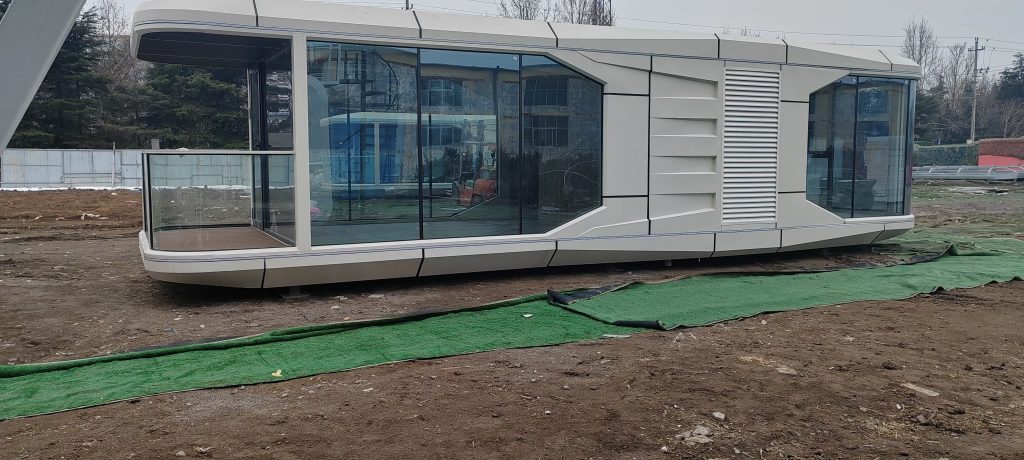
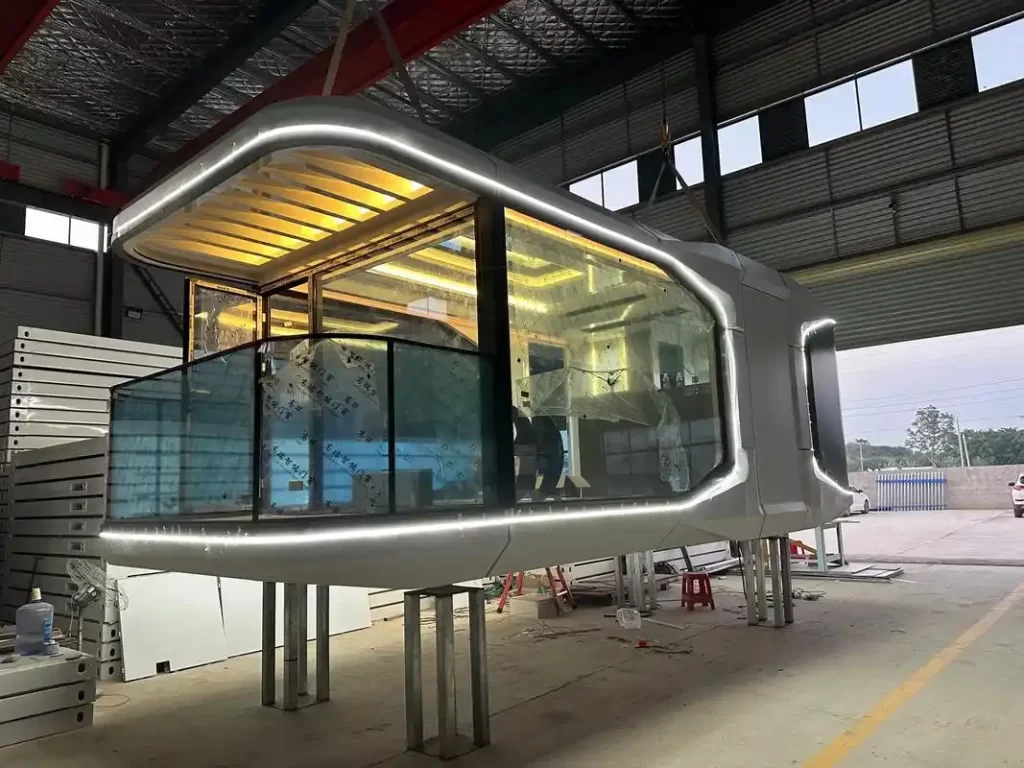
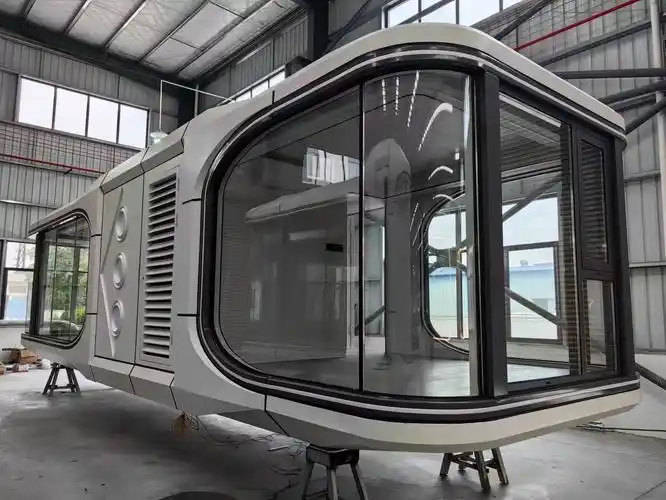
The space-pod house is an emerging trend in the modular housing world. Inspired by spacecraft capsules, natural curves, and minimalistic design, these pod structures create a unique balance of modern aesthetics and functional living.
A design built for the future
Space-pod houses typically feature:
- Smooth aerodynamic curves and rounded edges
- Lightweight yet strong composite shells
- Excellent insulation and environmental protection
- Impressive resistance to wind, UV exposure, and moisture
- A sense of futuristic design that attracts architecture enthusiasts
Their appearance alone differentiates them from standard housing, making them an excellent choice for customers who want visually iconic structures.
Immersive living experience
Though compact, pod houses offer an immersive experience with:
- Large panoramic windows
- Open living layouts
- Minimalist interior design
- Intelligent LED lighting systems
- Optional smart-control systems for climate and lighting
These homes often serve not only as residences but as spaces that offer emotional value—places where people can retreat, relax, and reconnect with nature.
Common uses for pod-style houses
- Boutique resort villas
- Scenic hillside or lakeside accommodations
- Creative studios or private retreats
- Backyard guest rooms
- Tourism pods for glamping parks
The futuristic design allows businesses and private property owners to create a strong visual signature that attracts visitors and enhances brand value.
4. Container Houses: Industrial Strength Meets Modern Comfort
Container houses represent one of the most durable and versatile forms of modular living. Built from reinforced metal structures originally designed for global shipping, container homes offer remarkable strength, long service life, and high adaptability.
Why container structures are so strong
- Built from heavy-duty steel for international transport
- Engineered to withstand stacking, impact, and harsh climates
- Naturally waterproof and corrosion-resistant
- Ideal for remote areas, emergency housing, and long-term commercial use
Once reinforced and redesigned in a factory workshop, containers become functional residential or commercial units with integrated insulation, wall systems, flooring, doors, windows, and utilities.
Highly customizable layouts
Container houses can be configured into:
- Single 20ft or 40ft compact homes
- Multi-unit modular apartment blocks
- Two-story or three-story structures
- Office lounges, reception rooms, or showrooms
- Mixed-use residential and commercial facilities
Because container modules can be stacked and combined, they allow imaginative designs that traditional construction cannot easily achieve.
5. Sustainable Living Through Prefabrication
One of the strongest drivers behind the popularity of mobile, pod, and container homes is sustainability. Factory-built units significantly reduce waste, environmental impact, and construction pollution.
Key sustainability advantages
- Reduced material waste due to controlled production
- Lower energy consumption during construction
- Minimal land disruption because units require smaller foundations
- Recyclable structures, especially for container houses
- Opportunity for solar, rainwater, and off-grid systems
These features make modular homes ideal for customers seeking carbon-conscious solutions or eco-tourism developers building within sensitive natural landscapes.
6. Precision Manufacturing: How Factory Production Improves Quality
Manufacturing mobile homes, pod houses, and container homes inside a factory allows for strict quality control, stable production schedules, and consistent craftsmanship.
Manufacturing advantages
- Advanced cutting, welding, and assembly equipment
- Professional engineering for structure and safety
- Controlled indoor environment free from weather delays
- Repeated quality inspections at each production stage
- Faster production times compared to on-site construction
Because each unit is produced by trained workers following modern standards, the result is a more predictable and reliable home.
7. Comfort, Aesthetics, and Function: A Fully Personalized Experience
Customers today expect more than basic shelter—they want architecture that reflects their personality and lifestyle. Modular homes enable different styles of customization:
Interior options
- Wood-pattern walls, marble-pattern panels, or minimalist finishes
- Modern or traditional furniture packages
- Smart appliances and smart home systems
- Air-conditioning, heating, and ventilation solutions
- Custom bathroom and kitchen layouts
Exterior options
- Flat, curved, or aerodynamic roof designs
- Large windows, sliding doors, or panoramic glass façades
- Customized colors, cladding, and façade materials
- Outdoor terraces and extension modules
The ability to personalize every detail makes modular housing not only functional but emotionally meaningful.
8. Applications Across Industries
Prefabricated mobile housing is now used across a wide range of projects:
Hospitality and tourism
- Resort villas
- Glamping pods
- Mountain retreat cabins
- Beachfront container suites
Residential
- Family homes
- Temporary housing
- Remote-area living
- Affordable housing projects
Commercial and industrial
- Offices and coworking units
- Guard rooms and reception units
- Sales centers and exhibition booths
- Construction site accommodation
Specialized
- Clinics and medical rooms
- Emergency disaster shelters
- Classroom units
- Research base housing
This cross-industry versatility is one of the strongest advantages modular housing offers.
9. The Future of Modular Housing: Design, Technology, and Human Emotion
The future of housing is a combination of engineering, architecture, and human-centered design. Mobile homes, pod houses, and container houses will continue evolving in several ways:
- More intelligent systems for climate control and security
- More energy-independent designs with renewable power
- More aesthetic designs that blend architecture and nature
- More portable homes that support mobile lifestyles
- More sustainable materials for eco-friendly production
As people seek freedom from the limitations of traditional construction, modular housing will become a key pillar in modern living.
Conclusion: A Home That Moves With You
Mobile homes, space-pod houses, and container homes share a common purpose:
to give people the freedom to live wherever life takes them, without sacrificing comfort, safety, or style.
Whether used for tourism resorts, residential living, commercial projects, or creative landscapes, these modern housing solutions offer:
- Mobility
- Strength
- Efficiency
- Comfort
- Sustainability
- Personal design expression
They represent a new era—one where homes are no longer static structures but adaptable, intelligent spaces that grow and move with their owners.
Article link:https://www.vlefooena.com/living-beyond-walls-the-rise-of-modern-mobile-homes-space-pod-houses-and-container-living


No reply content