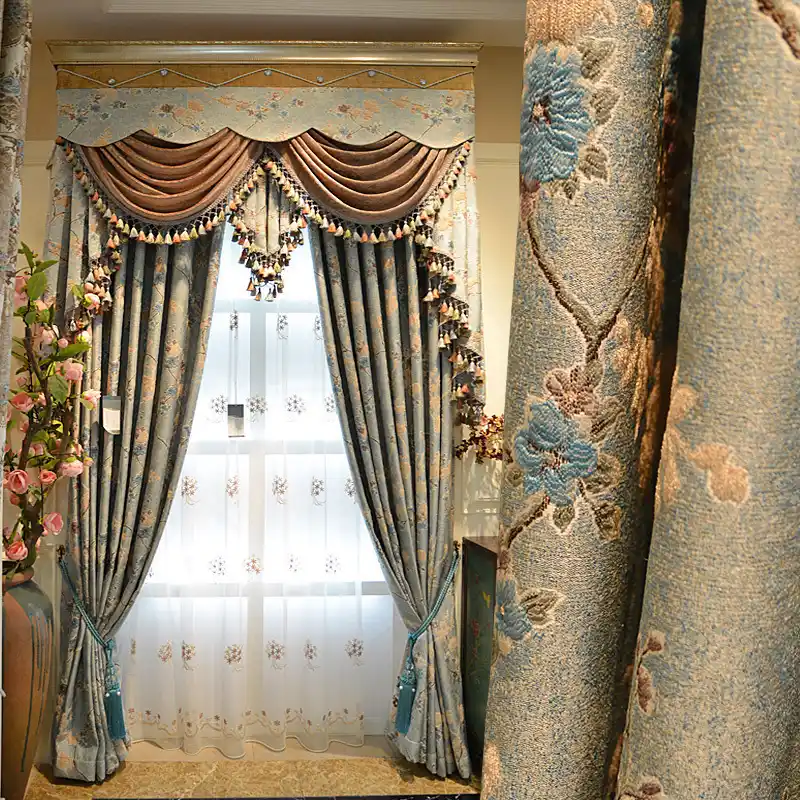
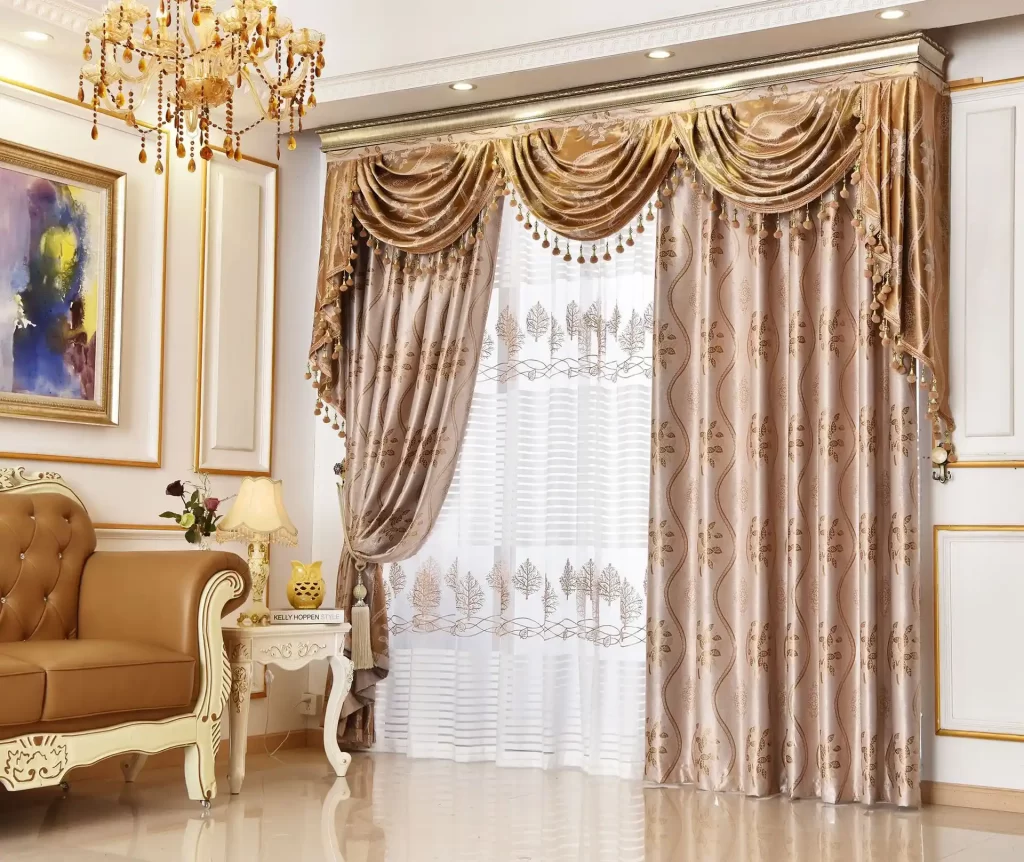
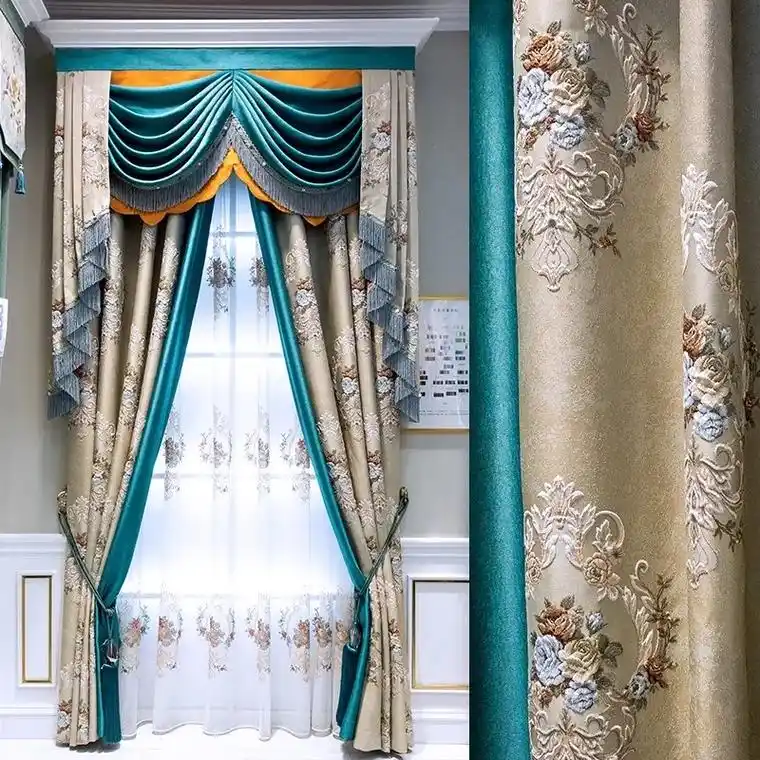
Curtains have evolved from simple window coverings into essential elements of interior design. They balance privacy, light, and style, transforming ordinary rooms into inviting spaces. The process of manufacturing curtains today combines creativity, precision, and innovation — a true reflection of craftsmanship meeting technology.
1. Designing with Purpose
Every curtain begins with a purpose. Some are created to block sunlight, others to soften natural light or enhance energy efficiency. The design process involves studying the space, selecting suitable materials, and matching colors and textures with the room’s overall style. Whether minimalistic or luxurious, the goal is always harmony and comfort.
2. Choosing the Right Fabric
Fabric selection determines not only the look but also the performance of curtains. Different materials serve different needs — some bring warmth, others add softness or luxury.
| Fabric Type | Main Features | Recommended Use |
|---|---|---|
| Velvet | Heavy, elegant, excellent light blocking | Bedrooms, hotels, theaters |
| Linen | Natural, breathable, relaxed texture | Living rooms, dining areas |
| Polyester | Strong, easy-care, affordable | Offices, apartments, schools |
3. Precision Manufacturing Process
After choosing the right fabric, production begins with precision cutting to ensure accuracy. Skilled tailors handle sewing, pleating, and hemming using modern equipment. Every curtain undergoes multiple quality checks — from measurement verification to stitching inspection — to maintain high standards. This balance of machine precision and human craftsmanship ensures lasting durability and beauty.
4. Finishing and Packaging
Finishing touches define the final appearance. Ironing, lining, and attaching accessories such as hooks or eyelets are done with great attention to detail. Curtains are then folded neatly, packaged carefully, and prepared for shipping to homes and projects around the world.
5. Sustainability in Curtain Production
Modern curtain manufacturing is increasingly focused on sustainability. Using eco-friendly dyes, recyclable packaging, and energy-efficient equipment reduces environmental impact while maintaining top quality. Responsible production has become a key part of the industry’s future.
Conclusion
Curtains are more than fabric — they represent comfort, art, and lifestyle. Behind each beautiful drape is a story of design, craftsmanship, and precision. With the right combination of quality materials and skilled manufacturing, curtains bring both elegance and practicality to every space they grace.
Article link:https://www.vlefooena.com/modern-curtain-manufacturing-blending-design-function-and-craftsmanship


No reply content