The way people think about housing is changing. Many individuals, families, and businesses now look for living spaces that are not fixed in one place, not tied to slow construction timelines, and not dependent on traditional building costs. In this evolving landscape, mobile homes, capsule-style space-pod units, and container houses have grown into practical and imaginative solutions. These structures offer new possibilities for comfortable living, flexible site development, and rapid deployment in both urban and remote environments.
As a manufacturer producing these innovative housing units, the process goes beyond simple assembly. It involves a clear understanding of modern lifestyles, environmental considerations, and the technical requirements needed to ensure each structure is safe, durable, and visually appealing. This article explores the concepts, craftsmanship, and applications behind building next-generation modular homes.
1. Rethinking How People Live
Many people no longer expect to live in one place for decades. Job changes, travel interests, and new work patterns such as remote jobs have encouraged flexible housing. At the same time, traditional construction comes with delays, expensive materials, and unpredictable maintenance costs. Modular housing directly answers these challenges.
Mobile homes, space-pod cabins, and container houses bring together several advantages:
- Rapid production
- Relocation flexibility
- Lower installation cost
- Minimal site disruption
- Long-lasting materials
- Aesthetic customization
These benefits make modular architecture attractive to homeowners, tourism operators, farmers, developers, and government projects.
2. Mobile Homes: Designed for Flexibility and Everyday Comfort
Mobile homes represent a lifestyle shift toward freedom, mobility, and simplicity. They combine the essentials of a traditional house with the ability to move when needed.
2.1 Strong Foundations
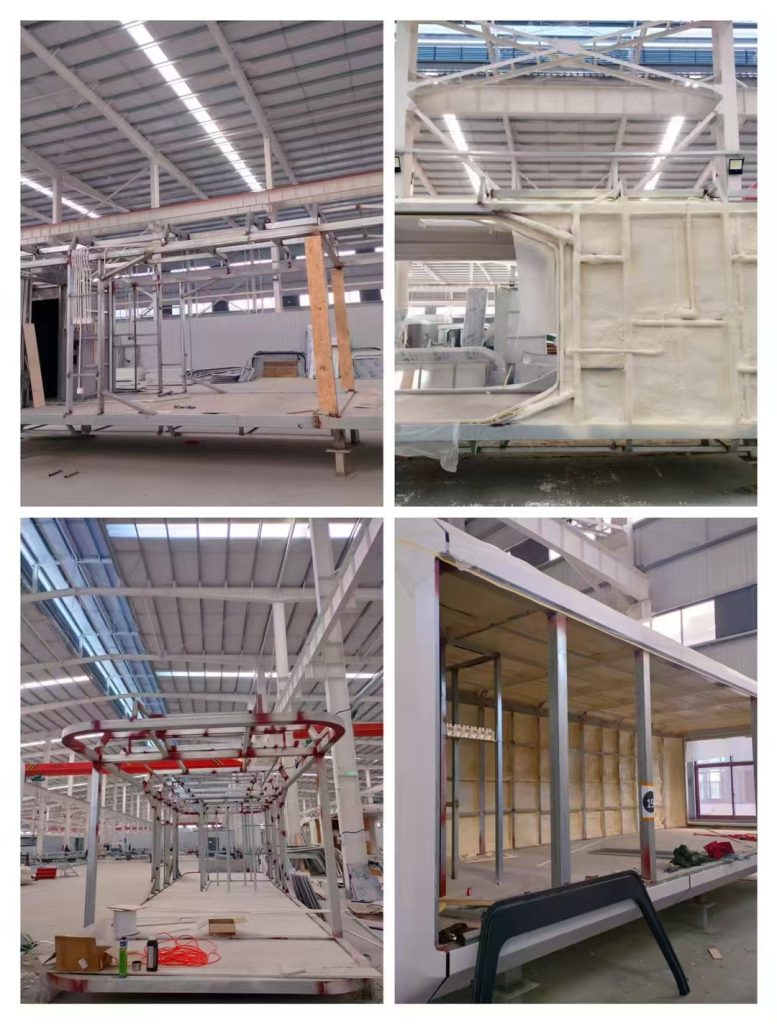
A mobile home begins with a robust steel chassis engineered to handle transportation, ground stability, and long-term use. The frame must resist bending, corrosion, vibration, and climatic stress. The goal is to create a foundation that allows the unit to be transported multiple times without compromise.
2.2 Living Space Made Efficient
Space optimization is one of the greatest strengths of mobile homes. Designers use smart configurations such as:
- Multi-purpose seating and bedding
- Wall-mounted storage
- Compact kitchen modules
- Efficient bathrooms
- Hidden utility systems
These small improvements create a functional and comfortable environment even within limited square meters.
2.3 A Home That Moves With You
Mobile homes serve a wide range of lifestyles:
- Seasonal travelers
- Outdoor adventure families
- Remote workers
- Minimalist homeowners
- Small private resorts
They support both long-term living and short-term accommodation, giving users freedom without sacrificing comfort.
3. Space-Pod Cabins: Futuristic Living in Compact Form
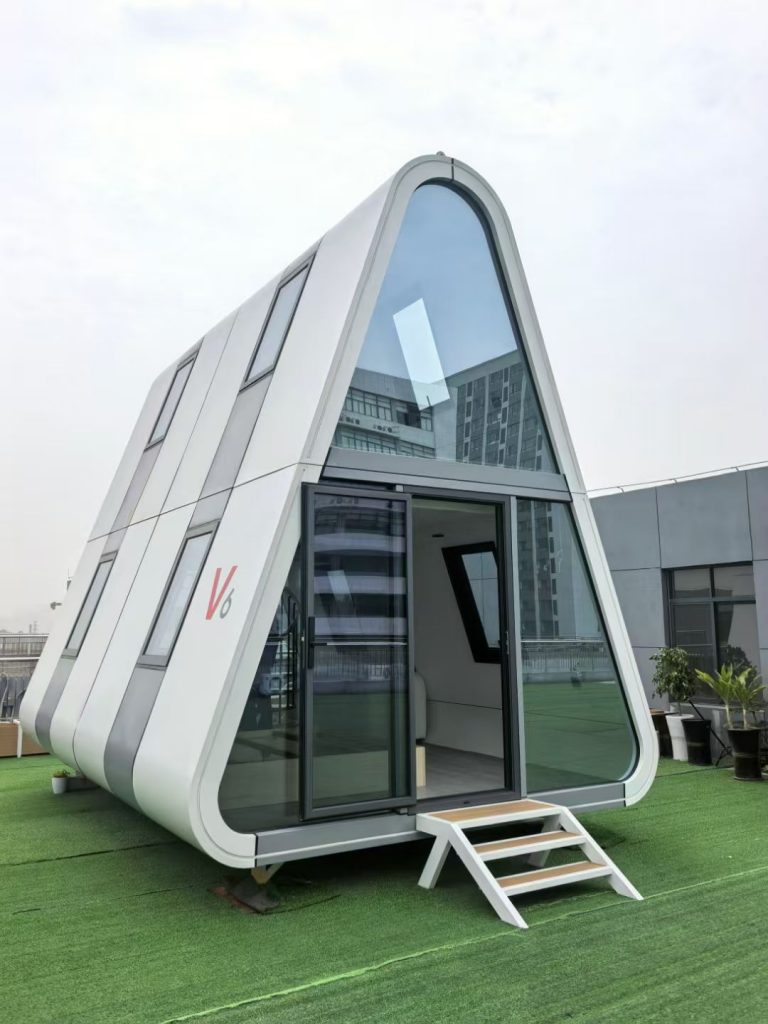
Space-pod homes offer a different kind of experience. Their rounded shapes, modern lines, and futuristic atmosphere create a visual and emotional identity that makes them stand out.
3.1 Unique Exterior Geometry
Unlike rectangular houses, a space-pod uses curved and aerodynamic forms. This shape is not only visually appealing but also functional. It:
- Reduces wind resistance
- Improves insulation performance
- Enhances structural strength
- Gives a modern and elegant appearance
These pods often use composite materials engineered to be lightweight yet durable enough for harsh weather.
3.2 Interior Mood and Design
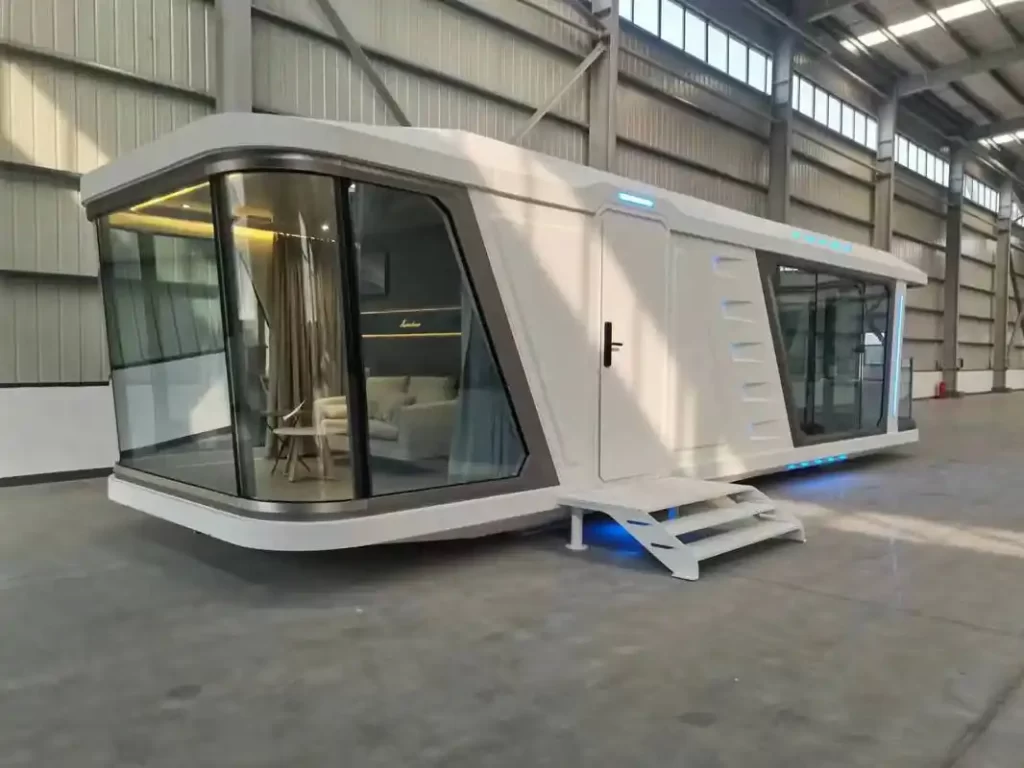
Inside a space-pod, the atmosphere is peaceful and modern. Features may include:
- Ambient LED lighting
- Rounded interior walls
- Minimalist built-in furniture
- Large windows for natural light
- Hidden storage panels
The result feels like a balance between technology and nature.
3.3 A Perfect Fit for Modern Tourism
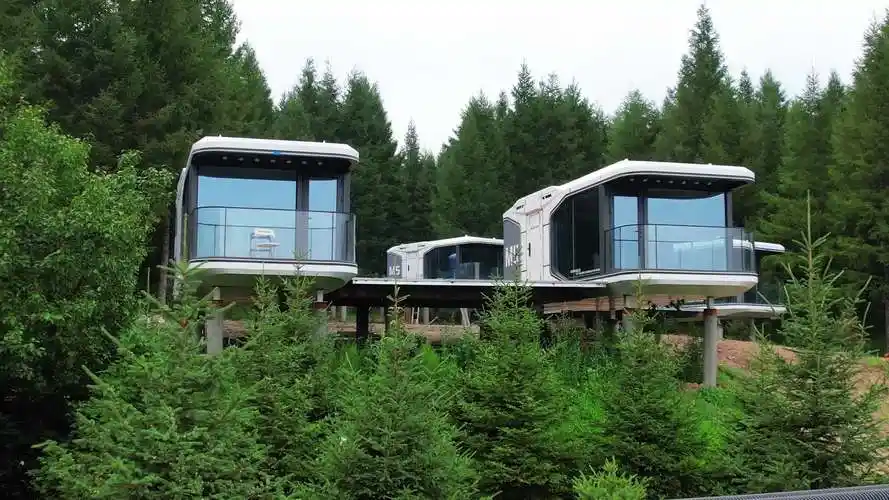
The popularity of space-pod cabins continues to grow in:
- Glamping sites
- Mountain or forest retreats
- Lakeside and beachfront resorts
- Private garden studios
- Scenic-view rental units
The pod shape attracts guests, enhances business aesthetics, and creates a memorable stay.
4. Container Houses: Strong, Adaptable, and Scalable
Container houses are known for their industrial strength and construction flexibility. They offer a solid steel structure that can be adapted into countless layouts for both residential and commercial projects.
4.1 Reinventing the Container
Before becoming a house, each container undergoes a full transformation:
- Surface cleaning and anti-rust treatment
- Reinforced framing
- Custom openings for windows and doors
- Weatherproof and insulated cladding
- Electrical and plumbing integration
This makes the container suitable for safe and comfortable long-term occupancy.
4.2 Flexible Layout Options
Container houses can be personalized to match various needs:
- Compact studio homes
- Multi-container luxury villas
- Two-story or three-story buildings
- Office complexes
- Retail units
- Temporary or semi-permanent site housing
The modular nature allows containers to be stacked or arranged in creative architectural combinations.
4.3 Designed for Tough Conditions
Container houses are popular in areas requiring strong structures, such as construction zones, export project sites, remote islands, and industrial zones. They withstand harsh weather, long transportation routes, and continuous heavy use.
5. The Manufacturing Approach: Thoughtful, Technical, and Client-Oriented
Every modular home, from a compact pod to a multi-unit container building, begins with a detailed production philosophy.
5.1 Understanding Customer Requirements
Different clients require different housing solutions:
- A resort may need eco-friendly cabins with large windows
- A developer may require budget-friendly worker dormitories
- A homeowner may want a small but stylish personal retreat
- A government project may need rapid emergency units
Listening to these requirements shapes the design and engineering approach.
5.2 Combining Craftsmanship and Technology
Manufacturing involves multiple skilled teams:
- Structural engineers
- Welders and metalwork specialists
- Carpenters and interior installers
- Electrical and plumbing technicians
Precision matters in every step—from framing to waterproofing—ensuring the house is safe, stable, and ready for decades of use.
5.3 Smart Housing Features
Modern modular houses often integrate:
- Smart locking systems
- Energy management monitors
- Automated ventilation
- LED lighting control
- Solar system compatibility
These additions enhance comfort and reduce energy consumption.
6. Sustainable Building With Less Environmental Impact
Modular homes contribute to sustainability in several ways.
6.1 Eco-Friendly Production
Building in a factory minimizes construction waste, reduces noise, and protects the surrounding land. Most materials are precisely measured, allowing efficient usage.
6.2 Recyclable Construction Materials
Containers use recycled steel. Mobile homes and pods often use lightweight screens, insulation panels, and composite shells that reduce energy consumption during transport and daily use.
6.3 Off-Grid and Remote Adaptation
Solar power, rainwater systems, and efficient insulation help modular homes operate independently from traditional infrastructure.
7. Broad Use Across Modern Industries
Modular housing units support many environments and industries:
- Tourism – boutique cabins, eco-lodges, glamping units
- Residential living – small homes, accessory dwelling units
- Commercial – offices, coffee kiosks, roadside shops
- Construction and mining – site housing, field offices
- Agriculture – farm accommodations, on-site worker units
- Government – emergency shelters, mobile medical stations
The application possibilities continue to expand each year.
8. Moving Toward the Future of Housing
Modular housing will grow even more advanced. Trends include:
- Thicker and smarter insulation materials
- Stronger weatherproof technologies
- Larger panoramic windows
- Expandable modular sections
- Off-grid, renewable power adoption
- Interiors designed for compact modern lifestyles
As precision manufacturing improves, modular homes will continue to become more attractive than traditional buildings for many users.
Conclusion
Mobile homes, space-pod units, and container houses represent a new generation of living solutions. They combine creative architecture, engineering excellence, and practical functionality. These structures offer mobility, efficiency, and comfort—qualities that matter in today’s fast-moving world.
As people and industries look for affordable, stylish, and flexible housing, modular architecture will remain a key player. With thoughtful design and continued innovation, these homes will help redefine what modern living means.
Article link:https://www.vlefooena.com/modern-living-through-mobile-architecture


No reply content