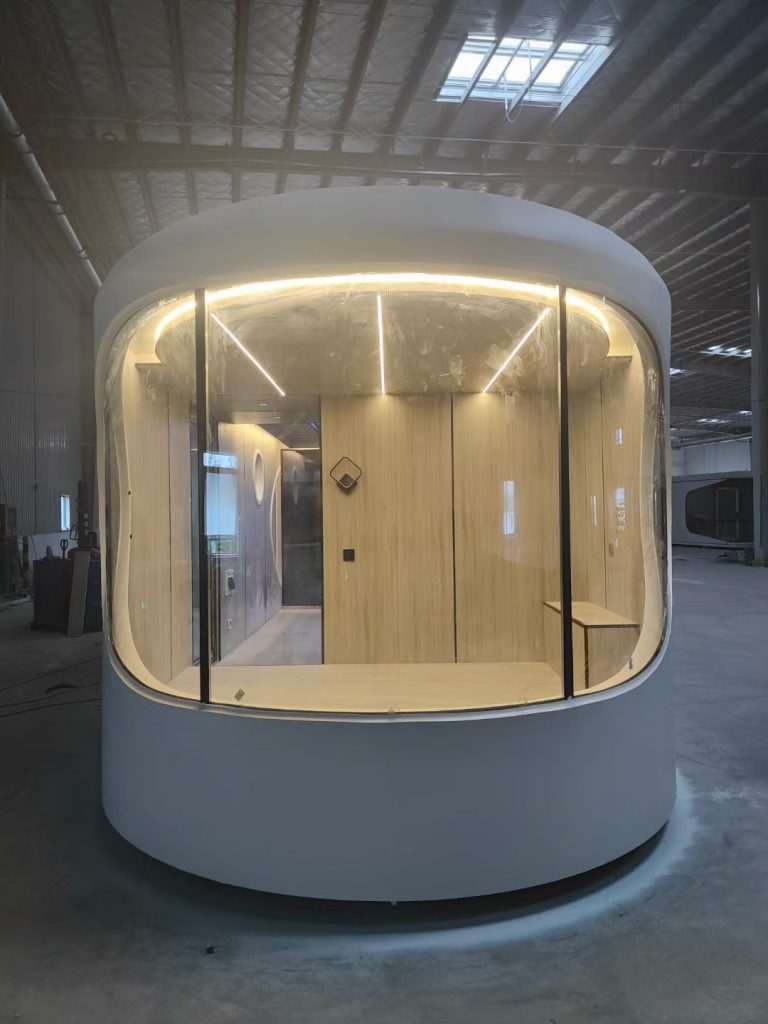
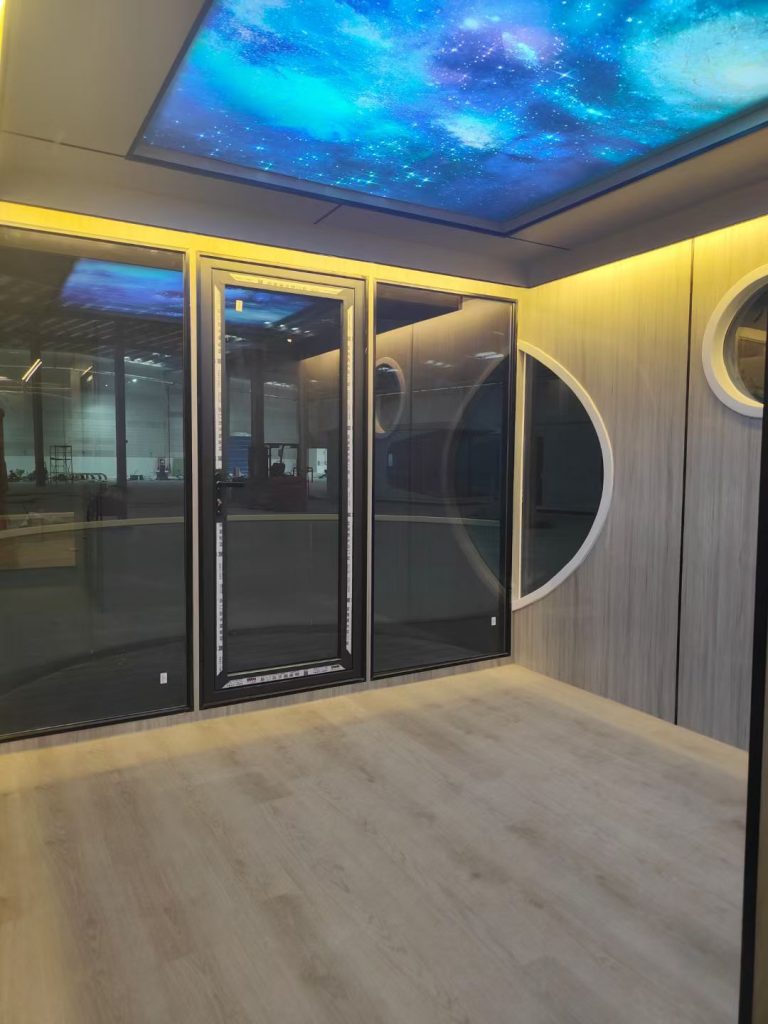
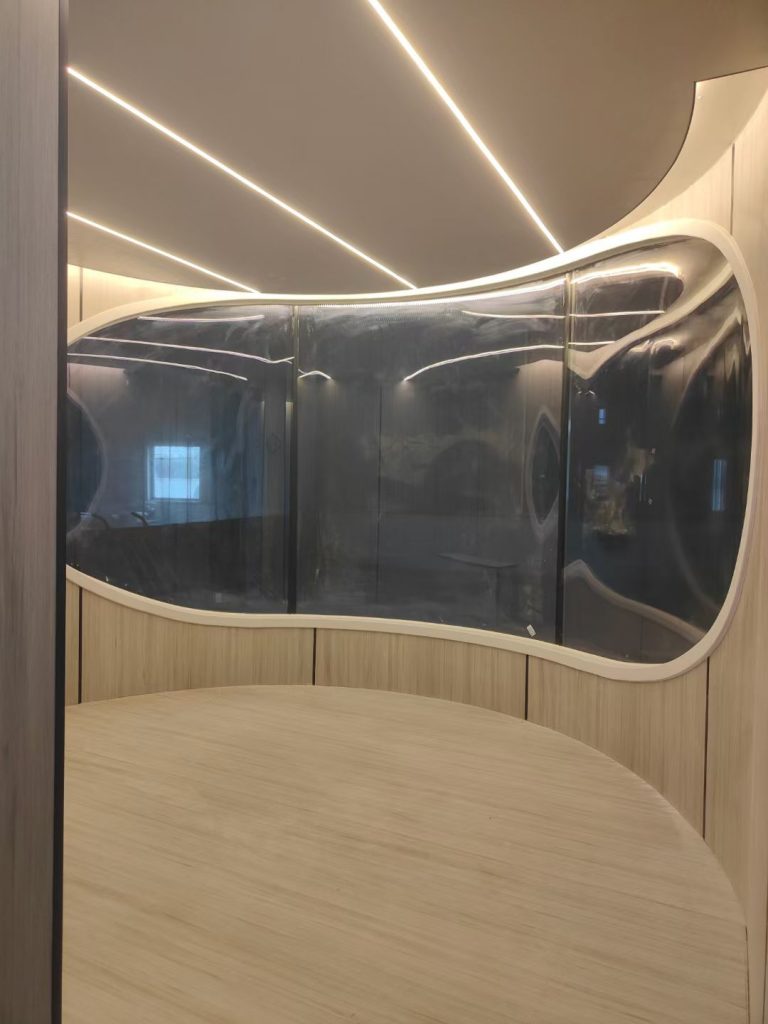
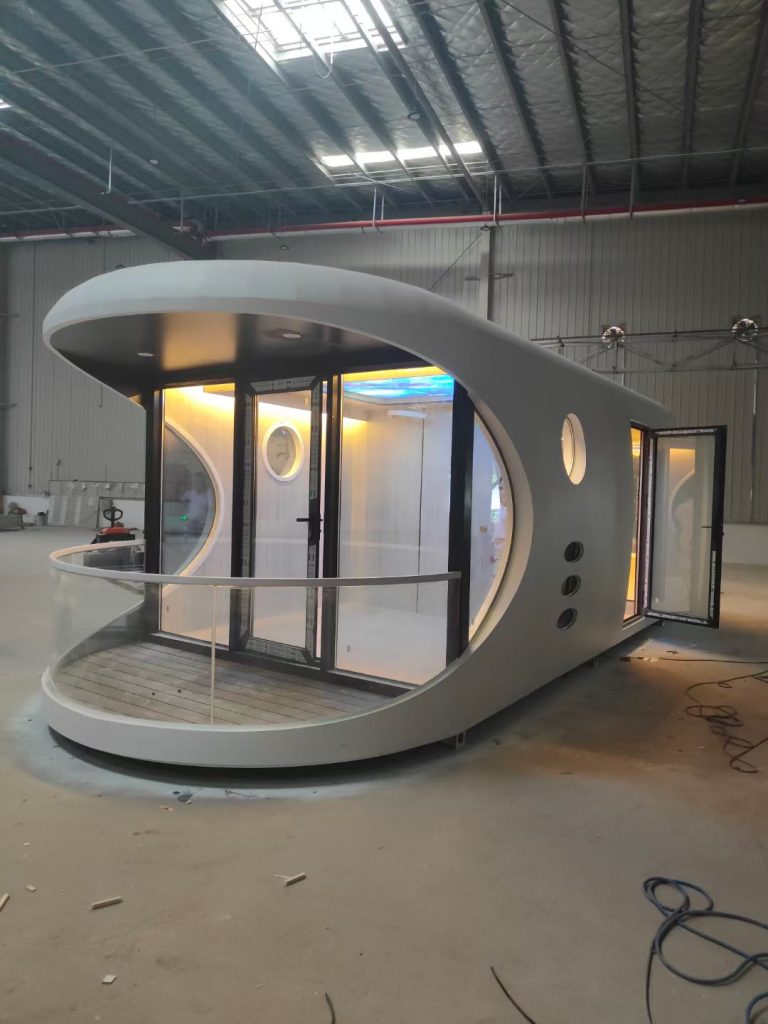
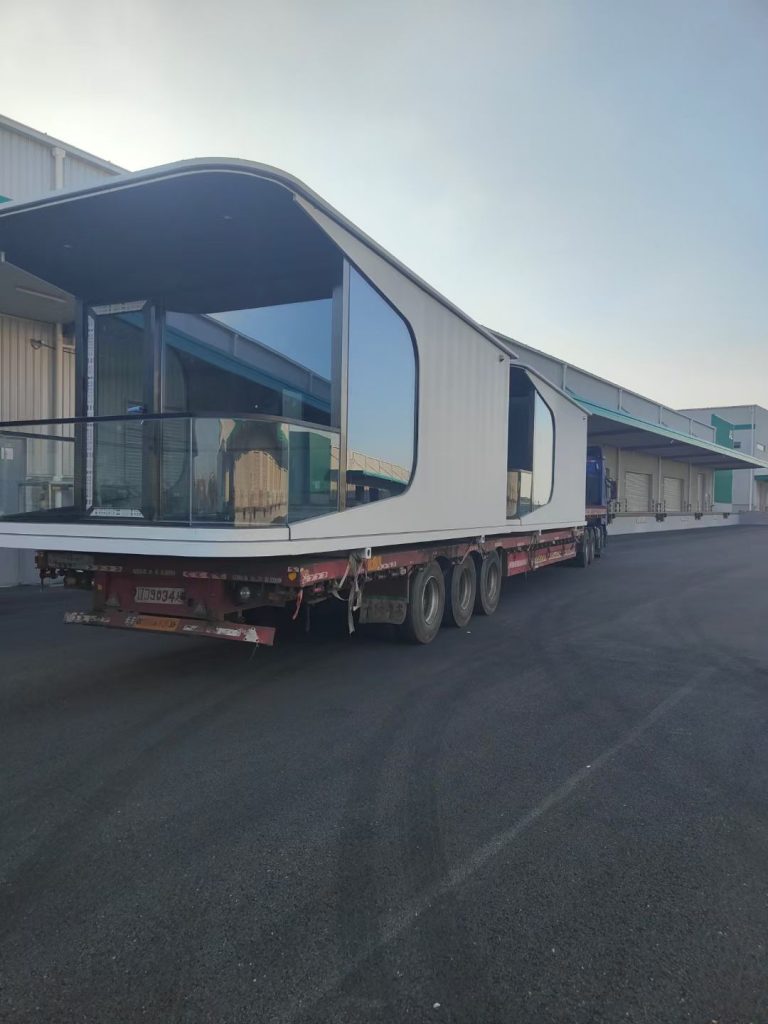
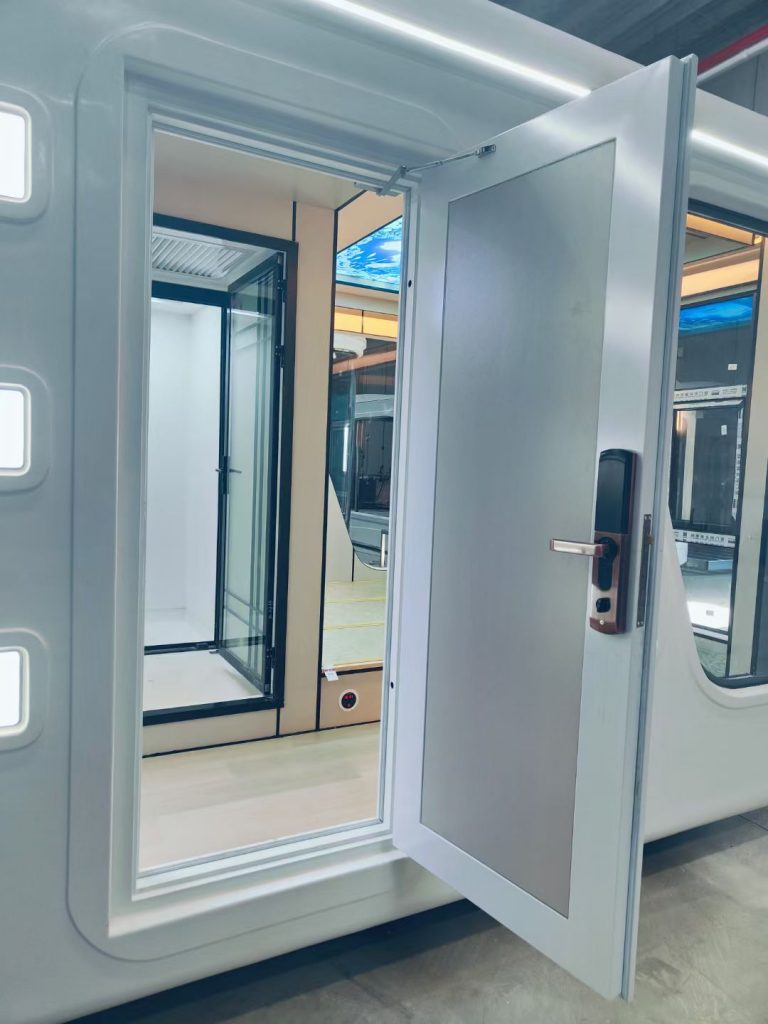
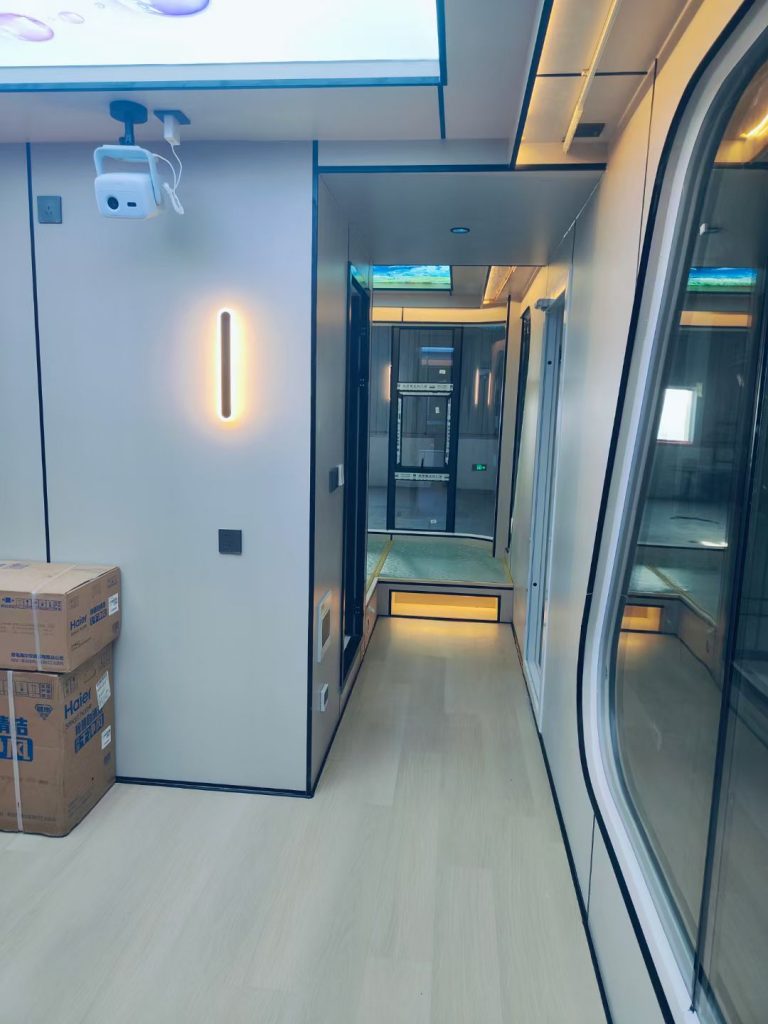
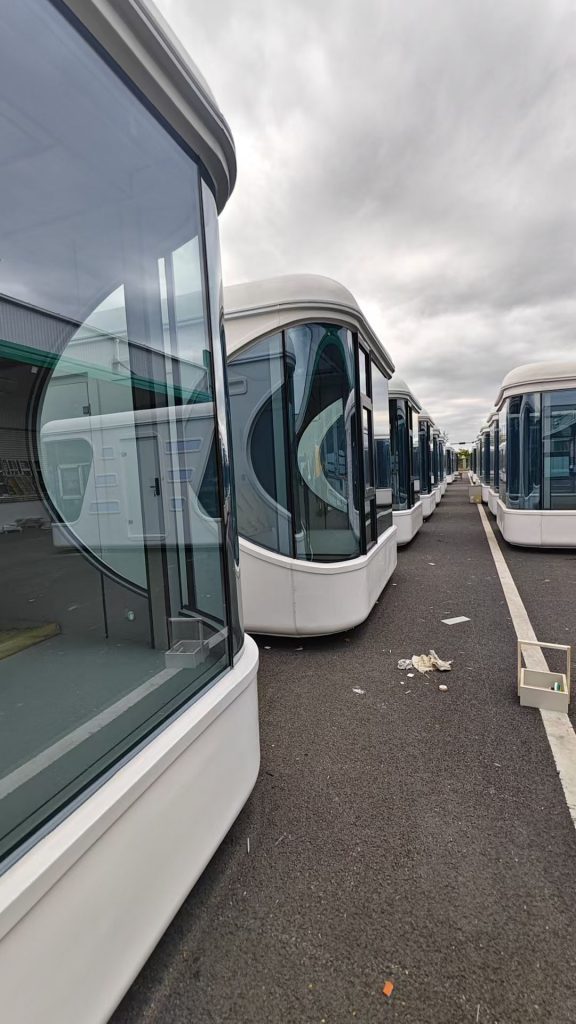
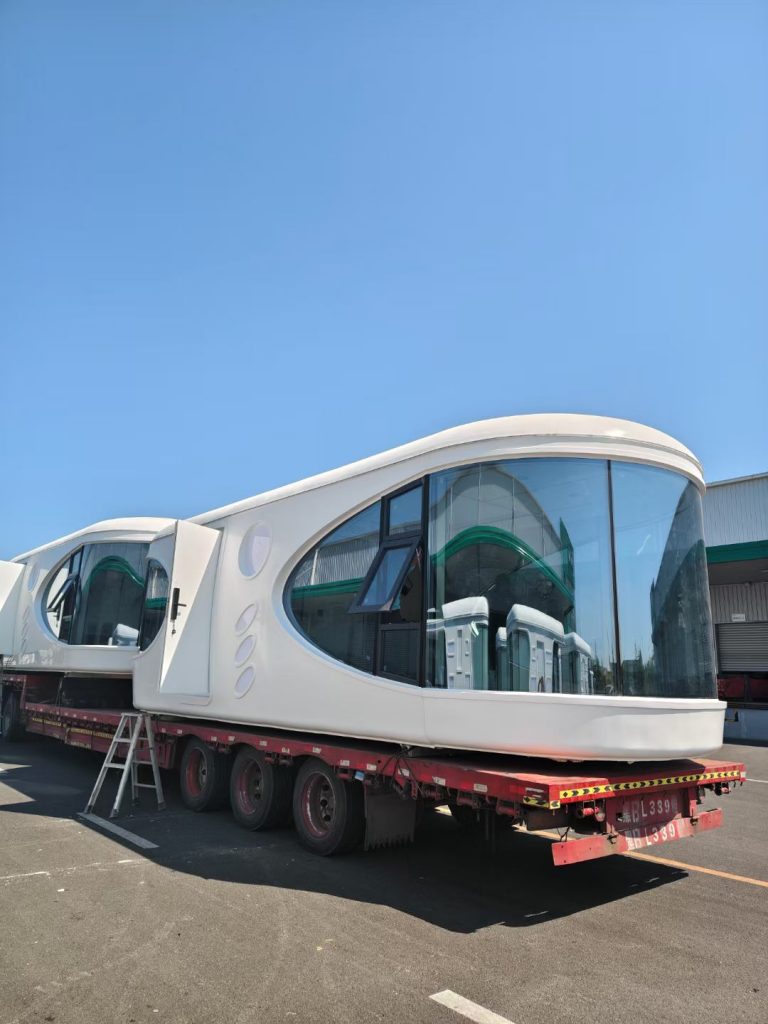


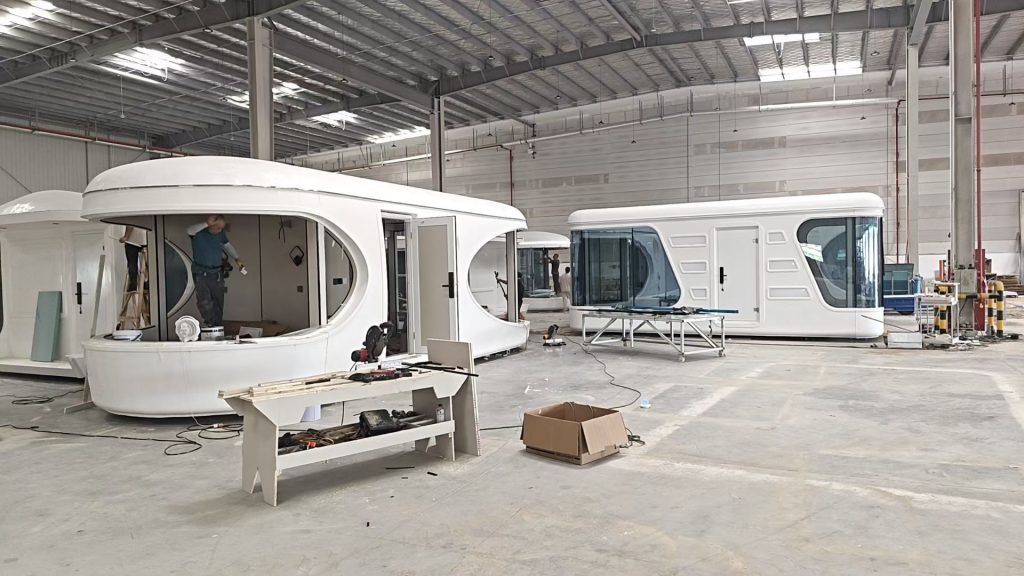
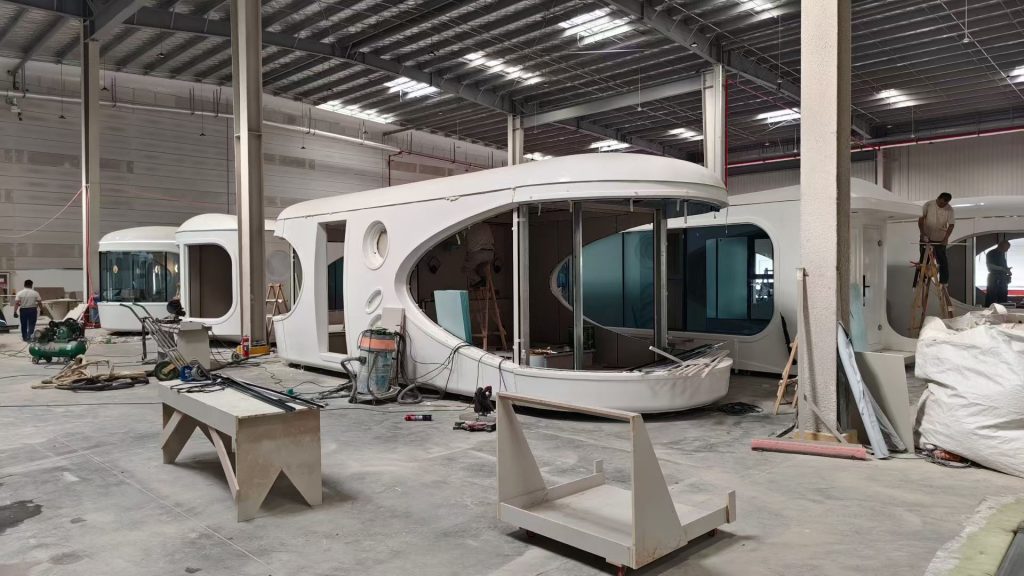
The construction industry is undergoing a paradigm shift driven by the urgent need to address climate change, urbanization, and resource scarcity. Modular construction—a method that reimagines building processes through prefabrication, standardization, and smart technology—has emerged as a transformative solution. By merging sustainability with efficiency, this approach is not only reshaping skylines but also redefining how we conceptualize, design, and deliver infrastructure. This article explores the principles, innovations, and global impact of modular construction, emphasizing its role in creating eco-friendly, high-performance built environments.
1. The Green Revolution in Modular Design
Modular construction’s environmental credentials stem from its ability to minimize waste, conserve resources, and reduce carbon footprints. Unlike traditional methods that generate significant on-site debris, modular systems fabricate components in controlled factories, where material efficiency reaches up to 90%. For instance, a 15-story residential tower constructed using 2,000+ modules reduced construction waste by 75% compared to conventional methods.
Key Innovations:
-
Closed-Loop Material Systems: Factories recycle offcuts and surplus materials, turning scrap metal and timber into new components. A European project demonstrated that modular hospitals achieved a 40% reduction in embodied carbon through recycled steel and low-VOC coatings.
-
Energy-Efficient Integration: Modules incorporate solar panels, rainwater harvesting systems, and passive cooling designs. In Iceland, modular guesthouses with photovoltaic-integrated facades achieved net-zero energy status, offsetting 100% of their operational emissions.
2. Speed and Precision: Redefining Construction Timelines
Modular construction accelerates project delivery by decoupling design, production, and assembly phases. While traditional builds often take years, modular methods compress timelines through parallel workflows.
Case Studies Highlighting Efficiency:
-
High-Rise Housing: A 28-story modular dormitory in Shenzhen, China, comprising 728 modules, was erected in 18 months—a feat that would have required three years using conventional techniques.
-
Disaster Relief: Post-earthquake, Japan deployed modular classrooms within weeks, showcasing the method’s adaptability to urgent needs.
Technology-Driven Precision:
-
BIM Integration: Building Information Modeling (BIM) software enables architects to optimize module layouts for structural integrity and energy performance. Parametric design tools allow customization without sacrificing efficiency, such as creating Arctic-ready modules with reinforced insulation.
-
Robotic Assembly: Automated systems handle repetitive tasks like welding and panel alignment, reducing human error. Robotic arms in Chinese factories complete wall assembly in minutes, a process that once took days.
3. Sustainable Material Innovations
The shift toward eco-conscious materials is central to modular construction’s environmental appeal. Manufacturers prioritize renewable resources and low-impact alternatives:
-
Cross-Laminated Timber (CLT): This lightweight, high-strength material replaces steel and concrete in mid-rise buildings, reducing embodied carbon by 30–40%.
-
Bio-Based Insulation: Hempcrete and mushroom-based composites offer thermal efficiency while decomposing safely at end-of-life.
-
Recycled Steel and Concrete: Factories repurpose industrial waste into structural components, diverting 1.2 billion tons of construction debris from landfills annually.
4. Global Applications and Scalability
Modular units are not confined to urban high-rises; they adapt to diverse needs across industries and geographies.
-
Affordable Housing: Modular apartments in Mumbai address housing shortages by reducing construction time by 40% and costs by 25%.
-
Healthcare Expansion: Mobile clinics with modular surgical units provide critical services in remote regions, such as sub-Saharan Africa.
-
Disaster-Resilient Infrastructure: Typhoon-proof schools in Southeast Asia utilize modular designs to withstand extreme weather, ensuring continuity in education.
5. Overcoming Challenges: Logistics and Perception
Despite its advantages, modular construction faces hurdles in standardization and public perception.
Logistical Solutions:
-
Flat-Pack Shipping: Collapsible modules reduce transport volume by 60%, enabling cost-effective global delivery.
-
Regional Customization: Factories tailor modules to local regulations, such as fire-resistant coatings for European buildings or seismic joints for Japanese structures.
Changing Narratives:
-
Public Education: Campaigns highlighting modular construction’s safety records (e.g., 30% fewer on-site accidents) counter misconceptions about quality.
-
Certification Programs: Initiatives like BREEAM and LEED now include modular-specific criteria, validating its sustainability claims.
6. The Future of Modular Construction
Emerging technologies promise to further revolutionize the sector:
-
3D-Printed Modules: On-site 3D printing of concrete shells reduces material waste by 70% and enables complex geometries.
-
AI-Optimized Factories: Machine learning algorithms predict material demand and optimize production schedules, cutting energy use by 20%.
-
Circular Economy Integration: Modular buildings designed for disassembly allow components to be reused in new projects, achieving 95% recyclability.
Conclusion
Modular construction is not merely a trend but a necessity in the 21st century. By harmonizing speed, sustainability, and scalability, it addresses the dual imperatives of urban growth and ecological preservation. As technology advances and perceptions evolve, this method will redefine global infrastructure, proving that innovation and responsibility can coexist in the built environment.


No reply content