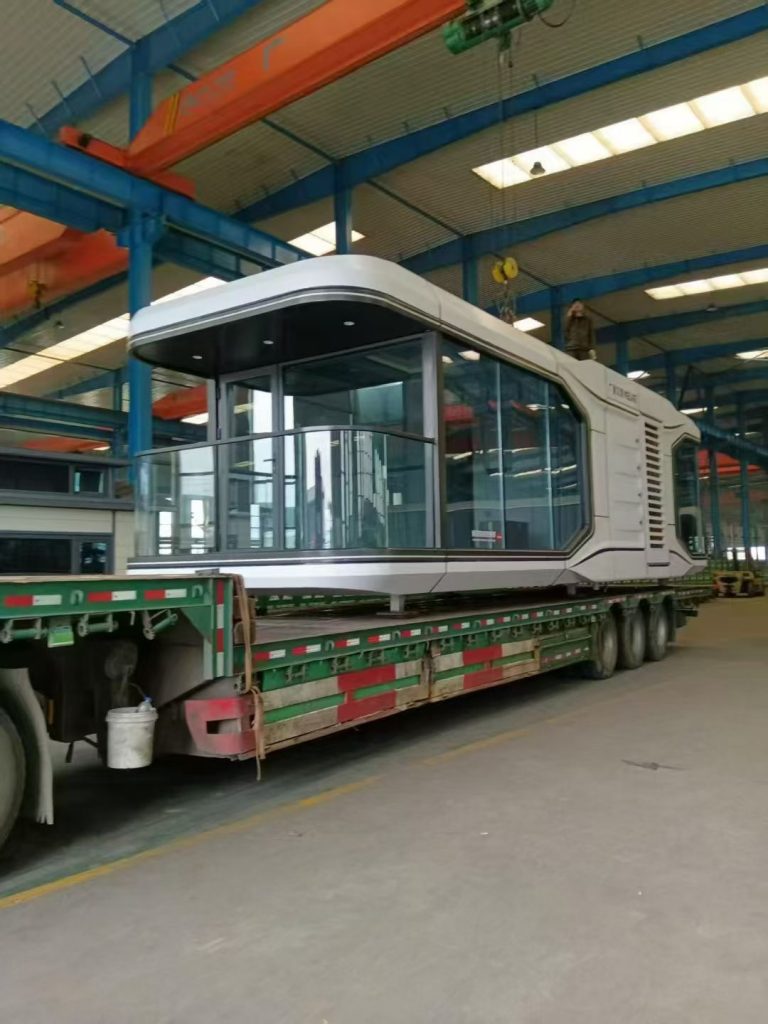
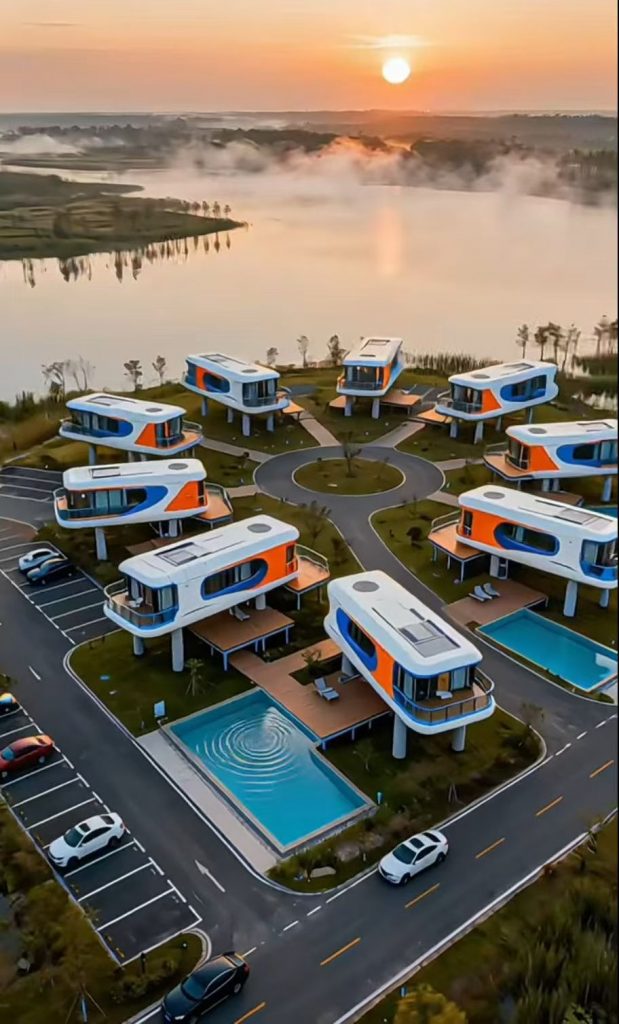
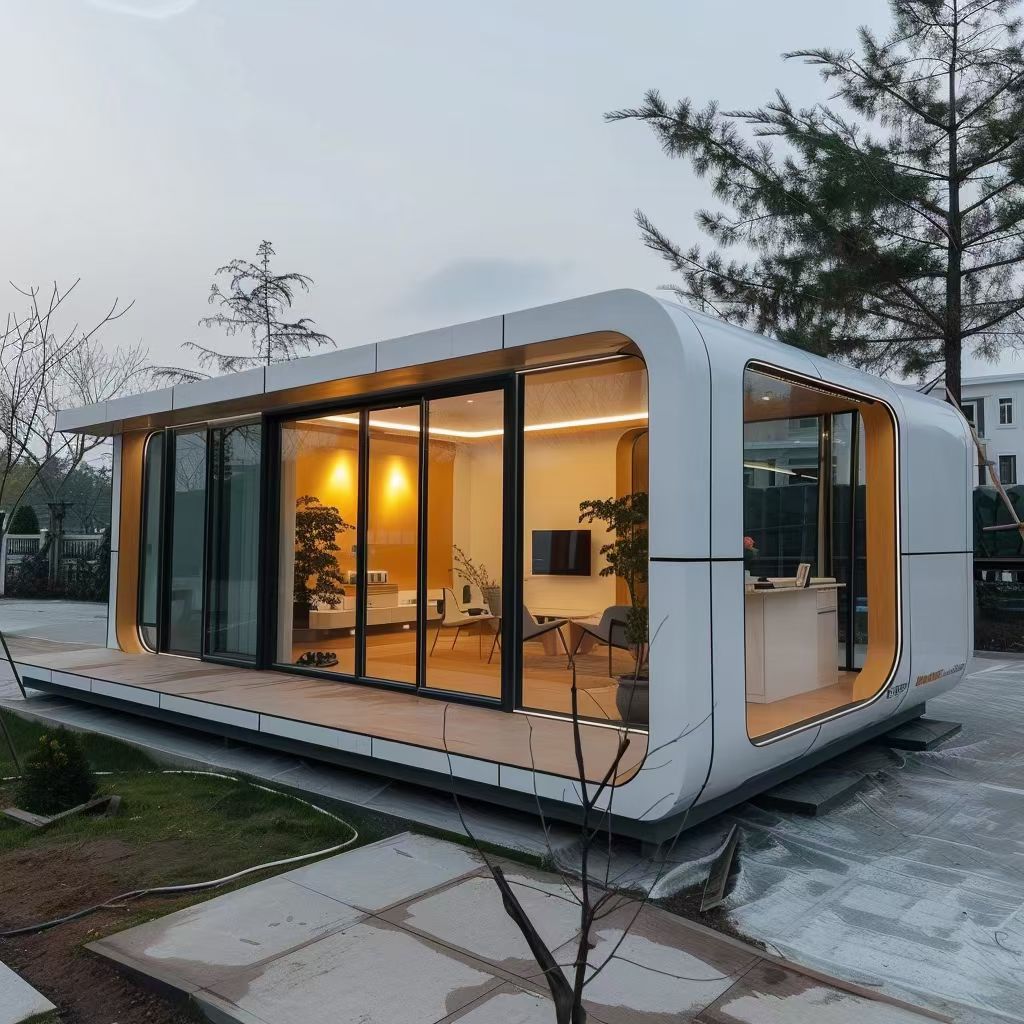
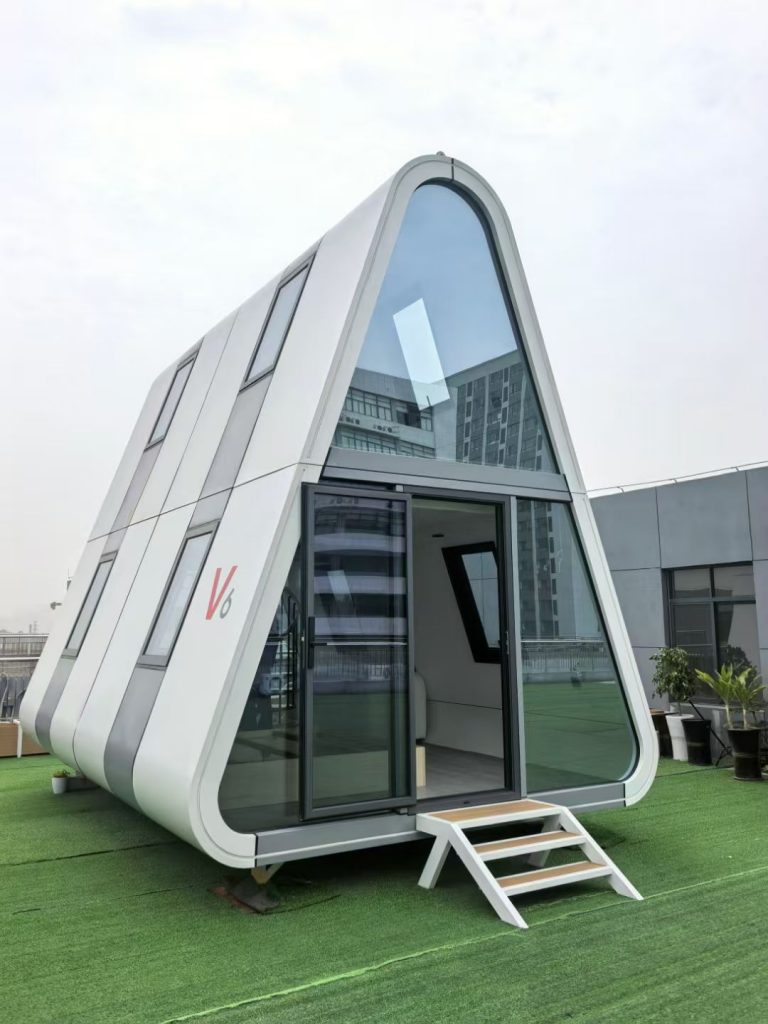
In the 21st century, housing needs are evolving rapidly. People no longer prioritize permanence over flexibility. Increasingly, individuals, businesses, and communities are seeking living spaces that can adapt to shifting environments and lifestyles. Mobile homes, pod-style cabins, and container houses have emerged as a solution that combines efficiency, sustainability, and modern design.
These modular homes are transforming traditional concepts of living by offering portability, durability, and customizable functionality. This article explores how these innovative housing solutions are reshaping modern living.
1. Why Modular Homes Are the Future
Traditional housing requires long construction periods, extensive labor, and significant resources. Modular housing addresses these challenges while meeting contemporary expectations for flexibility and sustainability.
Key Benefits of Modular Homes
- Speed of Construction: Factory production allows homes to be completed faster than conventional methods.
- Mobility: Homes can be relocated or reconfigured as needed.
- Cost Savings: Reduced labor and materials result in lower overall investment.
- Environmental Sustainability: Minimal on-site construction reduces waste and carbon emissions.
- Customizable Designs: Homes can be tailored for personal, commercial, or tourism applications.
Modular homes are not just a temporary solution—they are a long-term, sustainable alternative for modern living.
2. Mobile Homes: Comfort and Flexibility
Mobile homes provide a balance between convenience and comfort. They are ideal for individuals, families, or businesses needing temporary or semi-permanent housing.
Structural Features
- Steel Frame Construction: Offers durability during transportation and long-term use.
- Insulated Panels: Maintain a comfortable interior temperature year-round.
- Weather-Resistant Exterior: Protects against rain, wind, and UV exposure.
- Stabilized Base: Ensures safety on uneven terrain or during temporary placement.
Interior Design
Space efficiency is key in mobile homes. Features typically include:
- Compact bedrooms with smart storage solutions
- Functional bathrooms with space-saving designs
- Fully equipped kitchenettes
- Living and dining areas optimized for comfort and functionality
- Built-in storage integrated into walls, floors, and furniture
Applications
- Tourist accommodations in remote areas
- Seasonal or weekend homes
- Worker housing for industrial or construction sites
- Emergency shelters for disaster relief
- Countryside retreats
Modern mobile homes combine practicality with aesthetics, offering a comfortable living experience in any location.
3. Pod-Style Houses: Futuristic and Innovative
Pod houses are inspired by futuristic architecture and designed for compact living. Their unique shapes, smart interiors, and efficient use of space make them ideal for creative, commercial, or residential projects.
Key Features
- Rounded Shells: Provide a sleek, futuristic look while enhancing structural integrity.
- Composite Materials: Lightweight, strong, and weather-resistant.
- Panoramic Windows: Maximize natural light and provide scenic views.
- Built-In Multi-Functional Furniture: Saves space and enhances usability.
- Optional Smart Systems: Include climate control, lighting automation, and security features.
Applications
- Boutique resorts and eco-tourism parks
- Glamping and vacation retreats
- Backyard guest rooms or studios
- Creative workspaces for freelancers and remote teams
- Off-grid living solutions
Pod houses offer not just shelter, but a modern lifestyle experience that connects occupants with nature and design innovation.
4. Container Houses: Strength and Versatility
Container homes are highly durable, scalable, and adaptable. Originally intended for cargo transport, shipping containers have been re-engineered into comfortable living spaces.
Structural Advantages
- Strong steel frames ensure long-term stability
- Stackable and modular, suitable for multi-level buildings
- Quick assembly and easy relocation
- Insulated walls for energy efficiency
- Flexible layouts for residential, commercial, or mixed-use purposes
Interior Features
- Functional kitchens and bathrooms
- Comfortable sleeping areas
- Built-in furniture for space optimization
- Optional integration with smart home systems
Applications
- Worker dormitories
- Field offices or temporary commercial units
- Student housing
- Emergency or medical shelters
- Retail pop-ups
Container houses combine industrial strength with modern living standards, providing practical and versatile solutions.
5. Manufacturing Process and Quality Assurance
High-quality modular homes rely on precise engineering and meticulous production processes.
Production Steps
- Frame Construction: Steel frames are fabricated and treated to prevent corrosion.
- Panel Assembly: Insulated wall and roof panels are installed.
- MEP Integration: Mechanical, electrical, and plumbing systems are embedded.
- Interior Fit-Out: Floors, furniture, and fixtures are installed.
- Exterior Finishing: Weatherproofing and protective coatings applied.
- Quality Testing: Each unit undergoes inspections for safety, durability, and functionality.
This ensures that modular homes meet high standards for both short-term and long-term use.
6. Environmental and Economic Benefits
Modular housing provides advantages for both the environment and investors.
Environmental Advantages
- Reduced construction waste
- Minimal site disruption
- Use of recyclable and sustainable materials
- Integration with renewable energy systems
Economic Advantages
- Reduced labor costs
- Faster deployment and ROI
- Flexibility for relocation or resale
- Long-term durability reducing maintenance costs
These benefits make modular homes a practical and forward-thinking investment.
7. Customization Options
Modular homes are highly customizable to meet specific needs. Clients can select:
- Exterior finishes and colors
- Window shapes and layouts
- Interior configurations and furniture
- Smart home technologies
- Energy efficiency features
- Outdoor additions like decks or terraces
Customization ensures that every home meets the functional and aesthetic expectations of its users.
8. The Future of Modular Housing
The modular housing industry is evolving with new technologies and materials. Emerging trends include:
- Lightweight, durable composite materials
- Expandable and foldable modules
- Integrated renewable energy solutions
- Smart home automation
- Climate-adaptive materials
- Innovative, multifunctional interiors
As modular housing continues to develop, it will provide increasingly versatile, sustainable, and technologically advanced living solutions.
Conclusion
Mobile homes, pod houses, and container houses are redefining modern living. They offer flexibility, durability, sustainability, and modern design, making them suitable for residential, commercial, and tourism applications.
By embracing modular construction, manufacturers and developers can deliver housing that is efficient, adaptable, and prepared for the future, providing comfort and practicality in a rapidly changing world.
Article link:https://www.vlefooena.com/modular-living-redefining-homes-with-mobility-and-innovation


No reply content