As urbanization accelerates and environmental awareness grows, traditional housing often struggles to meet the demands of modern life. Rising property prices, limited urban space, and the need for flexible living arrangements have driven a surge in interest in alternative housing solutions. Among these, mobile homes, space pods, and container houses have emerged as leaders in innovation, combining efficiency, sustainability, and modern design. This article provides an in-depth exploration of these modular housing solutions, their materials, construction methods, and applications across various contexts.
1. Mobile Homes: Freedom and Comfort in Motion
Mobile homes have come a long way from their origins as simple trailers. Today’s mobile homes combine functionality, comfort, and aesthetic appeal while remaining fully transportable. Designed for both temporary and long-term living, modern mobile homes often include:
- Fully equipped kitchens and bathrooms
- Open-plan living areas with multifunctional furniture
- Energy-efficient HVAC systems and insulation
- Integrated smart home technologies
Materials and Construction: Modern mobile homes typically use lightweight steel or aluminum frames combined with composite panels or high-density plywood for walls. Advanced insulation materials, such as polyurethane foam or eco-friendly wool, help maintain stable indoor temperatures. Roofs are often reinforced with weather-resistant coatings to withstand extreme climates.
Applications: Mobile homes are widely used for:
- Seasonal housing or vacation retreats
- Temporary offices on construction sites
- Affordable long-term housing for individuals or families
- Remote work and research stations
One of the key advantages is mobility. Mobile homes can be transported and installed quickly, offering unparalleled flexibility. Additionally, customization options allow residents to choose layouts, finishes, and even renewable energy solutions such as solar panels or rainwater collection systems.
2. Space Pods: Compact, Futuristic Living
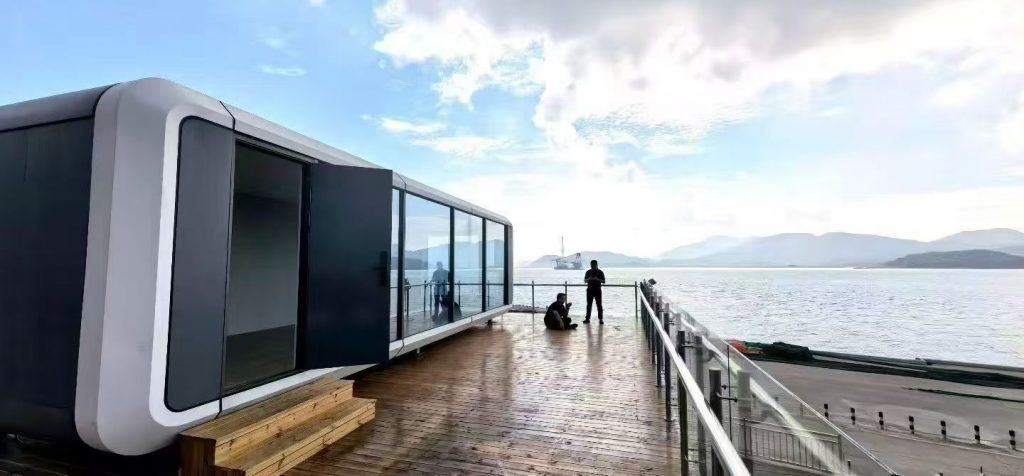
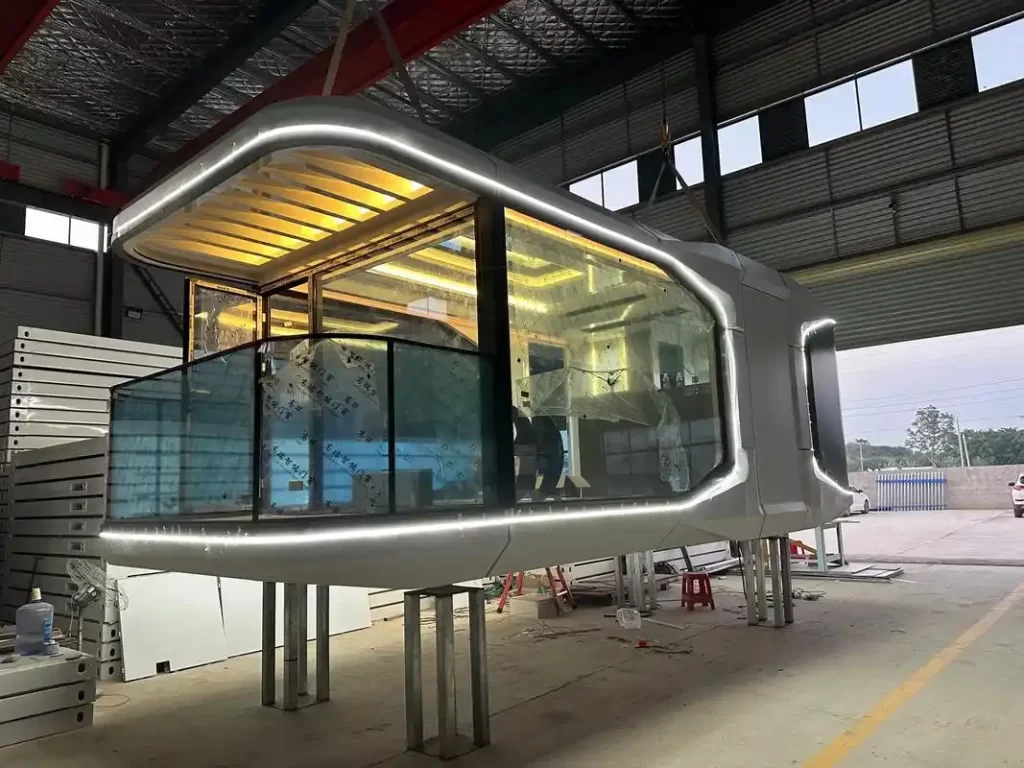
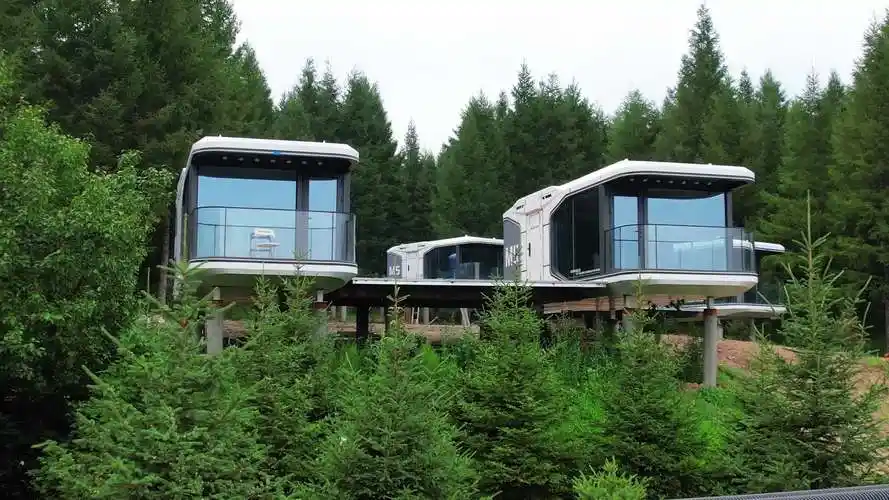
Space pods are a revolutionary concept in micro-living. Inspired by aerospace engineering, they are designed to provide maximum functionality in minimal space. Typically ranging from 10 to 30 square meters, space pods are ideal for urban environments, tourist accommodations, or emergency housing.
Interior Design and Technology: Space pods employ multifunctional furniture, foldable beds, and concealed storage. Climate control, energy-efficient lighting, and smart home automation are integrated to optimize living conditions. Some advanced models include modular units that can be stacked or connected to form larger complexes, maintaining privacy while allowing for community-style arrangements.
Materials and Durability: Space pods are built with lightweight alloys, reinforced polymers, and high-strength composites. These materials ensure durability while minimizing weight for easier transport. Noise and thermal insulation are also optimized, providing comfort comparable to conventional housing.
Applications:
- Urban micro-apartments
- Tourist or festival accommodations
- Temporary emergency shelters
- Remote scientific or exploration stations
The compact size, combined with modular flexibility, allows space pods to adapt to evolving living requirements, making them an excellent solution for contemporary lifestyles.
3. Container Houses: Sustainability Meets Innovation
Container houses have transformed the concept of adaptive reuse in architecture. By repurposing shipping containers, these structures offer cost-effective, eco-friendly, and robust housing solutions.
Construction and Materials: Standard containers are made of Corten steel, which is highly resistant to corrosion and weathering. Interiors are retrofitted with insulation, electrical systems, plumbing, and modern finishes. Multiple containers can be combined horizontally or vertically to create larger homes or commercial spaces.
Design Flexibility: Container houses are highly customizable. They can include:
- Multi-level layouts with staircases
- Rooftop gardens and terraces
- Solar panels and rainwater harvesting systems
- Large windows and skylights for natural light
Applications:
- Affordable urban housing
- Remote or off-grid living
- Emergency and disaster relief shelters
- Pop-up offices and retail spaces
The modularity of container houses allows rapid construction, reducing both cost and environmental impact. Using recycled containers also promotes sustainability by extending the life cycle of industrial materials.
4. Energy Efficiency and Smart Living
Modern modular housing emphasizes energy efficiency and smart technology integration. Common features include:
- Solar panels and battery storage
- Energy-efficient lighting and appliances
- Smart thermostats and climate control
- Water recycling and rainwater collection
- IoT-based monitoring for safety and resource management
These innovations not only reduce operating costs but also support environmentally responsible living, appealing to eco-conscious buyers and government initiatives.
5. Comparative Advantages
Each housing type offers unique advantages:
| Housing Type | Mobility | Space Efficiency | Sustainability | Cost | Ideal Use Cases |
|---|---|---|---|---|---|
| Mobile Homes | High | Medium | Medium | Medium | Temporary or long-term living, vacation homes |
| Space Pods | Medium | High | Medium | Medium | Urban micro-living, tourist pods, emergency shelters |
| Container Houses | Low | High | High | Low | Affordable housing, offices, remote locations, disaster relief |
These housing solutions collectively address modern challenges such as urban overcrowding, affordability, and environmental sustainability.
6. Future Trends
The future of modular living is promising. Key trends include:
- Increased use of sustainable and recycled materials
- Integration of AI and IoT for smart living
- Expansion of modular communities in urban planning
- Adaptation for extreme environments, such as deserts or polar regions
- Prefabricated solutions for post-disaster reconstruction
As society increasingly values flexibility, sustainability, and efficiency, mobile homes, space pods, and container houses will continue to evolve, providing innovative solutions for a wide range of living requirements.
Conclusion
Modular housing solutions—mobile homes, space pods, and container houses—represent a transformative approach to modern living. They combine flexibility, sustainability, and innovative design to meet contemporary challenges. Whether for urban dwellers seeking compact efficiency, families in need of affordable housing, or governments planning emergency shelters, these alternatives offer practical, stylish, and forward-thinking solutions. The rise of modular living reflects a global shift towards adaptable, eco-friendly, and technology-driven housing, making it a cornerstone of the future of residential and commercial architecture.


No reply content