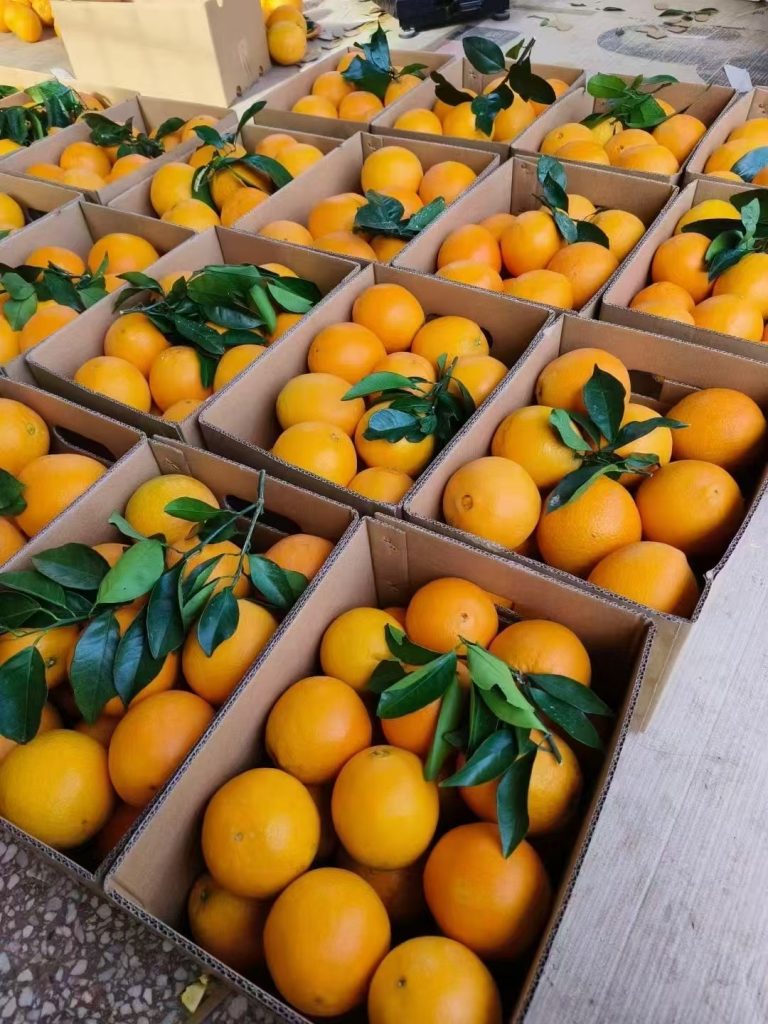
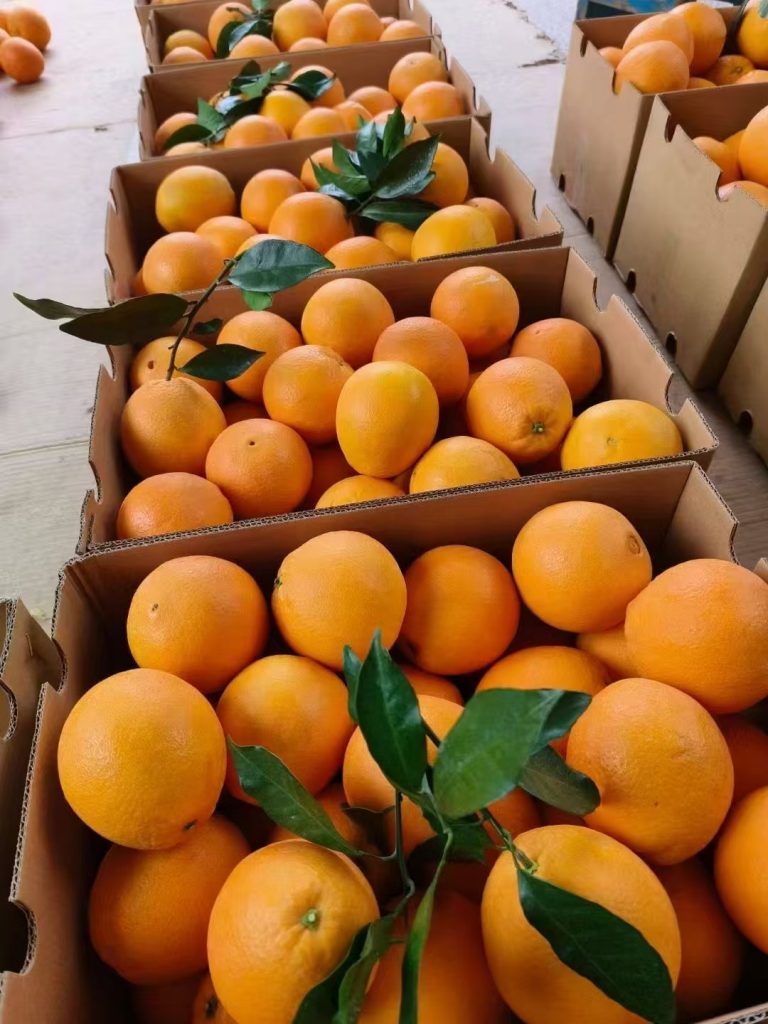
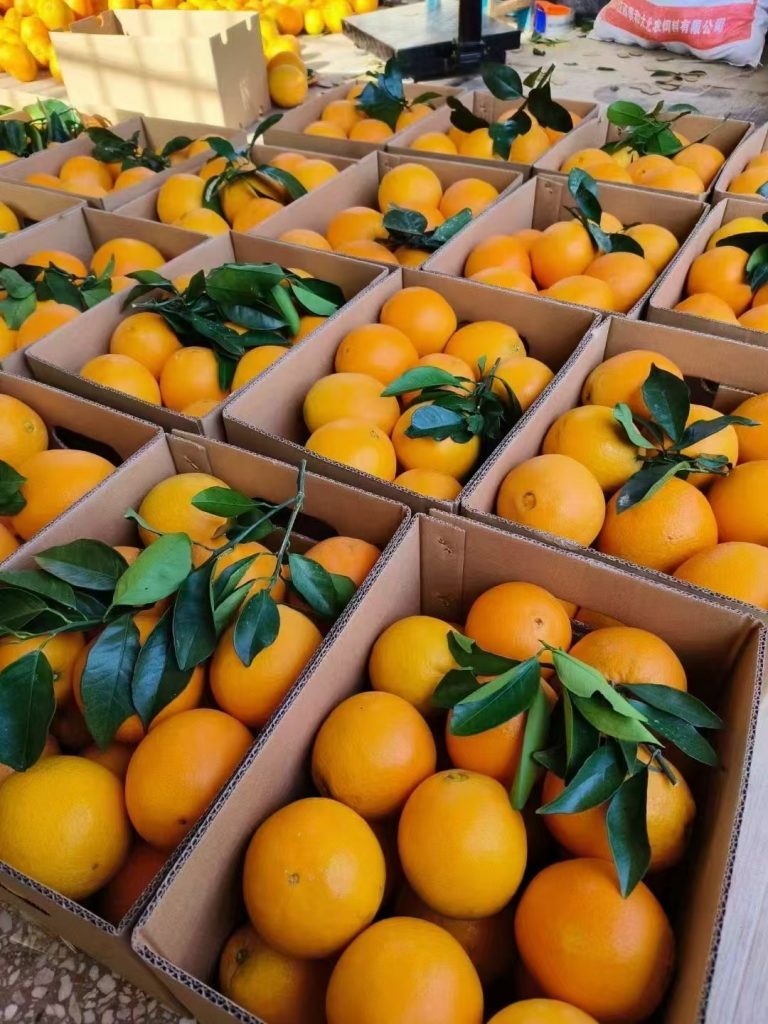
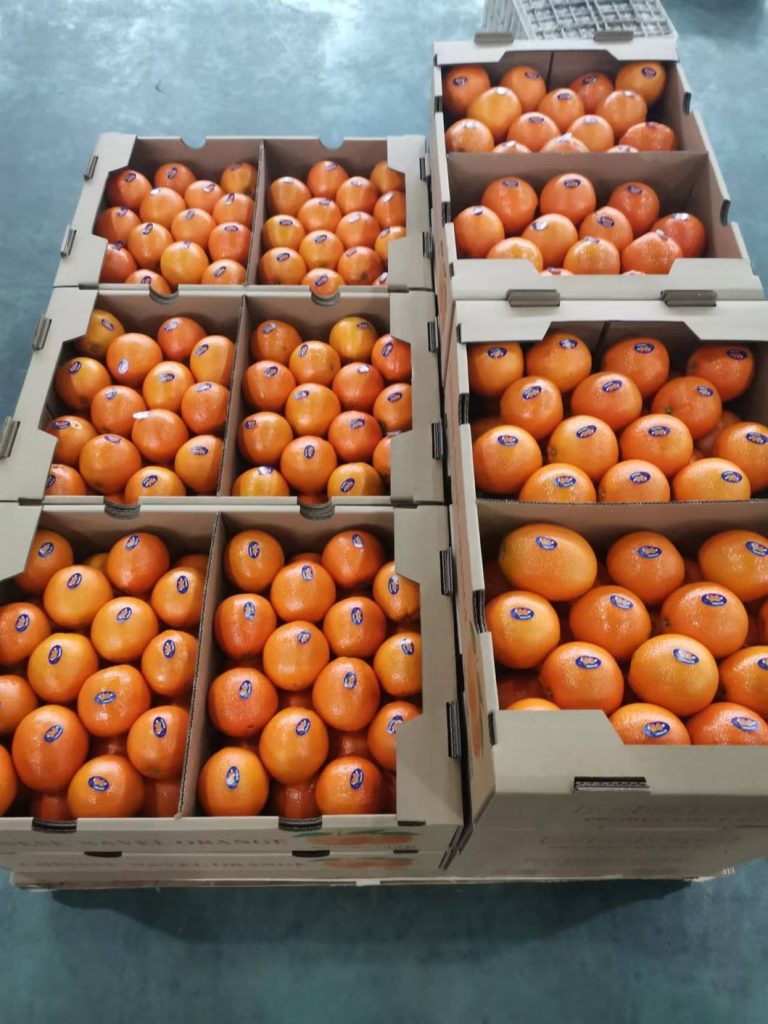
For navel orange growers, 2026 feels like a loop: another season of falling prices, rising costs, and the gnawing question, “How do I keep my farm afloat?” But what if this year’s struggles could fuel your most resilient season yet? This guide—crafted for growers searching “how to profit from navel oranges in a low-price market,” “navel orange farming challenges 2024,” and “boosting navel orange value”—blends cutting-edge research, real farmer wins, and actionable steps to turn adversity into advantage.
The Cold Truth: Why Prices Keep Dropping (and Where Hope Lives)
Let’s start with the hard facts. The 2024 International Citrus Council Report confirms:
-
Global navel orange production hit 14.2 million tons—a 9% spike from 2022—fueled by record yields in Spain, Peru, and California.
-
Meanwhile, demand growth stalled at 3%, creating a 2.1-million-ton surplus that’s crushing wholesale prices.
Market |
2021 Wholesale Price |
2024 Wholesale Price |
Decline |
|---|---|---|---|
U.S. (Florida) |
$1.75/lb |
$1.25/lb |
-28% |
EU (Italy) |
€1.90/lb |
€1.35/lb |
-29% |
Brazil (São Paulo) |
R$6.80/kg |
R$4.90/kg |
-28% |
But here’s the silver lining: consumers are hungry for “meaningful” produce. A 2024 Mintel survey found 81% of global shoppers now prioritize fruits with clear sustainability stories or links to local communities. This demand gap is where you can carve out higher profits—even in a flooded market.
6 Game-Changing Strategies to Maximize Profits
1. Harness AgTech: Cut Costs, Boost Yields
Forget “old-school” farming. Modern tools turn inefficiencies into savings:
-
Drone Scouting: Use drones with multispectral cameras (2,500/year rental) to detect pest outbreaks or nutrient deficiencies early. A Texas farm reduced pesticide use by 40% and saved 1,200/acre.
-
AI Yield Predictions: Platforms like FarmLogs analyze weather, soil, and historical data to forecast yields. This lets you negotiate better prices with buyers by guaranteeing supply.
-
Solar-Powered Micro-Irrigation: Install solar panels (5,000–10,000 upfront) to run drip systems. A California farm cut energy costs by 60% and retained 25% more water in droughts.
2. Target “Unconventional” Buyers: Beyond Supermarkets
Wholesalers aren’t your only option. Tap into niche markets hungry for your fruit:
-
Health Food Brands: Companies like RXBar or Orgain pay premiums for organic, cold-pressed navel orange juice (up to 3.50/lb vs. 1.20/lb wholesale).
-
Luxury Hotels & Restaurants: High-end venues seek “story-driven” ingredients. A Florida farm now supplies 15 hotels with branded “Sunrise Navel Oranges” at $2.80/lb—40% above market rates.
-
School & Corporate Wellness Programs: Partner with local schools or offices for “Fresh Fruit Fridays.” Contracts guarantee steady sales and often include delivery fees.
3. Rebrand as “Climate-Smart”: Certifications = Cash
Climate change is a selling point—if you frame it right:
-
Carbon Neutral Certification: Use cover crops or reduced tillage to offset emissions. A Chilean farm earned “Carbon Neutral” status and charged 2.20/lb vs. 1.50/lb conventional.
-
Drought-Resilient Labeling: Highlight water-saving practices (e.g., “Grown with 50% Less Water”). Shoppers in arid regions (e.g., Arizona, Australia) pay 15% more for this badge.
4. Turn Surplus into “Hero Products”
Don’t dump extra fruit—transform it:
-
Frozen Segments: Partner with smoothie brands or grocery freezers. Frozen navel segments sell for 1.80/lb vs. 1.20/lb fresh.
-
Homemade Preserves Kits: Sell “Grower-Made” kits with your oranges, sugar, and recipe cards. A Washington farm made 12,000/year from these 15 kits.
5. Leverage Government & NGO Support
Many programs exist to buoy farmers:
-
USDA’s Farm Service Agency (FSA): Offers low-interest loans for tech upgrades or storage facilities. A Georgia grower used an FSA loan to buy a CA storage unit, cutting spoilage from 12% to 5%.
-
EU’s Common Agricultural Policy (CAP): Provides grants for sustainable practices. A Spanish farm received €20,000 to install solar irrigation—paying back in 3 seasons.
6. Build a “Tribe” of Loyal Buyers
Repeat customers are your safety net:
-
Subscription Boxes: Offer “Navel Orange of the Month” with farm stories, recipes, and free shipping. A New Zealand farm grew subscriptions to 400 families, generating $80,000/year.
-
Farm Visits & Workshops: Host “Orange Harvest Days” or juicing classes. A Vermont farm earns $5,000/year from tours and doubles direct sales.
Success Story: A South African Farm’s 80% Profit Surge
Groenkloof Citrus, a 75-acre navel orange farm in Limpopo, faced a 20% price drop in 2023. Here’s their playbook:
-
AgTech Adoption: Used drones and AI to cut pest costs by 35% and boost yields by 18%.
-
Luxury Hotel Partnerships: Supplied 10 high-end lodges with branded oranges at $2.90/lb.
-
Subscription Boxes: Launched “Groenkloof Gold” boxes, selling 200/month at $45/box (40% margin).
Result: Net profit jumped from 180,000 to 324,000—an 80% increase despite lower market prices.
Your 2024 Action Plan: Start Today
-
Pick One Tech Tool: Rent a drone or try FarmLogs to cut costs or boost yields.
-
Contact a Niche Buyer: Reach out to a local health brand or hotel—offer samples.
-
Apply for Grants: Check FSA (U.S.), CAP (EU), or local ag agencies for funding.
High-Search Keywords Covered: navel orange farming profitability 2024, how to profit from navel oranges in low markets, boosting navel orange value, navel orange export strategies, sustainable navel orange farming, agtech for citrus growers.
The navel orange market is evolving, and so must you. By leaning into technology, storytelling, and smart partnerships, you’ll not only survive low prices but build a farm that thrives—profitably and purposefully.
Article link:https://www.vlefooena.com/navel-orange-farmers-2026-profit-playbook-turning-low-prices-into-lasting-success


No reply content