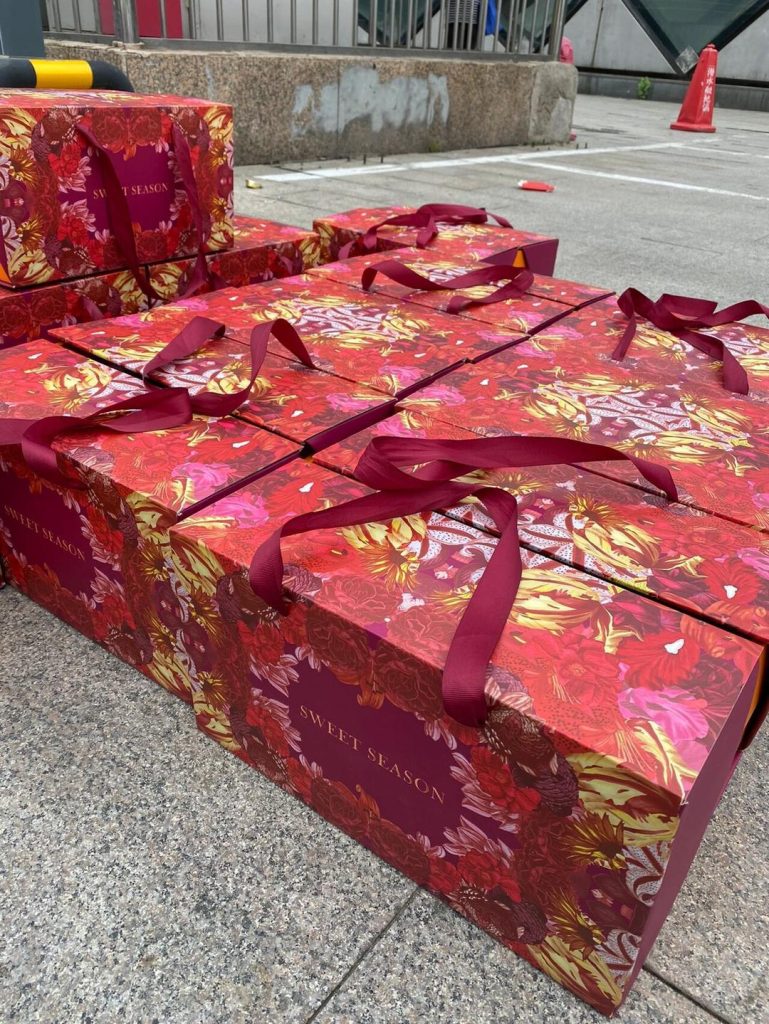
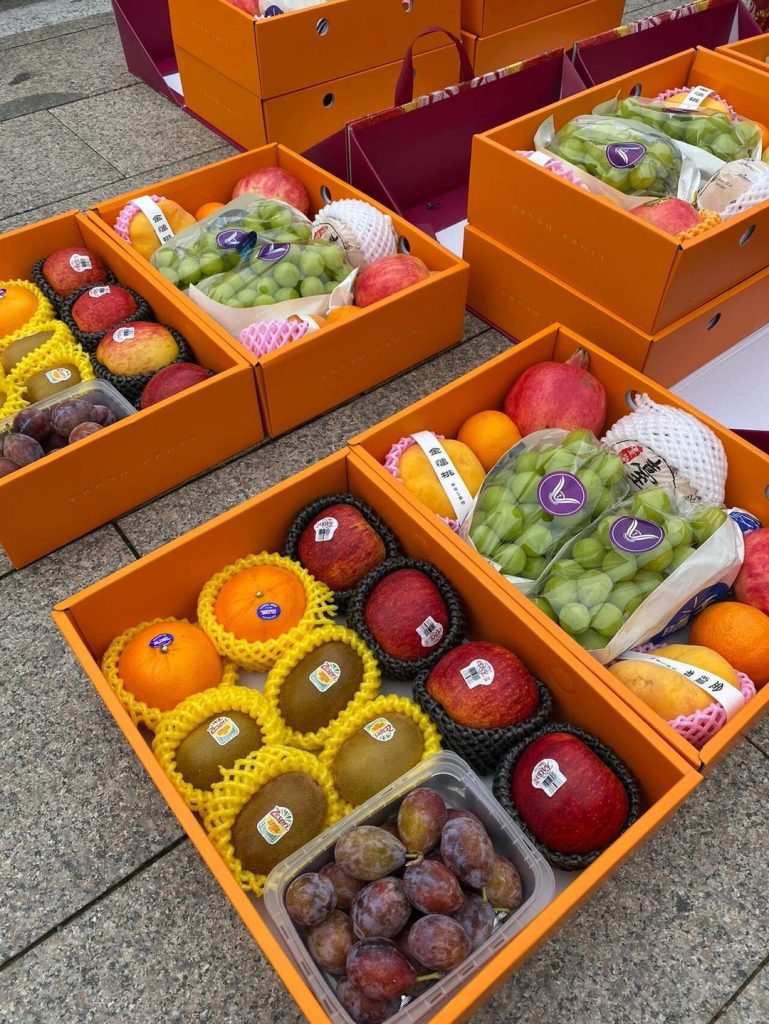
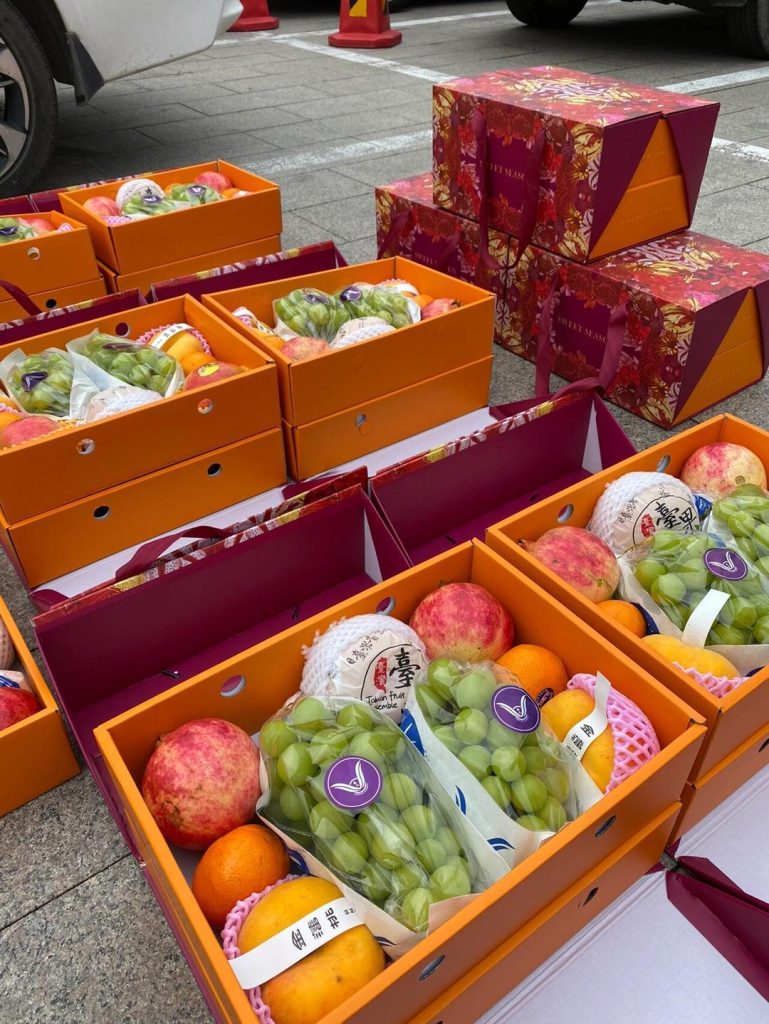
In an era where sustainability meets indulgence, the demand for premium fruit gift boxes has transcended traditional boundaries. Brands and retailers increasingly seek bespoke packaging solutions that not only protect delicate produce but also elevate unboxing experiences. OEM (Original Equipment Manufacturing) services for fruit gift boxes have emerged as a cornerstone of this transformation, offering tailored designs, eco-conscious materials, and scalable production. This article explores the nuances of fruit gift box customization, diving into design innovation, material science, and the evolving trends shaping this dynamic industry.
1. Design Freedom: From Concept to Reality
The essence of OEM customization lies in its ability to transform abstract ideas into tangible products. Unlike off-the-shelf solutions, tailored fruit gift boxes allow brands to embed their identity into every detail. Designers collaborate closely with clients to refine dimensions, structural integrity, and aesthetic appeal. For instance, a luxury brand might opt for a hexagonal box with matte gold foil accents to evoke sophistication, while an artisanal producer could prefer hand-painted floral motifs on recycled cardboard.
Key Customization Options:
-
Structural Engineering: Choose from square, round, or irregular shapes. Modular designs enable nesting for efficient storage, while reinforced corners protect fragile items like berries or figs.
-
Surface Finishing: Options include UV coating for scratch resistance, embossing for tactile texture, or spot varnish to highlight branding elements.
-
Functional Features: Incorporate removable inserts for secure placement of fruits, magnetic closures for easy access, or ventilation holes to prolong freshness.
A notable example is a high-end tea company that requested a two-tiered bamboo box with a detachable tea infuser compartment. This hybrid design merged functionality with storytelling, aligning with their brand ethos of mindfulness.
2. Material Innovation: Balancing Aesthetics and Sustainability
The choice of materials defines both the visual appeal and environmental footprint of fruit gift boxes. OEM providers now prioritize biodegradable, recyclable, and compostable options without compromising on durability.
Material Breakdown:
-
Fiber-Based Solutions: Molded pulp trays, crafted from recycled paper pulp, offer lightweight cushioning and water resistance. These are ideal for berries or grapes, absorbing moisture to prevent spoilage.
-
Plant-Based Plastics: PLA (polylactic acid) derived from corn starch provides a biodegradable alternative to conventional plastics, suitable for cold-chain logistics.
-
Reclaimed Wood: Salvaged timber adds rustic charm to luxury packaging, often finished with non-toxic stains to emphasize natural grain patterns.
For example, a gourmet chocolate brand partnered with an OEM to create cocoa bean-shaped boxes lined with rice paper. The design used FSC-certified birch plywood for the outer shell and dissolvable starch-based glue, ensuring the entire package could be composted post-use.
3. Precision Manufacturing: From Prototype to Mass Production
OEM services thrive on bridging the gap between creativity and scalability. Advanced manufacturing techniques enable rapid iteration from concept to bulk production, ensuring consistency across batches.
Production Workflow:
-
Prototyping: 3D modeling software allows clients to visualize designs before physical production. A 1:1 scale prototype, often produced in 7–10 days, tests structural integrity and aesthetic alignment.
-
Material Sourcing: Suppliers provide certificates of compliance (e.g., FSC, FDA) for materials like food-grade inks or BPA-free coatings.
-
Printing Techniques:
-
Digital Printing: Ideal for small runs with full-color, high-resolution graphics.
-
Offset Lithography: Cost-effective for large volumes, achieving Pantone-matched colors.
-
Screen Printing: Adds tactile textures through spot UV or foil stamping.
-
-
Quality Control: Rigorous inspections ensure adhesion of coatings, accuracy of dimensions, and absence of defects like warping.
A case in point: a luxury fruit subscription service required 5,000 units of a hexagonal box with a magnetic lid. The OEM optimized the die-cutting process to reduce material waste by 15% while maintaining a 0.1mm tolerance for seamless assembly.
4. Sustainability at the Core: Certifications and Circular Practices
With consumers increasingly prioritizing eco-conscious brands, OEM providers integrate sustainability at every stage. Certifications like Cradle to Cradle (C2C) or Carbon Neutral validate environmental commitments.
Sustainable Practices:
-
Closed-Loop Systems: Water-based inks and soy-based adhesives minimize volatile organic compounds (VOCs).
-
Recyclable Components: Boxes designed for easy disassembly (e.g., detachable inserts) streamline recycling.
-
Carbon Offsetting: Partnerships with reforestation projects neutralize emissions from production and logistics.
For instance, a Nordic fruit exporter opted for a corrugated cardboard box with 30% post-consumer waste content. The design included a seed paper tag that customers could plant, growing wildflowers—a gesture aligning with their zero-waste initiative.
5. Market Trends: The Future of Fruit Gift Packaging
The OEM landscape is evolving rapidly, driven by consumer preferences and technological advancements.
Emerging Trends:
-
Smart Packaging: NFC-enabled labels or QR codes link to digital content, such as recipes or farm-to-table stories.
-
Minimalist Design: Clean lines and neutral palettes cater to modern aesthetics, often paired with mono-material structures for recyclability.
-
Localized Production: Regional hubs reduce shipping distances, cutting carbon footprints and enabling faster turnaround.
A forward-thinking example is a plant-based yogurt brand that launched a limited-edition box embedded with a moisture-wicking fabric liner. The design, inspired by Scandinavian hygge, used laser-cut ventilation holes and a detachable herb sachet, doubling as a storage solution for leftover produce.
Conclusion: Crafting Memories, One Box at a Time
OEM fruit gift box customization is more than a manufacturing service—it’s a narrative tool. By harmonizing design, sustainability, and functionality, brands can create packaging that resonates emotionally with consumers. As the demand for conscious consumption grows, these bespoke solutions will remain pivotal in differentiating products in a competitive market. Whether it’s a luxury fruit basket for corporate gifting or a minimalist crate for farm-direct sales, the right OEM partnership transforms ordinary produce into unforgettable experiences.
References
-
Design principles for fruit packaging structures.
-
Material innovations in sustainable packaging.
-
Case studies on OEM production workflows.
-
Market analysis of consumer trends in gift packaging.
This article synthesizes insights from material science, design theory, and industry practices to offer a comprehensive guide to fruit gift box customization.
Article link:https://www.vlefooena.com/oem-china-fruit-gift-box-customization


No reply content