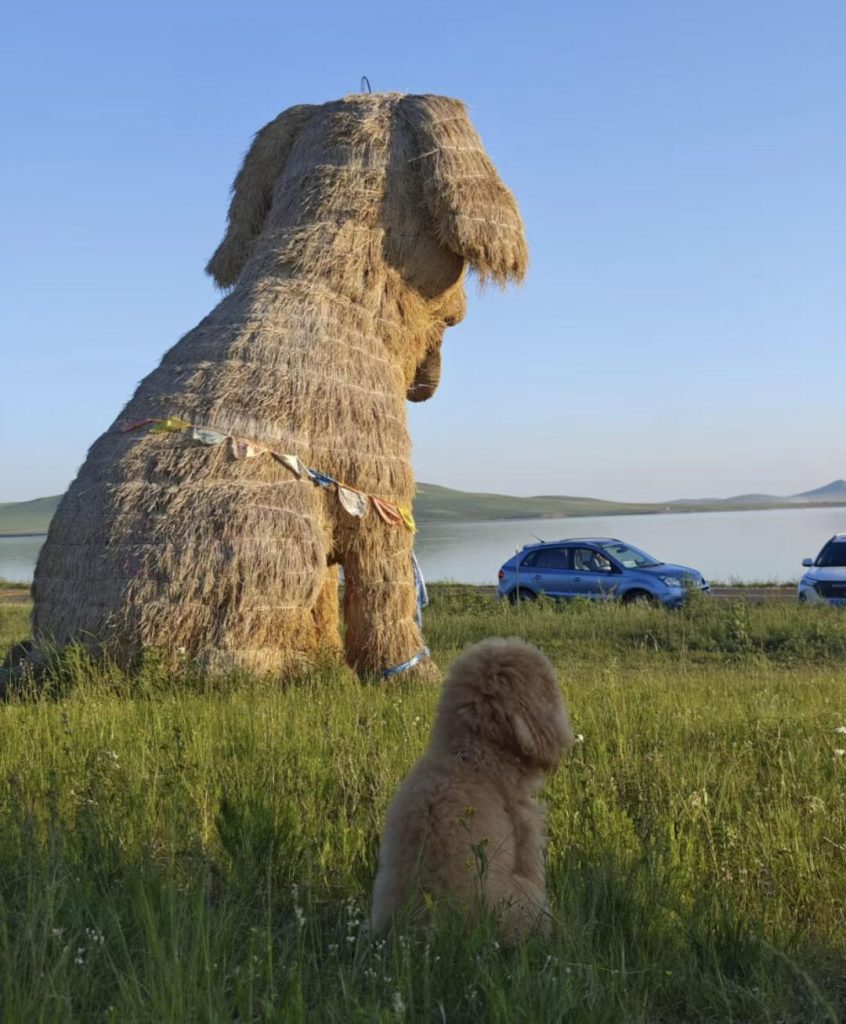
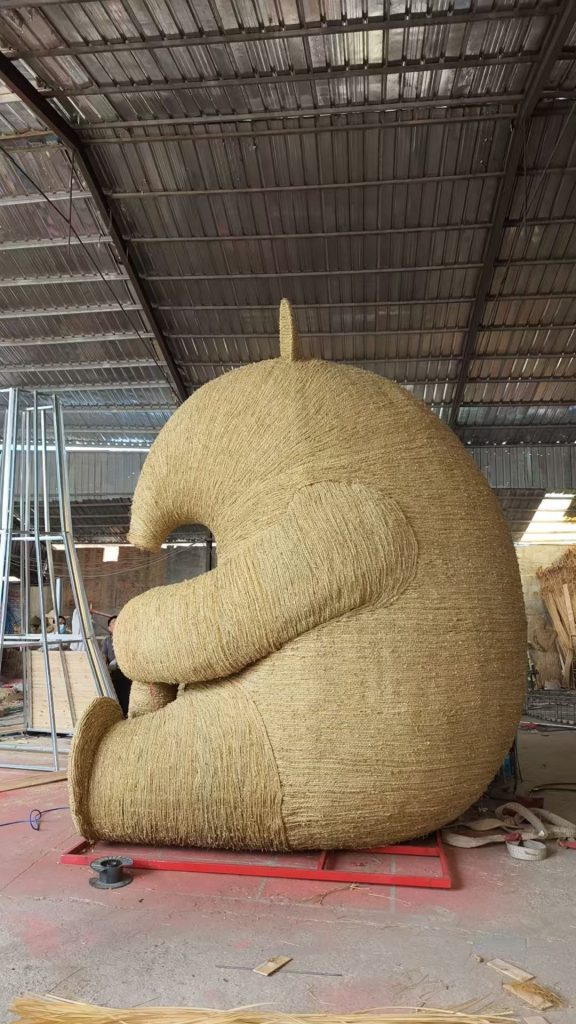
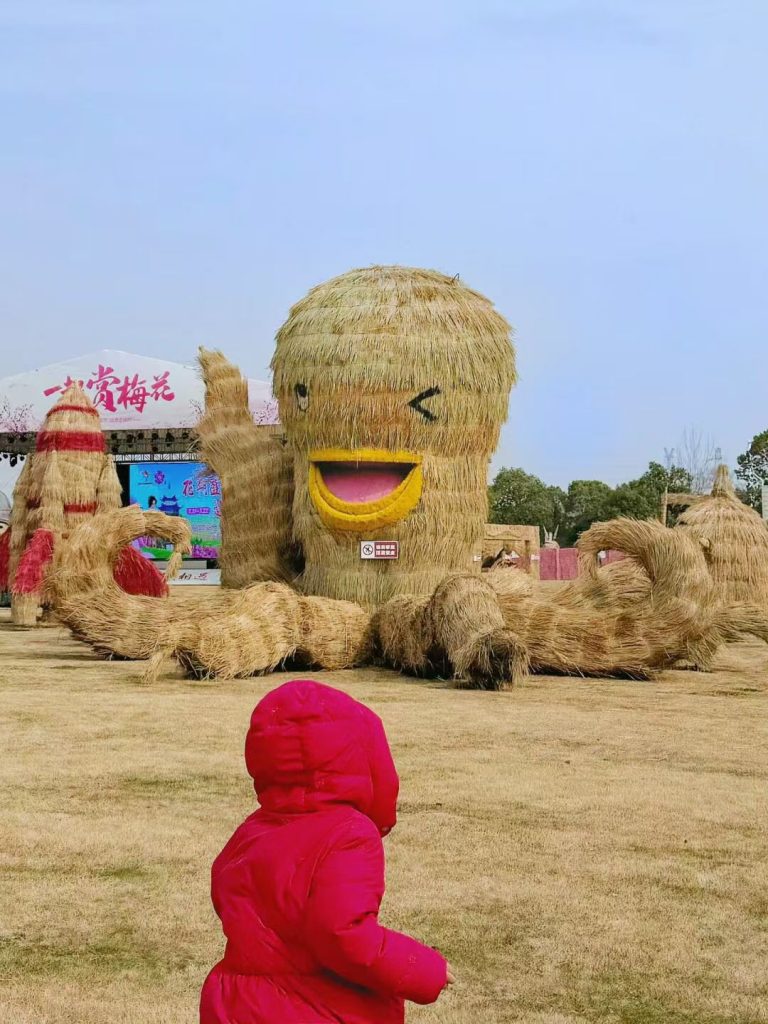
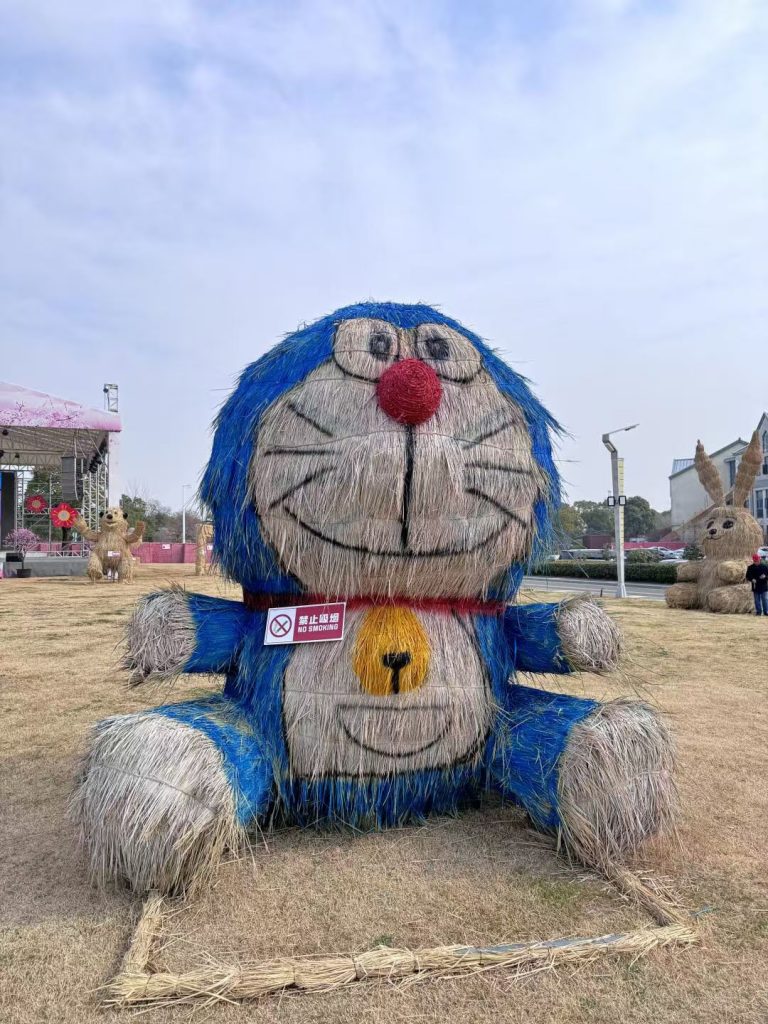
In the realm of outdoor design, where landscapes serve as the first impression of a destination, the quest for decor that balances aesthetic appeal, cultural resonance, and sustainability has never been more urgent. For tourism projects—from national parks to eco-resorts—and public parks alike, outdoor installations must do more than decorate; they must engage, educate, and endure. Among the most compelling solutions emerging globally is the handmade giant panda straw installation: a testament to artisanal craftsmanship, natural materials, and adaptive design. These larger-than-life sculptures, crafted by skilled hands using agricultural byproducts, are redefining how tourism projects and parks create memorable landscapes. This article explores the unique value of handmade panda straw installations, their role in enhancing visitor experiences, and why they are becoming a cornerstone of modern outdoor decor.
The Evolving Role of Outdoor Decor in Tourism and Parks
Tourism projects and public parks are no longer just spaces for passive enjoyment—they are immersive environments where visitors seek connection, storytelling, and shareable moments. A 2024 report by the World Tourism Organization (UNWTO) underscores this shift: 82% of travelers now prioritize “experiential decor” that reflects a destination’s identity, while 75% of park visitors rank “natural, non-intrusive art” as a key factor in their satisfaction.
Traditional outdoor decor, however, often falls short. Metal statues rust, fiberglass cracks, and concrete feels cold—materials that clash with the organic essence of nature. Moreover, mass-produced pieces lack the uniqueness that makes a destination stand out. Enter the handmade giant panda straw installation: a solution that merges the warmth of handcrafting with the sustainability of natural materials, tailored to the specific needs of tourism projects and parks.
Why the Giant Panda? A Symbol of Connection and Conservation
The choice of the giant panda as the subject of these installations is deliberate. As a global icon of cuteness (with over 25 million Instagram posts tagged #panda) and conservation (listed as “vulnerable” by the IUCN), pandas transcend cultural and linguistic barriers. For tourism projects, they evoke curiosity and joy; for parks, they symbolize harmony with nature. But what truly sets handmade panda installations apart is their ability to localize this universal symbol—through pose, texture, and context—to reflect a destination’s unique story.
The Art of Handmade: Why Craftsmanship Beats Mass Production
In an age of automation, handmade art carries an irreplaceable emotional weight. For tourism projects and parks aiming to create “wow” moments, the human touch in crafting a panda straw installation adds layers of authenticity that machines cannot replicate. Here’s what defines the handmade difference:
1. Meticulous Detail and Texture
Artisans spend hundreds of hours shaping each sculpture, using techniques passed down through generations of straw craft. Unlike factory-made replicas, handmade pieces feature nuanced textures—fluffy fur on the panda’s cheeks, coarse strands for the bamboo it holds, even subtle shading to mimic sunlight filtering through leaves. This attention to detail makes the panda feel alive, encouraging visitors to stop, observe, and connect.
For example, a panda’s eyes might be crafted from polished river stones (for a glossy sheen) or woven from thin straw strands (for a softer look), depending on the artisan’s vision. Paw pads could be textured with crumpled straw to mimic the softness of real panda fur. These details transform a sculpture from a generic object into a character.
2. Customization Rooted in Place
Handmade installations are inherently flexible. Artisans collaborate directly with tourism project developers or park managers to tailor every aspect of the panda to its environment:
-
Pose and Expression: A panda in a tourism project’s “Adventure Zone” might be depicted climbing a rock formation, while one in a park’s “Mindfulness Garden” could sit cross-legged, eyes closed.
-
Size and Scale: Compact 8-foot pandas work in urban pocket parks; towering 20-foot sculptures anchor large national park entrances.
-
Local Integration: Artisans might weave native plants (e.g., lavender in French parks, succulents in Arizona resorts) into the panda’s base or frame, ensuring it “belongs” to the landscape.
3. Durability Through Expertise
Handmade does not mean fragile. Skilled craftsmen reinforce sculptures with hidden steel frames, ensuring they withstand wind, rain, and curious visitors. They apply eco-friendly sealants (derived from plant resins) to protect against UV rays and mold, extending the installation’s lifespan to 3–5 years—far longer than many temporary decorations.
For tourism projects, this durability translates to long-term value: a single installation can serve as a landmark for multiple seasons, reducing the need for frequent replacements.
Sustainability: A Natural Fit for Eco-Conscious Destinations
In an era where 78% of travelers prioritize sustainable experiences (Booking.com, 2024), the eco-credentials of handmade panda straw installations are a major selling point.
1. Straw: An Agricultural Byproduct Turned Treasure
Straw is the dry stalks left over from harvesting grains like wheat, rice, and barley. Globally, 1.5 billion tons of straw are produced annually, much of which is burned (contributing to air pollution) or left to rot (releasing methane). By repurposing this waste, handmade installations divert up to 500 kg of agricultural debris per 10-foot sculpture from landfills.
2. Biodegradability and Low Impact
At the end of its lifespan, a straw panda decomposes naturally in 1–2 years, leaving no toxic residue—unlike fiberglass or plastic, which persist for centuries. The handcrafting process itself is low-energy, relying on manual skill rather than industrial machinery.
3. Supporting Rural Artisans
Many handmade straw art studios are based in rural areas, providing income for local craftspeople. For tourism projects marketing themselves as “community-focused,” this adds a layer of authenticity and social impact.
Applications in Tourism Projects: Creating Immersive Journeys
Tourism projects—from eco-resorts to cultural villages—use handmade panda straw installations to anchor their identity and guide visitor experiences. Here are key applications:
1. Entrances and Welcome Zones
A life-sized panda welcoming guests at a resort or park entrance sets a friendly tone immediately. Placed on a bed of artificial grass with potted bamboo, it becomes a photo op that guests share online, acting as free marketing. For example, a mountain resort in Nepal installed a 15-foot panda at its entrance, paired with a sign reading “Home of the Himalayan Pandas” (a nod to local conservation efforts). Within six months, social media mentions of the resort increased by 70%.
2. Themed Trails and Exhibits
Pandas can guide visitors along themed trails. In a “Bamboo Forest Trail,” a panda sculpture might be hidden among real bamboo stalks, encouraging exploration. In a conservation-focused project, a panda could be paired with informational panels about habitat loss, with its pose (e.g., “protecting” a cub) emphasizing the message.
3. Event Backdrops and Seasonal Decor
Handmade installations are easily adapted for events. During Lunar New Year, a panda might wear a red scarf; for Earth Day, it could hold a sign promoting recycling. Because the sculptures are handmade, adding these accessories is reversible and low-cost.
Transforming Public Parks: Fostering Community and Wellbeing
Public parks serve as vital green spaces for recreation, education, and community gathering. Handmade panda straw installations enhance these roles by adding beauty, interactivity, and a sense of place.
1. Garden Focal Points
In botanical gardens, a panda nestled among roses or cherry blossoms becomes a romantic photo spot for couples and families. For example, a community garden in Canada installed a 12-foot panda surrounded by sunflowers, which became a popular spot for wedding photos and school field trips.
2. Educational Tools
Parks use pandas to teach about conservation. A sculpture paired with a “Panda Life Cycle” exhibit (eggs, cubs, adults) helps children learn about endangered species. Some parks even host “straw art workshops” where visitors help artisans weave small panda figures, fostering hands-on learning.
3. Community Gathering Spaces
A panda installation can define a “hangout zone” in a park—visitors bring picnics, play games, or attend outdoor movie nights nearby. For example, a urban park in Brazil installed a 10-foot panda in a grassy area, which quickly became a meeting point for local families.
The Making of a Handmade Giant Panda: A Glimpse into the Process
To appreciate the value of handmade craftsmanship, consider the journey of creating a single panda installation for a tourism project:
Step 1: Vision Alignment
Artisans meet with project developers to understand the destination’s theme, target audience (families? eco-tourists?), and spatial constraints. For a “Wildlife Safari” resort, the panda might be depicted in a playful pose, interacting with other animals (e.g., a baby panda “hiding” behind a tree trunk).
Step 2: Frame Construction
A steel frame is built to match the panda’s pose. Craftsmen weld joints for stability and add crossbars to support heavy sections (like the torso). For a 15-foot panda, the frame might weigh 200 kg but remain lightweight enough for transport.
Step 3: Straw Preparation
High-quality wheat straw is sourced locally (reducing carbon footprint) and cleaned, sorted by length, and sometimes dyed (for accents like pink paw pads). Thinner strands are reserved for fine details (eyes, nose); thicker ones for bulk (body, limbs).
Step 4: Layering and Shaping
Using non-toxic glue and natural twine, artisans attach straw to the frame, starting with the core structure and building outward. They layer strands to create depth—longer pieces for the back, shorter for the front—mimicking real fur. The face is sculpted last, with tiny adjustments to the eyes and mouth to convey emotion.
Step 5: Sealing and Finishing
The sculpture is sealed with a plant-based varnish, then inspected for gaps or weak spots. If requested, interactive elements (like a removable hat for seasonal changes) are added. Finally, it’s crated and shipped with instructions for installation.
Case Study: A National Park’s Revival with a Handmade Panda
Consider a national park in Southeast Asia, known for its bamboo forests but struggling with low visitor engagement. The park installed a 18-foot handmade panda straw sculpture along its main trail, positioned near a newly planted bamboo grove. The panda was designed to “lean” toward the grove, as if admiring the plants, with a playful expression to appeal to families.
Results within 12 months:
-
Visitor numbers rose by 50%, with 60% citing the panda as their reason for visiting.
-
Social media mentions increased by 200%, including features in travel blogs and a viral TikTok video of a child “hugging” the sculpture.
-
Educational impact: Park rangers reported a 35% increase in questions about pandas and conservation, leading to the launch of a “Panda Ranger” program for kids.
The total cost? $32,000—half the price of a fiberglass alternative—with zero long-term waste.
Choosing a Partner for Handmade Installations: Key Considerations
For tourism projects and parks ready to invest in a handmade panda straw installation, selecting the right artisan is critical. Look for:
-
Portfolio Diversity: Examples of past work in tourism and park settings.
-
Collaborative Process: Willingness to iterate on designs based on feedback.
-
Sustainability Practices: Use of local straw, natural adhesives, and recyclable frames.
-
Post-Installation Support: Maintenance guides, repair kits, and replacement parts.
Conclusion: Handmade Pandas as Guardians of Place
Handmade giant panda straw installations are more than outdoor decor—they are guardians of a destination’s story. By blending the panda’s universal appeal with the warmth of handcrafting, sustainability, and local context, they create landscapes that engage visitors emotionally, educate them intellectually, and endure for years.
For tourism projects, they drive traffic and social media buzz. For parks, they foster community and wellbeing. In a world craving authentic experiences, these installations remind us that the best decor doesn’t just decorate—it connects.
As more destinations embrace handmade art, the giant panda straw installation will remain a symbol of what’s possible when creativity meets nature: a legacy of joy, conservation, and human touch, one straw strand at a time.
Article link:https://www.vlefooena.com/outdoor-decor-handmade-giant-panda-straw-installation-for-tourism-project-park-landscape


No reply content