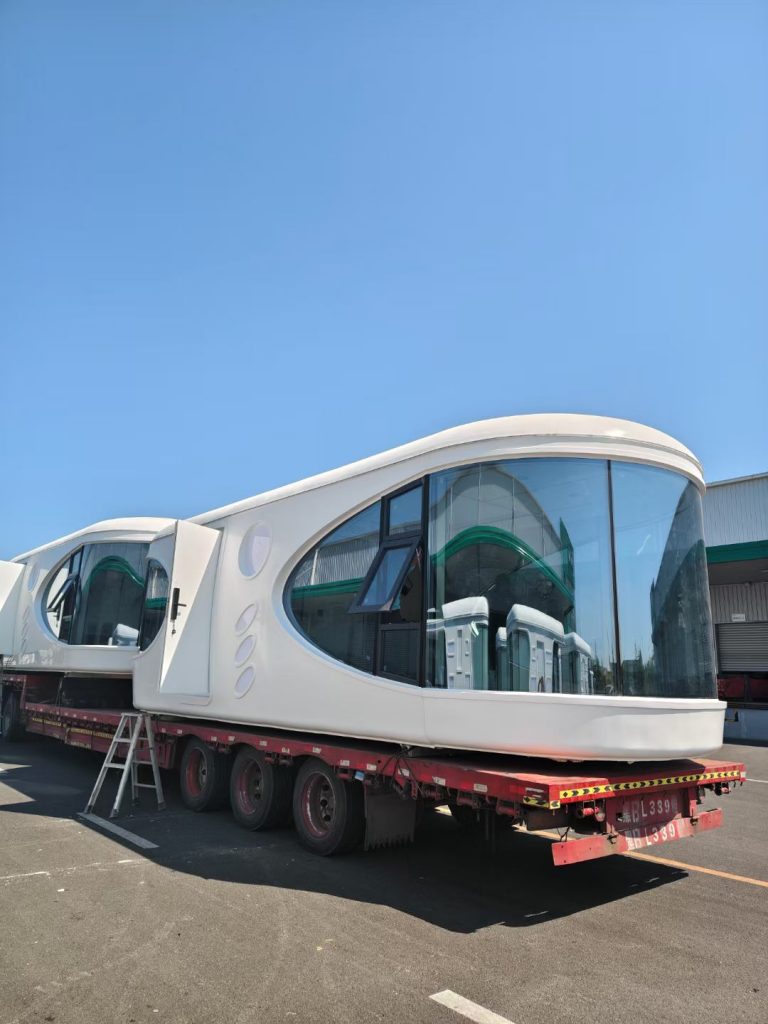
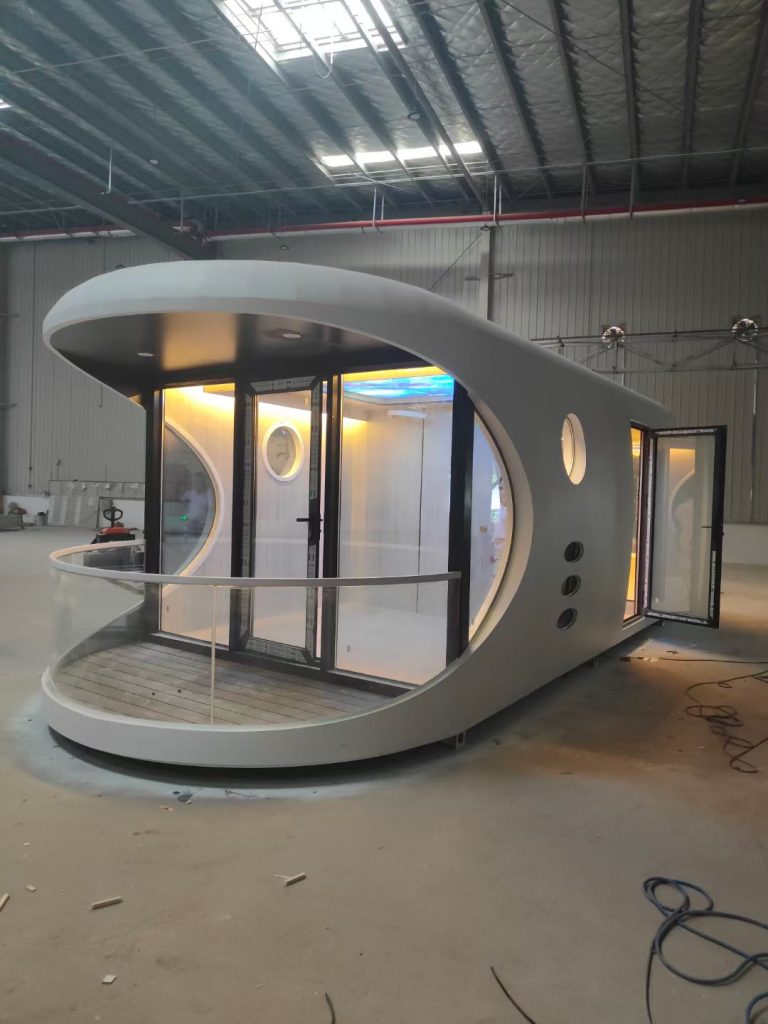
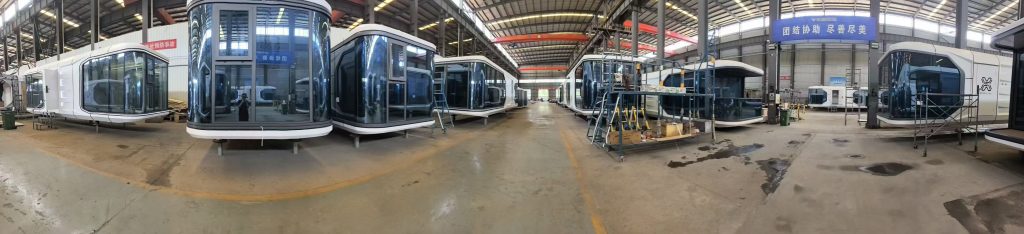
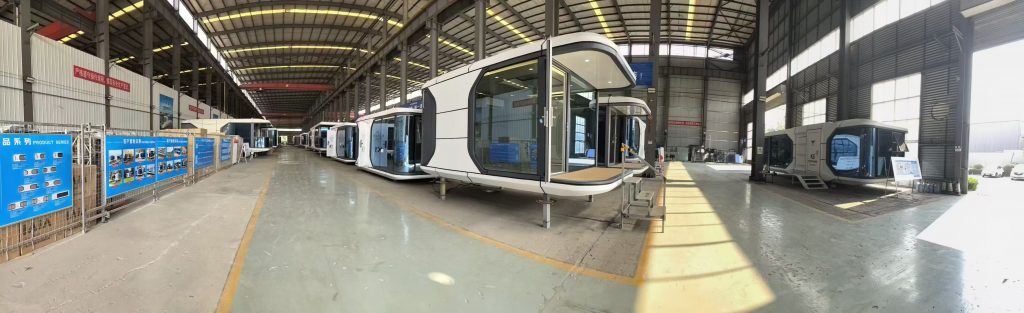
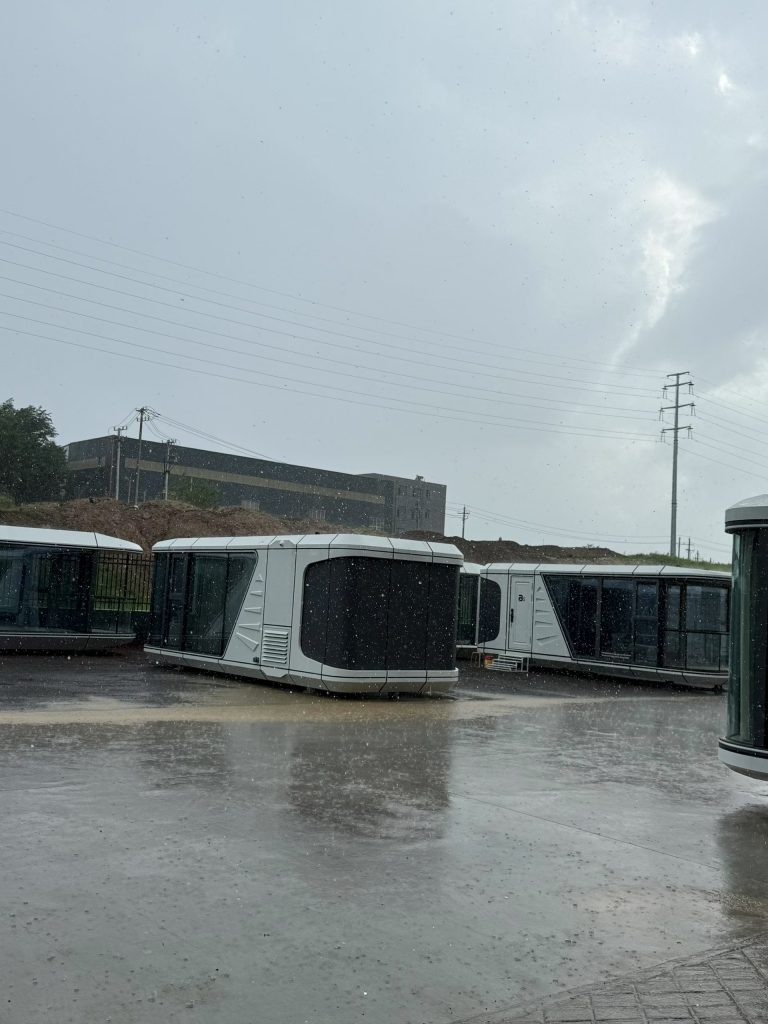
Prefab houses, also known as prefabricated or modular homes, have transformed the way we think about construction and housing. Combining quality, efficiency, and sustainability, these homes offer a compelling solution for residential, commercial, and industrial applications worldwide. For international buyers, prefab houses present an export-ready, cost-effective, and highly customizable option. This article explores the advantages, applications, design innovations, and global appeal of prefab houses.
1. What Are Prefab Houses?
Prefab houses are structures built from factory-produced components that are transported to the construction site for assembly. Unlike traditional brick-and-mortar construction, prefab homes allow for precise manufacturing under controlled conditions, ensuring consistent quality and faster construction times.
These houses can range from single-family units to multi-story complexes and can include steel frames, modular panels, and other high-quality materials. Prefab houses are ideal for international buyers seeking efficient, reliable, and customizable housing solutions.
2. Advantages of Prefab Houses
2.1 Rapid Construction
Prefab houses significantly reduce construction time. While site preparation is underway, major components are manufactured in the factory. Once delivered, assembly can be completed in a fraction of the time required for conventional buildings.
For international buyers, this speed translates into faster project completion, quicker occupancy, and a shorter return on investment period.
2.2 Cost Efficiency
Prefab houses are highly cost-effective. Factory production reduces labor costs, minimizes material waste, and allows standardized production methods. Buyers benefit from predictable pricing, lower overall construction costs, and long-term savings due to reduced maintenance requirements.
2.3 Consistent Quality
Factory-controlled production ensures high-quality standards for every component of a prefab house. Quality assurance includes precise measurements, uniform finishes, and strict compliance with building codes. International buyers can rely on consistent quality, which is essential for export markets.
2.4 Durability and Safety
Prefab houses are built to last. Steel frames, reinforced panels, and durable finishes provide strength and resistance against natural disasters, including earthquakes, strong winds, and heavy rains. Fire-resistant and pest-resistant materials further enhance the safety and longevity of these homes.
2.5 Sustainability
Prefab houses are environmentally friendly. Controlled factory production reduces waste, and many manufacturers use sustainable materials, energy-efficient insulation, and renewable energy solutions such as solar panels. Eco-friendly designs make prefab houses appealing to environmentally conscious buyers globally.
2.6 Flexibility and Customization
Prefab houses offer unparalleled flexibility in design. Buyers can choose from various layouts, materials, finishes, and energy-saving systems. Modules can be combined, stacked, or modified to create larger homes, resorts, offices, or commercial complexes.
This adaptability allows prefab houses to meet diverse market needs, from urban residential projects to rural tourism developments.
2.7 Easy Transportation and Installation
Prefabricated modules are designed for easy transport and rapid on-site installation. They can be shipped by truck, rail, or sea and require minimal foundation work. This makes prefab houses ideal for international projects in remote locations, high-density urban areas, or disaster-prone regions.
3. Applications of Prefab Houses
Prefab houses are versatile and can serve a wide range of purposes:
- Residential Housing: Single-family homes, multi-unit apartments, villas, and community housing projects.
- Commercial Buildings: Offices, retail shops, clinics, and hotels.
- Tourism and Hospitality: Vacation cabins, resorts, glamping pods, and hostels.
- Industrial and Temporary Housing: Worker accommodations, site offices, and storage facilities.
- Emergency and Disaster Relief: Rapid-deployment housing for affected populations.
Their modular design and adaptability make prefab houses suitable for both developed and emerging markets worldwide.
4. Export Advantages for International Buyers
Prefab houses offer several advantages for global buyers:
- Quality Assurance: Factory production ensures consistent standards and high-quality construction.
- Efficient Logistics: Prefabricated modules simplify transportation and reduce shipping costs.
- Compliance with International Standards: Many prefab houses meet building codes and safety regulations in various countries.
- After-Sales Support: Manufacturers often provide technical assistance, installation guidance, and maintenance services, ensuring smooth project implementation.
These factors make prefab houses a low-risk and high-value option for international buyers.
5. Design Innovations in Prefab Houses
Modern prefab houses incorporate innovative designs to enhance comfort, aesthetics, and sustainability:
- Open-Plan Interiors: Maximizing usable space and creating a spacious feel.
- Large Windows and Natural Light: Enhancing energy efficiency and occupant comfort.
- Smart Home Technology: Automated lighting, climate control, and security systems.
- Sustainable Materials: Eco-friendly insulation, flooring, and low-impact finishes.
- Modular Expansion: Multiple modules can be combined or stacked to form larger complexes or commercial spaces.
These design innovations make prefab houses attractive to a wide range of clients and markets.
6. Maintenance and Longevity
Prefab houses are low-maintenance and long-lasting. Steel frames, durable panels, and protective finishes ensure structural integrity for decades. Regular inspections and minor maintenance help maintain quality and safety, providing excellent long-term value.
7. Cost Comparison with Traditional Construction
Prefab houses offer several financial advantages over conventional construction:
- Lower Labor Costs: Reduced on-site workforce requirements.
- Faster Project Completion: Quick assembly allows faster occupancy and commercial use.
- Minimized Material Waste: Factory precision reduces loss and maximizes efficiency.
- Long-Term Savings: Durable materials and low maintenance reduce lifetime costs.
These benefits make prefab houses a financially smart option for international buyers and developers.
8. Global Success Stories
Prefab houses have been successfully implemented across multiple markets:
- Urban residential projects use them to solve housing shortages.
- Tourism destinations adopt prefab modules for resorts, vacation cabins, and glamping accommodations.
- Industrial projects rely on prefab housing for worker accommodations and site offices.
- Disaster relief programs utilize prefab homes for rapid-deployment shelters.
These examples demonstrate the versatility and global appeal of prefab houses.
9. Future Trends
The future of prefab houses is promising, with several emerging trends:
- Advanced Modular Design: Increased flexibility for multi-story and complex layouts.
- Smart Technology Integration: Enhanced energy efficiency, convenience, and safety.
- Eco-Friendly Materials: Greater adoption of renewable and recyclable components.
- Compact and Efficient Urban Solutions: Addressing housing shortages in dense cities.
- Luxury Modular Housing: High-end finishes and stylish designs for premium markets.
Investing in prefab houses allows international buyers to capitalize on these trends and meet growing global housing demands.
10. Conclusion
Prefab houses represent the future of modern construction, offering quality, efficiency, flexibility, and sustainability. They are suitable for a wide range of applications, including residential, commercial, tourism, industrial, and emergency housing projects.
For international buyers, prefab houses provide export-ready, customizable, and cost-effective solutions that meet global standards. By partnering with experienced manufacturers, buyers can access high-quality housing products that are easy to transport, quick to install, and adaptable to various market needs.
Prefab houses are not just an alternative—they are a practical, innovative, and sustainable solution for the global housing market.
Article link:https://www.vlefooena.com/prefab-houses-for-global-markets-quality-and-efficiency-combined


No reply content