In many parts of the world, people are searching for a new approach to housing—one that is flexible, sustainable, efficient, and able to adapt to changing lifestyles. The traditional idea of building a house brick by brick on a fixed piece of land is no longer the only way to create a home. A new generation of factory-built structures is taking the spotlight: mobile homes, space pod houses, and container houses. These innovative housing solutions represent a shift toward smarter construction and modern living, offering speed, mobility, and design freedom that conventional buildings cannot provide.
For manufacturers in this industry, every unit produced is more than a structure—it is a blend of engineering, creativity, and practical living solutions. These homes are crafted to travel, designed to endure, and shaped to offer comfort in environments ranging from remote mountains to busy urban communities.
1. Why the World Is Turning Toward Modular Housing
The global shift toward modular housing comes from several growing needs:
- Faster construction timelines
- Rising labor and material costs
- Demand for moveable and flexible living spaces
- Eco-friendly development trends
- The need to build in difficult or remote locations
- Tourism growth that requires unique accommodations
Factory-built homes respond to all these demands. They are produced in controlled environments, minimizing waste and guaranteeing consistent quality. They can be delivered ready to use or assembled quickly on-site, reducing the disruptions and delays associated with traditional building projects.
Most importantly, they allow people to rethink how they live—making living spaces mobile, adaptable, and deeply personalized.
2. Mobile Homes: The Evolution of Portable Living
Modern mobile homes represent a major evolution from the outdated, temporary shelters people once associated with mobility. Today’s mobile homes are engineered as full residential units that combine portability with long-term durability.
Engineered for Stability and Travel
A reinforced steel chassis ensures each mobile home remains stable during transportation and long-term use. The structure can withstand vibrations, movement, and challenging environments. This means owners can relocate their homes multiple times without damaging the frame or interior.
Climate-Ready Construction
One of the biggest challenges in portable housing is maintaining comfort across different climates. Today’s mobile homes solve this through:
- High-density insulation layers
- Energy-efficient windows
- Moisture-resistant wall systems
- Temperature-controlled ventilation
These features allow people to live comfortably in humid coastal areas, dry deserts, or cold high-altitude zones.
Efficient and Comfortable Interiors
Every square meter is designed to serve a purpose. Interiors often include:
- Multi-use furniture
- Foldable or sliding partitions
- Hidden storage solutions
- Compact but complete kitchens
- Modern bathrooms with water-efficient systems
Despite their mobility, these homes provide the level of comfort expected in permanent residences.
Where Mobile Homes Make an Impact
- Remote work camps
- Seasonal tourism parks
- Temporary offices
- Emergency housing
- Flexible private living
Mobile homes are enabling a lifestyle where location becomes a matter of choice, not limitation.
3. Space Pod Houses: Futuristic Design Meets Everyday Living
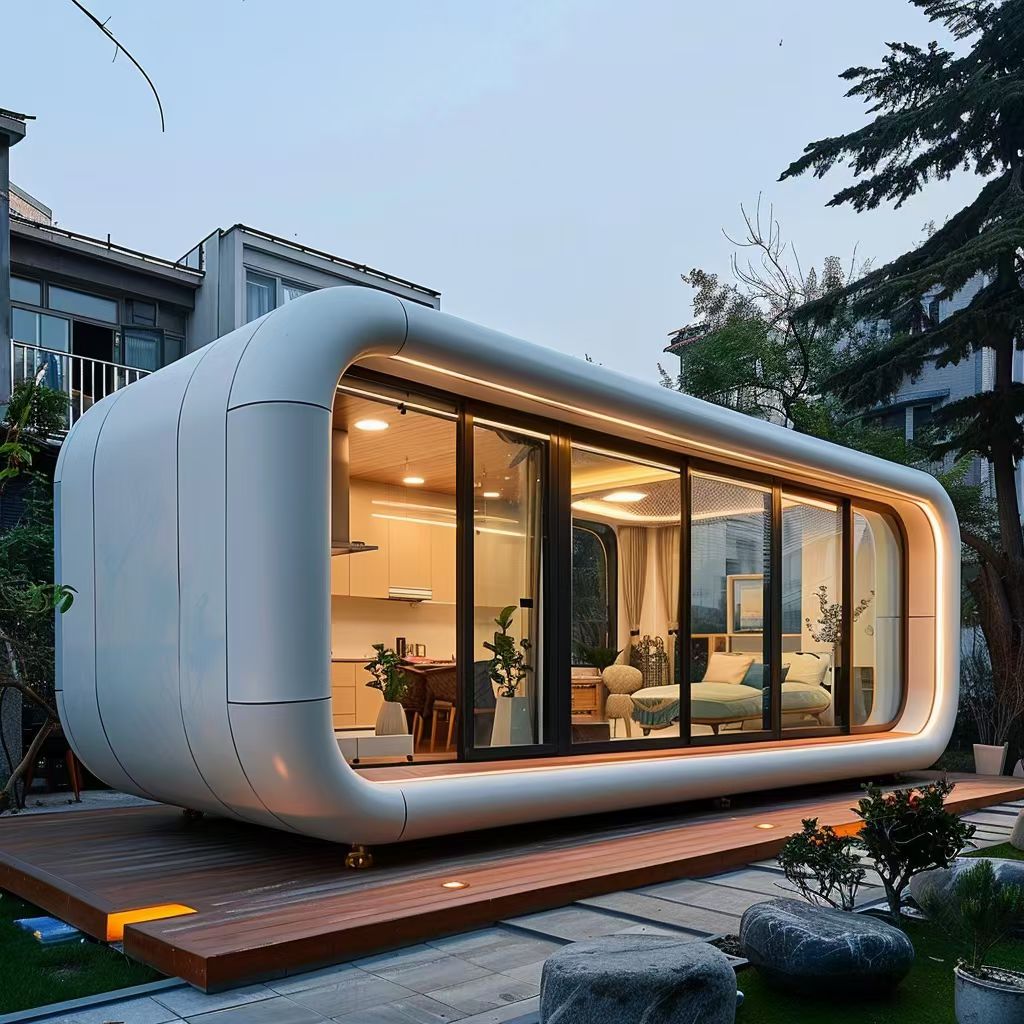
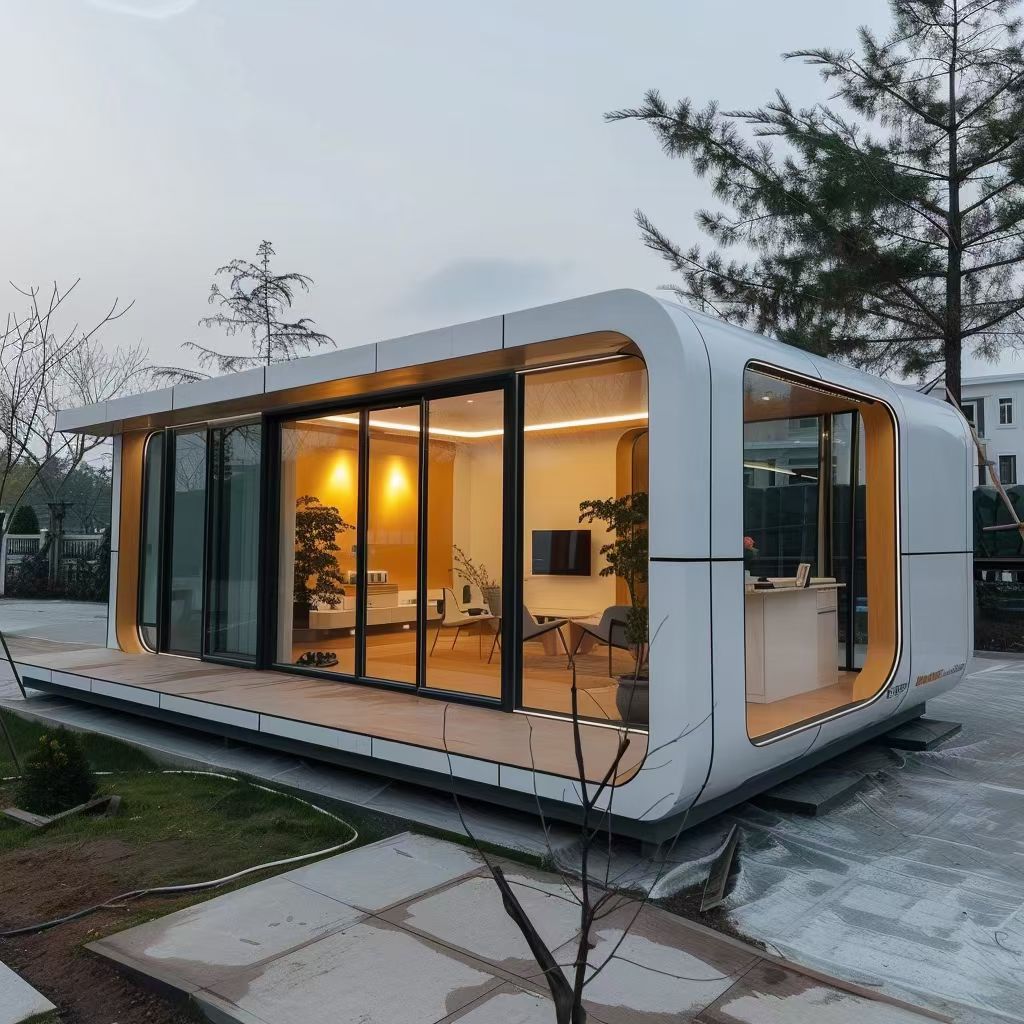
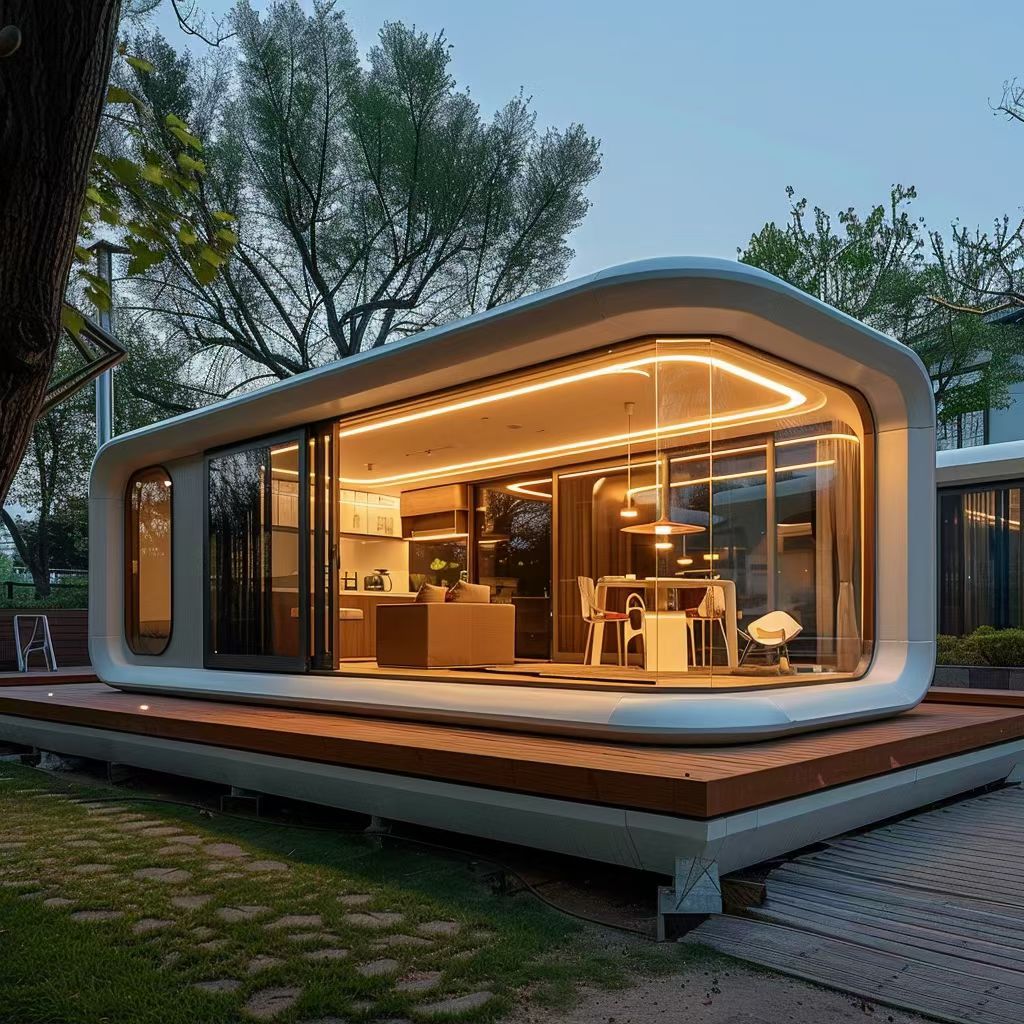
Space pod houses are among the most visually striking options in the modular housing world. Their curved silhouettes, panoramic windows, and futuristic forms create a strong visual identity that distinguishes them from traditional rectangular structures.
A Unique Architectural Experience
The rounded exterior not only creates a bold appearance but also offers functional benefits:
- Better wind resistance
- Smooth rainwater flow
- Reduced heat absorption on exposed surfaces
The pod form makes the structure naturally stable and energy-efficient, providing comfort while reducing long-term maintenance needs.
Modern Materials That Enhance Performance
Most pod houses are constructed using lightweight but durable materials such as:
- Reinforced fiberglass shells
- Composite exterior panels
- Moisture-resistant insulated cores
These materials help the pod maintain structural strength while remaining easy to transport.
Interior Design That Encourages Relaxation
Inside a space pod, the design feels different from any conventional room. Soft curves, indirect lighting, and large windows create a calm atmosphere. Many pods include smart systems for lighting, temperature control, and security, creating a small yet technologically advanced living space.
A Perfect Choice for Hospitality and Nature Retreats
Space pods are frequently used for:
- Wildlife resorts
- Lakeside cabins
- Desert or mountain getaways
- Garden guest houses
- Artistic or creative studios
Their visual impact makes them ideal for destinations that value identity and experience.
4. Container Houses: Industrial Strength Meets Architectural Creativity
Container houses stand out because of their structural strength and design adaptability. Originally built to endure long sea voyages and rough handling, shipping containers provide a strong steel framework for modern architecture.
An Engineering Foundation You Can Trust
Key strengths of container houses include:
- Load-bearing corner posts
- High structural rigidity
- Excellent wind and impact resistance
- Stackability for multi-level designs
These characteristics make container houses suitable for both personal residences and commercial developments.
Transforming Raw Steel into Stylish Living Spaces
Through factory modification, a container becomes a complete home:
- Openings for windows and doors are precisely cut
- Insulated walls and ceilings are installed
- Electrical and plumbing systems are pre-fitted
- Interior finishes are completed in controlled conditions
- Exterior cladding transforms the appearance
The result is a structure that maintains the durability of steel but feels warm, modern, and comfortable.
Unlimited Architectural Possibilities
Container modules can be combined in countless ways:
- Multi-story family homes
- L-shaped or U-shaped courtyard layouts
- Studio apartments
- Tourism villas
- Urban office spaces
By stacking or connecting units, designers can create buildings that range from compact and efficient to architecturally impressive.
5. The Advantages of Building in a Factory
Factory manufacturing is one of the biggest strengths of modern modular housing. It changes the entire construction process.
Controlled Environment = Consistent Quality
Because every component is built indoors, production is not affected by rain, wind, or temperature. This ensures:
- Higher structural precision
- Better finishing quality
- Faster production time
- Reduced material waste
Integrated Utility Systems
Electrical wiring, plumbing, flooring, walls, and ceilings are installed before the unit leaves the factory. This minimizes on-site labor and shortens installation time.
Safety and Durability Testing
Each unit undergoes strict inspections:
- Leak and pressure tests
- Electrical safety tests
- Structural stability checks
- Thermal performance evaluations
Quality is built into every stage of production.
6. Designed for Sustainability and Long-Term Efficiency
Modern housing must consider environmental impact. Mobile, pod, and container houses naturally support sustainable development due to their design and manufacturing process.
Lower Waste and Reduced Emissions
- Factory precision minimizes material waste
- Shorter transportation and installation reduce carbon footprint
- Recycled steel containers reduce demand for new raw materials
Energy-Efficient Living
Advanced insulation reduces heating and cooling expenses. Solar systems, smart lighting, and energy-saving appliances can be integrated easily.
Minimal Site Impact
Because units arrive mostly completed, there is no heavy machinery, no long-term noise pollution, and no soil disruption. This is especially important in national parks, resort areas, or remote natural environments.
7. Customization: Turning Every Unit into a Personalized Home
Customization is one of the greatest strengths of modular housing. Every customer can shape their unit according to their lifestyle or commercial needs.
Interior Custom Options
- Color themes and materials
- Furniture layouts
- Built-in storage
- Smart home systems
- Energy-efficient upgrades
Exterior Custom Options
- Modern facades
- Wooden or composite cladding
- Extra decks or porches
- Large glass openings
- Customized roof shapes
This freedom allows each unit to express personality, creativity, and unique design vision.
8. Real-World Applications Across Multiple Sectors
Factory-built modern homes serve many industries around the world.
Residential Applications
- Young families
- Retirees seeking downsized living
- Off-grid landowners
- Mobile lifestyle enthusiasts
Business and Commercial
- Offices
- Retail spaces
- Work camps
- Guard houses or checkpoints
Tourism and Hospitality
- Glamping resorts
- Boutique hotels
- Forest cabins
- Coastal retreats
Emergency and Social Services
- Disaster relief shelters
- Temporary clinics
- Mobile classrooms
- Community housing projects
The flexibility of modular homes allows them to meet needs quickly and economically.
9. The Future of Housing Is Modular, Mobile, and Intelligent
The modular housing industry is entering a new stage. Future developments will focus on:
- AI-integrated energy management
- Ultra-light composite structures
- Solar-powered autonomous units
- Water recycling systems
- Climate-adaptive materials
- Off-grid smart communities
These advances will make factory-built homes not only practical but also technologically advanced and environmentally resilient.
Conclusion: Homes That Move With You and Grow With Your Lifestyle
Mobile homes, space pod houses, and container houses are transforming the global housing landscape. They offer a new way to live—one that embraces flexibility, sustainability, strength, and personalized design. Instead of being tied to one location, people can now choose where and how they want to live.
With innovative engineering, efficient manufacturing, and creative architectural design, modern modular homes provide comfort, style, and long-term durability in one integrated solution.


No reply content