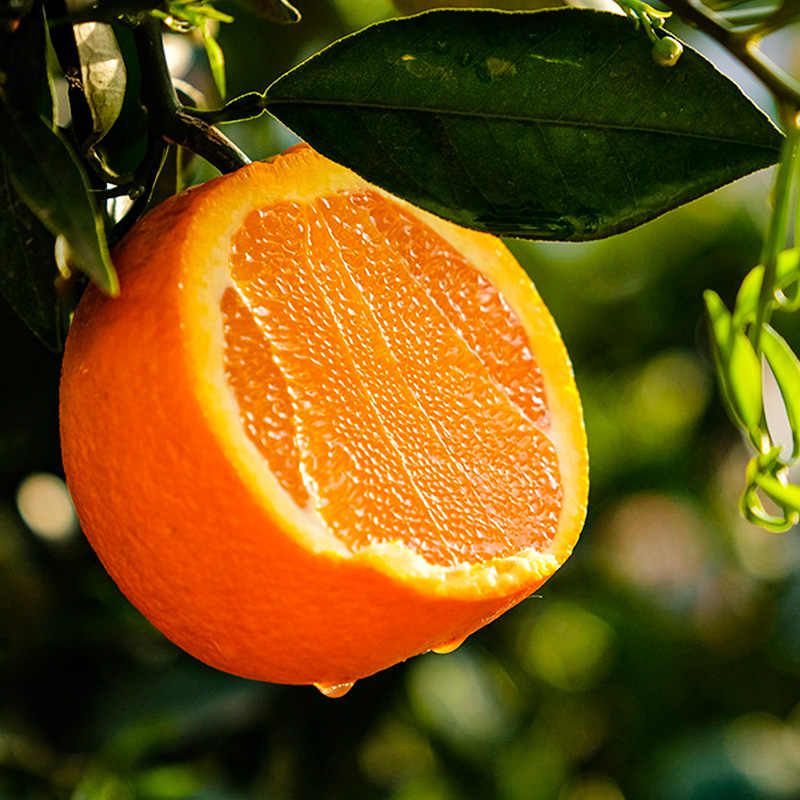
Roots in the Soil, Sweetness in the Sun: Life on Our Navel Orange Farm
If you drive an hour east of the coastal fog, past rolling hills dotted with live oaks, you’ll find us—our family’s navel orange grove, tucked into a pocket of earth that feels like it was made just for citrus. It’s not a shiny, high-tech operation. There are no endless rows of identical trees or loud harvesters roaring through the rows. What you’ll find instead are gnarled trunks that have weathered decades, dirt under our nails, and the kind of quiet that comes from working with nature, not against it.
Grandpa’s First Sapling: A Promise to the Land
This story starts with my grandfather, Luis. In 1968, fresh off a fishing boat in Baja, he saved enough pesos to buy 20 acres of “useless” land—dry, rocky, and overlooked by most. “Citrus needs heart, not just water,” he’d mutter, planting his first navel orange sapling with a rusted trowel. That tree, now a stooped giant with a trunk wider than my arm, still bears fruit every winter. Its juice tastes like memory: tangy, bright, a little wild, just like the man who planted it.
My father took over in the ’80s, trading fishing nets for a wheelbarrow, and I grew up here, too—swinging from branches heavy with green fruit, sneaking juicy segments under the old oak tree, learning to tell a ripe orange by the way it dented slightly when you pressed your thumb to its skin. Now, my kids tag along, their small hands cupping oranges as we walk the rows. Farming, to us, isn’t a job. It’s a language passed down, spoken in soil, sun, and the hum of bees.
Growing Oranges Like They’re Meant to Be
People ask what makes our navels special. It’s not a secret recipe. It’s patience.
We don’t rush. Our trees are spaced far apart—plenty of room to spread their roots, to drink deep from the earth, to reach for the sky. We feed them compost made from last year’s leaves, pruned branches, and the kitchen scraps from our farmstand café (yes, we bake with leftover peels). No synthetic fertilizers; just the slow, steady work of decomposition, turning yesterday’s waste into tomorrow’s feast.
Pests? We let nature handle most of them. Ladybugs munch on aphids, owls nest in our barn rafters to keep rodents in check, and we plant wildflowers along the rows to lure pollinators. When we do spray, it’s only organic neem oil, early in the morning so bees aren’t out yet.
Harvest season is hands-down the best part. Starting in November, the grove turns ablaze—thousands of navel oranges, their skins burnished like polished brass. Workers move slowly, gently, because these aren’t faceless commodities. Maria, who’s picked here for 20 years, can tell a tree’s story by the fruit: “This row? Grew a little slower this year—cooler spring. Sweeter, though.” She hands me an orange, still warm from the sun, and I bite in: juice explodes, sweet-tart, with a hint of honey. No bitterness, no watered-down blandness. Just… orange.
More Than Fruit: A Community Garden
This land feeds more than just us. Every winter, we load crates of “cosmetically imperfect” oranges—ones with a scratch, a slight misshape—into beat-up trucks and deliver them to the elementary school down the road. The kids call them “adventure oranges,” and they eat them at snack time, juice dribbling down their chins, laughing about who got the “most interesting” one.
The farmstand, open daily, is where neighbors gather. Old Mr. Gonzalez brings his grandkids to pick their own, teaching them to “judge an orange by its weight—heavy means juicy.” Local chefs stop by for the first pick, wanting that just-off-the-tree brightness in their salads and desserts. Even the deer get a treat: we leave a few low-hanging fruits in the far corner, figuring they’ve earned it for keeping the weeds trimmed.
What We Hope You Taste
When you order our navels, you’re not just getting fruit. You’re getting a piece of this place: the sun that baked the skins golden, the rain that plumped the segments, the hands that sorted them gently, one by one. You might notice a tiny brown spot where a leaf rested against the fruit—that’s not a flaw. That’s a mark of real growing.
We don’t promise perfection. We promise honesty. These oranges are grown by people who care, on land we love, for anyone who believes food should taste like where it came from.
So go ahead—peel one. Let the oils from the zest mingle with the juice. Savor that first bite, bright and tangy, then sweet. Close your eyes, and maybe you’ll taste the valley, the generations, and the quiet joy of a farm that still knows how to grow oranges the old way.
We’re glad you’re here. Now dig in.
Article link:https://www.vlefooena.com/roots-in-the-soil-sweetness-in-the-sun-life-on-our-navel-orange-farm

No reply content