
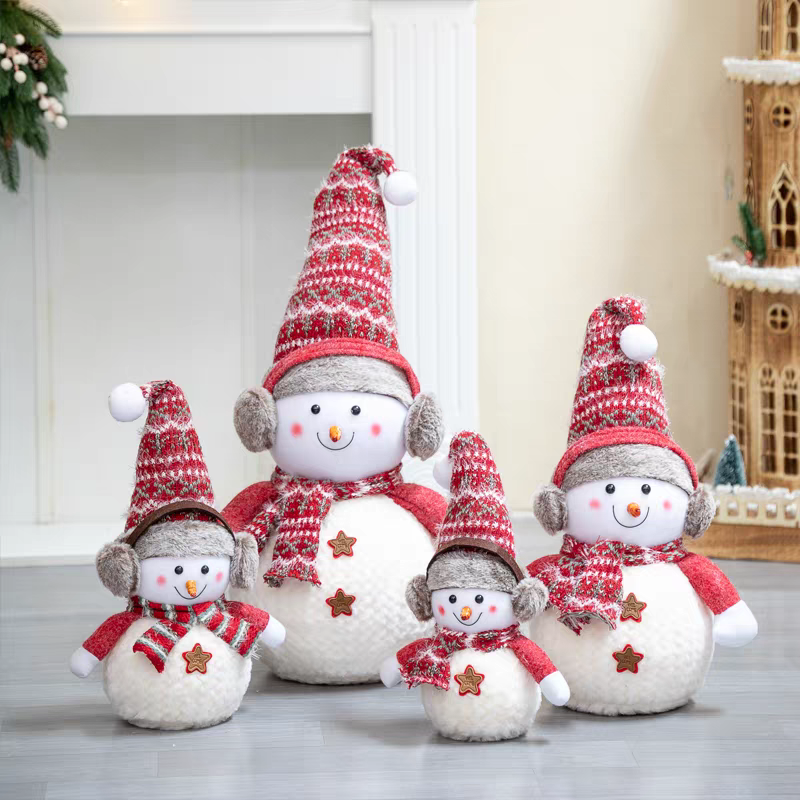
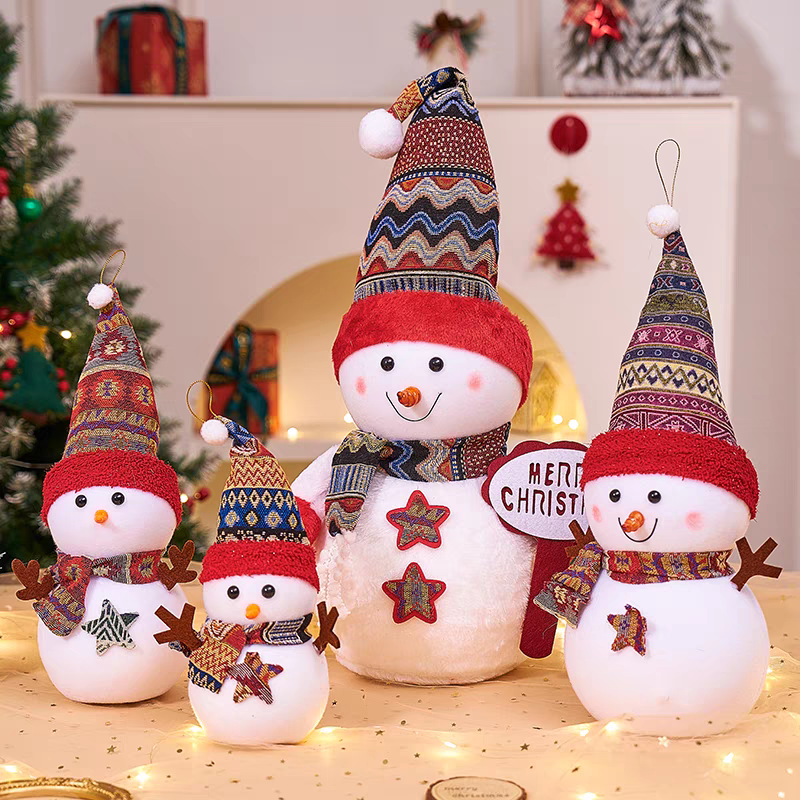
The festive season brings joy, warmth, and a touch of magic, and at the heart of this magic are Santa Claus figurines. These iconic symbols of Christmas, embodying the spirit of giving and joy, are found in homes, offices, and stores across the globe. But have you ever wondered about the intricate process behind crafting these beloved figurines? Let’s take a closer look at the fascinating world of Santa Claus figurine production and the factories that bring these holiday treasures to life.
The Origins of Santa Claus Figurines
The tradition of Santa Claus, inspired by the historical figure Saint Nicholas, has evolved over centuries. Today, Santa is depicted in various forms, but the common image of a jolly, rotund man in a red suit, riding a sleigh pulled by reindeer, is beloved by millions. Santa figurines, often made of ceramic, resin, or wood, capture the essence of this character and are a staple in Christmas décor.
The Crafting Process: From Concept to Creation
The production of Santa Claus figurines is a meticulous process that combines artistry with craftsmanship. Here’s how it typically works:
-
Design and Conceptualization
Every Santa Claus figurine begins with a design. Artists and designers work tirelessly to create detailed concepts that bring Santa’s festive spirit to life. These designs often reflect popular trends or traditional themes—be it Santa holding a gift, riding a sleigh, or sharing a laugh with reindeer. -
Molding and Sculpting
Once the design is finalized, the next step is molding. The figurine’s shape is either hand-sculpted or cast in molds using materials like clay or silicone. Skilled artisans often make small adjustments by hand to ensure that every facial expression, fold in the clothing, or gesture feels lifelike. -
Casting and Firing
After sculpting, the figurine is cast into molds made of materials like ceramic or resin. These molds are then fired in a kiln (for ceramic figurines) to harden the material. This is where the magic happens, as the figurine starts to take shape and gain its durable, high-quality finish. -
Hand-Painting and Detailing
One of the most important stages in the production of Santa figurines is the hand-painting process. Artists carefully apply paint, often using fine brushes to add color and detail to Santa’s clothing, facial features, and accessories. The use of vibrant reds, whites, and greens gives the figurine its classic Christmas feel. -
Quality Control and Packaging
Once the figurines are painted and dried, they undergo rigorous quality control checks. Each piece is inspected for any flaws or imperfections. After passing inspection, they are carefully packaged to ensure safe delivery to stores and customers worldwide.
The Role of Santa Claus Figurine Factories
Santa Claus figurine production factories play a pivotal role in the global demand for Christmas décor. These factories, often based in countries with rich traditions of craftsmanship, are equipped with state-of-the-art machinery as well as skilled artisans. The combination of technology and human artistry ensures that each figurine is made with precision and attention to detail.
Moreover, these factories typically produce a wide range of Santa figurines, from traditional models to contemporary versions that incorporate modern designs and materials. The demand for these figurines peaks during the holiday season, with factories working overtime to meet consumer needs.
Sustainability and Ethical Production
As with many manufacturing industries today, Santa Claus figurine production is increasingly focused on sustainability. Factories are adopting eco-friendly materials and practices, such as using recycled resin or non-toxic paints, to reduce their environmental impact. Additionally, many companies are ensuring that workers are paid fairly and work in safe conditions.
The Global Appeal of Santa Figurines
Santa Claus figurines aren’t just a festive decoration—they are treasured keepsakes that bring joy to people of all ages. They are often gifted, collected, or displayed during the holiday season as a symbol of cheer, generosity, and togetherness. The popularity of Santa figurines has even transcended cultural borders, with people across the globe embracing this iconic symbol of Christmas.
From the North Pole to sunny beaches, Santa figurines have found their way into homes, offices, and businesses worldwide. In fact, collectors of Santa Claus figurines have created a vibrant community, with special edition figurines becoming highly sought after.
Conclusion: Bringing the Christmas Spirit to Life
Santa Claus figurines are more than just holiday decorations; they are a timeless symbol of joy, kindness, and the spirit of giving. The production of these figurines is an intricate process that blends artistic creativity with technical expertise. Whether made of ceramic, resin, or wood, each Santa figurine is crafted with care to bring a touch of magic to the holiday season.
So, the next time you place a Santa Claus figurine on your mantel or gift one to a loved one, remember the talented artisans and dedicated factories behind the scenes who make it all possible.
Article link:https://www.vlefooena.com/santa-claus-figurine-production-factory-crafting-holiday-cheer-for-the-world


No reply content