Sustainability is no longer a marketing slogan in the global footwear industry—it has become the foundation for product development, supply chain restructuring, and long-term brand value. As global consumers demand cleaner materials, ethical production, and reduced carbon footprints, China’s footwear manufacturing sector is undergoing its most significant transformation in decades. With advanced material engineering, greener factory systems, and highly efficient production technologies, China remains the core of the world’s shoe supply chain while taking the lead in eco-oriented innovation.
This article offers a comprehensive 2026 outlook on sustainable footwear trends, examining market drivers, new materials, manufacturing breakthroughs, circular-economy models, and how Chinese suppliers are reshaping the global landscape.
1. Sustainability Becomes the Primary Driver of Footwear Design
From sports shoes to casual wear, nearly every footwear category is experiencing a shift toward more responsible production philosophies. Several forces are accelerating this movement:
1.1 Consumer Awareness Reaches a New Level
Shoppers are paying closer attention to what goes into their shoes—not just comfort and style, but material origins, recyclability, durability, and environmental risk. Younger buyers in particular prefer products aligned with personal values, and sustainability scores heavily in purchasing decisions.
1.2 Governments Establish Stricter Environmental Standards
Countries and regions are implementing policies encouraging low-waste production, responsible sourcing, and reduced reliance on chemical-intensive materials. This pushes manufacturers to innovate in raw materials, adhesives, dyes, and packaging.
1.3 Global Brands Demand Greener Supply Chains
To meet their environmental targets, international brands now set strict sustainability specifications when sourcing from China. Factories that adopt clean-energy systems, circular-waste programs, and transparent material tracking gain a competitive edge.
2. Material Innovations Leading the 2026 Footwear Revolution
Sustainable footwear development begins with materials. In 2026, Chinese suppliers are investing heavily in next-generation, eco-friendly components that combine functionality with environmental responsibility.
2.1 Recycled Polymers for Structural Components
Recycled PET, ocean-bound plastics, and repurposed industrial polymers are emerging as mainstream materials. These recycled fibers are spun into uppers, knitted fabrics, and lightweight mesh structures. They offer strength, flexibility, and breathability while drastically reducing virgin material consumption.
2.2 Plant-Based Leather Alternatives
The footwear market is shifting away from synthetic leather produced with petroleum-based chemicals. China’s material labs are developing:
- Bio-based leather from corn fibers
- Mushroom-derived leather fabrics
- Bamboo-cellulose textile leather
- Natural latex blends
These materials mimic the appearance and touch of traditional leather while maintaining biodegradability and lower carbon emissions.
2.3 Renewable Foam for Midsoles and Insoles
EVA foam, long criticized for its environmental impact, is being replaced by:
- Sugarcane-based EVA
- Natural rubber foams
- Recycled EVA compound blends
These eco-foams reduce dependence on fossil fuels and still provide cushioning, flexibility, and energy return suitable for running shoes, work shoes, and casual wear.
2.4 Biodegradable Components
From stitching threads to packaging inserts, manufacturers are transitioning into biodegradable solutions to reduce landfill accumulation. Improved starch composites, cornstarch-based plastics, and natural fiber reinforcements help ensure that footwear products break down more responsibly after their life cycle.
3. Cleaner and More Efficient Shoe Manufacturing Technologies
Material innovation is only one part of the sustainability equation. In 2026, China’s footwear factories are implementing smart manufacturing methods that minimize waste and boost efficiency.
3.1 3D Knitting Reduces Material Waste
Knitted uppers created through 3D knitting technology eliminate unnecessary cutting and significantly reduce leftover scraps. This method also allows for customizable patterns, breathable structures, and seamless comfort.
3.2 Automated Cutting and Pattern Optimization
Advanced laser-cutting systems optimize every millimeter of material. AI-driven pattern software automatically arranges shapes to reduce excess waste. This can cut raw material losses by up to 20–30% in certain production lines.
3.3 Waterless Dyeing Technologies
Traditional dyeing processes use large amounts of water and chemicals. In contrast, new waterless coloration technologies rely on pressurized gases or pigment infusion methods, reducing water usage dramatically and improving color uniformity.
3.4 Energy-Efficient Production Lines
Factories are integrating:
- Solar power
- Heat-recycling systems
- Smart ventilation
- Real-time energy monitoring
These systems lower operating costs while cutting energy consumption, meeting international environmental expectations.
3.5 Adhesive Innovation for Low-Emission Assembly
Eco-friendly adhesives with reduced volatile compounds are replacing conventional chemical glues. This improves worker safety and ensures compliance with stricter import standards from high-regulation regions.
4. Circular Economy Models Reshaping the Shoe Industry
The most exciting sustainability trend for 2026 is the expansion of circular-economy strategies in footwear production.
4.1 Take-Back and Recycling Programs
Factories are increasingly establishing systems to:
- Collect used shoes
- Separate them by material
- Recycle components into new products
Recycled foam, rubber granules, and textile fibers reenter manufacturing loops, reducing waste and lowering the need for virgin materials.
4.2 Modular Footwear for Longer Product Life
Some new footwear models now incorporate modular components such as removable midsoles, replaceable straps, or interchangeable outer soles. This design approach extends the lifecycle of a pair of shoes and gives consumers the ability to repair rather than replace.
4.3 Zero-Waste Factories
An increasing number of manufacturers are transitioning toward zero-waste goals by reintegrating leftover materials, optimizing inventory, and improving scrap management. The aim is full lifecycle responsibility across raw materials, processing, packaging, and after-use stages.
5. Social Sustainability Gains Equal Importance
Environmental sustainability is only half the story. Ethical labor practices, safer facilities, and transparent supply chains are essential components of sustainability in 2026.
5.1 Responsible Labor Standards
Factories are upgrading working conditions, including improved lighting, ventilation, ergonomic equipment, and enhanced training. Workers benefit from skill-development programs that allow them to adapt to advanced machinery and quality requirements.
5.2 Transparent Production Tracking
Digital tracking systems allow buyers to understand where materials originate, how they were processed, and whether environmental standards were met. This transparency is becoming a key demand among global importers.
5.3 Community and Environmental Collaboration
Manufacturing hubs are increasingly involved in local environmental projects, such as tree-planting initiatives, river cleanup collaborations, and energy-saving community programs. These efforts strengthen environmental commitment beyond the factory walls.
6. Footwear Categories Benefiting Most from Sustainable Trends
Different footwear categories are adopting sustainable innovations at different speeds. By 2026, the categories experiencing the greatest transformation include:
6.1 Athletic and Running Shoes
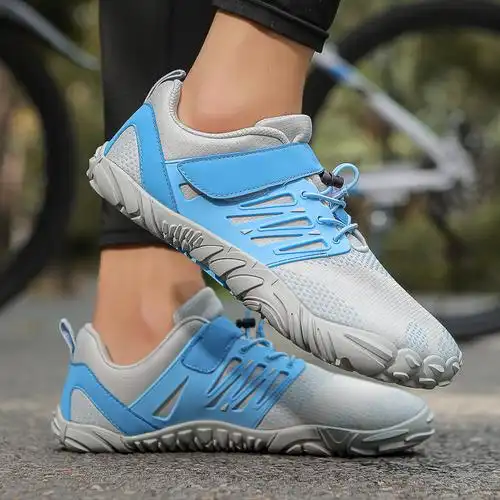
The athletic sector leads sustainable design due to rapid material turnover and consumers willing to try new technologies. Lightweight recycled mesh, bio-foams, and precision-engineered midsoles dominate this segment.
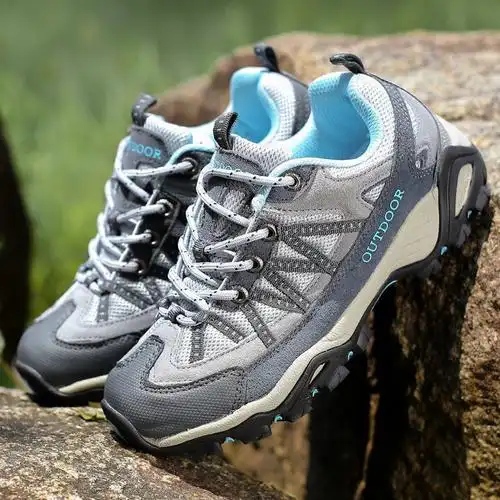
6.2 Outdoor and Hiking Footwear
Durability and weather resistance are essential for outdoor shoes. Manufacturers are incorporating recycled rubber outsoles, plant-based waterproof treatments, and tough bio-leathers capable of tackling rugged terrain.
6.3 Lifestyle and Casual Shoes
Casual shoes are adopting minimalist aesthetics combined with green materials. Slip-ons, loafers, and everyday sneakers increasingly rely on natural fabrics, breathable knit structures, and biodegradable components.
6.4 Work and Safety Footwear
Even work boots and safety shoes are integrating green innovations, such as recycled steel for toe caps, odor-resistant natural fiber linings, and reinforced eco-rubber soles.
7. Packaging and Logistics Undergo a Sustainability Makeover
Sustainable footwear goes beyond the product itself. Packaging materials, shipping efficiency, and bulk-transport methods all play roles in reducing environmental impact.
7.1 Lightweight Recyclable Packaging
Manufacturers are replacing traditional heavy boxes with lighter, stronger, and fully recyclable cardboard. Plant-fiber inserts and biodegradable protective materials reduce plastic waste.
7.2 Space-Optimized Cartons for Reduced Shipping Emissions
Smart packaging design helps increase container loading capacity, lowering shipping emissions per pair of shoes. Factories conduct layout simulations to optimize how products are stored and transported.
7.3 Green Supply Chain Management
Many production facilities are integrating supply chain data systems that track carbon output, material movement, and efficiency metrics. This allows factories to make fast adjustments to improve performance and reduce energy use.
8. Customization and Small-Batch Production Become Sustainable Tools
Demand for personalized footwear continues to rise, and customization is becoming a powerful sustainability tool by reducing overproduction.
8.1 On-Demand Production Reduces Inventory Waste
Instead of mass producing every model, suppliers are moving toward small-batch and made-to-order systems using automated machinery and rapid prototyping.
8.2 Digital Product Simulation Minimizes Prototyping Waste
3D design tools allow customers to visualize their products without physical samples. This reduces raw material consumption and shortens development cycles.
8.3 Custom Sizes Improve Consumer Satisfaction
Accurate sizing systems reduce returns and unsold inventory, helping brands operate more sustainably.
9. What Makes China a Global Leader in Sustainable Footwear for 2026
China’s footwear manufacturing edge comes from more than capacity—it comes from innovation and strategic adaptation.
9.1 Integrated Industrial Clusters
Manufacturing clusters enable suppliers to share resources, reduce transportation emissions, and develop sustainable materials collaboratively.
9.2 Fast Material Development Cycles
Material labs work closely with factories, allowing breakthroughs in recycled fibers, bio-foams, and sustainable leather alternatives to reach production quickly.
9.3 Skilled Workforce for Precision Manufacturing
Advanced machinery still requires skilled technicians. China’s experienced workers enable precise, high-quality output even with new eco-oriented technologies.
9.4 Strong Investment in Green Technology
Factories continue adopting renewable energy systems, smart robotics, material-tracking platforms, and automated quality-control processes—significantly reducing waste and energy use.
10. Looking Ahead: The Future of Eco-Friendly Footwear Beyond 2026
Sustainability is an evolving mission. The next wave of innovation will include:
- Fully biodegradable shoes
- Seamless mono-material construction
- AI-optimized carbon-neutral factories
- Greater integration of natural fibers and bio-based resins
- Wider adoption of recycling programs
- More transparent environmental scoring for each pair of shoes
The global demand for cleaner, safer, and greener footwear will only intensify, and Chinese manufacturers are positioned to lead the industry with scalable, eco-driven solutions.
Conclusion
The footwear industry of 2026 marks a turning point where sustainability, innovation, and efficient manufacturing intersect. China’s suppliers—supported by advanced materials, smart production systems, circular-economy principles, and responsible labor standards—remain central to global supply chains while driving the industry’s eco-future.
Sustainable footwear is not a trend; it is the new global standard. And the manufacturers who embrace long-term environmental responsibility will be the ones shaping the next generation of shoes worn around the world.
Article link:https://www.vlefooena.com/sustainable-footwear-trends-2025-chinas-top-shoe-supplier


No reply content