Steel structure houses have become a revolutionary choice in modern construction, offering a unique combination of durability, efficiency, and flexibility. For international buyers looking for high-quality, cost-effective, and export-ready housing solutions, steel structure houses are an ideal option. In this article, we will explore the advantages, applications, design possibilities, and export benefits of steel structure houses, helping buyers understand why they are a smart investment.
1. Understanding Steel Structure Houses
Steel structure houses are buildings whose primary framework is constructed from steel components such as beams, columns, and trusses. These structures can be prefabricated in factories, transported to the construction site, and quickly assembled with minimal labor. Unlike traditional brick-and-mortar buildings, steel structures offer precision, reliability, and a wide range of design possibilities.
Steel structure houses are suitable for various building types, including residential homes, commercial buildings, warehouses, and industrial facilities. They are compatible with modern prefabrication techniques, making them highly attractive for international buyers seeking efficient and high-quality solutions.
2. Advantages of Steel Structure Houses
2.1 Strength and Durability
One of the most significant benefits of steel structure houses is their exceptional strength. Steel is inherently strong, resistant to cracking, warping, and shrinking, which are common problems in traditional construction materials. These houses can withstand heavy loads, strong winds, and seismic activity, providing safety and peace of mind.
Durability is also a key factor for international buyers. Steel structures are corrosion-resistant when treated properly and maintain their structural integrity for decades with minimal maintenance. This longevity ensures a high return on investment for both residential and commercial projects.
2.2 Fast Construction
Steel structure houses are ideal for projects with tight timelines. Prefabrication allows major components to be manufactured in factories while site preparation occurs simultaneously. Once delivered, the steel frames can be assembled quickly, often reducing construction time by 50% or more compared to traditional methods.
For international projects, this fast construction is particularly beneficial. Shipping prefabricated components and assembling them on-site minimizes delays caused by local labor shortages or weather conditions, ensuring timely project completion.
2.3 Cost Efficiency
Cost savings are a major advantage of steel structure houses. Prefabrication reduces labor requirements and construction waste, lowering overall project expenses. Steel components are standardized, which ensures predictable costs and reduces the risk of budget overruns.
Moreover, these houses require less maintenance over time, saving money on repairs and structural reinforcement. For buyers looking to invest in export housing or commercial projects, this combination of affordability and long-term value is highly attractive.
2.4 Design Flexibility
Steel structures provide unmatched design flexibility. Architects and engineers can create open floor plans, multi-story buildings, and innovative layouts without the limitations imposed by traditional materials. Steel frames can span long distances without intermediate supports, allowing for wide, unobstructed interior spaces.
Customization is easy for international buyers. Steel structure houses can be tailored with different exterior finishes, insulation types, energy-efficient features, and interior layouts to suit local preferences and building codes.
2.5 Sustainability
Sustainability is an increasingly important factor in construction. Steel is 100% recyclable, and prefabricated steel houses generate minimal waste during production and assembly. Many manufacturers incorporate energy-efficient insulation, solar panels, and green building materials, reducing environmental impact.
For global buyers, offering sustainable housing options can enhance market appeal, meet international regulations, and contribute to long-term ecological benefits.
2.6 Fire and Pest Resistance
Steel structure houses are highly resistant to fire, termites, and other pests, making them safer and more reliable than wooden or brick structures. The inherent properties of steel reduce the risk of fire damage and infestations, ensuring the safety of occupants and protecting investment value.
3. Applications of Steel Structure Houses
Steel structure houses are versatile and can serve multiple purposes across residential, commercial, and industrial sectors:
- Residential Housing: Single-family homes, villas, and multi-unit apartment complexes.
- Commercial Buildings: Offices, shopping centers, showrooms, and restaurants.
- Industrial Facilities: Warehouses, factories, workshops, and storage facilities.
- Educational and Healthcare Buildings: Schools, clinics, and community centers.
- Temporary or Rapid-Deployment Projects: Emergency shelters, military housing, and project site accommodations.
The adaptability of steel structures allows them to meet diverse requirements in different climates and geographic locations, making them suitable for international markets.
4. Export Advantages for International Buyers
Steel structure houses are particularly attractive for export projects due to several factors:
- Factory Precision: Components are manufactured under strict quality control, ensuring consistency and reliability.
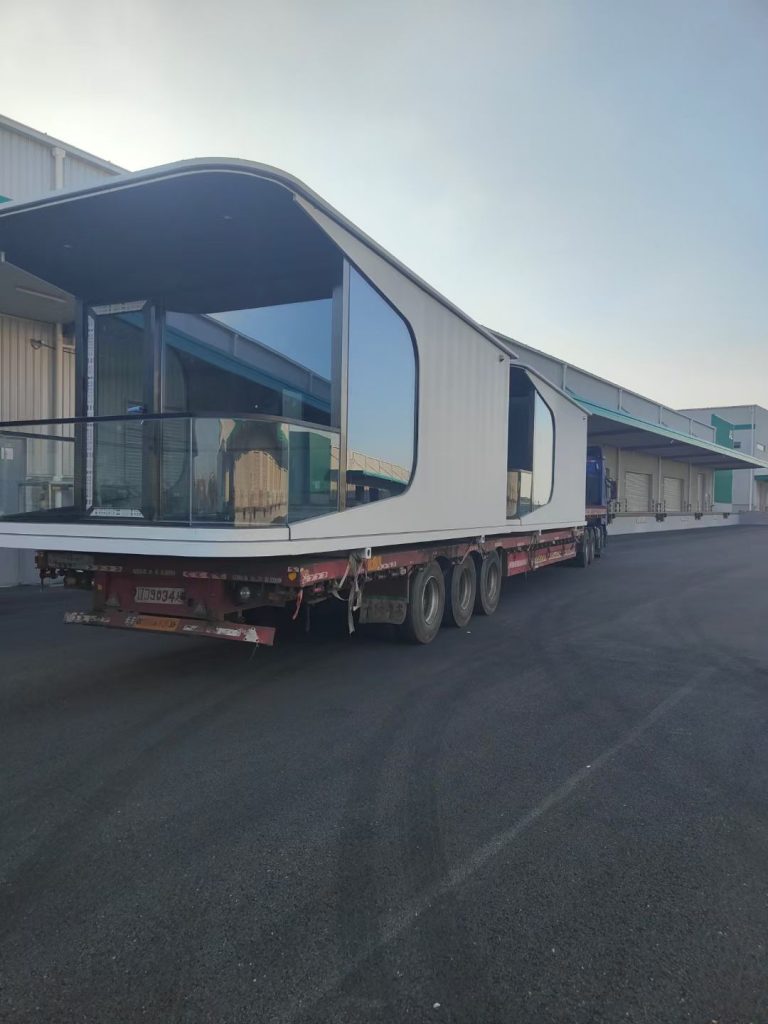
- Ease of Transportation: Prefabricated steel components are modular and easy to ship by sea, rail, or truck.
- Compliance with Standards: Many manufacturers provide steel houses that comply with international building codes and safety regulations.
- After-Sales Support: Export-oriented factories offer guidance on assembly, installation, and maintenance, simplifying the construction process for buyers.
These advantages help international buyers minimize risk, control costs, and achieve high-quality results in their projects.
5. Design Trends in Steel Structure Houses
Modern steel structure houses are not only practical but also aesthetically appealing. Current design trends include:
- Open and Spacious Interiors: Large spans and minimal columns create airy, flexible living and working spaces.
- Energy-Efficient Features: Insulation, double-glazed windows, and solar energy systems reduce energy consumption.
- Smart Home Integration: Automated lighting, temperature control, and security systems enhance convenience.
- Eco-Friendly Materials: Sustainable flooring, wall panels, and finishes promote environmental responsibility.
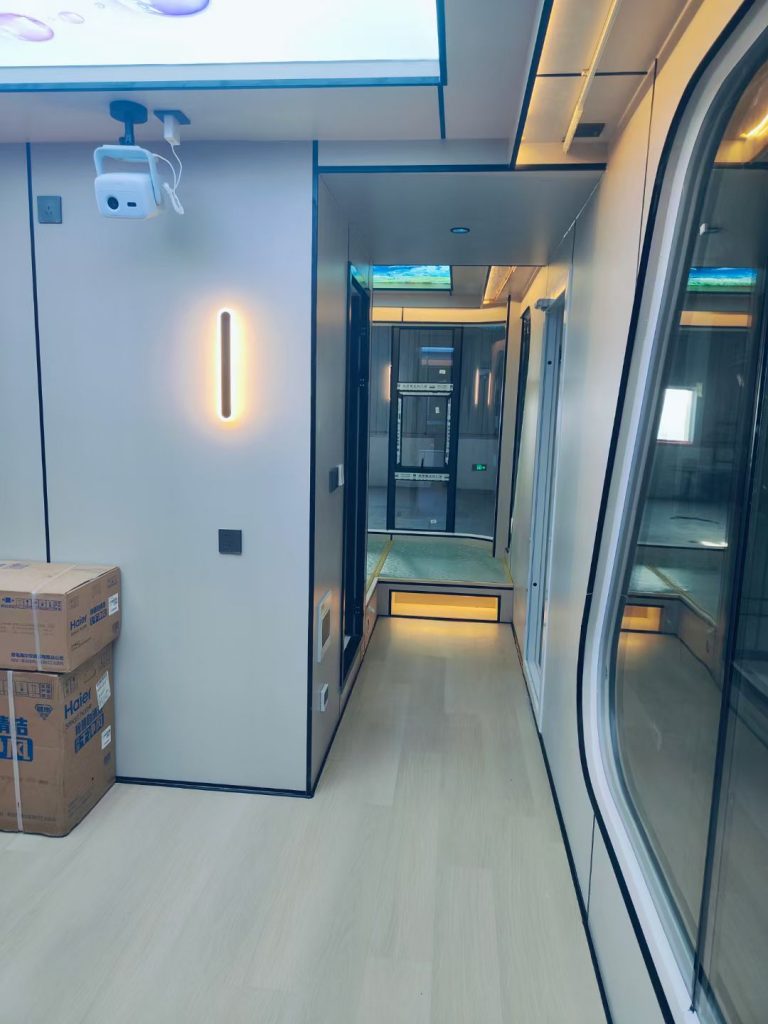
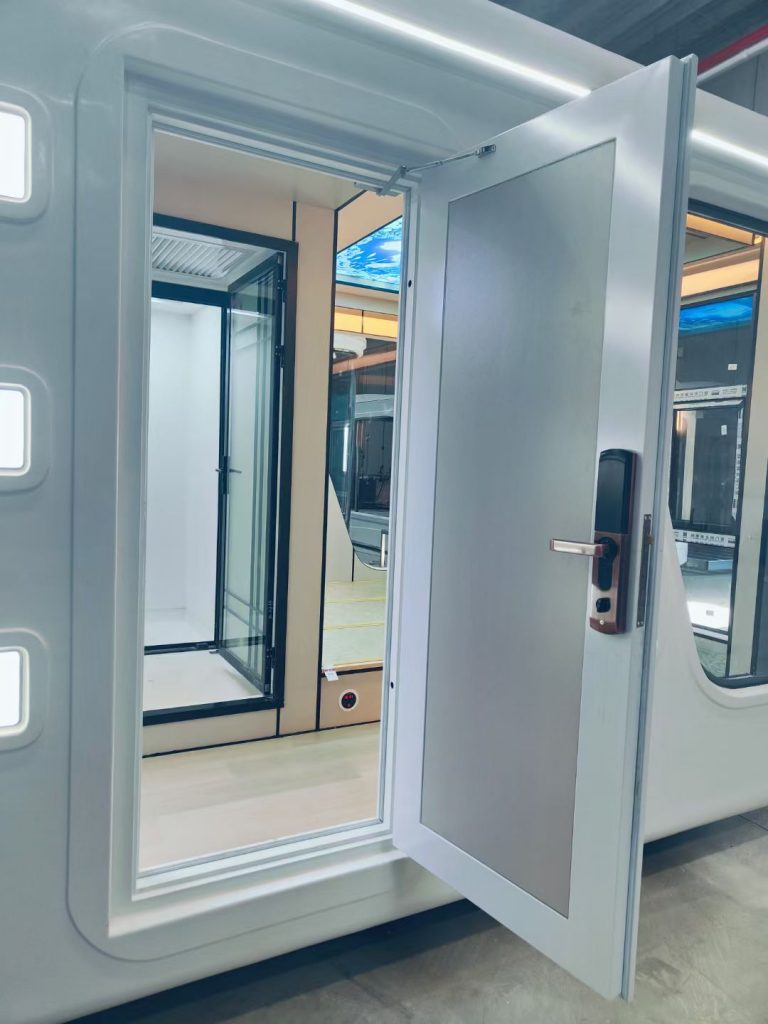
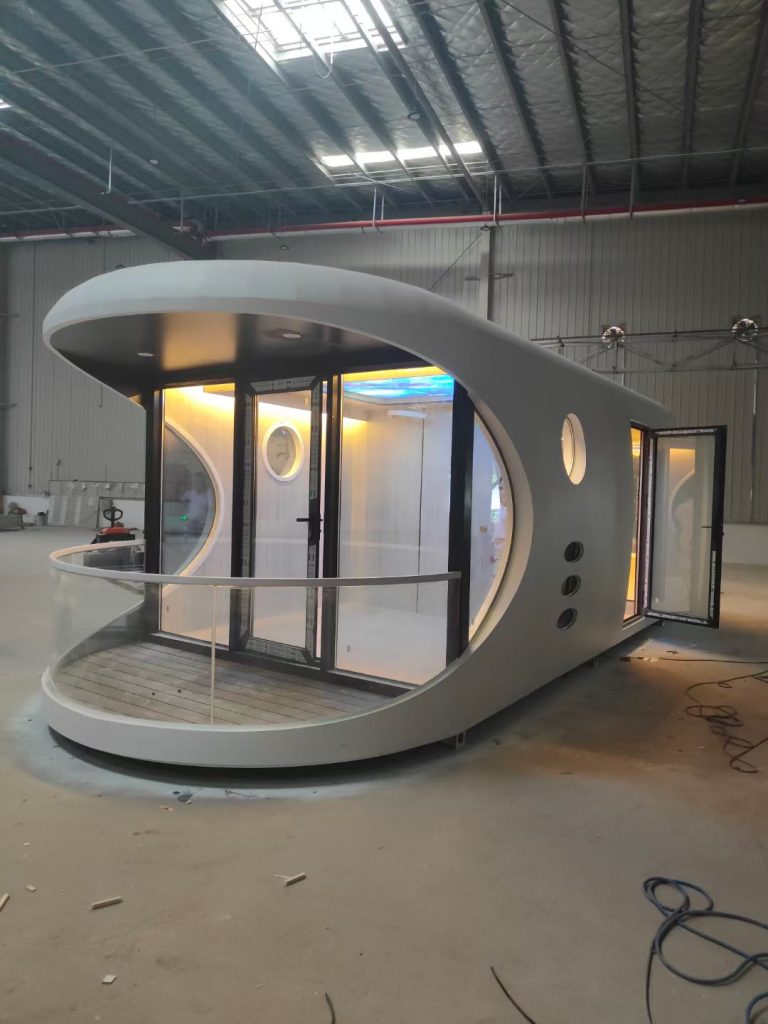
- Modern Aesthetics: Sleek lines, glass facades, and contemporary architectural styles meet international design expectations.
These trends make steel structure houses attractive to buyers seeking both functionality and style.
6. Maintenance and Longevity
Steel structure houses require minimal maintenance compared to traditional buildings. Regular inspections, anti-corrosion treatments, and cleaning are usually sufficient to maintain structural integrity. Proper maintenance can extend the lifespan of a steel house beyond 50 years, offering long-term value for international buyers.
7. Cost Comparison with Traditional Construction
When compared with brick-and-mortar construction, steel structure houses offer significant advantages:
- Lower Labor Costs: Prefabrication reduces on-site labor requirements.
- Reduced Construction Time: Faster assembly minimizes overhead and site expenses.
- Less Material Waste: Factory precision ensures efficient use of steel and other materials.
- Long-Term Savings: Minimal maintenance and high durability reduce lifetime costs.
These factors make steel structure houses a financially smart option for investors and developers worldwide.
8. Case Studies and Global Success
Steel structure houses have been successfully deployed in various countries, serving diverse purposes:
- In urban areas, they are used as high-rise residential complexes with open-plan designs.
- In industrial zones, they serve as durable warehouses and factories.
- For emergency relief, steel houses provide rapid-deployment shelters in disaster-affected regions.
- In commercial developments, they offer stylish offices and retail spaces with modern amenities.
These examples highlight the adaptability and global appeal of steel structure houses.
9. Future Prospects
As urbanization increases and sustainability becomes more critical, steel structure houses are poised for continued growth. Innovations such as modular construction, 3D-printed components, energy-efficient technologies, and smart home integration will further enhance their appeal. International buyers can capitalize on these trends to offer high-quality, sustainable, and modern housing solutions.
10. Conclusion
Steel structure houses represent a modern, durable, and flexible alternative to traditional construction. They combine speed, cost-efficiency, sustainability, and design freedom, making them ideal for residential, commercial, and industrial applications worldwide. For international buyers, investing in steel structure houses ensures reliable quality, easy transportation, and long-term value.
By partnering with an experienced manufacturer, buyers can access customizable, export-ready solutions that meet international standards and satisfy diverse market demands. Steel structure houses are not just buildings—they are smart investments for the future of global construction.
Article link:https://www.vlefooena.com/top-benefits-of-steel-structure-houses-for-international-buyers


No reply content