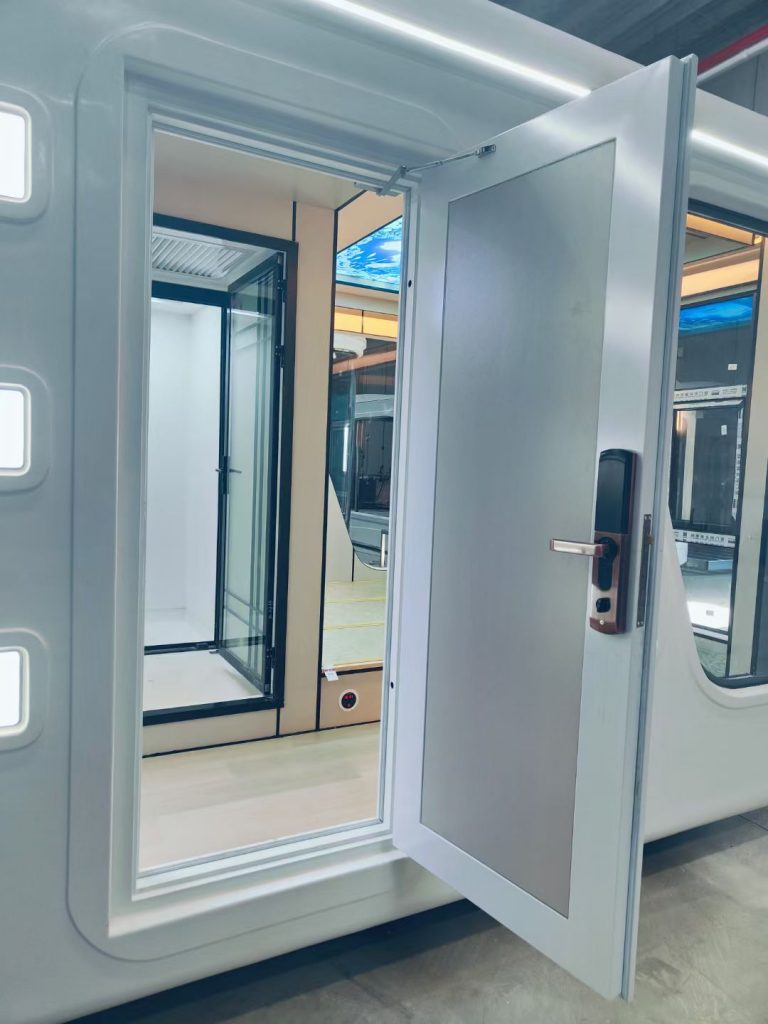
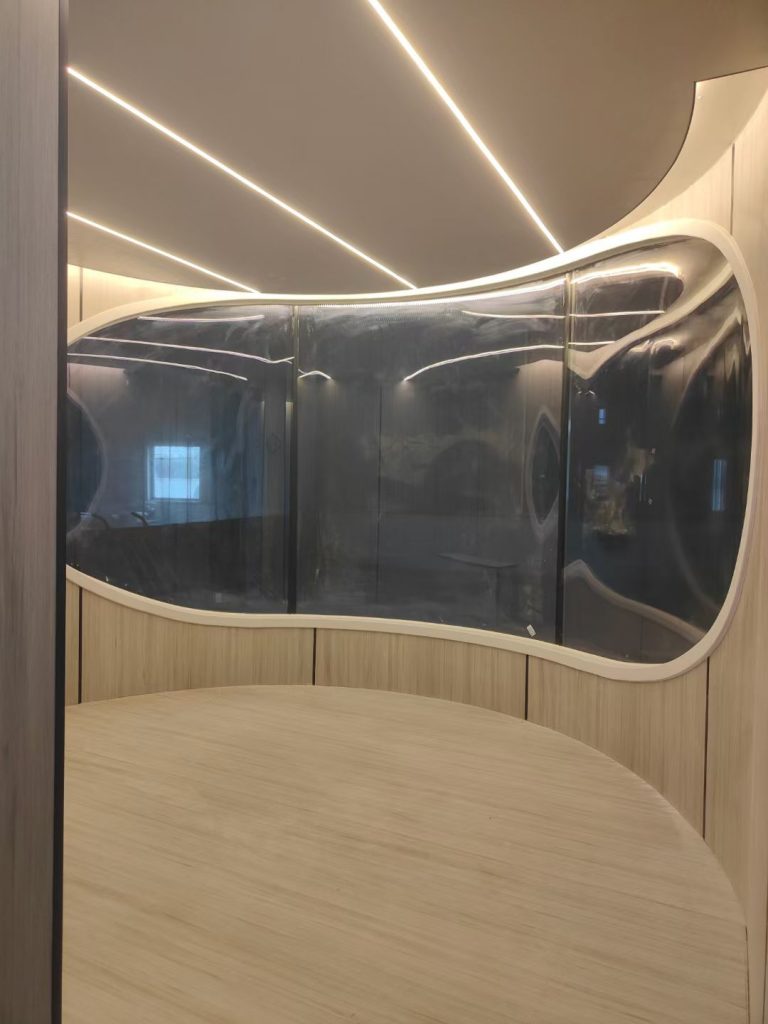
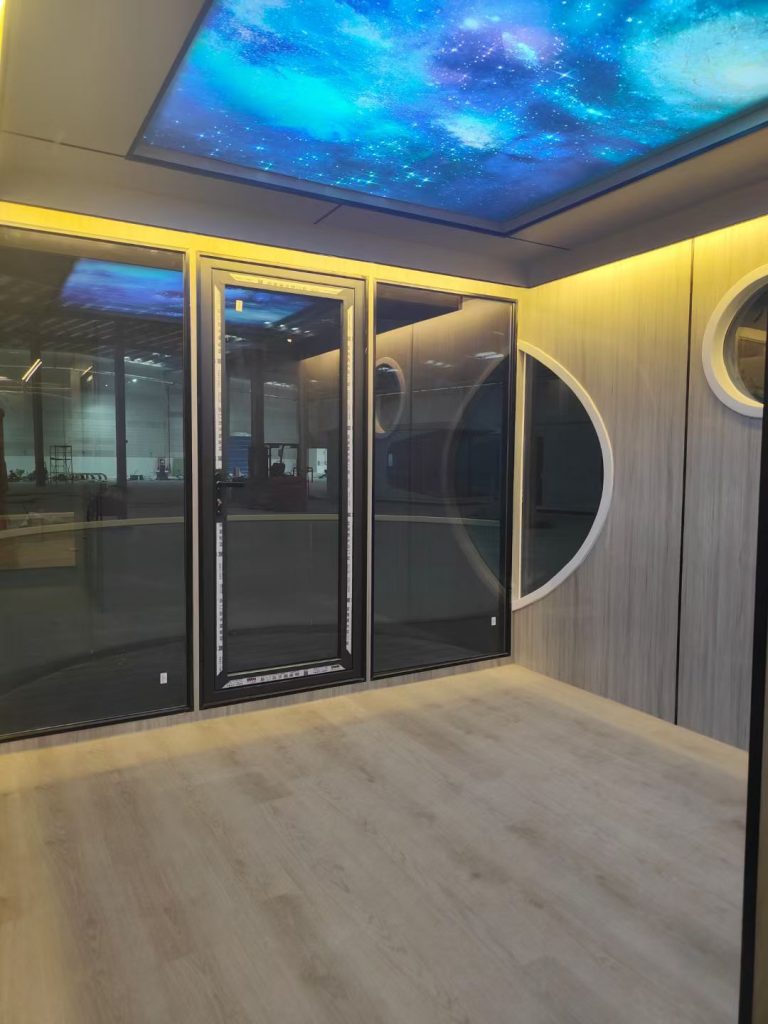
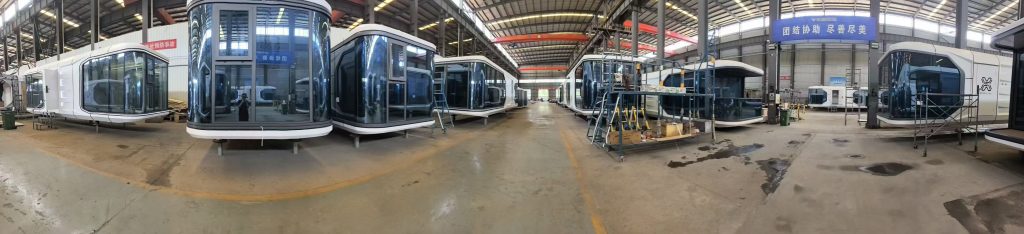
The global demand for flexible, sustainable, and rapidly deployable spaces has propelled modular pods into the spotlight, particularly in tourism and residential sectors. These compact, factory-produced units bridge the gap between temporary accommodation and permanent housing, offering a turnkey solution for diverse markets—from remote eco-tourism sites to urban infill projects. What sets them apart is their export optimization: engineered to navigate international logistics, regulatory landscapes, and cultural preferences while maintaining affordability and quality. This article explores how factory-produced modular pods are reshaping tourism and residential development, emphasizing their adaptability, efficiency, and global appeal.
1. The Dual Demand: Tourism and Residential Convergence
-
Scalability: Deploy 10 pods for a boutique glamping site or 100 for a suburban housing project.
-
Adaptability: Transform a tourist pod into a permanent home with minor modifications.
-
Experience-Centric Design: Large windows, outdoor decks, and nature-inspired interiors enhance both vacation and daily living.
2. Factory Production: Precision, Speed, and Quality Control
Automated Manufacturing
-
Robotic Assembly: Steel frames are welded by robotic arms with 0.1mm precision, ensuring structural integrity (seismic resistance up to 7.5 Richter scale).
-
Digital Design: BIM software maps every component, from electrical wiring to plumbing, reducing on-site errors by 90%.
-
Component Kitting: All materials (insulation, panels, fixtures) are pre-sorted into kits, accelerating assembly.
Quality Assurance
-
Load Testing: Supports 5x its weight (e.g., a 3-ton pod tested at 15 tons).
-
Weather Simulation: Spray-tested for 24 hours to validate waterproofing.
-
Fire Safety: Non-combustible mineral wool insulation meets EN 13501-1 Class A standards.
3. Export Optimization: Designing for Global Markets
Logistical Streamlining
-
Flat-Pack Design: Pods disassemble into panels fitting 20ft/40ft containers (4–6 units per container), cutting shipping costs by 30%.
-
Lightweight Materials: Composite panels (density 800kg/m³) reduce freight weight vs. concrete (2400kg/m³).
-
Rapid On-Site Assembly: A team of 3–4 workers erects a pod in 2–3 days using pre-installed connectors.
Regulatory Compliance
-
EU: CE marking (structural safety, energy efficiency).
-
US: ICC-ES reports (wind/ snow load resistance).
-
Asia-Pacific: JIS (Japan) and AS/NZS (Australia/New Zealand) standards.
Cultural Adaptation
-
Exteriors: Match local aesthetics (e.g., wood-look panels for Nordic cabins, stone veneers for Mediterranean resorts).
-
Interiors: Adjust layouts for cultural norms (e.g., larger communal areas in collectivist markets, private balconies in individualistic ones).
4. Tourism Applications: Immersive Stays, Minimal Impact
Glamping and Eco-Tourism
-
Design: Floor-to-ceiling windows, rooftop decks, and locally sourced materials (e.g., bamboo flooring in Southeast Asia).
-
Energy: Solar panels (3–5 kWh/day) power LED lighting and mini-fridges; composting toilets reduce water use by 50%.
-
Examples: A Norwegian fjord resort uses pods with heated floors and panoramic views, boosting bookings by 40% vs. traditional cabins.
Urban Tourism Hubs
-
Pop-Up Hotels: Pods cluster in vacant lots, creating temporary “hotel villages” for events (festivals, sports tournaments).
-
Micro-Apartments: In cities like Tokyo, 20m² pods with Murphy beds and fold-out desks cater to solo travelers.
Adventure Tourism
-
Remote Locations: Pods airlifted to mountain summits or desert oases, equipped with satellite Wi-Fi and backup generators.
-
Durability: Corrosion-resistant FRP cladding withstands salt spray (coastal) and sandstorms (desert).
5. Residential Applications: Affordable, Scalable Housing
Suburban Expansion
-
Density Solutions: Cluster pods in “pocket neighborhoods” with shared green spaces, approved in zoning laws for accessory dwelling units (ADUs).
-
Customization: Choose 1–3 bedroom layouts; add kitchenettes or home offices.
Remote Communities
-
Off-Grid Living: Pods with solar + battery storage (10kWh) and rainwater harvesting serve mining camps or indigenous settlements.
-
Disaster Recovery: After hurricanes, pods provide immediate housing (as seen in Puerto Rico, 2017).
Student and Senior Housing
-
Compact Efficiency: 15m² pods with built-in desks and emergency call buttons suit students or seniors.
-
Community Integration: Link pods with shared kitchens and lounges to foster social interaction.
6. Sustainability: Built for the Planet
Eco-Materials
-
Recycled Steel: Frames contain 85% post-consumer steel (e.g., old cars, appliances).
-
Bio-Insulation: Sheep’s wool and hemp replace petroleum-based foams.
-
Low-VOC Finishes: Plant-derived paints ensure healthy indoor air.
Energy and Water Systems
-
Net-Zero Potential: Solar + heat pumps achieve zero energy bills in sunny climates.
-
Greywater Recycling: Treats sink/shower water for toilet flushing, saving 30% water.
Circular Lifecycle
-
Disassembly: Pods break down into recyclable components (95% recovery rate) in <48 hours.
-
Repurposing: Retired tourist pods become backyard offices or artist studios.
7. Economic Benefits: Cost-Effective and Profitable
-
Lower Costs: 30–40% cheaper than site-built structures due to factory efficiency.
-
Faster ROI: A 50-pod resort generates revenue in 6 months vs. 18 months for traditional builds.
-
Scalability: Start small (10 pods) and expand as demand grows.
Conclusion: The Future of Flexible Living
Article link:https://www.vlefooena.com/tourism-residential-modular-pods-factory-produced-export-optimized


No reply content