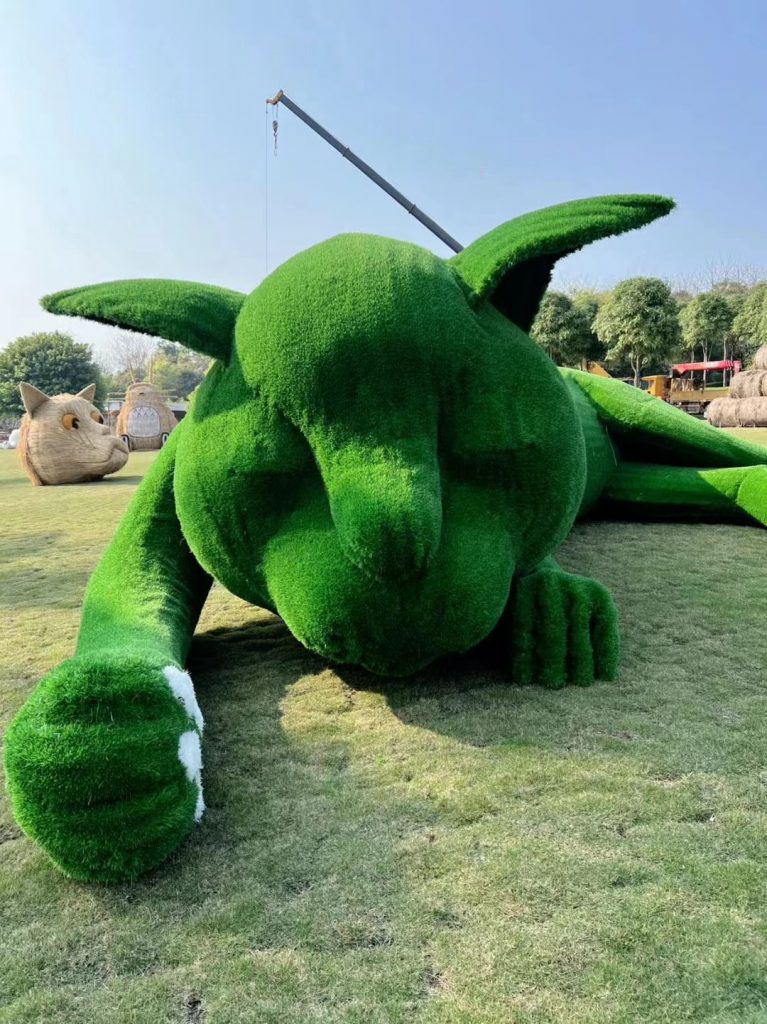
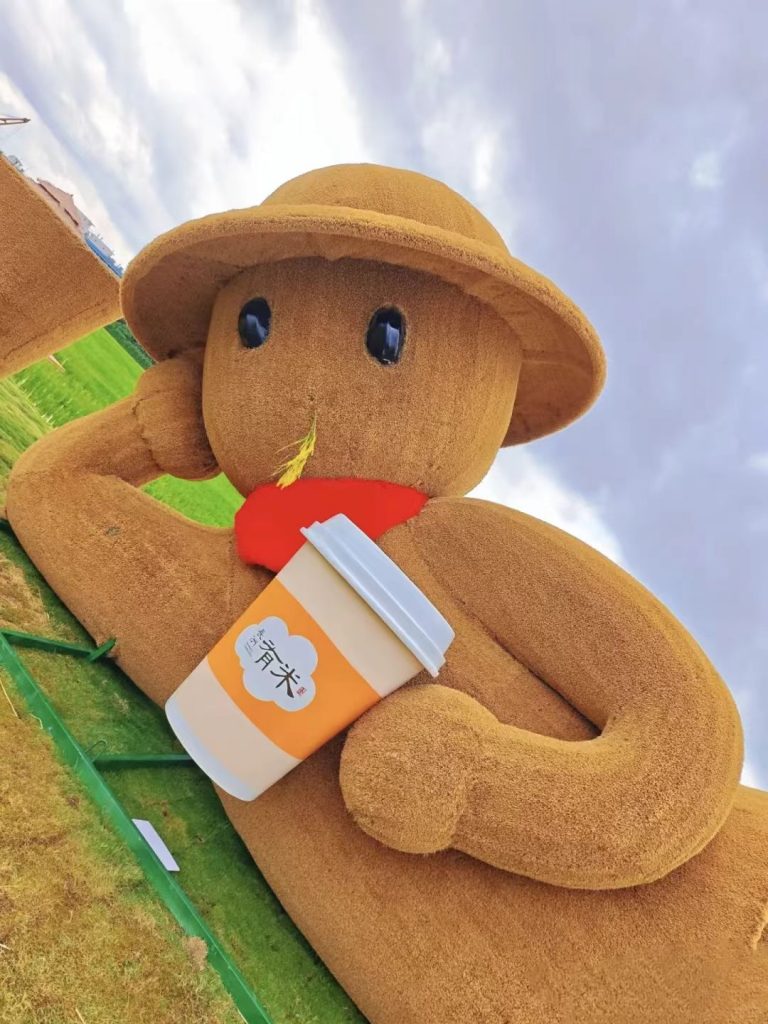
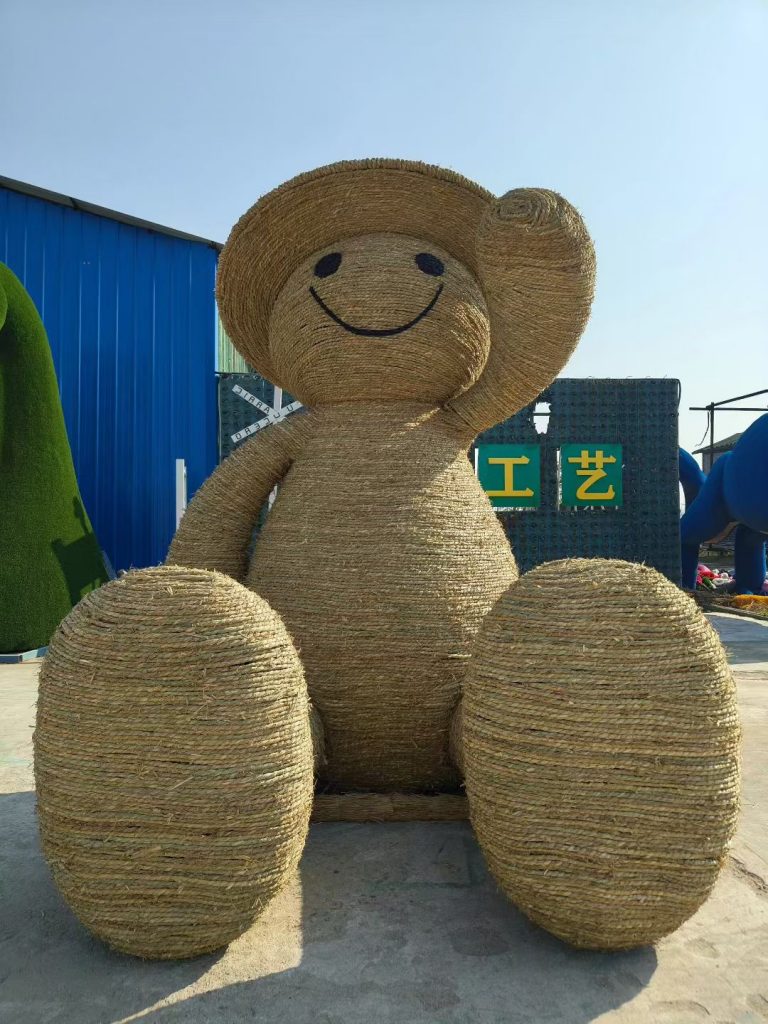
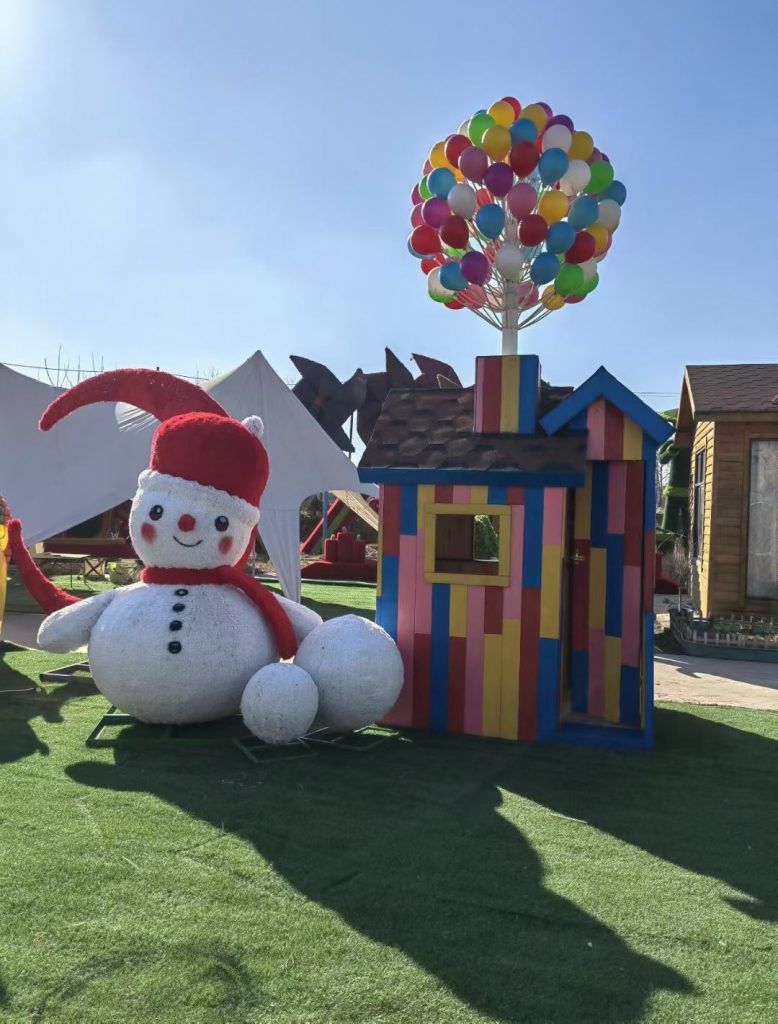
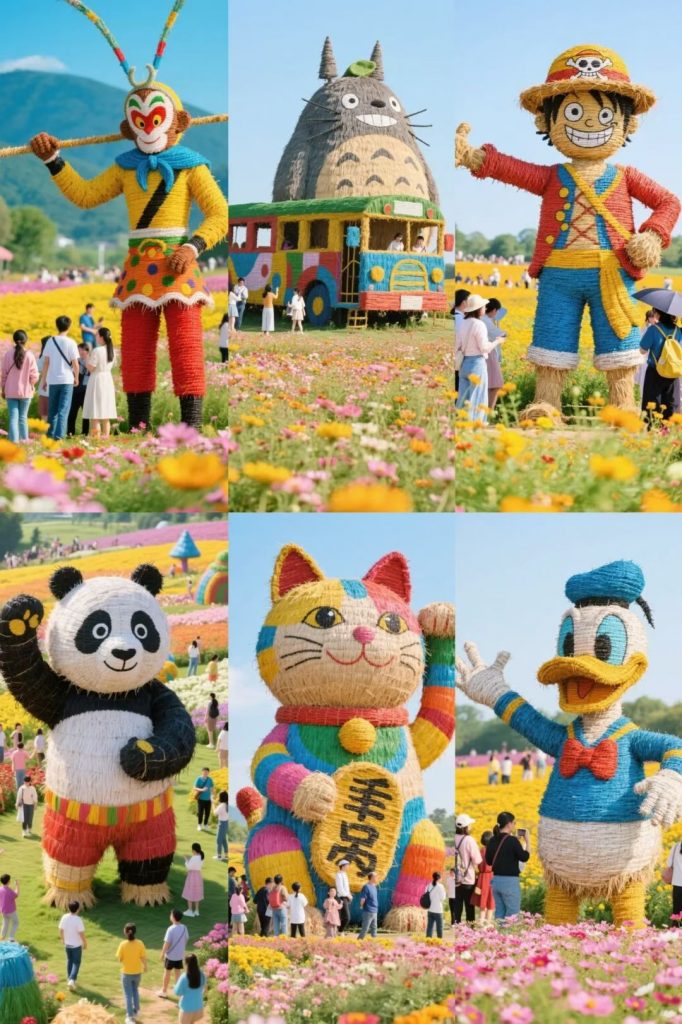
In the global marketplace of tourism and event design, differentiation is the currency of success. International tourist attractions—from UNESCO World Heritage sites to boutique eco-resorts—and flower shows—ranging from the Netherlands’ Keukenhof Tulip Festival to Japan’s Fuji Shibazakura Festival—compete fiercely for visitor attention. The challenge? Creating decor that is not only visually stunning but also culturally resonant, sustainable, and uniquely memorable. Amid this pursuit, a standout solution has emerged: unique giant panda straw art. These handcrafted installations blend the universal appeal of pandas with avant-garde design, natural materials, and adaptive storytelling, making them ideal for elevating international attractions and flower shows. This article explores the defining characteristics of this art form, its applications in global contexts, and why it has become a go-to choice for buyers seeking to make a bold statement.
The Global Demand for Unique Outdoor Art
The tourism and events industries are undergoing a paradigm shift. A 2024 report by the World Tourism Organization (UNWTO) reveals that 85% of international travelers prioritize “unique, culturally specific experiences” over generic attractions, with 72% willing to travel farther for destinations offering “instagrammable, story-driven decor.” Similarly, flower shows—once defined by floral arrangements alone—now integrate art installations to boost attendance and media coverage. For example, the 2023 Chelsea Flower Show in London reported a 30% increase in visitor engagement for exhibits featuring interactive art.
Traditional decor, however, often fails to meet these demands. Mass-produced metal or fiberglass statues lack originality, while generic straw sculptures miss the mark on cultural specificity. Unique giant panda straw art fills this gap by offering bespoke creativity: each piece is a one-of-a-kind work that merges the panda’s global iconography with local narratives, seasonal themes, and innovative design.
What Makes It “Unique”? Defining the Art Form
The term “unique” in this context encompasses three core pillars: design innovation, cultural localization, and interactive storytelling. Unlike standardized decor, these installations are tailored to the identity of the venue, the expectations of international audiences, and the goals of the event.
1. Design Innovation: Beyond the Realistic Panda
While realistic panda sculptures have their place, unique straw art pushes boundaries with experimental forms:
-
Abstract Interpretations: Geometric shapes, negative space, and distorted proportions (e.g., an oversized head with slender limbs) create a modern, artistic aesthetic. A “Pixel Panda” might resemble a 3D mosaic, with straw squares forming its black-and-white coat.
-
Mixed Media Fusion: Straw is combined with unexpected materials—dried flowers, seashells, recycled metals, or even LED lights—to add texture and meaning. A panda in a coastal tourist attraction could have a shell necklace; one in a desert flower show might be adorned with cactus spines.
-
Kinetic and Interactive Elements: Moving parts (waving arms, blinking eyes powered by solar sensors) or modular components (detachable bamboo shoots, interchangeable flower garlands) invite visitor participation. At a flower show, a panda’s “paws” might dispense seeds for guests to plant later.
This innovation ensures the art stands out in crowded landscapes, appealing to younger, design-savvy travelers and event-goers.
2. Cultural Localization: Telling a Place’s Story
International attractions and flower shows thrive on authenticity. Unique panda straw art achieves this by weaving local culture into the design:
-
Regional Motifs: A panda in a Japanese garden might wear a kimono patterned with cherry blossoms; one in a Mexican flower show could sport a sombrero decorated with marigolds.
-
Historical References: For a heritage site, a panda could be depicted alongside symbols of local history (e.g., ancient pottery, traditional architecture).
-
Language Integration: Phrases in the local language (e.g., “Welcome” in Thai for a Bangkok attraction) or indigenous patterns (Aboriginal dot painting for an Australian resort) add a layer of cultural immersion.
By reflecting the venue’s identity, the art becomes more than decor—it becomes a conversation starter about place and identity.
3. Narrative Depth: From Sculpture to Storyteller
Every unique panda straw art piece tells a story. Designers collaborate with clients to embed narratives into the sculpture:
-
Conservation Journeys: A panda “climbing” a ladder made of recycled plastic bottles symbolizes the fight against pollution.
-
Seasonal Tales: For a spring flower show, a panda might emerge from a “bud” of straw and flowers; for autumn, it could hold a basket of fallen leaves.
-
Community Connections: A “Family Panda” series (parent and cub) can represent local community bonds, with the base inscribed with stories from residents.
These narratives resonate with international audiences, who increasingly seek experiences that educate as well as entertain.
Applications in International Tourist Attractions
For tourist attractions—whether natural wonders, cultural sites, or man-made resorts—unique panda straw art serves as a landmark, educator, and social media magnet.
1. Landmark Creation
In vast landscapes, a unique panda sculpture acts as a visual anchor. A 25-foot “Floating Panda” suspended above a canyon (using hidden steel cables) or a “Mountain Panda” perched on a cliff edge (blending with rock textures) becomes an iconic photo spot. For example, a Swiss alpine resort installed a panda made of straw and local pine cones, which now features on 40% of the resort’s Instagram posts.
2. Educational Platforms
Attractions focused on conservation or culture use pandas to teach. A panda “examining” a map of its native habitat (paired with QR codes linking to videos about deforestation) turns the sculpture into an interactive lesson. Zoos and wildlife parks often commission series of pandas to depict life cycles (cub to adult) or conservation success stories.
3. Cultural Event Backdrops
During festivals (Chinese New Year, Diwali), pandas are dressed in themed attire (red silk for Lunar New Year, diyas for Diwali) and placed at event entrances. Their unique designs—such as a panda playing a traditional instrument—celebrate cultural diversity, attracting both local and international visitors.
Transforming Flower Shows: From Blooms to Artistic Centerpieces
Flower shows rely on unique art to differentiate themselves. Giant panda straw installations excel here by bridging the gap between floral beauty and sculptural art.
1. Seasonal Focus Points
A panda surrounded by seasonal blooms (tulips in spring, dahlias in summer) becomes the show’s mascot. For the 2024 Portland Rose Festival, a panda with a “rose crown” (woven from real roses) drew crowds of 50,000+ in its first weekend.
2. Interactive Exhibits
Shows use pandas to engage visitors:
-
“Feed the Panda” Stations: Kids “feed” the sculpture with artificial bamboo, triggering a sensor that plays panda sounds.
-
Art Workshops: Visitors help artisans weave small panda figures from straw, fostering hands-on learning.
-
Photo Contests: Unique poses (a panda “smelling” a flower) encourage creative photos, with winners featured on show websites.
3. Brand Collaborations
Flower shows partner with brands to create co-branded pandas. A luxury hotel might sponsor a panda wearing a branded scarf, with proceeds from photo fees donated to conservation. This synergy boosts brand visibility and supports good causes.
The Craftsmanship: Merging Tradition with Innovation
Creating unique giant panda straw art is a meticulous process that balances artisanal skill with modern engineering.
1. Material Sourcing: Local and Sustainable
Straw is sourced from regional farms (minimizing carbon footprint) and selected for flexibility and durability. For mixed-media pieces, artisans use locally available materials—driftwood from beaches, shells from coastal areas—to enhance authenticity.
2. Design and Prototyping
3D modeling software (Blender, Maya) helps visualize complex designs, while physical prototypes (foam or clay) test structural integrity. Clients approve iterations, ensuring the final piece aligns with their vision.
3. Frame and Straw Application
A steel or aluminum frame (recyclable, 95% post-consumer content) provides structure. Artisans layer straw using non-toxic, plant-based glue, paying attention to texture: short strands for smooth areas (face), long strands for shaggy fur (back). Mixed-media elements are woven in at this stage.
4. Testing and Installation
Sculptures undergo wind (up to 100 km/h) and load-bearing tests. For international shipping, they’re disassembled into modular sections, packaged with protective materials, and reassembled on-site by local teams (guided by video tutorials).
Sustainability: A Global Imperative
With 80% of international travelers prioritizing eco-friendly experiences (Booking.com, 2024), unique panda straw art’s sustainability is a key selling point:
-
Straw as a Byproduct: Uses agricultural waste (1 ton of straw = 500 kg of diverted debris).
-
Biodegradability: Decomposes in 1–2 years (vs. fiberglass’s 1,000+ years).
-
Low Carbon Footprint: Local sourcing, handcrafting, and solar-powered interactive elements minimize emissions.
Many installations earn certifications like LEED or Green Key, enhancing the venue’s reputation as a sustainable destination.
Case Study: A Dutch Flower Show’s Viral Success
The 2023 Keukenhof Tulip Festival faced declining attendance due to competition from newer shows. Organizers commissioned a unique panda straw sculpture:
-
Design: A 20-foot panda “emerging” from a tulip bud, with petals woven into its straw fur and a “watering can” made from recycled plastic in one paw.
-
Integration: The base included a small pond with koi fish (symbolizing harmony) and a QR code linking to a video about tulip cultivation.
-
Result: Attendance rose by 45% (to 1.2 million visitors), social media mentions increased by 250% (including a viral TikTok with 10 million views), and the sculpture was featured in National Geographic.
Choosing a Partner for Unique Panda Straw Art
For international buyers, selecting the right artisan is critical. Look for:
-
Global Portfolio: Experience with attractions/flower shows in diverse regions (Asia, Europe, Americas).
-
Innovation Track Record: Examples of abstract, mixed-media, or interactive designs.
-
Cultural Sensitivity: Ability to incorporate local motifs respectfully.
-
Sustainability Certifications: Proof of eco-friendly practices (local sourcing, biodegradable materials).
-
Export Expertise: Experience with international shipping, customs, and installation support.
Conclusion: Unique Art for a Connected World
Unique giant panda straw art is more than decor—it is a bridge between cultures, a storyteller of place, and a testament to sustainable creativity. For international tourist attractions, it creates landmarks that draw visitors and spark curiosity. For flower shows, it transforms blooms into unforgettable experiences.
In a world where travelers and event-goers seek authenticity and innovation, this art form delivers. It combines the panda’s universal charm with the uniqueness of bespoke design, proving that the best decor doesn’t just decorate—it connects, educates, and endures.
For any buyer aiming to make a mark on the global stage, investing in unique giant panda straw art is not just a choice—it is a statement: that their destination or event is one of a kind. And in the race for attention, that is the ultimate advantage.
Article link:https://www.vlefooena.com/unique-giant-panda-straw-art-for-international-tourist-attractions-flower-show-decor


No reply content