
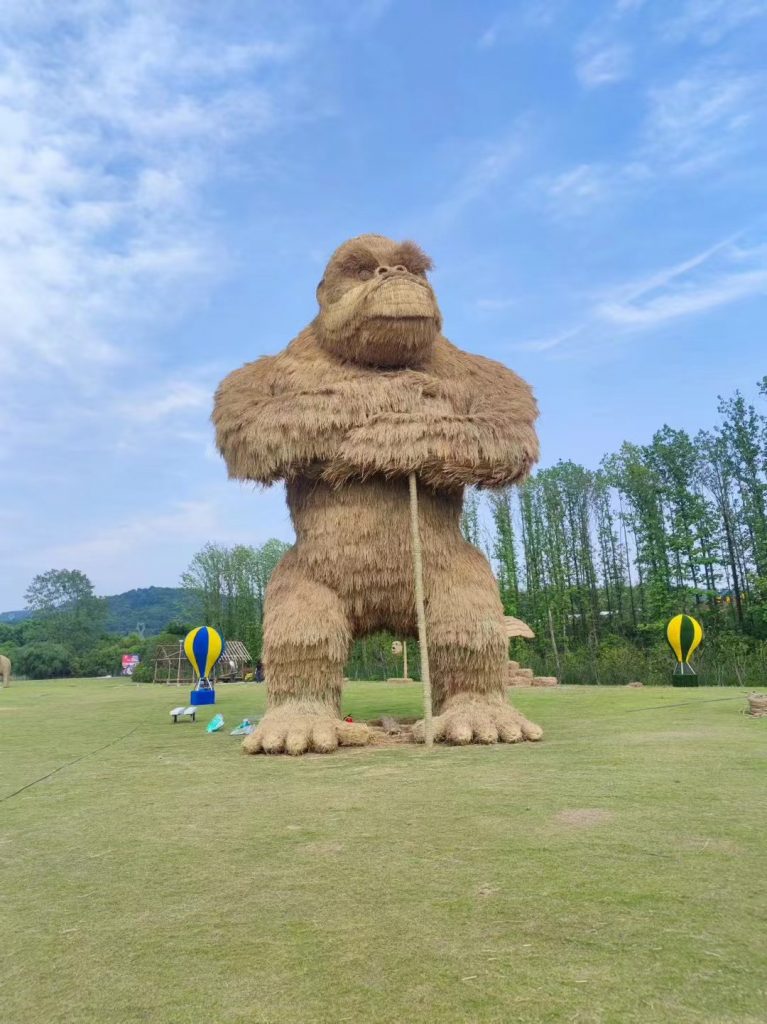
Title: Weaving Tradition into Modern Agritourism: The Global Rise of Sheep – and – Grain Strawman Installations
Introduction
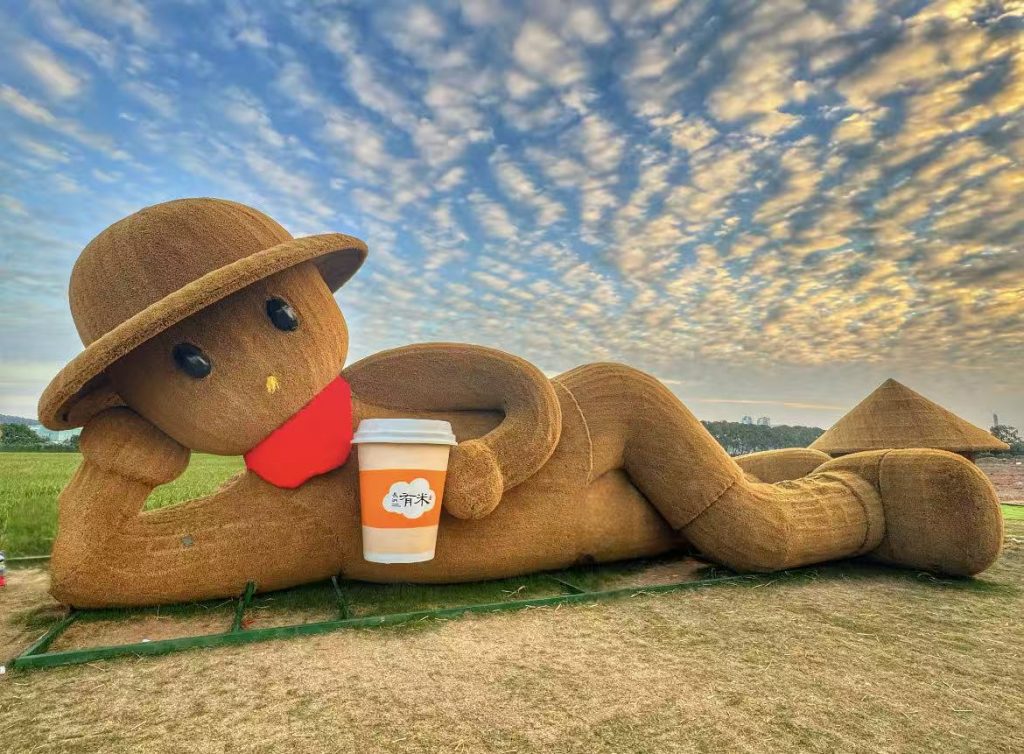
In the evolving landscape of agritourism, strawman installations have emerged as powerful symbols of rural identity, blending artistic expression with cultural storytelling. A compelling example lies in the fusion of sheep and grain—two pillars of agricultural heritage—embodied by recent installations that celebrate coexistence between livestock, crops, and human communities. This article explores how these designs captivate global audiences, drive economic growth, and preserve cultural narratives in rural destinations.
The Symbolic Power of Sheep and Grain
Sheep and grain are universal icons of agrarian life, each carrying profound cultural resonance:
-
Sheep: Represent livelihoods, communal bonds, and harmony with nature. Across cultures, they symbolize prosperity (e.g., “year of the sheep” in East Asia), fertility, and resilience.
-
Grain: Embodies sustenance, civilization, and the cyclical rhythm of harvests. From rice in Asia to wheat in Europe, grains are foundational to food security and cultural rituals.
Together, these elements create a narrative of sustainability, interconnectedness, and ancestral wisdom—ideal themes for agritourism experiences aiming to educate and inspire.
Designing Immersive strawman Installations
Modern strawman designs leveraging sheep and grain symbolism prioritize authenticity, interactivity, and visual storytelling:
1. Material Authenticity
-
Natural Materials: Straw, hay, and organic fibers reflect traditional craftsmanship while blending with rural backdrops.
-
Regional Motifs: Incorporate local textiles (e.g., Scottish tartans, Southeast Asian batik) or agricultural tools (e.g., shears, sickles) to emphasize cultural specificity.
-
Grain – Centric Details: Sculptures may feature grain – themed accessories like sheaves of wheat, rice paddies, or even miniature granaries.
2. Sheep – Inspired Elements
-
Livestock Integration: Some installations depict sheep alongside farmers, symbolizing pastoral symbiosis. Others use sheep – shaped cutouts or interactive elements (e.g., wool – spinning stations).
-
Dynamic Poses: Sheep – themed strawmen might be shown grazing, protecting crops, or guiding visitors through fields, enhancing narrative depth.
3. Multisensory Engagement
-
Soundscapes: Incorporate ambient noises like sheep bleats or bird songs to immerse visitors.
-
Tactile Experiences: Allow touching straw textures or grain samples (where safe) to connect with rural life.
Global Applications Across Industries
Sheep – and – grain – themed installations cater to diverse agritourism and commercial sectors:
1. Agritourism Farms and Vineyards
-
Educational Tours: Installations near crop fields or vineyards explain the relationship between livestock (e.g., sheep for weed control) and grain cultivation.
-
Photo Opportunities: Iconic poses (e.g., a strawman cradling a basket of grain while sheep graze nearby) dominate social media feeds.
2. Rural Festivals and Events
-
Harvest Celebrations: Strawmen representing grain deities or mythical protectors of flocks anchor festival grounds.
-
Cultural Parades: Mobile strawman floats showcase regional dance, music, and folklore tied to sheep herding and grain harvesting.
3. Urban Renewal Projects
-
Public Parks: Installations in cities evoke nostalgia for rural life, sparking dialogue about food systems and sustainability.
-
Shopping Districts: Themed displays attract tourists and locals alike, driving foot traffic to nearby markets or restaurants.
4. Corporate Social Responsibility (CSR) Initiatives
-
Sustainability Campaigns: Brands partner with rural communities to build strawman installations promoting regenerative agriculture or fair trade practices.
Market Trends Fueling Demand
Several global forces drive the popularity of sheep – and – grain – centered strawman installations:
1. The ‘Experience Economy’ Boom
Post – pandemic, travelers seek immersive, shareable moments. A 2023 study revealed that 72% of Gen Z prioritizes destinations with unique cultural activities.
2. Social Media as a Marketing Tool
Visually striking installations generate organic publicity. Hashtag campaigns like #SheepAndGrainArt or #RuralRevival trend globally, particularly among eco – conscious millennials.
3. Government Support for Rural Development
Countries like Japan, France, and Thailand fund agritourism projects to revitalize rural economies. Public art installations qualify for subsidies due to their role in community engagement.
4. Sustainability Imperatives
Eco – friendly materials and designs align with decarbonization goals. A 2024 report found that 80% of agritourism businesses prioritize sustainable practices.
Case Studies: Impactful Sheep – and – Grain Narratives
While maintaining anonymity, here are anonymized examples of successful implementations:
Case Study 1: The Shepherd’s Harvest (Ireland)
A 15 – foot strawman dressed in traditional Irish woolens stood beside a working farm. Nearby, sheep roamed freely, and visitors could participate in wool – spinning workshops. The installation increased farm ticket sales by 45% and featured in National Geographic.
Case Study 2: Golden Fields Festival (Vietnam)
During the rice harvest, strawmen holding grain – filled baskets were placed in paddy fields. Each figure represented a local deity associated with fertility, drawing Buddhist pilgrims and tourists. Local vendor revenue surged by 60%.
Case Study 3: Urban Oasis Project (Canada)
In Vancouver, a strawman installation symbolizing harmony between urban dwellers and rural farmers was installed in a downtown plaza. Interactive screens explained food origins, sparking conversations about sustainability.
Designing for Accessibility and Inclusivity
To ensure broad appeal:
-
Multilingual Signage: Provide descriptions in local languages and English.
-
Accessible Pathways: Design installations with ramps and clear sightlines for elderly or disabled visitors.
-
Cultural Sensitivity: Collaborate with local communities to avoid misrepresentation of traditions.
Sustainability in Production and Maintenance
Long – lasting installations require careful planning:
-
Eco – Materials: Use recycled plastics, bamboo, or organic dyes.
-
Modular Design: Enable easy transport and assembly for pop – up exhibitions.
-
Weatherproofing: Apply UV – resistant coatings and drainage systems to prevent damage.
Marketing Strategies for Global Reach
To attract international buyers:
-
Virtual Tours: Offer 3D renderings or AR previews on websites.
-
Influencer Partnerships: Collaborate with travel bloggers or artists to showcase installations globally.
-
Trade Show Presence: Exhibit at agritourism, tourism, and art festivals.
-
Storytelling Content: Share videos of the design process, community impact, and visitor testimonials.
Overcoming Challenges in International Markets
Exporters should address:
-
Logistics: Partner with freight forwarders specializing in oversized cargo.
-
Cultural Adaptation: Modify designs to respect local customs (e.g., avoiding religious symbols).
-
Regulatory Compliance: Ensure adherence to import/export regulations, including material safety standards.
Future Outlook
As agritourism grows, so will demand for culturally rich installations. Emerging trends include:
-
Tech Integration: Augmented reality features that animate strawmen or provide historical context.
-
Themed Resorts: Immersive experiences combining strawman art with glamping or wellness programs.
-
CSR Collaborations: Brands partnering with rural communities to co – create installations promoting sustainability.
Conclusion
Strawman installations blending sheep and grain symbolism are more than decorative objects—they are cultural ambassadors that bridge tradition and modernity. By celebrating agricultural heritage, fostering community pride, and driving economic growth, these installations redefine rural tourism. For manufacturers and designers, the key to success lies in crafting stories that resonate globally while honoring local roots. As the world increasingly seeks meaningful connections to nature and heritage, the future of agritourism shines brighter than ever.

No reply content