
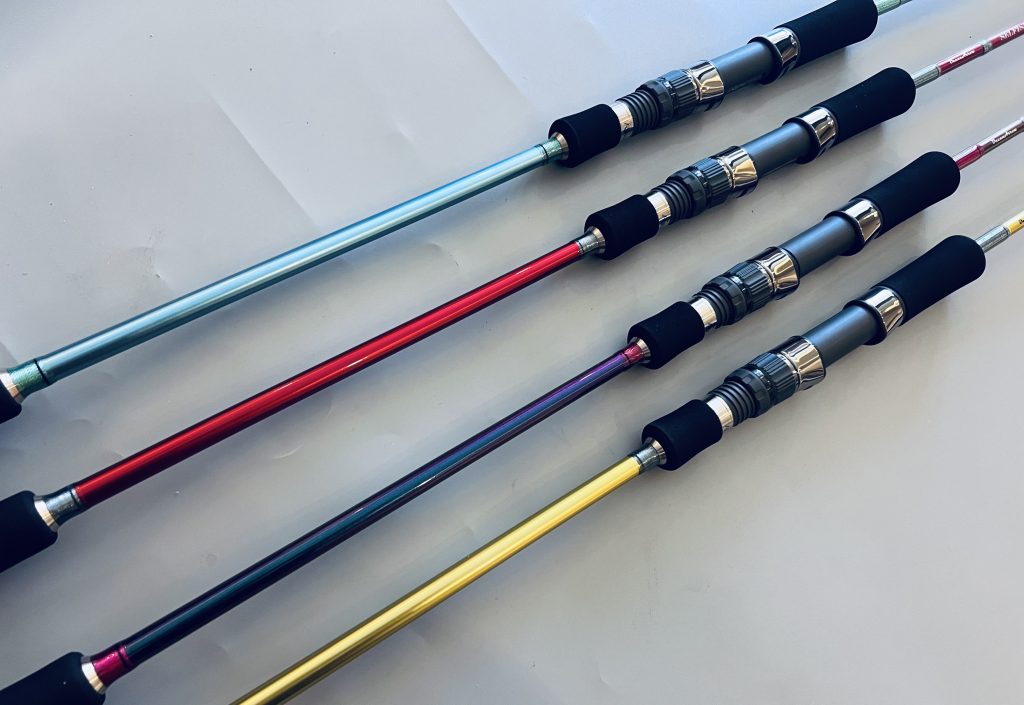
Finding a reliable carbon fiber fishing rod manufacturer in China can help fishing tackle wholesalers, importers, distributors, and private-label brands develop products for their target markets.
When sourcing fishing rods, buyers need to evaluate product specifications, material options, customization capabilities, quality control, packaging, and supplier communication before placing a bulk order.
This guide explains what international buyers should consider when sourcing carbon fiber fishing rods from China and how to prepare an effective supplier inquiry.
1. Why Source Carbon Fiber Fishing Rods from China?
China is an important sourcing market for fishing tackle and fishing equipment. International buyers may explore Chinese suppliers for wholesale fishing rods, custom product development, and private-label manufacturing.
Before choosing a supplier, buyers should determine whether the available products match their intended market and sales channel.
Common sourcing considerations include:
- Product variety and fishing rod specifications
- Carbon fiber material options
- OEM and ODM customization requirements
- Wholesale purchasing arrangements
- Custom logos and packaging
- Sample evaluation and quality inspection
- Export packaging and shipping arrangements
Not every supplier offers the same products or manufacturing services. Buyers should confirm the supplier’s actual capabilities before making a purchasing decision.
2. Types of Carbon Fiber Fishing Rods Available for Wholesale
Different fishing applications require different rod designs. Before requesting a quotation, buyers should identify the product category that best fits their customers.
Spinning Fishing Rods
Spinning rods are commonly used for recreational fishing and are available in different lengths, power ratings, and actions.
Wholesale buyers should consider the intended fishing environment, target species, and preferences of their customers when selecting specifications.
Casting Fishing Rods
Casting rods are designed for use with casting reels. Buyers should check reel compatibility, rod power, action, handle design, and intended application.
For private-label projects, these specifications should be agreed upon before sample approval.
Telescopic Fishing Rods
Telescopic fishing rods feature a collapsible design that makes them convenient to carry and store.
They may be suitable for travel-oriented fishing products, outdoor retailers, and online fishing equipment businesses.
Buyers should evaluate the collapsed length, extended length, weight, section connections, and durability.
Custom Carbon Fiber Fishing Rods
Some buyers require fishing rods developed for a particular market or brand.
Depending on the supplier’s capabilities, customization may involve:
- Rod length and power
- Blank material and construction
- Handle materials and design
- Guides and reel seats
- Color and decorative finishes
- Brand logos
- Product packaging
Confirm which options the supplier can actually provide before including them in your purchasing specifications.
3. How to Choose a Reliable Carbon Fiber Fishing Rod Supplier
Choosing a supplier involves more than comparing quotations.
International buyers should assess the following factors before proceeding with a commercial order.
Product Specifications
Request a detailed specification sheet for each product.
Important details may include:
- Rod type and intended application
- Overall length and section configuration
- Material description
- Rod weight
- Power and action
- Guide and reel seat specifications
- Handle material
- Recommended fishing conditions
Clear specifications help buyers compare products and reduce misunderstandings during production.
Manufacturing and Customization Capabilities
If you are looking for an OEM or private-label supplier, ask which parts of the product can be customized.
Confirm whether the supplier manufactures the rods directly, works with manufacturing partners, or primarily operates as a trading company.
Ask for relevant product samples, factory information where applicable, and evidence supporting any manufacturing claims.
Quality Control
Fishing rod quality can affect product performance, customer satisfaction, and return rates.
Before ordering in bulk, buyers should discuss inspection procedures for:
- Rod blank appearance and finish
- Guide alignment and installation
- Reel seat and handle assembly
- Joint connections
- Surface defects
- Packaging and labeling
For customized products, agree on the sample approval process and acceptable quality requirements before mass production.
Communication and Export Experience
A supplier should be able to understand your specifications, respond clearly to technical questions, and coordinate the purchasing process.
Buyers should also confirm export documentation requirements, packaging arrangements, and shipping responsibilities before placing an order.
4. OEM and Private-Label Fishing Rod Manufacturing
OEM and private-label services can help fishing tackle businesses develop products under their own brands.
For example, a distributor may want to sell carbon fiber spinning rods with a customized logo, handle design, and retail packaging.
Depending on the supplier’s capabilities, an OEM project may involve several stages.
Step 1: Define the product
Identify the rod type, target customers, specifications, and expected retail positioning.
Step 2: Confirm customization options
Discuss logos, colors, handles, guides, reel seats, and packaging.
Step 3: Request a sample
Evaluate the product against your requirements before approving a larger order.
Step 4: Approve the final specifications
Confirm the materials, dimensions, appearance, packaging, and inspection criteria.
Step 5: Confirm the commercial terms
Discuss minimum order quantity, unit pricing, payment terms, production lead time, and shipping arrangements.
Step 6: Arrange production and inspection
Agree on the production schedule and quality inspection process before the goods are dispatched.
Not every supplier supports every customization option. Confirm the available services and associated costs before committing to a project.
5. MOQ, Samples, and Wholesale Pricing
One of the most common questions from international buyers concerns minimum order quantity (MOQ).
There is no universal MOQ for carbon fiber fishing rods. Requirements may vary according to the product model, customization level, packaging, and supplier.
Standard products and fully customized products may have different purchasing requirements.
When requesting a quotation, ask the supplier to specify:
| Quotation Item | Information to Confirm |
|---|---|
| Product model | Exact model or product specification |
| MOQ | Minimum order quantity |
| Sample cost | Sample price and any customization charges |
| Unit price | Price at different order quantities |
| Logo customization | Available methods and costs |
| Packaging | Standard or customized packaging |
| Production lead time | Estimated time after order confirmation |
| Payment terms | Deposit and balance arrangements |
| Shipping | Available shipping options and responsibilities |
For more detailed purchasing considerations, read the related guide:
Wholesale Fishing Rod Buying Guide: MOQ, Samples, Quality Control and Packaging
Actual prices, MOQs, and production schedules should be confirmed directly with the supplier.
6. How to Evaluate Carbon Fiber Fishing Rod Quality
Before placing a large order, buyers should establish a clear product evaluation process.
Material and Construction
Ask the supplier to explain the material specifications and construction of the rod blank.
Do not assume that all products described as carbon fiber fishing rods have identical material composition or performance characteristics.
Product Appearance
Inspect the rod’s surface finish, paintwork, decorative details, guides, handle, and reel seat.
For private-label orders, compare the delivered samples with the approved design and specifications.
Assembly and Function
Evaluate the connections between rod sections, the alignment of guides, and the stability of the reel seat and handle.
Testing should be appropriate for the rod’s intended use and follow agreed inspection procedures.
Packaging and Transportation
Fishing rods can be vulnerable to damage during transportation if they are inadequately packed.
Discuss protective tubes, cartons, product separation, and shipping packaging with the supplier.
For additional guidance, see:
How to Check Fishing Rod Quality Before Bulk Production
7. How to Prepare a Fishing Rod Specification Sheet
A clear specification sheet helps suppliers understand your requirements and prepare more accurate quotations.
For each product, consider providing:
- Product category
- Intended fishing application
- Required rod length
- Material requirements
- Power and action
- Handle and reel seat preferences
- Guide specifications
- Logo and color requirements
- Packaging requirements
- Estimated order quantity
- Destination country
If you are developing a new product, the following guide may help:
How to Prepare a Fishing Rod Specification Sheet for a China Supplier
Providing complete information at the beginning can reduce unnecessary communication and help suppliers assess whether they can meet your requirements.
8. Importing Carbon Fiber Fishing Rods from China
Importers should consider logistics and compliance requirements before confirming a purchase.
Important questions include:
Product classification: Confirm the appropriate customs classification with a qualified customs broker or the relevant customs authority.
Import requirements: Check the destination country’s applicable import regulations, labeling requirements, and documentation requirements.
Packaging: Confirm the dimensions, weight, and protective packaging of the shipment.
Shipping method: Compare suitable shipping options according to shipment size, delivery requirements, and total logistics costs.
Trade terms: Clarify who is responsible for export clearance, transportation, insurance, and import clearance under the agreed Incoterms.
Inspection: Agree on product inspection and documentation requirements before dispatch.
The most suitable shipping arrangement depends on the shipment details and destination. Buyers should obtain a quotation based on their actual order rather than relying on general estimates.
9. Why Work with a Fishing Rod Supplier Listed on VLEFOOENA?
VLEFOOENA is a B2B sourcing platform intended to connect international buyers with suppliers.
Buyers exploring fishing tackle products can use supplier information and product-related content to identify potential sourcing options.
When contacting a listed supplier, provide your product requirements and ask for information relevant to your purchasing decision.
For example, you may want to confirm:
- Available fishing rod models
- Wholesale purchasing options
- OEM and private-label services
- Sample availability
- Minimum order quantities
- Quality inspection procedures
- Export experience
- Production and delivery arrangements
Always verify the supplier’s identity, capabilities, and commercial terms before placing an order or transferring funds.
10. Request a Carbon Fiber Fishing Rod Wholesale or OEM Quotation
Are you looking for a carbon fiber fishing rod supplier in China for wholesale purchasing, distribution, or private-label development?
If you are sourcing fishing rods for a retail business, fishing tackle brand, or import operation, preparing a clear inquiry can help you obtain more relevant quotations.
When contacting a supplier through VLEFOOENA, include the following information:
Product Type: Carbon fiber spinning rods, casting rods, telescopic rods, or other fishing rod models.
Order Quantity: Your estimated quantity for the initial order.
Customization: Whether you require a logo, custom colors, product specifications, or private-label packaging.
Sample Requirements: Whether you would like to evaluate samples before placing a bulk order.
Destination: Your importing country and preferred shipping arrangements.
Target Requirements: Your intended market, product positioning, and any specific technical requirements.
With these details, the supplier can assess your inquiry and determine whether its available products and services match your needs.


No reply content