
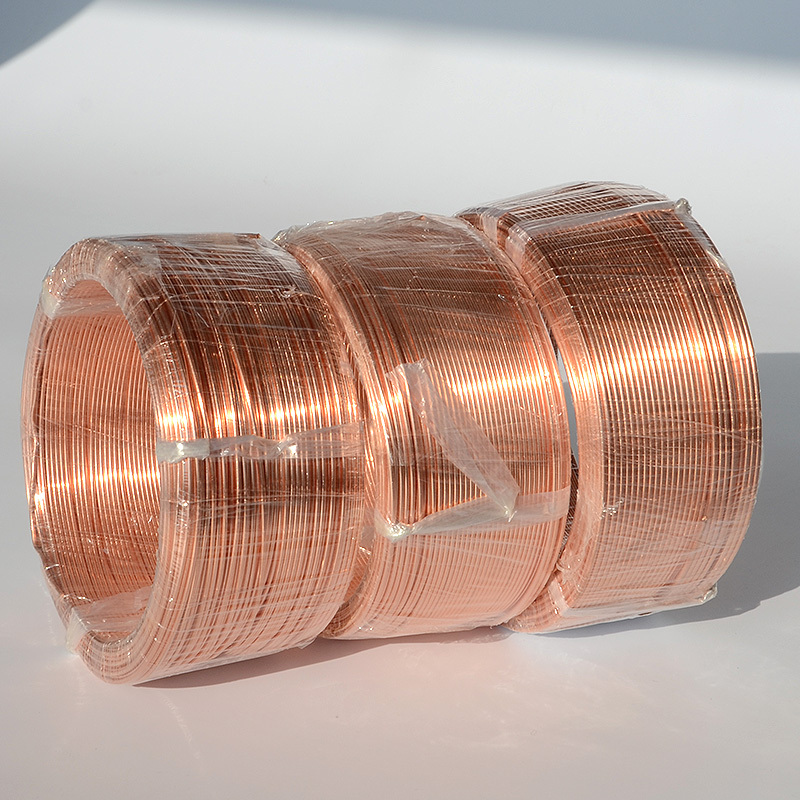
Copper and aluminum are two widely used conductor materials in electrical applications. Both can be used to manufacture electrical wires and cables, but they have different electrical, mechanical, weight, and cost characteristics.
For buyers sourcing electrical wire for construction, distribution, industrial equipment, or commercial projects, choosing between copper and aluminum should be based on the project requirements rather than price alone.
This guide explains the key differences between copper and aluminum conductors and the factors international buyers should consider before placing an order.
What Is the Main Difference Between Copper and Aluminum Wire?
The primary difference is the conductor material.
Copper has higher electrical conductivity than aluminum, which means a copper conductor can generally achieve a similar electrical performance with a smaller cross-sectional area.
Aluminum is significantly lighter than copper and can therefore reduce conductor weight, which can be important for certain large electrical installations.
The choice depends on:
- Required current capacity
- Conductor size
- Cable length
- Voltage drop
- Installation method
- Mechanical requirements
- Total cable weight
- Project budget
- Applicable electrical standards
Copper Wire
Copper is widely used for building wires, electrical equipment, control wiring, distribution systems, and many other applications.
A typical copper building wire may consist of:
- Copper conductor
- PVC insulation
- Single-core or multi-core construction
- Specified cross-sectional area
- Defined voltage rating
- Applicable electrical standard
For example, Author 88’s existing PVC Insulated Building Wire Supplier China | BV, H07V-U, 450/750V resource covers copper PVC-insulated building wire, including BV / 60227 IEC 01 and H07V-U specifications.
Copper is commonly selected where conductivity, compact conductor size, reliable connections, and mechanical handling are important.
Aluminum Wire
Aluminum is lighter than copper and is widely used in applications where conductor weight and material cost are important considerations.
Because aluminum has lower electrical conductivity than copper, an aluminum conductor generally needs a larger cross-sectional area than a copper conductor for comparable electrical performance.
This means buyers should never replace a copper conductor with an aluminum conductor simply by using the same nominal mm² size.
The electrical design must be recalculated for the actual conductor material and installation conditions.
Electrical Conductivity
Copper has higher electrical conductivity than aluminum.
This provides copper with an important advantage when space is limited.
For example, when a project requires a particular current-carrying capacity, the designer may be able to use a smaller copper conductor than an aluminum conductor for comparable conditions.
However, conductor size must always be determined according to the applicable standard, installation method, temperature, voltage drop, and project requirements.
Weight
One of aluminum’s major advantages is its low density.
An aluminum conductor weighs substantially less than a copper conductor of the same cross-sectional area.
This can be particularly relevant for:
- Long cable runs
- Large distribution systems
- Overhead electrical systems
- Large conductor sizes
- Projects where cable handling is important
Lower conductor weight can simplify transportation and installation in some applications.
Conductor Size
Copper and aluminum should not be compared only by the number printed on the cable.
For example:
> 35 mm² copper
and
> 35 mm² aluminum
have the same nominal cross-sectional area, but they do not have identical electrical characteristics.
The conductor material must therefore be included in the technical specification.
When requesting quotations, buyers should clearly state whether they require copper or aluminum conductors.
Resistance and Voltage Drop
Conductor resistance is an important consideration when selecting electrical wire.
Higher resistance can result in greater voltage drop and electrical losses.
Copper generally provides lower resistance than aluminum at the same conductor cross-sectional area.
For long-distance circuits, voltage drop should be calculated according to the actual conductor material, conductor size, circuit length, load current, and electrical system.
This is particularly important for industrial facilities, large buildings, warehouses, and long distribution circuits.
Author 88 has also published a dedicated guide covering BV Wire Ampacity: How to Choose the Correct Cross-Section for Your Application, which explains why current-carrying capacity and voltage drop should both be considered when selecting wire.
Mechanical Characteristics
Copper and aluminum also behave differently during installation.
Copper is generally more mechanically robust and has good flexibility depending on the conductor construction.
Aluminum is lighter but requires appropriate termination and installation practices.
This is particularly important at electrical connections because aluminum conductors can require connection methods specifically designed for aluminum conductors.
The terminal, connector, lug, and installation procedure should therefore be compatible with the selected conductor material.
Copper Solid Wire vs Stranded Wire
Copper wire is available in different conductor constructions.
A solid copper conductor consists of one conductor, while stranded copper wire consists of multiple smaller copper strands.
The choice depends on the installation requirements.
For fixed installations, solid conductors can be appropriate for certain applications.
Where greater flexibility is required, stranded conductors may be more suitable.
Author 88’s Solid vs Stranded Copper Wire: Which Is Better for Electrical Installation? article provides additional information about conductor classes and the differences between solid and stranded copper wire.
Copper Wire vs Aluminum Wire for Building Wiring
For many building-wire applications, copper is widely used because of its conductivity, connection characteristics, and established availability in many common wire sizes.
Typical applications include:
- Residential wiring
- Commercial buildings
- Electrical panels
- Conduit wiring
- Control circuits
- Internal equipment wiring
- Distribution systems
However, the correct conductor material depends on the project specification and local electrical regulations.
A buyer should not assume that copper is automatically required for every building application or that aluminum is unsuitable for every building application.
The applicable electrical code and project specification should determine the final selection.
What About BV and BVR Copper Wire?
BV and BVR are commonly encountered copper building-wire designations in Chinese electrical-wire sourcing.
BV is generally associated with a solid copper conductor and PVC insulation for fixed installations.
BVR uses stranded copper conductors and provides greater flexibility.
Buyers comparing these products can read the existing BVR Copper Wire vs BV Wire: Which Should Buyers Choose? guide for a more detailed comparison.
The important point is that BV and BVR are not simply different names for exactly the same conductor construction.
Copper Wire vs Aluminum Wire: Cost Considerations
Material price is one reason buyers consider aluminum.
Aluminum generally costs less per unit of weight than copper, and its lower density can also reduce conductor weight.
However, comparing copper and aluminum based only on the price per kilogram can be misleading.
A proper comparison should consider:
- Required conductor cross-section
- Electrical performance
- Total conductor weight
- Cable length
- Installation accessories
- Connectors and terminals
- Transportation
- Labor
- Applicable certifications
- Long-term operating requirements
The lowest material price does not necessarily produce the lowest overall project cost.
Which Is Better for a Project?
There is no universal answer because the appropriate conductor depends on the application.
Copper may be considered when:
- High conductivity is important
- Space is limited
- Smaller conductor dimensions are preferred
- Reliable mechanical connections are required
- The project specification requires copper
- The application uses common copper building-wire products
Aluminum may be considered when:
- Low conductor weight is important
- Large conductor sizes are required
- Long cable runs make weight significant
- The project specification permits aluminum
- The installation system is designed for aluminum conductors
The final selection should be based on engineering calculations and the applicable electrical standards.
What Should Buyers Specify When Requesting a Quotation?
A professional RFQ should clearly identify the conductor material.
Instead of writing:
> Please quote electrical wire.
A better inquiry would include:
Conductor: Copper or aluminum
Cross-sectional area: For example, 2.5 mm², 6 mm², 16 mm², or 35 mm²
Construction: Solid, stranded, or flexible
Insulation: PVC, XLPE, or another required material
Voltage rating: Project requirement
Standard: IEC, GB, BS, UL, EN, or another required standard
Color: Required conductor color
Quantity: Meters, coils, drums, or total weight
Packaging: Coil, carton, wooden drum, or other requirement
Destination: Country and port
Certification: Required certification or test documentation
Providing these specifications allows the manufacturer to quote the correct product rather than making assumptions.
For buyers who need help preparing a detailed electrical-wire RFQ, Author 88 also has a dedicated How to Request a Quotation for Electrical Wire: Complete RFQ Guide for Importers article.
Frequently Asked Questions
Is copper wire better than aluminum wire?
Copper and aluminum have different characteristics. Copper generally provides higher conductivity at the same cross-sectional area, while aluminum is lighter. The appropriate choice depends on the project requirements.
Can aluminum replace copper wire of the same size?
Not automatically. Copper and aluminum have different electrical characteristics, so the conductor size and electrical design may need to be recalculated.
Why is aluminum wire lighter?
Aluminum has a much lower density than copper. This makes aluminum conductors substantially lighter at the same cross-sectional area.
Is copper suitable for building wiring?
Copper is widely used for building electrical wiring, including many PVC-insulated building-wire applications. The exact product should comply with the required standard and local electrical regulations.
Should buyers compare copper and aluminum by price per kilogram?
No. A meaningful comparison should consider conductor size, electrical performance, total material weight, installation requirements, accessories, transportation, and project specifications.
Conclusion
Copper and aluminum can both serve important roles in electrical systems, but they should not be treated as interchangeable materials.
Copper offers higher conductivity at the same cross-sectional area and is widely used in building and equipment wiring. Aluminum offers a significant weight advantage and can be appropriate for projects designed around larger conductors and suitable connection systems.
For international buyers, the best approach is to define the conductor material, cross-sectional area, conductor construction, insulation, voltage rating, standard, quantity, and application before requesting a quotation.
A clear technical specification makes it easier to compare suppliers, avoid incorrect products, and obtain a quotation based on the actual requirements of the electrical project.


No reply content