
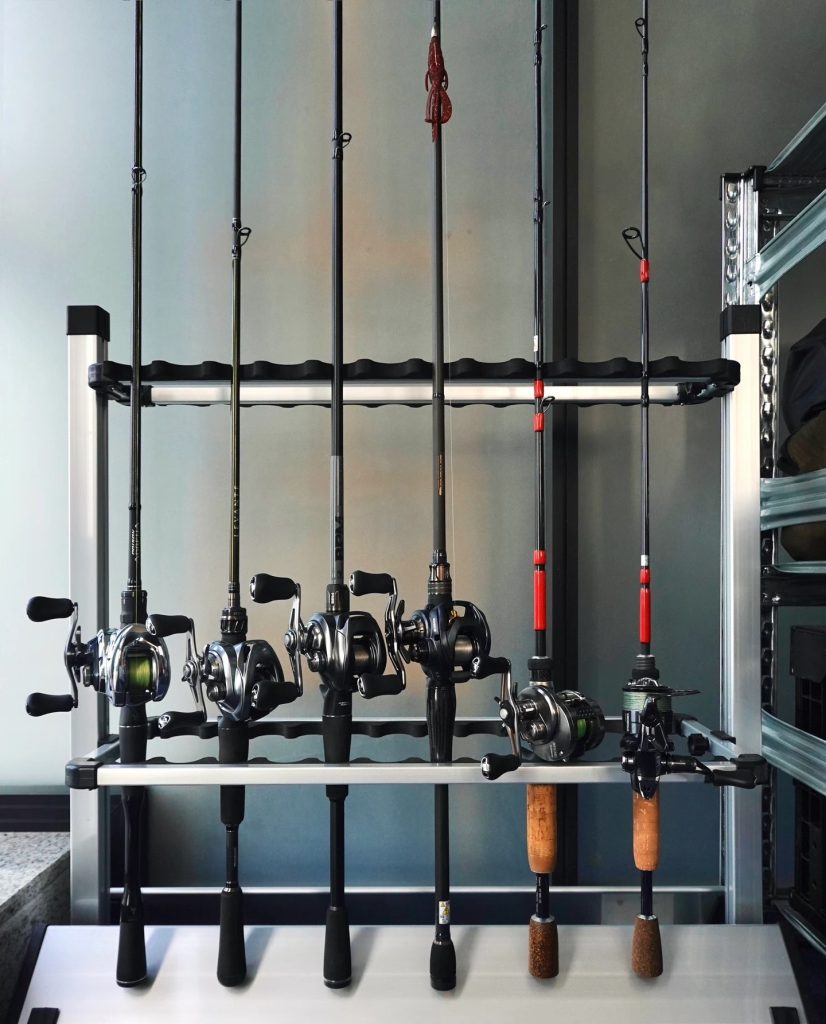
When sourcing fishing rods from China, approving a pre-production sample is an important step before placing a bulk manufacturing order.
For fishing tackle wholesalers, importers, distributors, and private-label brands, a sample provides an opportunity to confirm product specifications, appearance, components, branding, and packaging before mass production begins.
However, checking whether a fishing rod looks good is not enough. Buyers should compare the sample against written specifications and confirm that the supplier understands the requirements for the final order.
This guide explains how to evaluate a fishing rod sample, document approval, and prepare for bulk production.
1. Confirm the Fishing Rod Specifications
Before reviewing a sample, prepare a product specification sheet.
The document should clearly identify the fishing rod you intend to purchase.
Important specifications include:
- Fishing rod type, such as spinning, casting, surf, or telescopic.
- Overall length and number of sections.
- Material construction, such as carbon fiber, fiberglass, or composite.
- Power and action, where applicable.
- Line rating and lure weight range, where applicable.
- Handle material and design.
- Guide configuration and reel seat requirements.
- Product color and surface finish.
- Logo and branding requirements.
- Packaging and accessories.
Do not rely only on general descriptions such as “premium fishing rod” or “high-quality carbon rod.”
The supplier should confirm the relevant specifications before preparing the sample.
For additional guidance, read our article on How to Prepare a Fishing Rod Specification Sheet for a China Supplier.
2. Inspect the Rod Blank and Surface Finish
The rod blank is a major component that influences the fishing rod’s intended performance.
During sample approval, inspect the surface under good lighting.
Check for:
- Visible cracks or unusual surface damage.
- Deep scratches or dents.
- Exposed fibers or other visible material defects.
- Uneven coating or peeling paint.
- Bubbles or inconsistent finishing.
- Differences in color compared with the approved design.
- Visible damage around joints and connection areas.
A sample should match the agreed appearance and finish requirements.
However, visual inspection alone cannot establish the full structural strength or material composition of a fishing rod. If these characteristics are important to your order, agree on appropriate testing procedures with the supplier.
3. Check the Fishing Rod Guides and Reel Seat
Guides and reel seats are important components that should be checked before approving a sample.
Fishing Rod Guides
Inspect the following:
- Guide quantity and placement.
- Alignment along the rod.
- Visible damage or deformation.
- Secure attachment.
- Surface finish around guide feet.
- Consistency with the approved product design.
The guides should match the agreed specifications.
Reel Seat
Check whether the reel seat is securely fitted and operates as intended.
Where practical, test compatibility using the intended reel or an agreed reference model.
Look for visible cracks, loose components, rough finishing, or other abnormalities.
If the buyer requires particular guide materials, reel seat models, or component brands, these requirements should be confirmed in writing before sample approval.
4. Evaluate the Handle and Grip
The handle affects how the fishing rod feels and how it is used.
Depending on the product design, the grip may use EVA foam, cork, or another material.
During inspection, check:
- Handle length and shape.
- Grip material and surface texture.
- Secure attachment to the rod.
- Visible cuts or surface defects.
- Consistency of color and dimensions.
- Comfort during normal handling.
- Differences from the agreed design.
If you are developing a private-label product, the handle design should be confirmed before approving the final sample.
Unapproved changes to the handle material or shape may cause the finished product to differ from the version you evaluated.
5. Confirm Length, Weight, and Section Connections
Product dimensions should be checked against the specification sheet.
For multi-section fishing rods, confirm that the sections connect correctly and match the approved design.
For telescopic rods, check that the sections extend and retract as intended.
Depending on the product, confirm:
| Inspection Item | What Buyers Should Check |
|---|---|
| Overall length | Matches the agreed specification |
| Number of sections | Correct for the selected model |
| Closed length | Matches requirements for telescopic or multi-section designs |
| Product weight | Within the agreed specification or tolerance |
| Joint fit | Consistent with the product design |
| Assembly | Sections connect correctly |
| Appearance | Matches the approved sample |
Use agreed measurement methods and tolerances.
If the supplier proposes a change to the design or dimensions, request written confirmation before accepting the revised product.
6. Review Logo Printing and Private-Label Details
For OEM and private-label fishing rods, sample approval should cover branding as well as product construction.
Check the following details:
- Logo size and placement.
- Logo colors.
- Printing clarity.
- Brand name spelling.
- Model number and product markings.
- Label design.
- Packaging artwork.
- Barcode or SKU information, if required.
The sample should reflect the approved artwork and branding instructions.
If the logo position or color needs adjustment, provide clear feedback and request a revised sample or production proof.
Do not authorize bulk production until the important branding details have been confirmed.
For more information, see our guide to OEM Fishing Rod Manufacturing in China: Custom Logo, Design and Packaging.
7. Check the Packaging Before Approval
Packaging should be evaluated as part of the product, especially when fishing rods will be exported internationally.
Long fishing rods can be vulnerable to damage if the packaging does not provide suitable protection.
Depending on the order requirements, review:
- Individual rod bags or protective sleeves.
- Retail boxes, where required.
- Protection around rod tips and guides.
- Inner packaging materials.
- Master carton specifications.
- Product labels and shipping marks.
- Packing quantity per carton.
- Carton dimensions and gross weight.
Confirm that the proposed packaging is appropriate for the product and intended shipping method.
For wholesale orders, packaging dimensions and carton quantities can also help buyers estimate freight costs and plan warehouse receiving.
8. Confirm Product Performance Requirements
A fishing rod sample should be evaluated according to its intended application.
Different fishing rod designs may require different performance characteristics.
Depending on the product, discuss the following with the supplier:
- Flexibility and bending behavior.
- Guide alignment and line movement.
- Reel seat stability.
- Section connection performance.
- Suitability for the intended fishing application.
- Relevant durability requirements.
Do not assume that appearance alone proves product performance.
If strength, durability, or specific loading characteristics are important, agree on appropriate testing methods and acceptance criteria before production.
Avoid improvised tests that may damage the sample or produce unreliable results.
9. Record Sample Approval in Writing
Once the sample meets your requirements, record the approval.
A written record helps the buyer and supplier refer to the same product specifications during manufacturing.
Your approval record should include:
| Item | Information to Record |
|---|---|
| Product model | Model name or number |
| Product specifications | Final agreed requirements |
| Material | Confirmed construction |
| Dimensions | Agreed measurements and tolerances |
| Components | Guides, reel seat, handle, and other relevant details |
| Branding | Approved logo and artwork |
| Packaging | Confirmed packing requirements |
| Sample status | Approved, revision required, or rejected |
| Approval date | Date of written confirmation |
| Special requirements | Any additional agreed conditions |
Keep photographs of the approved sample and retain a physical reference sample where practical.
If changes are required after approval, document them and confirm whether another sample needs to be reviewed.
10. Create a Bulk Production Inspection Plan
Sample approval is an important milestone, but it does not guarantee that every product in the bulk order will be identical to the sample.
Before manufacturing begins, agree on how the finished products will be checked.
A practical inspection plan may include:
Incoming materials: Confirm that materials and components match the agreed specifications.
Production checks: Monitor important assembly, component installation, and finishing requirements.
Finished product inspection: Check dimensions, appearance, components, branding, and packaging.
Pre-shipment inspection: Verify that the completed order meets the agreed purchase requirements before shipment is authorized.
The inspection scope, sample size, acceptance criteria, and handling of identified defects should be agreed in advance.
For additional guidance, read How to Inspect Fishing Rod Quality Before Placing a Bulk Order.
Fishing Rod Sample Approval Checklist
Before authorizing bulk production, use this checklist to review the main requirements.
| Checkpoint | Status |
|---|---|
| Fishing rod type confirmed | ☐ |
| Length and section count confirmed | ☐ |
| Material construction confirmed | ☐ |
| Power and action confirmed, where applicable | ☐ |
| Guides and reel seat checked | ☐ |
| Handle and grip checked | ☐ |
| Surface finish reviewed | ☐ |
| Logo and branding approved | ☐ |
| Packaging requirements confirmed | ☐ |
| Performance requirements agreed | ☐ |
| Final specifications documented | ☐ |
| Sample approval recorded in writing | ☐ |
| Bulk production inspection plan agreed | ☐ |
Completing this checklist can help reduce misunderstandings and make the transition from sample development to bulk production more organized.
Frequently Asked Questions
1. Should I approve a fishing rod sample before placing a bulk order?
For a new supplier relationship or customized product, reviewing a sample before mass production is generally a sensible step. It allows you to evaluate the product against your requirements and identify necessary changes before committing to the full order.
2. What should I check when approving a fishing rod sample?
Review the dimensions, material construction, guides, reel seat, handle, surface finish, branding, packaging, and any agreed performance requirements.
3. Can I change the fishing rod specifications after approving the sample?
Changes may be possible, but they should be confirmed in writing. Depending on the change, a revised sample, updated quotation, or adjustment to the production schedule may be necessary.
4. Does sample approval guarantee bulk production quality?
No. Sample approval establishes a reference for the agreed product, but bulk production still requires suitable quality-control procedures and inspection.
5. What information should I send when requesting a fishing rod quotation?
Provide the rod type, intended application, required specifications, estimated quantity, branding requirements, packaging preferences, and destination market. If you do not know every technical detail, explain your intended application and ask the supplier which specifications need to be confirmed.
6. How can I reduce the risk of receiving products that differ from the approved sample?
Document the approved specifications, retain sample photographs or a reference sample, confirm any changes in writing, and agree on production inspection procedures before manufacturing begins.
Request a Fishing Rod Wholesale or OEM Quotation
Are you sourcing fishing rods for wholesale distribution, retail sales, or your own fishing tackle brand?
Before placing a bulk order, prepare your product requirements and confirm the available models, sample arrangements, customization options, and production conditions with the supplier.
To help the supplier evaluate your inquiry, include:
- Product type: Spinning, casting, surf, telescopic, or another design.
- Specifications: Required length, material, power, action, and components, where applicable.
- Order quantity: Estimated quantity for each model.
- Branding: Logo printing, product labels, or private-label requirements.
- Packaging: Retail packaging or export packaging preferences.
- Destination: Your country or target market.
Visit the Guangzhou Fishing Tackle supplier profile on Vlefooena to review the company information and contact the supplier about your purchasing requirements.
Request a quotation based on your actual specifications so that the supplier can confirm product availability, applicable MOQ, sample costs, pricing, and production lead time.


No reply content