
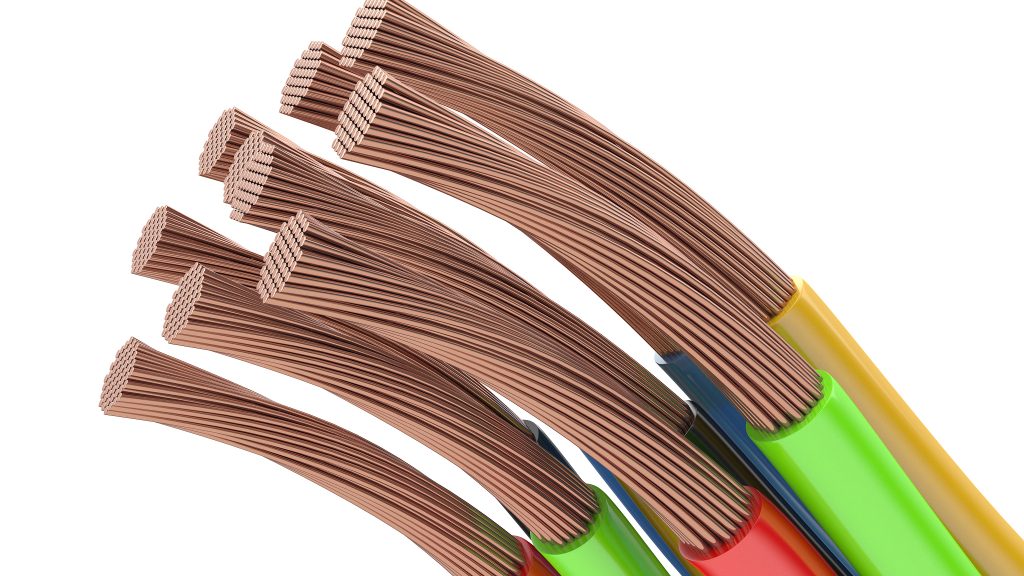
How to Calculate Copper Wire Weight per Kilometer: Formula, Examples and Buying Guide
Introduction
Copper wire weight is an important factor when purchasing electrical wire, planning transportation, estimating material costs, and comparing supplier quotations. For electrical contractors, distributors, importers, and industrial buyers, knowing the approximate weight per kilometer helps make purchasing decisions more accurately.
However, copper wire weight is not determined by cross-sectional area alone. The conductor material, wire structure, copper density, insulation thickness, and manufacturing tolerances can all affect the final product weight.
This guide explains how to calculate copper wire weight per kilometer, provides practical reference figures for common conductor sizes, and shows how buyers can estimate the weight of bulk copper wire orders.
1. What Determines Copper Wire Weight?
The weight of copper wire mainly depends on five factors:
1. Conductor cross-sectional area
The cross-sectional area, measured in square millimeters (mm²), directly determines the amount of copper used in a conductor.
For example, a 10 mm² copper conductor contains approximately twice as much copper per unit length as a 5 mm² conductor.
2. Copper density
The commonly used theoretical density of copper is approximately:
8,960 kg/m³, or 8.96 g/cm³.
This value provides the basis for calculating theoretical conductor weight.
3. Wire length
A longer wire contains more copper and therefore has a greater total weight.
4. Conductor construction
Solid copper conductors and stranded copper conductors can have slightly different actual dimensions and manufacturing characteristics.
5. Insulation and outer covering
PVC, XLPE, rubber, and other insulation materials add weight. Therefore, the total weight of an insulated electrical wire is higher than the weight of its copper conductor alone.
2. Copper Wire Weight Calculation Formula
The theoretical copper conductor weight can be calculated using the following formula:
Copper Weight (kg) = Cross-sectional Area (mm²) × Length (m) × 0.00896
For one kilometer:
Copper Weight (kg/km) = Cross-sectional Area (mm²) × 8.96
For example, a 2.5 mm² copper conductor has a theoretical copper weight of:
2.5 × 8.96 = 22.4 kg/km.
This calculation estimates the copper material weight only. It does not include insulation, packaging, reels, or drums.
3. Copper Wire Weight per Kilometer Reference Table
The following table shows approximate theoretical copper conductor weights for common cross-sectional areas.
| Conductor Size | Copper Weight per Kilometer |
|---|---|
| 0.5 mm² | 4.48 kg |
| 0.75 mm² | 6.72 kg |
| 1.0 mm² | 8.96 kg |
| 1.5 mm² | 13.44 kg |
| 2.5 mm² | 22.40 kg |
| 4 mm² | 35.84 kg |
| 6 mm² | 53.76 kg |
| 10 mm² | 89.60 kg |
| 16 mm² | 143.36 kg |
| 25 mm² | 224.00 kg |
| 35 mm² | 313.60 kg |
| 50 mm² | 448.00 kg |
| 70 mm² | 627.20 kg |
| 95 mm² | 851.20 kg |
| 120 mm² | 1,075.20 kg |
| 150 mm² | 1,344.00 kg |
| 185 mm² | 1,657.60 kg |
| 240 mm² | 2,150.40 kg |
These are theoretical values based on nominal conductor cross-sectional area and copper density. Actual conductor mass may differ depending on conductor design, stranding, material specifications, and manufacturing tolerances.
4. Practical Copper Wire Weight Calculation Examples
Example 1: 2.5 mm² Copper Wire
Suppose an electrical wire order requires 5,000 meters of 2.5 mm² copper conductor.
Calculation:
2.5 × 5,000 × 0.00896 = 112 kg.
The estimated copper conductor weight is approximately 112 kg.
Example 2: 6 mm² Copper Wire
For an order of 10,000 meters of 6 mm² copper conductor:
6 × 10,000 × 0.00896 = 537.6 kg.
The estimated copper weight is approximately 537.6 kg.
Example 3: 16 mm² Copper Wire
For 3,000 meters of 16 mm² copper conductor:
16 × 3,000 × 0.00896 = 430.08 kg.
The estimated copper conductor weight is approximately 430.08 kg.
These calculations are useful for preliminary purchasing and freight planning. Final shipment weight should be confirmed using actual production specifications and weighing records.
5. Copper Conductor Weight vs. Total Electrical Wire Weight
One of the most common mistakes made by electrical wire buyers is treating copper conductor weight as the total wire weight.
An insulated copper wire contains several components:
- Copper conductor
- Primary insulation
- Additional insulation layers, if applicable
- Outer sheath, if specified
- Packaging materials
For example, a PVC insulated copper wire may weigh considerably more than its bare copper conductor because of the PVC insulation layer.
The total product weight can be estimated as:
Total Wire Weight = Copper Weight + Insulation Weight + Other Material Weight
For accurate calculations, buyers should request the manufacturer’s net weight per kilometer for the complete insulated wire.
6. How to Calculate Copper Wire Weight for Bulk Orders
For importers and distributors, calculating the weight of a large order is important for shipping arrangements and landed-cost estimation.
Consider the following purchasing example:
- Product: PVC insulated copper wire
- Conductor size: 4 mm²
- Total length: 20,000 meters
- Copper density: 8.96 g/cm³
First, calculate the theoretical copper weight:
4 × 20,000 × 0.00896 = 716.8 kg.
The copper conductor alone weighs approximately 716.8 kg.
The final shipment weight will be higher after adding insulation, reels, cartons, and other packaging.
Before confirming an international shipment, buyers should obtain:
- Total wire length.
- Conductor cross-sectional area.
- Complete product weight per kilometer.
- Number and dimensions of reels or cartons.
- Gross and net shipment weight.
- Total packaging volume.
These details help freight forwarders estimate transportation costs more accurately.
7. Factors That Can Cause Actual Copper Wire Weight to Differ
Theoretical calculations are useful, but actual manufacturing specifications should always be considered.
Stranded conductor construction
A stranded conductor consists of multiple smaller copper wires. Its actual copper consumption can differ slightly from a simplified calculation based on nominal cross-sectional area.
Conductor resistance and material specifications
Electrical conductivity, copper purity, and resistance requirements influence conductor selection and manufacturing quality. Buyers should compare technical specifications rather than relying on weight alone.
Insulation thickness
Different insulation materials and thickness requirements affect the finished wire weight.
Manufacturing tolerances
Actual conductor dimensions and production tolerances may cause small differences between calculated and measured values.
Packaging configuration
Wooden drums, plastic reels, cartons, and protective materials increase gross shipment weight.
8. What Should Buyers Ask a Copper Wire Manufacturer?
When requesting quotations from manufacturers, buyers should provide clear product specifications.
Important information includes:
- Conductor material: copper or tinned copper
- Nominal cross-sectional area
- Solid or stranded conductor
- Insulation material
- Rated voltage
- Required wire length
- Applicable technical standards
- Packaging requirements
- Required net weight and gross weight
For custom orders, buyers should also confirm whether the quoted weight refers to copper conductor weight or the complete insulated product weight.
For related technical information, buyers can also read our guides on solid vs. stranded copper wire, BV wire ampacity, and PVC insulation materials.
9. Frequently Asked Questions
Q1: How much does 1 kilometer of 2.5 mm² copper wire weigh?
The theoretical copper conductor weight is approximately 22.4 kg per kilometer. The complete insulated wire will weigh more.
Q2: How much does 1 kilometer of 4 mm² copper wire weigh?
The theoretical copper conductor weight is approximately 35.84 kg per kilometer.
Q3: How do I calculate copper wire weight?
Multiply the conductor cross-sectional area in mm² by the length in meters and then by 0.00896 to obtain the theoretical copper weight in kilograms.
Q4: Does PVC insulation increase copper wire weight?
Yes. PVC insulation adds material weight to the finished electrical wire. The amount depends on the insulation thickness, wire diameter, and product construction.
Q5: Is copper wire weight the same as cable weight?
No. Copper wire weight may refer only to the copper conductor, while complete cable weight includes insulation, sheathing, and other components.
Q6: Can copper wire weight be used to estimate shipping costs?
Yes, it is useful for preliminary estimates. However, international freight calculations may also require gross weight, dimensions, packaging volume, and the shipping method.
Q7: Why do two manufacturers quote different weights for the same wire size?
Differences may come from conductor construction, insulation thickness, product design, material specifications, and packaging. Buyers should compare complete technical specifications before placing an order.
10. Request a Copper Wire Quotation
Are you sourcing copper wire, PVC insulated building wire, or customized electrical wire for wholesale or industrial applications?
When requesting a quotation, provide the following details:
- Product type
- Conductor size
- Copper conductor construction
- Insulation material
- Required quantity or total length
- Destination country
- Packaging requirements
A detailed specification allows manufacturers to evaluate material requirements, calculate product weight, and prepare a more accurate quotation.
Contact the supplier to discuss your electrical wire requirements and request product specifications, weight information, and a quotation.


No reply content