
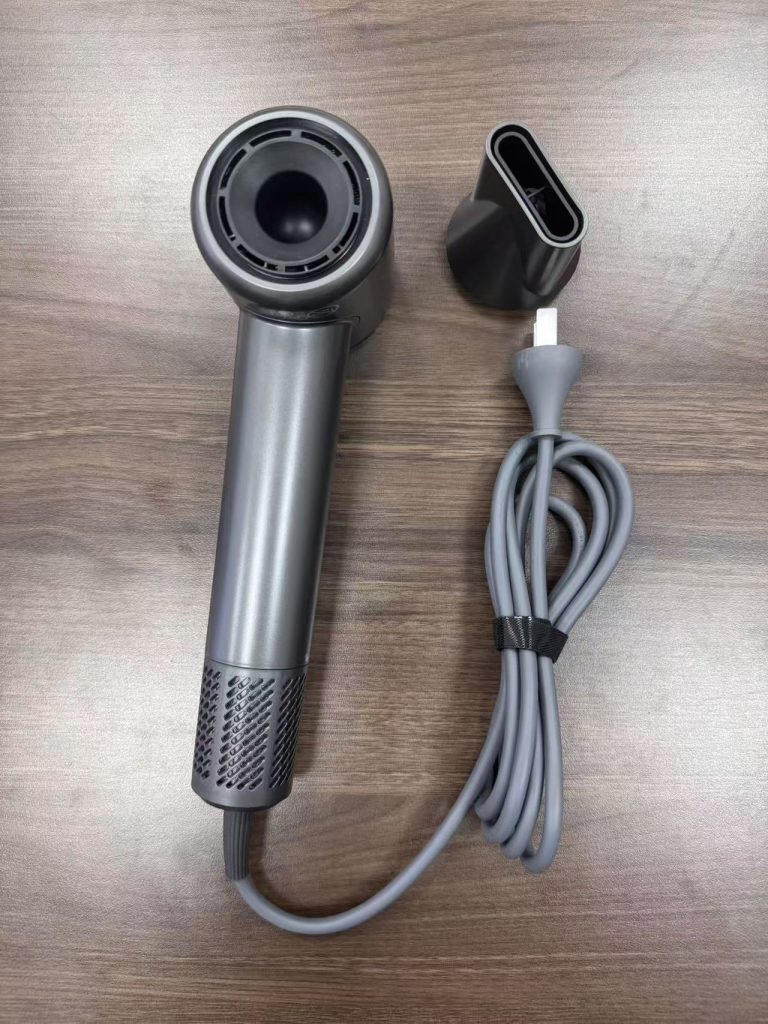
How to Choose a Hair Dryer for Hotel and Hospitality Projects
Choosing a hair dryer for a hotel is different from choosing one for personal household use.
Hotel hair dryers may be used by many different guests, often with different hair types, operating habits, and expectations. At the same time, hotel procurement teams need to consider electrical compatibility, safety requirements, durability, installation, maintenance, appearance, packaging, and total purchasing cost.
For hotels, serviced apartments, resorts, guesthouses, and other hospitality projects, the right hair dryer should be selected according to the property’s requirements rather than simply choosing the product with the highest power or the lowest price.
This guide explains the main factors buyers should evaluate when purchasing hair dryers for hospitality projects.
1. Start With the Hotel’s Intended Use
Before contacting a manufacturer, determine where the hair dryers will be installed and how guests will use them.
Common applications include:
- Hotel guest rooms
- Serviced apartments
- Resorts
- Business hotels
- Boutique hotels
- Student accommodation
- Vacation properties
- Spa facilities
- Fitness centers
- Guesthouses
The expected usage environment can influence the product configuration.
For example, a standard guest-room hair dryer may have different requirements from a professional hair dryer intended for a hotel spa or salon.
The buyer should therefore define the application before requesting a quotation.
2. Determine the Required Power
Power is one of the most visible hair dryer specifications.
Common configurations may include approximately:
- 1200W
- 1400W
- 1600W
- 1800W
- 2000W
- 2200W
However, higher wattage does not automatically mean that a product is more suitable for a hotel.
Actual performance also depends on:
- Motor design
- Airflow
- Heating element
- Fan structure
- Temperature control
- Air outlet design
- Thermal protection
For a detailed explanation of hair dryer wattage, buyers can read:
What Wattage Should a Hair Dryer Have? A Buyer’s Guide
The hotel should select a power specification that matches the property’s electrical system and expected guest experience.
3. Check Voltage and Frequency
Electrical compatibility is particularly important for hotel projects.
Before placing an order, buyers should provide the destination country’s electrical requirements, including:
- Voltage
- Frequency
- Plug type
- Rated power
For example, a buyer may require:
220–240V / 50Hz
Another market may require a different voltage configuration.
The manufacturer should confirm that the proposed hair dryer is designed for the intended electrical system.
For international hotel groups or buyers purchasing for multiple countries, voltage requirements should be checked separately for each market.
4. Select the Correct Plug
The plug is another important specification for hospitality projects.
The buyer should specify the required plug according to the installation country and hotel electrical system.
Depending on the market, the product may require a different plug configuration.
For an export order, the RFQ should clearly state:
Voltage: 220–240V
Frequency: 50Hz
Plug: Required local standard
If the hotel uses a dedicated bathroom socket or wall-mounted system, the buyer should also provide information about the installation arrangement.
5. Consider Wall-Mounted Hair Dryers
Wall-mounted hair dryers are common in hospitality environments because they can reduce the risk of guests misplacing the appliance and can keep the product organized in the bathroom.
Potential advantages include:
- Fixed storage location
- Easier guest access
- Better bathroom organization
- Reduced chance of loss
- Convenient housekeeping
- Consistent room presentation
However, the mounting system should be considered carefully.
Buyers should ask about:
- Mounting method
- Mounting dimensions
- Cable arrangement
- Electrical connection
- Wall compatibility
- Installation instructions
- Replacement procedure
If the hotel has an existing mounting system, provide the manufacturer with the dimensions and photographs before production.
6. Evaluate the Motor
The motor is one of the key components affecting hair dryer performance.
Hotel buyers should consider:
- Motor type
- Airflow
- Operating noise
- Durability
- Weight
- Heat generation
- Expected operating conditions
A hotel hair dryer may be used by hundreds or thousands of guests over its service life, so reliability is important.
The buyer should request technical information about the motor rather than evaluating the product only by its wattage.
For projects requiring frequent use, the expected operating conditions should be discussed with the manufacturer before the order is finalized.
7. Consider Noise Level
Noise can be an important factor in hospitality.
A hair dryer that is excessively loud may be inconvenient in:
- Hotel rooms
- Apartments
- Resorts
- Spa facilities
- Guest bathrooms
Noise performance depends on factors such as:
- Motor
- Fan design
- Airflow
- Housing structure
- Air inlet
- Air outlet
If low noise is important for the project, include it as a specific requirement in the RFQ.
Instead of simply writing:
Quiet hair dryer
buyers can ask the manufacturer to provide available noise-level specifications or test data.
8. Choose Appropriate Heat and Speed Settings
Hotel guests have different preferences.
A practical hotel hair dryer may offer multiple combinations of:
- Low speed
- High speed
- Low temperature
- Medium temperature
- High temperature
- Cool air
Multiple settings give guests greater control over the drying process.
For hospitality projects, the control buttons should also be easy to understand.
Simple controls can reduce confusion for international guests.
9. Check the Cool Shot Function
A cool-shot function can be useful for styling and for reducing the temperature of the airflow after heating.
If the hotel expects guests to use the hair dryer for both drying and styling, buyers can specify:
Cool-shot function required.
The exact operating method should be confirmed with the manufacturer.
10. Pay Attention to the Handle and Ergonomics
A hotel hair dryer should be comfortable for a wide range of users.
Important design considerations include:
- Product weight
- Handle shape
- Button position
- Grip
- Cable length
- Balance
- Air outlet position
A product that is technically powerful but difficult to hold may provide a poor guest experience.
For hospitality projects, product ergonomics should therefore be evaluated during sample approval.
11. Consider Cable Length
Cable length can affect convenience.
A short cable may make the hair dryer difficult to use in larger bathrooms, while an excessively long cable may create unnecessary storage or management issues.
The buyer should consider:
- Bathroom layout
- Socket position
- Mounting location
- Required operating distance
If the hair dryer is wall-mounted, cable routing should be considered together with the mounting design.
12. Evaluate Safety Features
Safety is particularly important for electrical products used in hotel bathrooms.
Depending on the product design and applicable market requirements, buyers may need to evaluate:
- Overheating protection
- Thermal protection
- Electrical insulation
- Switch design
- Cable construction
- Plug safety
- Housing materials
- Applicable safety testing
The exact requirements depend on the destination market and product configuration.
Buyers should identify the required certifications and compliance documents before placing a bulk order.
This is also connected to the broader question of what documentation a manufacturer should provide:
What Certifications Should a Hair Dryer Manufacturer Provide?
13. Ask About Applicable Certifications
Hotels purchasing products for international markets may require specific compliance documentation.
The required certifications depend on:
- Destination country
- Product specification
- Voltage
- Intended market
- Import requirements
- Hotel procurement standards
Instead of assuming that one certificate is sufficient for every country, buyers should identify the requirements of the target market.
When requesting a quotation, include a section such as:
Required compliance documents: Please provide available certificates and test reports applicable to the destination market.
This allows the manufacturer to confirm what documentation is available.
14. Check the Housing Material
The external housing should be evaluated for both appearance and practical use.
Common considerations include:
- Heat resistance
- Impact resistance
- Surface finish
- Color stability
- Cleaning requirements
- Scratch resistance
- Overall appearance
Hotel products may be exposed to frequent cleaning and repeated handling.
A product intended for long-term hospitality use should therefore be evaluated not only from a visual perspective but also from a durability perspective.
15. Consider the Filter Design
The air inlet can collect:
- Dust
- Hair
- Fibers
- Bathroom particles
A suitable filter or air inlet design can help protect the internal components.
Hotel buyers should ask:
- Is the filter removable?
- Can it be cleaned?
- Is replacement possible?
- How is the filter accessed?
- Does the manufacturer provide replacement parts?
Easy maintenance can reduce the workload for hotel maintenance teams.
16. Evaluate Maintenance and Replacement
A hotel may purchase hundreds or thousands of hair dryers.
Even with reliable products, some units may eventually require replacement.
Before placing a large order, buyers should ask about:
- Replacement parts
- Motor availability
- Switches
- Cables
- Filters
- Housing components
- Warranty
- After-sales support
It is useful to establish a replacement-part policy before the first bulk order.
This becomes especially important for large hotel groups operating multiple properties.
17. Decide Whether OEM Branding Is Required
Hotels may want the hair dryer to match their own brand identity.
Possible customization options include:
- Hotel logo
- Custom color
- Printed markings
- Custom packaging
- User manual
- Gift box
- Wall-mount design
- Product label
If the project requires private labeling, buyers should communicate the branding requirements before requesting the final quotation.
For buyers comparing OEM and ODM production models, the following guide can help:
Hair Dryer OEM vs ODM: What Is the Difference for Buyers?
18. Choose the Right Packaging
Hospitality products do not always need the same packaging as retail products.
A hotel may not require expensive retail packaging if the hair dryers are purchased exclusively for guest rooms.
Possible packaging options include:
- Individual cartons
- Bulk cartons
- Customized hotel packaging
- Protective inner packaging
- Palletized export packaging
The buyer should specify whether the products will be:
- Installed directly in hotel rooms
- Stored in a central warehouse
- Distributed to multiple hotels
- Sold through retail channels
This information can help the manufacturer recommend an appropriate packaging configuration.
19. Calculate the Required Quantity
The quantity should be based on the number of rooms and the hotel’s replacement strategy.
For example, a buyer may need:
300 hotel rooms
300 hair dryers for installation
20 additional units for replacement stock
The actual quantity should also consider:
- New rooms
- Existing rooms
- Spare inventory
- Maintenance replacements
- Expansion plans
For a hotel group with multiple properties, the RFQ should clearly separate quantities by location if different specifications are required.
20. Request Samples Before Bulk Production
For large hospitality projects, sample approval can reduce the risk of receiving a product that does not meet expectations.
A hotel procurement team can evaluate:
- Appearance
- Weight
- Handle comfort
- Noise
- Airflow
- Heating performance
- Button operation
- Cable length
- Plug
- Wall mounting
- Packaging
- Documentation
The approved sample should then become the reference for mass production.
If customization is involved, buyers should also approve:
- Logo
- Color
- Packaging
- Labels
- User instructions
before production begins.
21. Compare Complete Quotations
Hotel buyers should avoid comparing quotations based only on unit price.
A complete comparison should include:
| Item | Supplier A | Supplier B | Supplier C |
|---|---|---|---|
| Power | |||
| Voltage | |||
| Motor | |||
| Airflow | |||
| Heat settings | |||
| Speed settings | |||
| Safety features | |||
| Certifications | |||
| Wall mount | |||
| Cable length | |||
| Packaging | |||
| MOQ | |||
| Unit price | |||
| Lead time | |||
| Warranty |
This helps the purchasing team compare products using the same criteria.
For a more general guide to comparing manufacturer quotations, buyers can also read:
How to Compare Hair Dryer Factory Quotations
22. Prepare a Complete Hotel Hair Dryer RFQ
A practical RFQ might look like this:
Product: Hotel Hair Dryer
Application: Hotel guest rooms
Quantity: 1,000 units
Power: 1800–2000W
Voltage: 220–240V
Frequency: 50Hz
Plug: Required local standard
Motor: Please provide available configuration
Speed: 2 settings
Heat: 3 settings
Cool shot: Required
Mounting: Wall-mounted
Cable: Please provide available lengths
Color: Customized
Logo: Hotel logo
Packaging: Customized or bulk export packaging
Documents: Applicable certificates and test reports
Warranty: Please provide terms
Destination: Please quote according to the specified delivery location
Lead time: Please advise
Sample: Required before bulk production
This type of RFQ gives the manufacturer enough information to prepare a more complete quotation.
23. Common Mistakes in Hotel Hair Dryer Purchasing
Choosing only by wattage
A higher power rating does not automatically mean better overall performance.
Choosing only by price
A low unit price may correspond to a different specification, packaging method, warranty, or documentation level.
Not checking voltage
Electrical incompatibility can make an otherwise suitable product unusable in the target market.
Not requesting samples
For large projects, approving a sample before mass production can help identify problems early.
Ignoring replacement parts
Hotels need a practical plan for maintenance and replacement during the product’s service life.
Not confirming the mounting system
A wall-mounted hair dryer should be compatible with the hotel’s planned installation method.
Not specifying the plug
Plug configuration should be confirmed before production for export orders.
Frequently Asked Questions
What wattage is suitable for hotel hair dryers?
There is no single wattage suitable for every hotel. The selection should consider the hotel’s electrical system, intended guest use, desired drying performance, and product design.
Are wall-mounted hair dryers better for hotels?
Wall-mounted models can provide a fixed storage location and convenient access, but the appropriate design depends on the hotel’s bathroom layout and installation requirements.
Should hotels buy professional hair dryers?
It depends on the intended use. Guest rooms, spas, salons, and other hospitality facilities may have different performance and durability requirements.
Should a hotel request samples?
For large orders, sample evaluation can help the buyer verify appearance, performance, ergonomics, installation, and other requirements before mass production.
Can hotel hair dryers have custom logos?
Depending on the manufacturer’s capabilities and order quantity, OEM customization may include logos, colors, packaging, labels, and other product details.
What documents should hotel buyers request?
The exact requirements depend on the destination market and product. Buyers can request applicable certificates, test reports, technical specifications, and other compliance documents required for the project.
Conclusion
Selecting a hair dryer for a hotel project requires more than choosing a power rating and comparing unit prices.
Hotel buyers should evaluate the complete product configuration, including power, voltage, plug, motor, airflow, heat and speed settings, safety features, mounting method, cable length, housing, filter, packaging, documentation, warranty, and replacement support.
For larger projects, a structured RFQ and sample approval process can help the purchasing team communicate requirements clearly and reduce specification misunderstandings.
By defining the intended application and technical requirements before contacting manufacturers, hotel and hospitality buyers can make supplier quotations easier to compare and establish a clearer basis for product approval and bulk production.


No reply content