
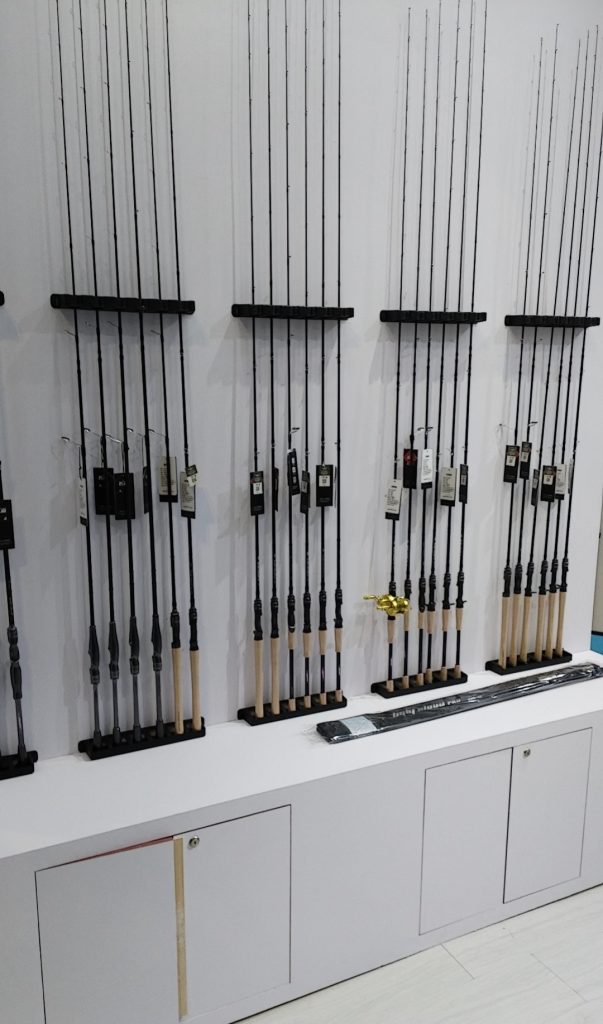
How to Choose Fishing Rod Length, Power and Action for Different Markets
For fishing rod wholesalers, importers, distributors, and private-label brands, choosing the correct rod length, power, and action is an important part of product development.
These specifications affect how a fishing rod is positioned for different fishing applications and customer groups. A rod designed for one market or fishing method may not be suitable for another.
For buyers sourcing fishing rods from China, the best approach is to define the target market and fishing application first, then select the appropriate specifications before requesting samples and quotations.
1. Start With the Target Market
Before selecting a fishing rod specification, determine where and how the product will be sold.
Consider:
- Target country
- Target customer group
- Freshwater or saltwater use
- Fishing method
- Target fish species
- Beginner or experienced anglers
- Retail or professional market
- Product price positioning
A general-purpose fishing rod for recreational consumers may require a different configuration from a specialized rod sold to experienced anglers.
The specification should therefore be based on the intended application rather than simply choosing the most popular size.
2. Understand the Three Main Specifications
Three specifications commonly considered together are:
- Rod length
- Rod power
- Rod action
They describe different characteristics.
Length refers to the physical size of the fishing rod.
Power generally describes how much force is required to load the rod.
Action describes where and how the rod bends when loaded.
These specifications should not be treated as interchangeable.
A buyer can therefore have two rods with similar lengths but different power and action characteristics.
3. How Rod Length Affects Product Selection
Rod length can influence casting distance, handling, portability, and suitability for different fishing environments.
Shorter rods may be easier to handle in restricted spaces, while longer rods can provide different casting and line-control characteristics.
For wholesale projects, buyers should consider:
- Fishing environment
- Target application
- Transportation
- Storage
- Customer preferences
- Product positioning
For example, a compact travel fishing rod may prioritize portability, while a specialized rod may prioritize a particular fishing application.
For more information about length selection, see:
How to Choose the Right Fishing Rod Length for Different Fishing Markets
4. Choosing Rod Length for Different Applications
Instead of selecting a length based only on a general recommendation, buyers should first identify the intended application.
For example, a product specification might be developed around:
- Compact freshwater fishing
- Bank fishing
- Boat fishing
- Travel fishing
- General recreational fishing
- Specialized fishing applications
The exact specification should then be confirmed with the manufacturer and tested through samples where necessary.
For commercial projects, the buyer should record the final length in the product specification rather than relying on verbal descriptions.
5. What Is Rod Power?
Rod power generally describes the resistance of a rod to bending under load.
Common commercial descriptions may include:
- Ultra Light
- Light
- Medium Light
- Medium
- Medium Heavy
- Heavy
- Extra Heavy
However, terminology can vary between manufacturers and product categories.
Therefore, buyers should not assume that two suppliers use exactly the same interpretation of a power rating.
When comparing suppliers, request complete specifications and use samples to confirm the intended product characteristics.
6. What Is Rod Action?
Rod action describes how the rod bends when force is applied.
Common descriptions include:
- Fast
- Moderate
- Slow
Some manufacturers may also use additional categories or different terminology.
A fast-action rod generally bends closer to the tip, while a slower action distributes bending farther down the rod.
The appropriate action depends on the intended fishing application and product design.
Related information:
How to Choose Fishing Rod Action: Fast, Moderate, and Slow Action Explained
7. Power and Action Should Be Specified Together
One common mistake in wholesale sourcing is specifying only one of these characteristics.
For example:
“We need a medium fishing rod.”
This may not provide enough information to the manufacturer.
A better specification might identify:
- Rod type
- Length
- Power
- Action
- Line range
- Lure range, where applicable
- Intended application
This gives the supplier a much clearer understanding of the required product.
For a broader specification framework, see:
How to Prepare a Fishing Rod Specification Sheet for a China Supplier
8. Consider Line and Lure Requirements
Line and lure specifications can help buyers communicate the intended use of the rod.
Depending on the product, a specification sheet may include:
- Recommended line range
- Recommended lure range
- Rod power
- Rod action
- Rod length
These specifications should be confirmed by the manufacturer and, where appropriate, validated through sample testing.
Do not create technical values simply to make a product description appear more detailed.
The final specification should reflect the actual product.
9. Match the Specification to the Customer
Different customer groups may have different priorities.
Beginner Customers
A beginner-oriented product may prioritize:
- Ease of use
- General-purpose application
- Simple product selection
- Durable construction
- Competitive pricing
- Easy storage
Experienced Anglers
More experienced customers may pay greater attention to:
- Specific rod action
- Power
- Weight
- Components
- Blank characteristics
- Fishing technique
Travel Customers
Travel products may place greater emphasis on:
- Compact dimensions
- Number of sections
- Portability
- Protective packaging
- Transport convenience
For a wholesale buyer, the target customer should therefore influence the product specification.
10. Consider Freshwater and Saltwater Markets
Fishing conditions can vary significantly between freshwater and saltwater applications.
Before selecting a product, buyers should tell the manufacturer the intended environment.
Important considerations may include:
- Target fish
- Fishing method
- Rod components
- Corrosion-related requirements
- Product construction
- Packaging
- Target market
Do not assume that a general freshwater fishing rod is automatically suitable for saltwater applications.
The manufacturer should confirm the intended product specification.
11. Compare Suppliers Using the Same Specification
If you are contacting several Chinese fishing rod manufacturers, send the same basic specification to each supplier.
For example:
| Specification | Buyer Requirement |
|---|---|
| Rod Type | Spinning |
| Application | Freshwater |
| Length | Buyer specified |
| Power | Buyer specified |
| Action | Buyer specified |
| Sections | Buyer specified |
| Material | Carbon fiber |
| Quantity | Buyer estimated |
| Logo | OEM |
| Packaging | Private label |
This makes supplier quotations easier to compare.
If every supplier receives different requirements, a lower price does not necessarily mean a better quotation.
12. Order a Sample Before Mass Production
A sample is especially useful when the buyer is developing a new product.
Use the sample to evaluate:
- Overall dimensions
- Weight
- Length
- Power
- Action
- Components
- Appearance
- Logo
- Packaging
- General product feel
For a detailed sample evaluation process, see:
How to Evaluate a Fishing Rod Sample Before Placing a Bulk Order
If changes are required, document them before approving mass production.
13. Avoid Choosing Specifications Based Only on Price
A low-cost fishing rod may not meet the requirements of the target market.
When comparing products, consider the complete specification:
- Material
- Length
- Power
- Action
- Components
- Finish
- Branding
- Packaging
- Quality requirements
A product should be selected according to its intended market position.
For example, a retailer selling a branded fishing product may need a different specification from a distributor focused primarily on entry-level products.
14. Create Different Product Models for Different Markets
A fishing tackle brand does not necessarily need one rod model for every customer.
A buyer may develop several models, such as:
Entry Level
Focus on general use and competitive pricing.
Mid Range
Balance product features, materials, components, and price.
Premium
Focus on specialized applications, product design, materials, components, and branding.
This approach can make it easier for wholesalers and retailers to create a broader product range.
15. Use Clear Product Names and Specifications
When selling fishing rods internationally, product names should make the main specifications easy to understand.
A product listing might identify:
- Rod type
- Length
- Power
- Action
- Sections
- Application
- Material
For example, instead of using only:
Premium Carbon Fishing Rod
a product title can provide more useful specification information.
The exact wording should match the actual product and avoid unsupported performance claims.
16. Confirm the Final Specification Before Production
Before mass production, confirm the final version of the specification.
The buyer and supplier should agree on:
- Model
- Length
- Power
- Action
- Material
- Components
- Color
- Logo
- Packaging
- Quantity
- Quality requirements
Any changes should be recorded before production begins.
This helps prevent the factory from manufacturing according to an outdated specification.
17. Fishing Rod Specification Checklist
Before requesting a quotation, prepare the following information:
| Item | Requirement |
|---|---|
| Target market | ✓ |
| Fishing application | ✓ |
| Rod type | ✓ |
| Length | ✓ |
| Power | ✓ |
| Action | ✓ |
| Line range | If applicable |
| Lure range | If applicable |
| Material | ✓ |
| Sections | ✓ |
| Components | ✓ |
| Logo | If OEM |
| Packaging | If required |
| Quantity | ✓ |
| Sample | Recommended |
This checklist can be used as the starting point for a China fishing rod RFQ.
Frequently Asked Questions
1. How do I choose the right fishing rod length for wholesale?
Start with the fishing application, target customers, and market. Then define the required length in the product specification and confirm it with the manufacturer.
2. What is the difference between fishing rod power and action?
Power describes the rod’s resistance to bending under load, while action describes where the rod bends. They are separate specifications and should normally be specified independently.
3. Should I specify power and action when requesting a quotation?
Yes. Providing both specifications can help manufacturers understand the required product more accurately. The buyer should also provide the intended fishing application.
4. Can one fishing rod specification work for every market?
Not necessarily. Customer preferences, fishing environments, techniques, and product positioning can vary between markets. A supplier should confirm the appropriate configuration for the intended application.
5. Should I test the sample before placing a bulk order?
For a new OEM or wholesale project, sample evaluation is recommended. It gives the buyer an opportunity to identify specification or quality issues before mass production.
Conclusion
Choosing fishing rod length, power, and action should begin with the target market and intended fishing application.
Buyers should then define the product specifications clearly, compare suppliers using the same requirements, evaluate samples, and confirm the final specification before mass production.
For wholesale and OEM projects, the objective is not to find a universally “best” fishing rod specification. The objective is to develop a product that matches the needs of the intended customers and market.
A clear specification can also make communication with Chinese manufacturers easier and reduce misunderstandings during quotation, sampling, production, and quality inspection.
Request a Fishing Rod Wholesale or OEM Quote
If you are developing a fishing rod for wholesale, private label, or OEM production, provide the intended market, fishing application, rod type, length, power, action, quantity, branding requirements, packaging requirements, and destination.
Guangzhou Fishing Tackle Co., Ltd. is listed on VLEFOOENA as a China-based fishing tackle supplier offering fishing rod products and OEM/ODM-related customization.
Buyers can provide their required specifications and estimated order quantity when making an inquiry.


No reply content