
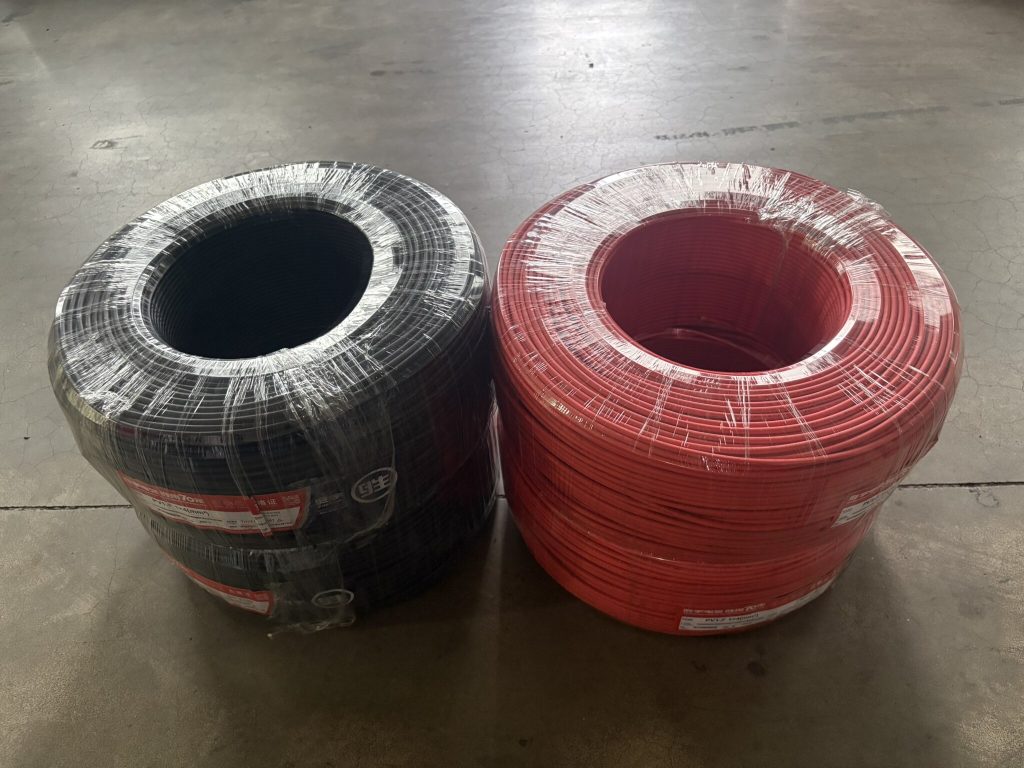
Solid vs. Stranded Copper Wire: Which Should Buyers Choose?
When purchasing copper wire for electrical installations, construction projects, or wholesale distribution, buyers often need to choose between solid copper wire and stranded copper wire.
Both types are used in electrical applications, but their conductor construction, flexibility, handling characteristics, and suitable uses can differ. Choosing the right product requires understanding the project requirements rather than comparing price alone.
For electrical wholesalers, importers, contractors, and distributors sourcing from China, this guide explains the key differences and what to confirm before requesting a quotation.
1. What Is Solid Copper Wire?
Solid copper wire uses a single solid copper conductor.
Its construction is relatively simple, and it is commonly considered for fixed wiring applications where the relevant product standard and installation requirements permit its use.
When purchasing solid copper wire, buyers should confirm:
- Nominal conductor cross-sectional area
- Conductor material and applicable requirements
- Insulation material and thickness
- Rated voltage
- Applicable product standard
- Required packaging and wire length
Solid wire is not automatically suitable for every fixed installation. Its suitability depends on the specific product design, installation method, and local electrical regulations.
2. What Is Stranded Copper Wire?
Stranded copper wire consists of multiple smaller copper wires combined to form a conductor.
Depending on the number and size of the strands, stranded conductors can offer different levels of flexibility and handling characteristics.
Buyers should distinguish between ordinary stranded wire and fine-stranded flexible wire. These constructions may have different conductor classifications and intended applications.
When sourcing stranded copper wire, confirm:
- Nominal conductor cross-sectional area
- Number and size of strands, where specified
- Conductor class or construction standard
- Insulation type
- Rated voltage
- Intended installation or equipment application
Do not assume that all stranded copper wires have the same flexibility or performance.
3. Solid vs. Stranded Copper Wire: Key Differences
Conductor Construction
Solid copper wire has one solid conductor element, while stranded copper wire contains multiple smaller conductor elements.
This structural difference affects handling and flexibility.
Flexibility
Solid conductors are generally less flexible than stranded conductors of comparable size and material.
Stranded conductors can be easier to route in some installations, but actual flexibility depends on strand construction and the applicable product requirements.
Installation Requirements
Solid and stranded wires may be permitted for different installation methods.
Before purchasing, confirm the wiring method and the conductor type allowed by the relevant electrical code or project specification.
Termination and Connections
Different conductor constructions may require different termination methods or compatible terminals.
Installers should follow the terminal manufacturer’s instructions and applicable electrical requirements. Where necessary, confirm whether a specific terminal is suitable for the selected conductor class.
Price Considerations
The price of copper wire depends on more than whether the conductor is solid or stranded. Copper prices, conductor dimensions, insulation, production processes, order quantity, and packaging can all influence the quotation.
For a fair comparison, request quotations based on equivalent technical specifications.
4. Which Type Is Better for Building Electrical Wiring?
There is no universal answer. The correct choice depends on the installation design, applicable standard, and product requirements.
Solid copper wire may be suitable for certain fixed wiring applications where permitted.
Stranded copper wire may be preferred in applications where its construction provides useful handling or routing characteristics.
However, buyers should not select a conductor based only on the general descriptions above. The exact wire type, conductor class, installation conditions, and local regulations must be considered together.
For a specific project, ask the electrical designer or qualified installer to confirm the required product specification before placing an order.
5. Solid vs. Stranded Copper Wire: What Should Importers Check?
For international buyers, the most important step is to ensure that the product being quoted matches the intended application.
Confirm the Conductor Size
Specify the required nominal cross-sectional area, such as 1.5mm², 2.5mm², 4mm², or 6mm², where appropriate for the project.
These are examples of conductor sizes, not recommendations for a particular electrical load. The correct size must be determined from the project requirements and applicable regulations.
Confirm the Product Standard
Different markets may use different wire designations and standards.
Provide the destination country and required standard to the manufacturer. Ask for the relevant technical documents rather than assuming that similarly named products are identical.
Confirm the Insulation
Specify the required insulation material, rated voltage, color, and any applicable temperature or environmental requirements.
Confirm the Packaging
For wholesale orders, clarify the required length per coil or reel, packaging material, labels, carton details, and any private-label requirements.
Request Samples or Supporting Documents
Where appropriate, request samples, datasheets, and relevant test reports before committing to a large order.
Confirm that the documents relate to the actual product being offered.
6. What Affects the Price of Solid and Stranded Copper Wire?
When comparing quotations from Chinese manufacturers, consider the following factors.
Copper raw material costs: Copper market fluctuations can affect manufacturing costs and quotation validity.
Conductor construction: Solid and stranded designs involve different manufacturing processes. The actual price difference depends on the product specifications and production arrangements.
Insulation material: Different insulation materials and technical requirements can change the final price.
Order quantity: Suppliers may quote differently according to the requested quantity, production schedule, and packaging requirements.
Customization: Special colors, printing, packaging, labels, and OEM requirements may affect the total cost.
Shipping and trade terms: Freight, insurance, import duties, taxes, and destination charges may affect the total landed cost. Compare suppliers using the same Incoterm and delivery location.
Avoid choosing a supplier based on unit price alone. Product compliance, documentation, consistency, and the total cost of purchasing should also be considered.
7. How to Choose a Reliable Copper Wire Manufacturer in China
A reliable supplier should be able to explain the product construction and provide documentation appropriate to the order.
Before placing a purchase order, consider these checks:
- Verify manufacturing capability. Confirm whether the company manufactures the wire or acts as a trading company.
- Review technical specifications. Check the conductor size, construction, insulation, voltage rating, and applicable standard.
- Request relevant documentation. Ask for datasheets and applicable test reports or certificates.
- Clarify quality control. Ask how the supplier checks conductor dimensions, electrical properties, insulation, and finished-product quality.
- Confirm production and packaging. Agree on quantity, lead time, labeling, packaging, and inspection arrangements.
- Document the order requirements. Ensure the quotation and purchase order clearly state the product specification and acceptance requirements.
For more supplier evaluation advice, read:
How to Compare Electrical Wire Suppliers in China: A Practical Buyer’s Guide
You can also read:
How to Choose a Reliable Electrical Cable and Wire Manufacturer in China
8. How to Request a Quotation
To receive a useful quotation, send the supplier a clear request for quotation (RFQ).
Include the following information:
- Product type: solid or stranded copper wire
- Required conductor cross-sectional area
- Conductor construction or class
- Insulation material and color
- Rated voltage
- Applicable product standard
- Required quantity
- Coil or reel length
- Packaging and labeling requirements
- Destination country
- Preferred shipping terms
- Required technical documents
- OEM or private-label requirements, if applicable
If you are unsure which construction is appropriate, describe the intended application and ask the supplier to provide the relevant product options for technical review.
9. Frequently Asked Questions
Is solid copper wire better than stranded copper wire?
Neither is universally better. The appropriate choice depends on the installation method, product standard, conductor requirements, and project specifications.
Is stranded copper wire more flexible?
Stranded wire generally offers greater flexibility than a comparable solid conductor, but the degree of flexibility depends on the strand construction and conductor class.
Can solid and stranded wires be used interchangeably?
Not automatically. The selected conductor must meet the installation requirements, applicable electrical code, and terminal compatibility requirements.
Does stranded copper wire always cost more?
No universal price rule applies. The final quotation depends on copper costs, conductor design, insulation, order quantity, manufacturing requirements, and packaging.
What should I ask a Chinese copper wire manufacturer?
Ask for a detailed specification sheet, applicable standards, relevant technical documents, quotation validity, packaging details, production lead time, and shipping terms.
Can I order solid or stranded copper wire with private labeling?
Some suppliers may offer OEM packaging or private labeling, depending on their capabilities and order requirements. Confirm the available options and additional costs before production.
10. Request a Copper Wire Quotation
Are you sourcing solid or stranded copper wire for electrical projects, wholesale distribution, or import business?
Prepare your required conductor size, construction, insulation, standard, and order quantity before contacting potential suppliers.
Through VLEFOOENA, buyers can explore supplier information and request quotations for their sourcing requirements.
A clear specification helps suppliers respond more accurately and allows you to compare offers on a consistent basis.
Contact suitable copper wire suppliers with your requirements to discuss product options, technical documentation, packaging, and commercial terms.


No reply content