
How to Choose a Hair Dryer for Hotel and Hospitality Projects
Hotels, serviced apartments, resorts, guesthouses, and other hospitality businesses often need hair dryers that are different from the products purchased for normal household use.
A hotel may need hundreds or thousands of units across guest rooms, while a resort may need products that can withstand frequent use in different environments. Procurement teams also have to consider electrical specifications, installation, storage, replacement requirements, packaging, branding, safety documentation, and long-term supply.
For this reason, choosing a hotel hair dryer should not be based only on appearance or unit price.
A better approach is to evaluate the complete product according to the property’s requirements and expected usage.
1. Start With the Hotel’s Actual Requirements
Before contacting a hair dryer manufacturer, determine where and how the product will be used.
A hair dryer installed in a standard hotel room may have different requirements from a model intended for a luxury resort, spa, gym, cruise facility, or serviced apartment.
Consider the following questions:
- How many guest rooms require hair dryers?
- Will the products be permanently installed or stored for guest use?
- How frequently are they expected to operate?
- Will guests have different operating habits?
- Is the product intended for standard or premium rooms?
- Does the hotel require a wall-mounted design?
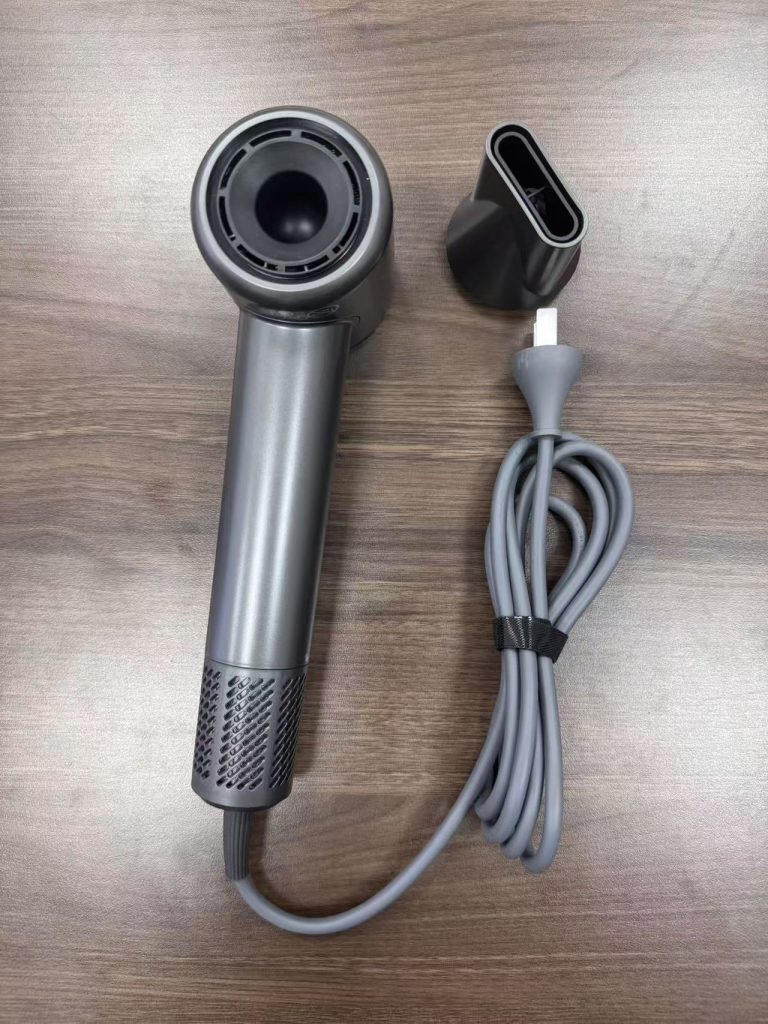
- Is a detachable or handheld model preferred?
- What accessories are required?
- Will the hotel use its own brand?
- What country or countries will the products be installed in?
Defining these requirements before requesting quotations makes supplier comparisons much more meaningful.
A quotation for a basic handheld hair dryer should not be directly compared with a quotation for a commercial wall-mounted model with additional safety and installation features.
2. Choose the Right Hair Dryer Type
There is no single hair dryer design suitable for every hospitality project.
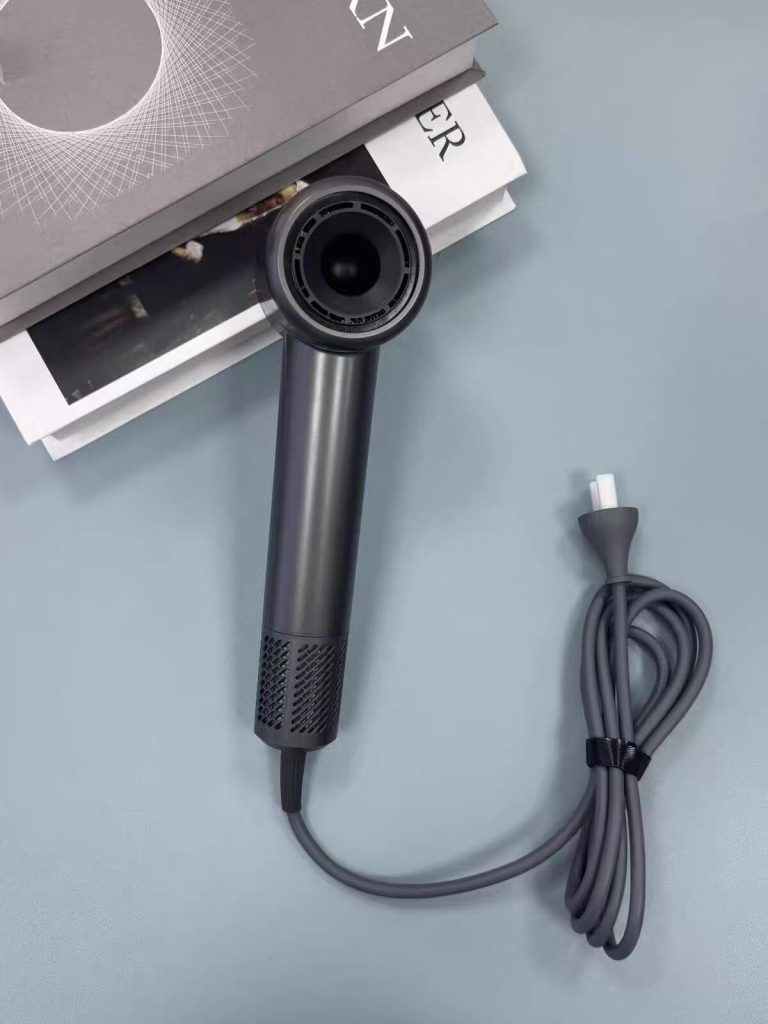
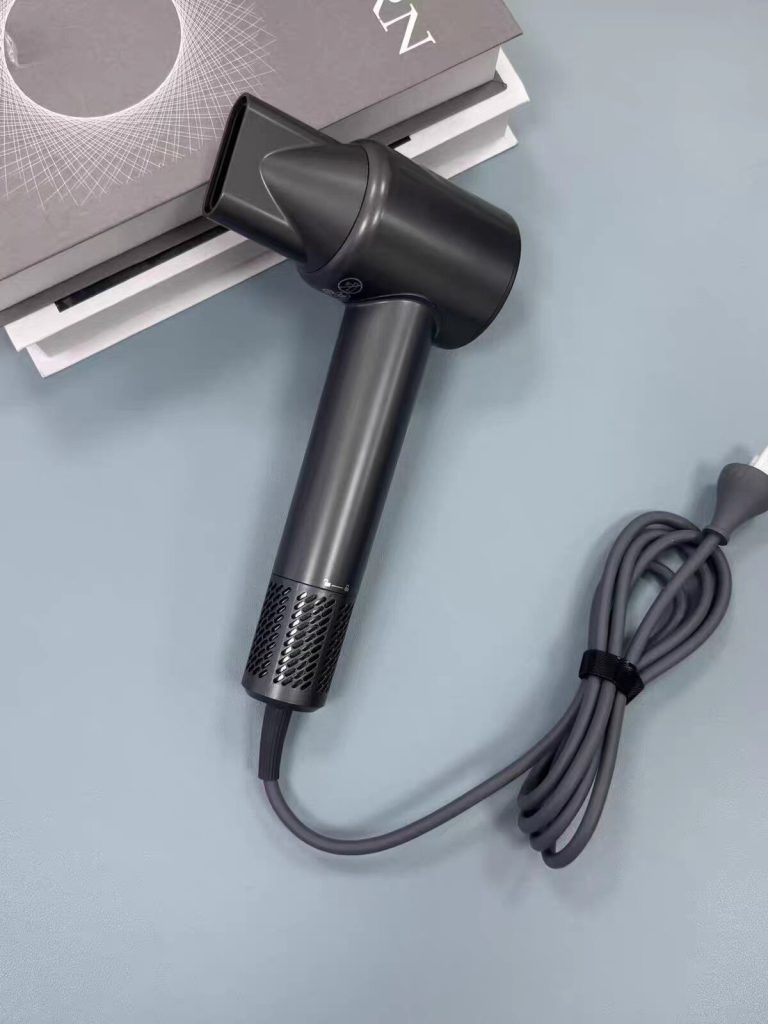
Handheld Hair Dryers
Handheld models provide flexibility because guests can use them wherever convenient.
They may be suitable for:
- Hotel rooms
- Serviced apartments
- Guesthouses
- Rental properties
- Residential-style accommodation
Their advantages include simple installation and easy replacement.
However, the hotel needs to decide where the product will be stored and how the power cable will be managed.
Wall-Mounted Hair Dryers
Wall-mounted hair dryers are commonly considered when the hotel wants a fixed location and easier room management.
Potential advantages include:
- Fixed storage location
- Reduced risk of the product being misplaced
- More organized guest-room presentation
- Easier identification by housekeeping staff
- Convenient installation in bathrooms or designated areas
The mounting system, cable arrangement, electrical installation, and maintenance procedure should be confirmed before purchase.
Professional or High-Performance Models
Higher-performance models may be appropriate for premium hotels, resorts, salons, spas, and hospitality facilities where guests expect stronger airflow and additional functions.
Before selecting such a product, buyers should evaluate the motor, heating system, airflow, temperature control, noise, weight, and operating comfort rather than relying on wattage alone.
For a deeper look at manufacturing capability, buyers can also review this related guide:
Professional Hair Dryer Factory in China | Custom Hair Dryers
3. Pay Attention to Voltage and Frequency
Electrical specifications are particularly important for international hotel projects.
Before placing an order, confirm:
- Rated voltage
- Frequency
- Rated power
- Plug type
- Power cord specification
- Product labeling
- User instructions
- Destination-market requirements
A hotel purchasing department should provide the manufacturer with the destination country before finalizing the specification.
This is especially important for projects covering several countries because electrical configurations may differ between markets.
Do not assume that a product designed for one market can automatically be supplied to another market without modification or additional compliance considerations.
For more information, see:
What Should You Check Before Importing Hair Dryers from China?
4. Consider Guest Safety
A hotel hair dryer is used by many different people, so the product should be designed and manufactured with appropriate safety considerations.
Important areas include:
Thermal Protection
The heating system should have appropriate temperature-control and protection mechanisms.
Electrical Protection
The electrical configuration, wiring, insulation, plug, cable, and relevant protective systems should be appropriate for the intended market and application.
Housing Material
The housing should be suitable for the expected operating temperature and normal handling conditions.
Cable Management
For wall-mounted products, cable routing and mounting should be considered during installation.
Operating Instructions
Clear operating instructions can help guests understand the product and reduce misuse.
Buyers should ask manufacturers for relevant technical documents and market-specific compliance information rather than assuming that every model has identical certifications.
5. Evaluate Motor and Airflow Performance
The motor is one of the most important components of a hair dryer.
For hotel applications, buyers should look beyond the rated wattage.
Important factors include:
- Airflow
- Motor type
- Motor speed
- Noise
- Heat generation
- Energy consumption
- Expected operating life
- Overall product weight
A high-wattage product is not automatically the best choice.
The motor, fan, heating element, airflow path, electronic controls, and thermal management system work together to determine the actual performance.
For hospitality buyers, a balanced product may be more practical than simply selecting the highest-powered model available.
6. Consider Noise Levels
Noise can have a direct effect on the guest experience.
A hair dryer may be used early in the morning, late at night, or while another guest is sleeping.
Therefore, buyers should consider:
- Motor noise
- Airflow noise
- Vibration
- Housing resonance
- Overall operating sound
If low noise is important for your hotel category, include the requirement in the initial product specification.
Do not wait until after mass production to request a quieter product.
The manufacturer should understand the requirement before the sample is finalized.
7. Decide Whether You Need OEM Branding
Hotels and hospitality groups may want the hair dryer to match their existing brand identity.
OEM customization can include:
- Logo
- Product color
- Packaging
- User manual
- Product label
- Accessories
- Cable and plug configuration
- Housing appearance
The available customization depends on the manufacturer’s capabilities and the order quantity.
For hotels purchasing a large number of units, it is useful to discuss branding requirements before requesting the final quotation.
You can also review:
Hair Dryer Manufacturer in China | OEM & ODM Hair Dryers
8. Think About Installation and Maintenance
The initial purchase price is only one part of the total cost of ownership.
For a hotel project, also consider:
- Installation time
- Replacement procedure
- Spare parts
- Warranty arrangements
- Maintenance requirements
- Product storage
- Damaged-unit replacement
- Technical support
For example, if a hotel has 500 rooms, even a small failure rate can create a meaningful maintenance workload.
A procurement team should therefore ask the manufacturer how replacement units and spare parts will be handled.
It can also be useful to purchase a small number of additional units as replacements, depending on the project’s requirements.
9. Request Samples Before Bulk Production
A sample is particularly important for hospitality projects.
Before approving a large order, test the actual product for:
- Airflow
- Heat performance
- Temperature stability
- Noise
- Weight
- Handle comfort
- Switch operation
- Cable length
- Plug configuration
- Accessories
- Appearance
- Packaging
- Installation method
If the hotel plans to use custom branding, test the branded sample rather than approving only an unbranded standard model.
Once the sample is approved, document the final specification carefully.
The approved sample should not be treated as a general reference


No reply content