
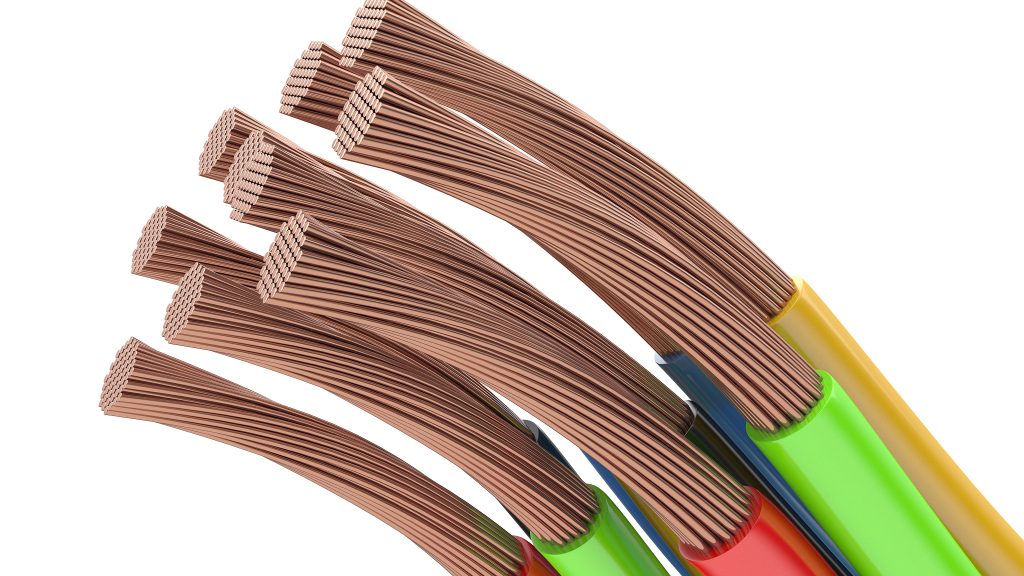
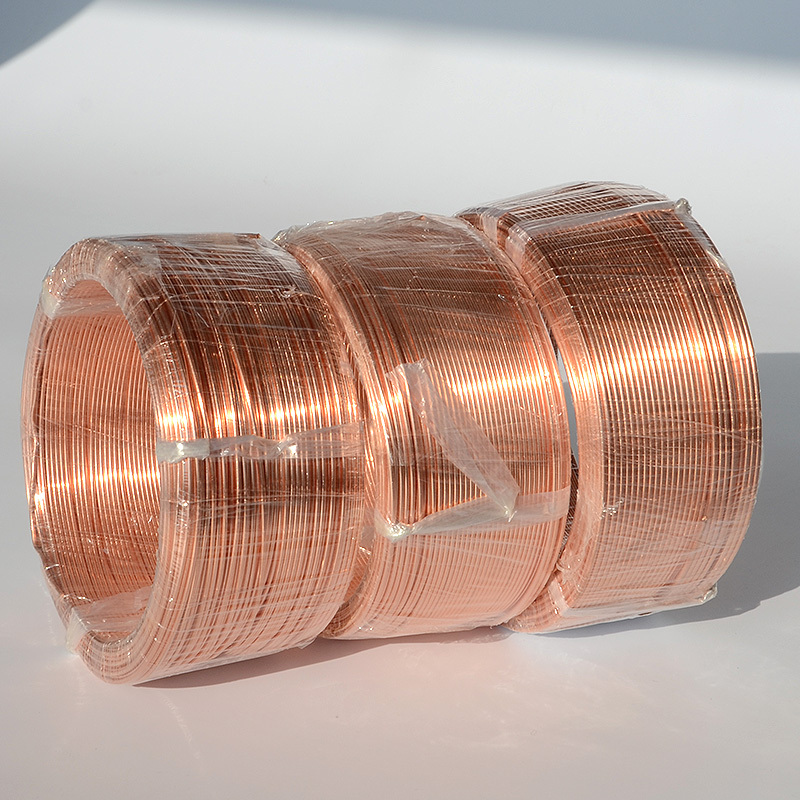
A shipment of electrical wire has arrived at the warehouse. The cartons look intact, the labels show the correct product name, and the supplier has already sent the commercial invoice and packing list.
At first glance, everything appears to be in order.
However, a few cartons may contain a different wire size. Some reels may be shorter than the agreed length. The product markings may not match the approved specification, or the packaging may have been damaged during transportation.
For an importer or electrical distributor, discovering these problems after the goods have entered inventory can create additional costs, customer complaints, and delays in fulfilling orders.
This is why receiving electrical wire should involve more than counting cartons and signing a delivery receipt.
A practical inspection process should connect the original purchase order, approved product specification, shipping documents, physical goods, and relevant quality records.
This guide explains how international buyers can inspect electrical wire shipments from China before accepting a bulk order, including what to check, how to document discrepancies, and when additional testing may be necessary.
1. Start With the Approved Purchase Specification
Before opening the shipment, retrieve the purchase order and the final technical specification approved by both parties.
Do not rely entirely on the product description printed on the carton.
For example, an order may specify:
- Product: Single-core copper building wire
- Conductor: Copper
- Cross-sectional area: 2.5 mm²
- Insulation: PVC
- Rated voltage: 450/750V
- Color: Blue
- Packaging: 100-meter coils
- Quantity: 500 coils
- Applicable standard: As stated in the purchase contract
These details provide the reference for inspection.
If the buyer approved a revised specification during production, use the final agreed version rather than an earlier quotation.
This is particularly important when several wire sizes, colors, or product types are included in one shipment.
For a more detailed explanation of the information that should be confirmed before purchasing, see What Should Buyers Check Before Purchasing Copper Building Wire?.
2. Reconcile the Shipping Documents With the Actual Goods
The first physical inspection should establish whether the shipment corresponds to the commercial documents.
Review the following records where applicable:
- Purchase order
- Commercial invoice
- Packing list
- Bill of lading or airway bill
- Product specification
- Inspection report
- Relevant test documentation
- Certificate or conformity documents required by the contract
Check the product descriptions, quantities, package counts, marks, and shipment references.
A packing list may show 200 cartons, but the warehouse may receive only 198. Alternatively, the carton count may be correct while the contents differ from the packing list.
Record any discrepancy before the goods are mixed with existing inventory.
For imported shipments, document checks should also be coordinated with the buyer’s customs broker or logistics provider when the destination’s import requirements make this necessary.
3. Count the Packages and Identify Each Product Batch
Once the documents have been reviewed, count the packages and identify the products received.
For shipments containing multiple specifications, separate the goods by product type, size, color, and batch wherever possible.
A practical receiving record can include:
| Inspection item | What to record |
|---|---|
| Product name | Exact product designation |
| Package number | Carton, coil, reel, or drum reference |
| Batch number | Manufacturer’s batch identification, if available |
| Quantity | Actual quantity received |
| Product size | Nominal conductor cross-section |
| Color | As specified in the order |
| Condition | Intact, damaged, wet, or otherwise abnormal |
| Remarks | Any difference from the purchase order |
Photograph the package markings and any unusual condition.
For a large shipment, recording the package identification makes it easier to trace an issue to a specific batch instead of treating the entire order as one unidentified quantity.
4. Inspect the Outer Packaging Before Opening It
Packaging provides useful information about how the shipment was handled.
Look for:
- Crushed cartons
- Broken reels
- Damaged wooden drums
- Torn wrapping
- Water exposure
- Missing labels
- Loose or broken strapping
- Exposed wire
- Signs of impact or improper stacking
For wire packed on reels or drums, inspect the flange and supporting structure.
A damaged reel can create handling problems even when the wire itself appears undamaged.
If the shipment has visible transportation damage, photograph the affected packages before moving or repacking them.
Where appropriate, notify the carrier, freight forwarder, insurer, and supplier according to the shipment’s contractual procedures.
Do not discard damaged packaging until the issue has been documented and the responsible parties have had an opportunity to review it.
5. Verify the Product Markings
Product markings help establish whether the received wire corresponds to the approved specification.
Depending on the product and applicable requirements, markings may identify:
- Manufacturer
- Product designation
- Conductor size
- Rated voltage
- Applicable standard
- Batch or production identification
- Meter marking
- Other required information
Compare the markings against the purchase order and approved technical documents.
For example, if the order specifies a particular wire designation and voltage rating, check whether the received product carries the expected identification.
Do not assume that a similar-looking product is equivalent.
If the markings are missing, inconsistent, or unclear, record the issue and request clarification before releasing the goods for sale or installation.
6. Check the Conductor and Insulation Appearance
Visual inspection can identify obvious defects, although it cannot establish every electrical or material property.
Where the inspection plan allows samples to be opened or examined, check the conductor and insulation for visible irregularities.
Potential observations include:
- Damaged insulation
- Exposed conductor
- Surface scratches
- Cracks
- Uneven insulation appearance
- Contamination
- Unusual discoloration
- Visible deformation
- Poorly finished wire ends
For stranded conductors, check for obvious broken or damaged strands in the inspected sample.
For insulated wire, examine whether the insulation appears continuous and free from obvious mechanical damage.
A clean, bright copper surface does not prove that the conductor meets the required electrical specification.
For a more detailed discussion of conductor quality, see How to Check Copper Purity and Conductor Quality Before Buying Copper Wire.
7. Confirm the Wire Length and Packaging Quantity
Length discrepancies can create commercial problems, particularly when wire is purchased by the meter.
Suppose the order specifies 100-meter coils. The buyer should verify that the received packaging and product quantities correspond to the agreed arrangement.
Depending on the product and inspection agreement, length may be checked using:
- Manufacturer’s calibrated measuring equipment
- Suitable length-measuring equipment
- Agreed sampling procedures
- Production or inspection records
- Package identification and traceability
Do not assume that the number printed on a label independently proves the actual length.
If a discrepancy is identified, record the affected package, the stated length, the measured result, the equipment used, and the inspection conditions.
For large orders, agree on the measurement method and acceptance criteria before production rather than negotiating them after a problem is discovered.
8. Check the Conductor Size and Relevant Electrical Properties
The nominal cross-sectional area is a key part of an electrical wire specification.
However, measuring the finished wire’s outside diameter alone is not sufficient to establish conductor size because the insulation contributes to the overall diameter.
Depending on the product standard and contract, relevant checks may include:
- Conductor construction
- Conductor dimensions
- Conductor resistance
- Insulation dimensions
- Finished outside diameter
- Other specified electrical or mechanical properties
Where formal testing is required, use suitable equipment and qualified personnel.
For example, conductor resistance measurements need to be interpreted according to the applicable test method and specified reference conditions.
A simple visual check or handheld measurement should not be presented as proof of compliance with an entire cable standard.
For background on conductor sizing, see How to Choose the Right Copper Wire Size for Building Electrical Projects.
9. Review the Manufacturer’s Quality Records
A bulk shipment should be supported by documentation appropriate to the product and purchase agreement.
Depending on the order, buyers may request:
- Approved technical datasheet
- Relevant test reports
- Inspection records
- Batch identification
- Production records
- Applicable conformity documentation
- Pre-shipment inspection results
Check whether the documents identify the same product model, specification, and batch as the received shipment.
A test report for a different product or unrelated production batch should not automatically be treated as evidence for the goods being inspected.
If the purchase contract requires independent inspection, confirm that the inspection scope and results correspond to the agreed requirements.
10. Use a Sampling Plan for Large Shipments
Inspecting every meter of a large wire shipment may not be practical.
For bulk orders, buyers can establish a sampling plan before production or shipment.
The plan should define:
- Which packages will be selected
- How samples will be selected
- Which characteristics will be inspected
- Which tests are required
- The acceptance criteria
- How nonconforming results will be handled
A sampling plan should reflect the product, order size, risk, applicable standard, and contractual requirements.
Do not select only the easiest cartons to access if the purpose is to assess the shipment fairly.
Where a formal statistical sampling method is required, use the agreed standard or inspection procedure rather than an arbitrary sample count.
11. Record Nonconformities Before Accepting the Goods
If an inspection identifies a discrepancy, document it clearly.
A useful nonconformity report should contain:
Shipment information
- Supplier name
- Purchase order number
- Shipment reference
- Product designation
- Batch number, if available
Inspection information
- Date and location
- Inspection method
- Sample identification
- Observed result
- Required specification
- Photographs or test records
Requested resolution
- Supplier clarification
- Additional inspection
- Replacement
- Rework
- Credit or agreed compensation
- Other contractual remedy
The appropriate resolution depends on the purchase agreement, the nature of the discrepancy, and the parties’ responsibilities.
Avoid making unsupported conclusions based on one visual observation.
For example, a damaged outer carton does not automatically establish that the wire inside is defective. It does, however, justify documenting the condition and checking whether the contents were affected.
12. Understand the Difference Between Receiving Inspection and Final Acceptance
Receiving the shipment and accepting its technical compliance are not necessarily the same event.
A warehouse may confirm that the packages arrived while the buyer still needs to complete a quality inspection.
The purchasing contract should clarify:
- When delivery is considered complete
- Whether inspection occurs before or after unloading
- The permitted inspection period
- How defects must be reported
- Whether goods can be used before inspection is completed
- How disputes and corrective actions are handled
This distinction is especially important for international shipments, where the buyer may need to coordinate warehouse operations, customs procedures, and supplier communication.
The buyer should also check the contract and applicable trade terms before assuming that signing a delivery receipt changes or removes any contractual rights.
13. Improve the Inspection Process for Repeat Orders
For recurring purchases, inspection findings should be used to improve future orders.
If the same issue appears repeatedly, review the original specification and supplier communication.
For example:
- Repeated length discrepancies may require clearer packaging and measurement requirements.
- Inconsistent labels may require an approved label design.
- Missing documentation may require a document checklist before shipment.
- Product identification problems may require batch-level traceability.
- Packaging damage may require revised export packing arrangements.
A supplier quality record can help the buyer track issues across multiple orders without relying on informal messages.
It also gives both parties a clearer basis for discussing corrective actions.
Electrical Wire Bulk Order Inspection Checklist
Use this checklist when receiving a shipment.
Before unloading
- [ ] Confirm shipment reference and package count.
- [ ] Photograph visible transportation damage.
- [ ] Check package markings against shipping documents.
- [ ] Record damaged or missing packages.
During warehouse receiving
- [ ] Separate products by size, color, and batch.
- [ ] Check labels and product designations.
- [ ] Verify package quantities.
- [ ] Inspect selected samples for visible damage.
- [ ] Record any discrepancies.
Technical verification
- [ ] Compare the product with the approved specification.
- [ ] Confirm conductor construction where required.
- [ ] Check relevant dimensions and length.
- [ ] Review applicable test documentation.
- [ ] Arrange additional testing if required.
Before final acceptance
- [ ] Complete the inspection record.
- [ ] Report nonconformities within the agreed period.
- [ ] Obtain supplier clarification or corrective action where necessary.
- [ ] Retain photographs and supporting documents.
- [ ] Release the goods according to the agreed acceptance procedure.
Frequently Asked Questions
Should buyers inspect electrical wire before accepting a shipment?
Buyers should follow the inspection and acceptance procedure agreed in the purchase contract. For bulk orders, checking package condition, quantities, product identification, and relevant quality records can help identify discrepancies before goods are released into inventory.
Can visual inspection confirm copper wire quality?
No. Visual inspection can identify obvious surface or insulation problems, but it cannot independently establish conductor resistance, cross-sectional compliance, material properties, or full product-standard conformity.
What should buyers do if the received wire does not match the purchase order?
Document the discrepancy with package identification, photographs, inspection results, and the approved specification. Notify the supplier through the agreed communication process and request clarification or corrective action under the contract.
Is a supplier’s test report sufficient for every bulk order?
That depends on the product, purchase agreement, destination requirements, and buyer’s quality plan. Some orders may require additional inspection, sampling, or independent testing.
How can importers reduce electrical wire inspection problems?
Define the product specification, packaging, labeling, documentation, inspection method, and acceptance criteria before production. Confirm these requirements in the purchase order and retain the approved version for receiving inspection.
Should every coil be measured individually?
Not necessarily. The inspection method depends on the order, applicable requirements, and agreed sampling plan. Buyers should define how length is verified and what constitutes an acceptable result before shipment.
Final Thoughts
Inspecting an electrical wire shipment is a process of confirming that the goods received correspond to what was ordered, manufactured, documented, and agreed.
For international buyers sourcing from China, the most useful approach combines document review, package identification, physical inspection, appropriate testing, and clear records of any discrepancy.
A structured receiving process helps buyers identify problems earlier, communicate more precisely with manufacturers, and maintain better control over repeat purchasing.
The inspection requirements should always match the actual product, applicable standards, and purchase contract.


No reply content