
Guangzhou Fishing Tackle Co., Ltd
China
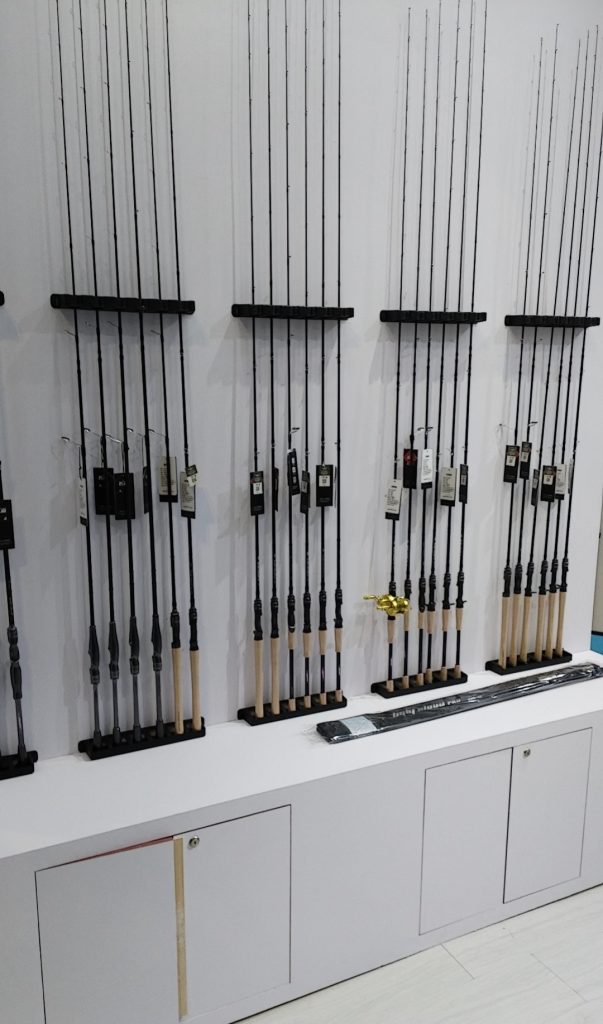
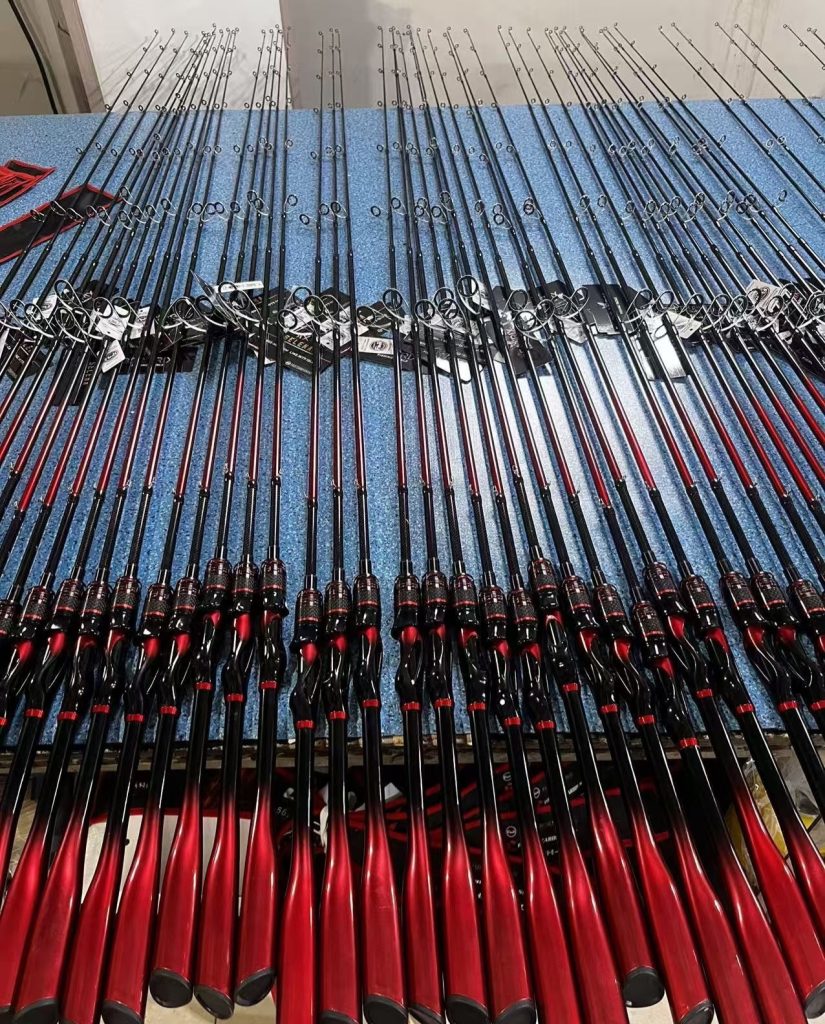
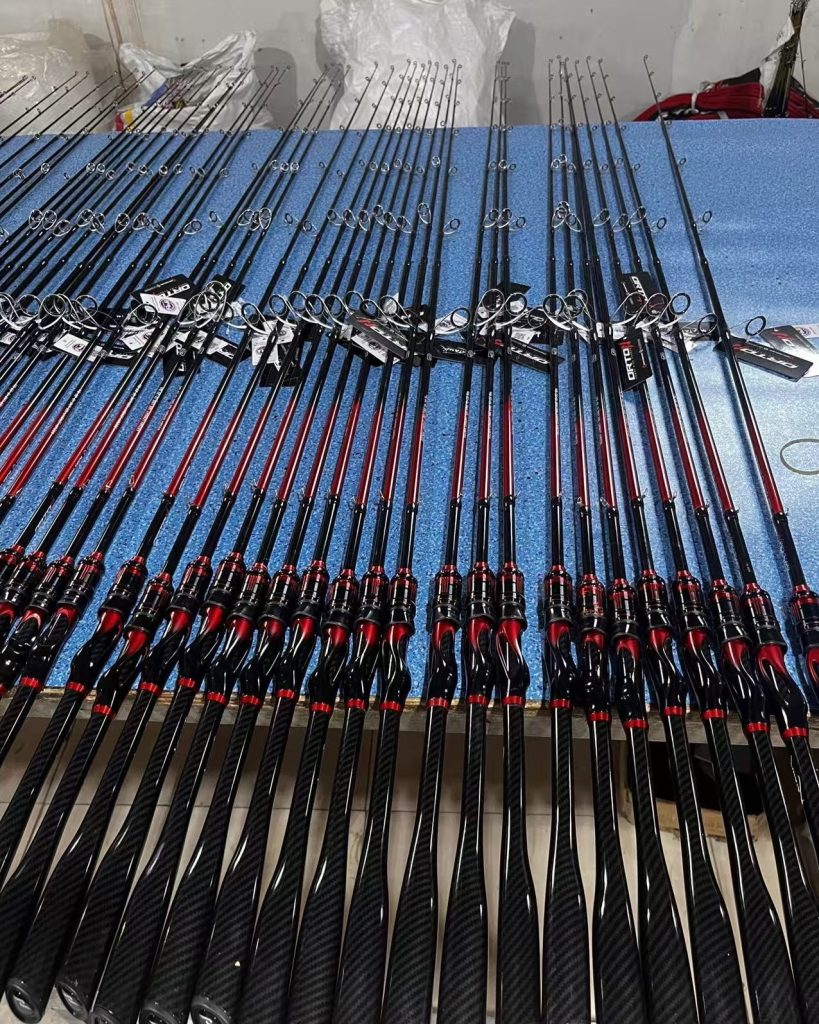
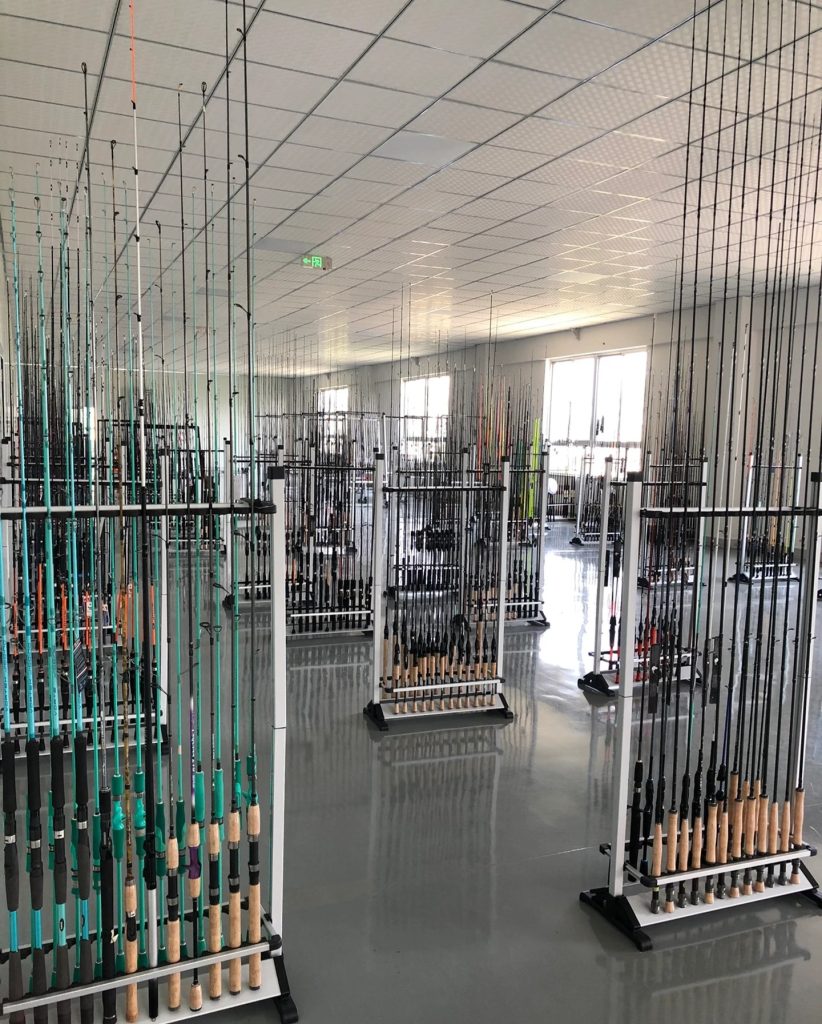
Telescopic fishing rods are popular in markets where portability, compact storage, and convenient transportation are important purchasing considerations.
For fishing tackle wholesalers, importers, distributors, retailers, and private-label brands, choosing a telescopic fishing rod requires more than comparing the collapsed length or product appearance.
Buyers should evaluate the rod’s extended length, collapsed length, section construction, material, power, action, guides, reel seat, handle, weight, packaging, and intended fishing application.
This guide explains how to evaluate telescopic fishing rods when sourcing from China for wholesale and private-label projects.
1. What Is a Telescopic Fishing Rod?
A telescopic fishing rod is designed with sections that collapse into one another.
Compared with a conventional multi-piece fishing rod, a telescopic design can provide a compact collapsed size.
This can be useful for:
-
Travel fishing
-
Portable fishing equipment
-
Recreational fishing
-
Outdoor activities
-
Retail products aimed at convenience
-
Fishing kits and compact product sets
However, a compact design does not automatically mean that the rod is suitable for every fishing application.
The final specification should match the target market and intended use.
2. Extended Length vs. Collapsed Length
One of the most important specifications for a telescopic fishing rod is the difference between its extended and collapsed dimensions.
Buyers should request both:
Specification |
What to Confirm |
|---|---|
Extended length |
Total working length |
Collapsed length |
Length after fully closing the rod |
Section count |
Number of telescopic sections |
Product weight |
Weight of the complete rod |
Packaging size |
Final packaged dimensions |
Collapsed length is particularly important for buyers selling travel-oriented fishing products.
It can affect storage, retail display, shipping, and customer convenience.
3. Choose the Right Fishing Application
Before selecting a telescopic rod, define its intended application.
Possible markets include:
-
General freshwater fishing
-
Travel fishing
-
Recreational fishing
-
Pond fishing
-
Lake fishing
-
Shore fishing
-
Beginner fishing
-
Portable outdoor fishing
A rod intended for occasional recreational use may have different requirements from a specialized product designed for experienced anglers.
The manufacturer should understand the target application before recommending a model.
4. Check the Rod Material
Telescopic fishing rods can be manufactured using different materials and constructions.
Common material considerations include:
-
Carbon fiber
-
Fiberglass
-
Composite construction
Material selection can affect:
-
Weight
-
Stiffness
-
Flexibility
-
Sensitivity
-
Product positioning
-
Durability characteristics
Buyers should request the actual material specification rather than relying only on marketing descriptions.
For a comparison of common fishing rod materials, see:
Fishing Rod Materials Explained: Carbon Fiber vs. Fiberglass for Wholesale Buyers
5. Consider Rod Power
Rod power is an important specification when selecting a telescopic fishing rod.
Common categories may include:
-
Ultralight
-
Light
-
Medium Light
-
Medium
-
Medium Heavy
-
Heavy
The appropriate power depends on the intended fishing application, target species, line, lure, and overall rod design.
A buyer should therefore avoid requesting only:
“A strong telescopic fishing rod.”
Instead, specify the intended application and ask the manufacturer to recommend an appropriate configuration.
6. Consider Rod Action
Action describes how a fishing rod bends when loaded.
Common descriptions include:
-
Fast
-
Moderate
-
Slow
The same telescopic rod length can have different actions depending on its construction and intended application.
For wholesale buyers, action should be evaluated together with:
-
Length
-
Power
-
Material
-
Lure range
-
Line range
-
Target fishing method
More information is available in:
How to Choose Fishing Rod Action: Fast, Moderate, and Slow Action Explained
7. Evaluate the Telescopic Sections
The telescopic mechanism is a key part of the product.
During sample inspection, buyers should check:
-
Section alignment
-
Smooth extension
-
Smooth collapse
-
Section fit
-
Surface finish
-
Movement between sections
-
Whether sections remain properly positioned during use
The rod should be tested in both its extended and collapsed configurations.
A sample that looks good in photographs may still require physical inspection before bulk purchasing.
8. Check the Guides
If the telescopic rod uses line guides, inspect their:
-
Alignment
-
Size
-
Attachment
-
Position
-
Finish
-
Insert condition
Guide alignment is particularly important because the line needs to pass through the guide system correctly.
Buyers should compare the physical sample with the approved product specification before production.
9. Check the Reel Seat
For telescopic spinning rods, the reel seat should be evaluated for:
-
Reel compatibility
-
Fit
-
Locking function
-
Alignment
-
Material
-
Surface finish
For OEM products, buyers may also request specific colors, finishes, or branding elements depending on the manufacturer’s capabilities.
10. Choose the Handle Carefully
The handle affects both product appearance and user comfort.
Depending on the model, handle materials may include:
-
EVA
-
Cork
-
Composite materials
-
Other synthetic materials
For private-label products, handle appearance can be part of the overall brand design.
Buyers should specify the preferred handle material and dimensions when developing a customized model.
11. Weight Matters for Portable Fishing Rods
Portability is one of the main reasons buyers consider telescopic fishing rods.
The product should therefore be evaluated not only by its collapsed length but also by its overall weight.
When comparing suppliers, record:
-
Rod weight
-
Extended length
-
Collapsed length
-
Section count
-
Handle configuration
-
Packaging weight if relevant
A very compact rod may still be unsuitable for a particular market if its weight or balance does not match customer expectations.
12. Choose the Right Telescopic Rod for Different Markets
Travel Fishing
Travel-oriented products generally place greater importance on compact dimensions.
Buyers should pay particular attention to:
-
Collapsed length
-
Weight
-
Protective packaging
-
Portability
-
Storage
Beginner Fishing
Beginner products may prioritize easy handling and straightforward specifications.
A buyer should avoid making the product unnecessarily specialized if the target market is general recreational fishing.
General Freshwater Fishing
General freshwater products can be developed around the target fishing environment, species, and customer requirements.
Length, power, action, and material should be selected together.
Private-Label Fishing Brands
Private-label buyers may place additional emphasis on:
-
Product appearance
-
Logo
-
Rod graphics
-
Color
-
Handle design
-
Packaging
-
Product labeling
The manufacturer should confirm which elements can be customized.
13. Telescopic Fishing Rod vs. Multi-Piece Fishing Rod
These two product types are not identical.
Factor |
Telescopic Rod |
Multi-Piece Rod |
|---|---|---|
Collapsed size |
Often compact |
Depends on section design |
Portability |
Major advantage |
Can also be portable |
Construction |
Sections collapse into one another |
Separate sections connect together |
Storage |
Convenient |
Convenient |
Product positioning |
Travel/convenience focused |
Broader range of applications |
Inspection |
Telescopic mechanism is important |
Joint connections are important |
The best choice depends on the intended market rather than simply which design is more compact.
14. Prepare a Telescopic Fishing Rod RFQ
A wholesale buyer can provide the following information:
Product: Telescopic fishing rod
Application: Freshwater / travel / recreational / other
Rod type: Spinning / other
Extended length: Buyer requirement
Collapsed length: Buyer requirement
Sections: Required configuration
Material: Carbon fiber / fiberglass / composite
Power: Required or supplier recommendation
Action: Required or supplier recommendation
Lure range: If applicable
Line range: If applicable
Weight: Target requirement if applicable
Handle: EVA / cork / other
Guides: Required configuration
Reel seat: Required configuration
Logo: OEM requirement
Packaging: Retail / bulk / private label
Quantity: Expected order quantity
Target market: Country or customer segment
This gives the manufacturer a much clearer basis for quotation and product selection.
15. How to Compare Telescopic Fishing Rod Suppliers
When requesting quotations from several suppliers, use the same specification.
Specification |
Supplier A |
Supplier B |
Supplier C |
|---|---|---|---|
Extended length |
|||
Collapsed length |
|||
Material |
|||
Sections |
|||
Power |
|||
Action |
|||
Weight |
|||
Guides |
|||
Reel seat |
|||
Handle |
|||
OEM logo |
|||
Packaging |
|||
Sample |
|||
Lead time |
This allows buyers to compare equivalent products instead of comparing quotations based only on product names.
16. Request a Sample Before Bulk Production
A sample should be evaluated before approving a large order.
Check:
Dimensions
-
Extended length
-
Collapsed length
-
Section count
-
Handle dimensions
Construction
-
Section movement
-
Alignment
-
Surface finish
-
Joint or telescopic fit
Components
-
Guides
-
Reel seat
-
Handle
-
End cap
Product Performance
-
Weight
-
Balance
-
Flexibility
-
General handling
Branding
-
Logo position
-
Printing
-
Color
-
Packaging
If the product is customized, the approved sample should become the reference for mass production.
17. Quality Control During Mass Production
After the sample is approved, buyers should maintain the same specification during production.
Important inspection points may include:
-
Overall dimensions
-
Rod weight
-
Section operation
-
Guide alignment
-
Reel seat installation
-
Handle assembly
-
Surface finish
-
Printing
-
Packaging
For a broader inspection framework, see:
Fishing Rod Quality Inspection During Mass Production: A Practical Guide for Buyers
18. Packaging for International Wholesale Orders
Packaging is especially important for telescopic fishing rods because the product is designed around compact storage.
Buyers should confirm:
-
Individual packaging
-
Protective materials
-
Retail box or bag
-
Carton configuration
-
Product labels
-
Carton dimensions
-
Quantity per carton
The final packaging should protect the product during normal handling and international transportation.
For customized retail products, packaging design can also become part of the OEM project.
19. Common Buying Mistakes
Mistake 1: Choosing Only by Collapsed Length
A compact product is not automatically the right product.
Mistake 2: Ignoring Material
Different materials can produce different weight and performance characteristics.
Mistake 3: Not Defining the Application
A rod for travel fishing may not be appropriate for another fishing technique.
Mistake 4: Comparing Different Specifications
A lower quotation is not necessarily better if the products are not equivalent.
Mistake 5: Skipping Sample Approval
A photograph cannot replace physical product inspection.
Mistake 6: Changing Specifications After Production Starts
Changes to length, components, graphics, or packaging should be confirmed before production whenever possible.
Frequently Asked Questions
Are telescopic fishing rods good for wholesale?
They can be attractive wholesale products when portability and compact storage are important to the target market. Buyers should select the product according to the intended fishing application and customer segment.
What should I check when buying telescopic fishing rods from China?
Check extended length, collapsed length, material, sections, power, action, weight, guides, reel seat, handle, packaging, OEM options, and sample quality.
Are telescopic fishing rods suitable for travel?
Portability is one of their main potential advantages. Buyers should compare collapsed dimensions and weight when developing a travel-oriented product.
Can telescopic fishing rods be customized with a private label?
Customization may include logos, graphics, colors, packaging, labels, and other components depending on the manufacturer’s capabilities. Buyers should confirm customization options before ordering.
Should I request a sample before a wholesale order?
Yes. A physical sample allows buyers to evaluate the actual construction, dimensions, components, finish, and overall product before approving bulk production.
How should I compare different Chinese telescopic fishing rod suppliers?
Send the same technical specification to each supplier and compare equivalent products. Evaluate the complete specification rather than comparing unit prices alone.
Conclusion
A good telescopic fishing rod for wholesale or private-label distribution should be selected according to the target application rather than simply its compact size.
Before ordering, buyers should confirm:
-
Extended length
-
Collapsed length
-
Material
-
Section construction
-
Power
-
Action
-
Weight
-
Guides
-
Reel seat
-
Handle
-
Packaging
-
OEM requirements


No reply content