
Guangzhou Fishing Tackle Co., Ltd
China
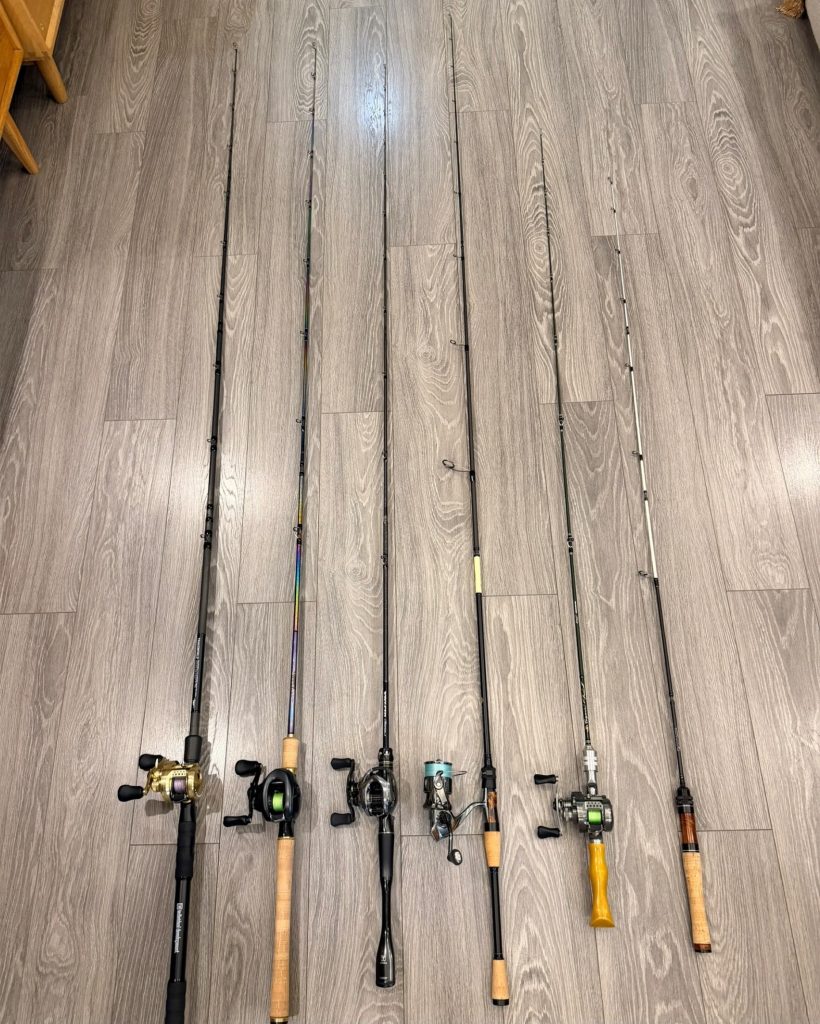
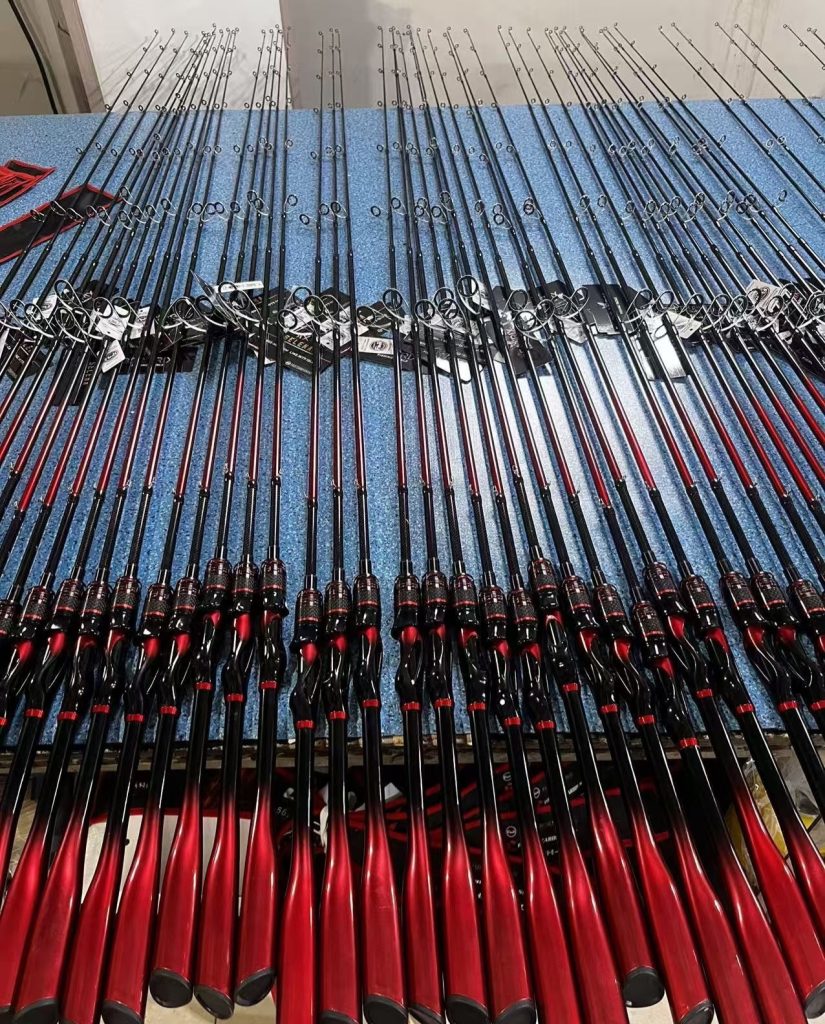
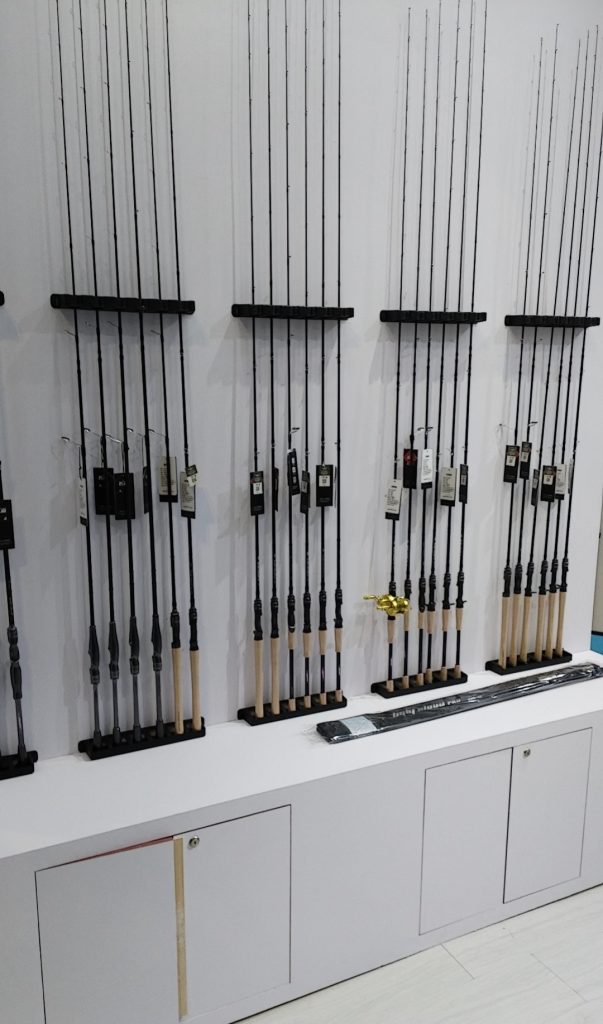
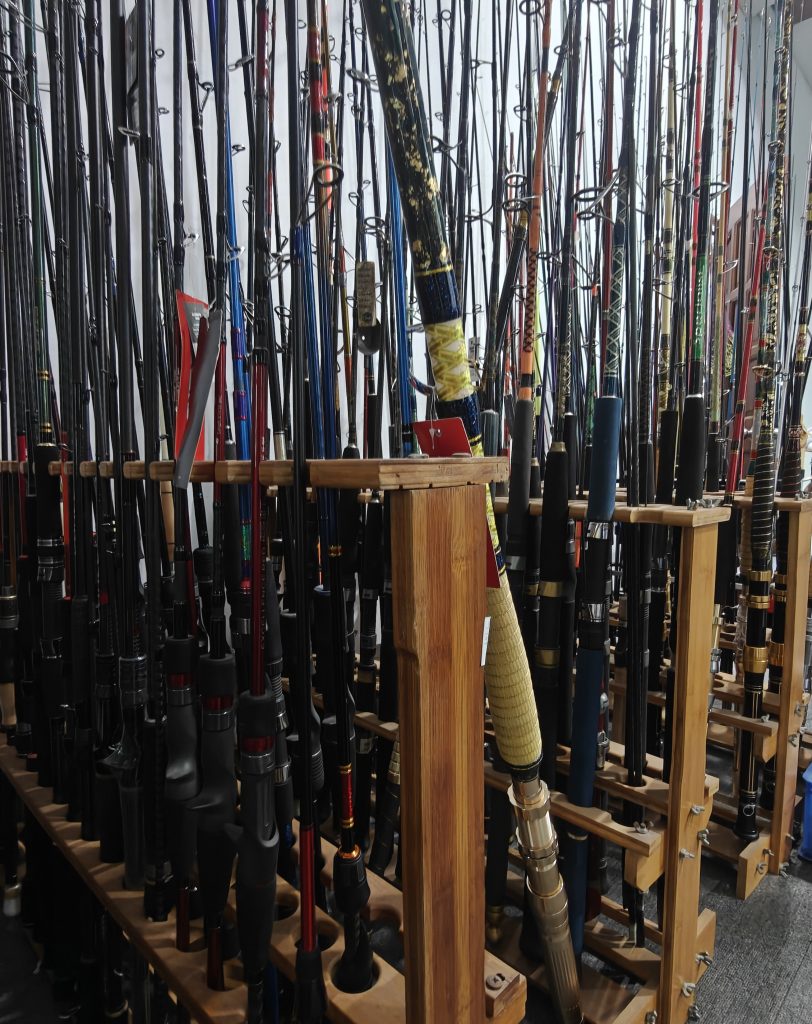
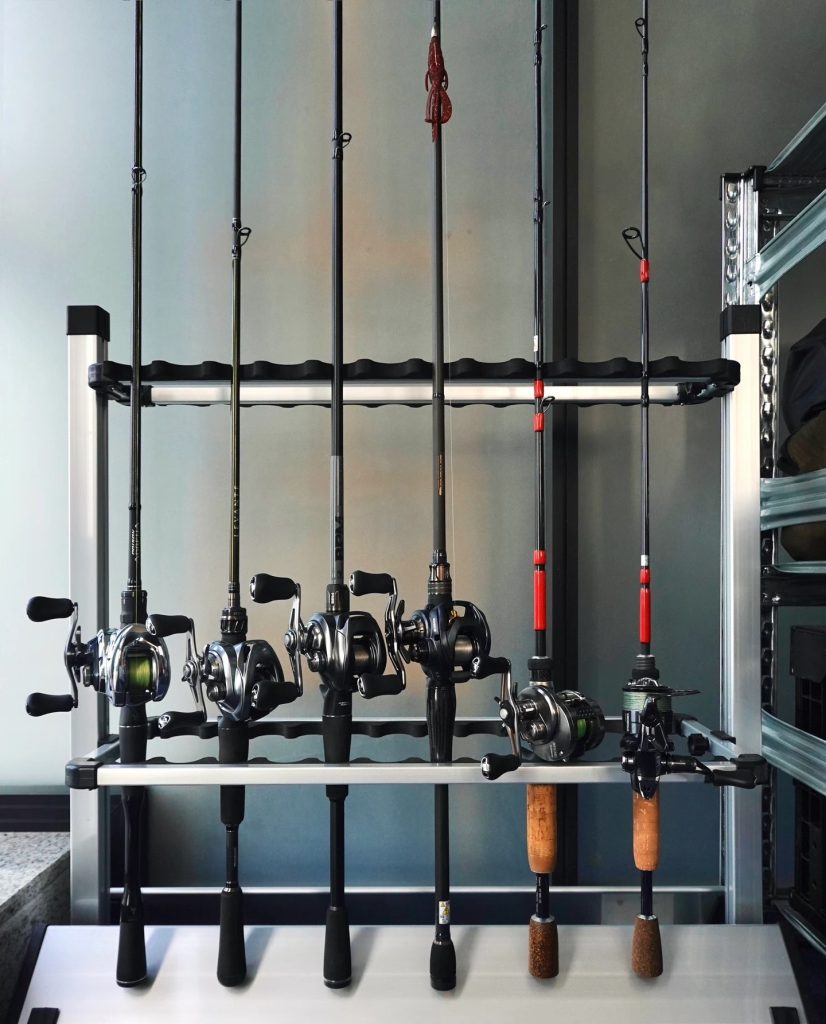
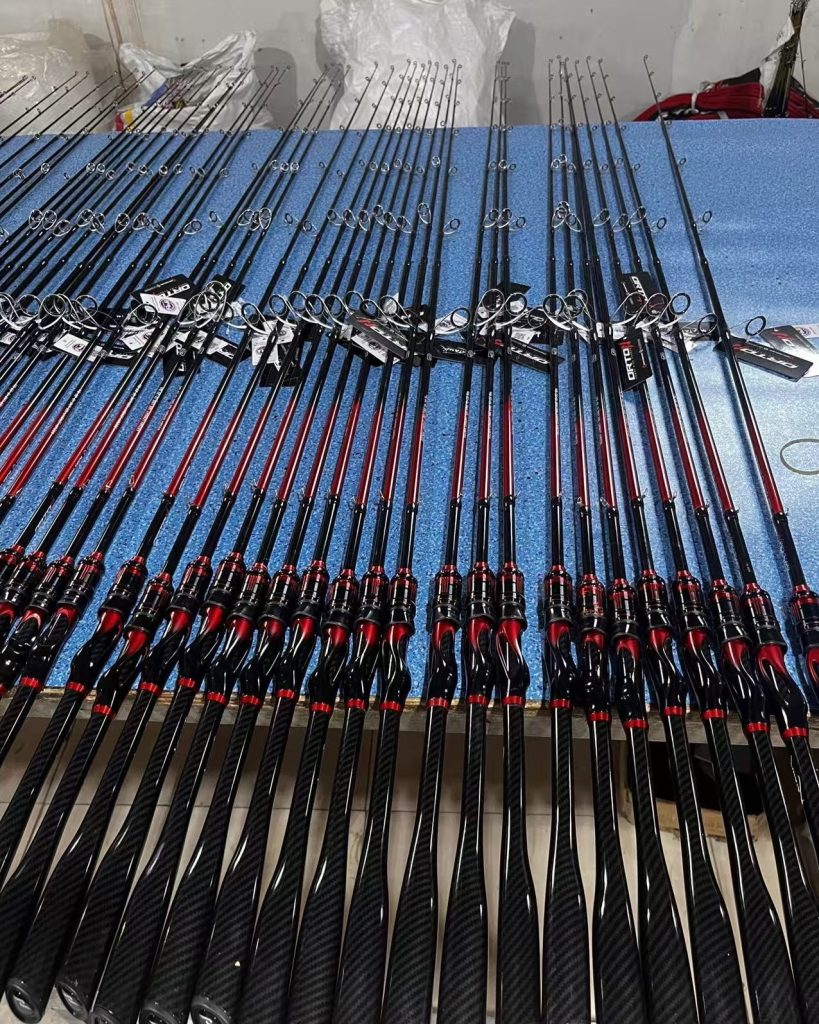
Finding a fishing rod supplier in China is relatively easy.
Finding the right supplier for a long-term wholesale or OEM project is much more difficult.
A buyer can find many companies offering spinning rods, casting rods, telescopic rods, carbon fiber fishing rods, and other fishing tackle products. However, supplier selection should not be based only on the lowest quoted price.
For importers, wholesalers, distributors, retailers, and private-label fishing tackle brands, a better approach is to compare suppliers according to product specifications, sample quality, manufacturing capability, customization, quality control, MOQ, packaging, communication, and shipping requirements.
This guide explains how to compare fishing rod suppliers in China before placing a wholesale or OEM order.
1. Start With Your Product Requirements
Before comparing suppliers, define what you actually want to buy.
A supplier cannot be evaluated fairly if each company is quoting a different product.
Your initial specification can include:
-
Fishing rod type
-
Rod length
-
Number of sections
-
Blank material
-
Rod power
-
Rod action
-
Line rating
-
Lure rating
-
Guide configuration
-
Reel seat
-
Handle material
-
Color
-
Logo
-
Packaging
-
Estimated quantity
For example, asking three suppliers for a quotation for a “carbon fishing rod” is not enough.
One supplier might quote a standard spinning rod, another might quote a different carbon construction, and another might include customized components.
The resulting prices would not be directly comparable.
For a more detailed specification checklist, see:
What Specifications Should Buyers Provide When Ordering Fishing Rods in Bulk?
2. Check Whether the Supplier Offers the Product You Actually Need
The first supplier-selection question should be simple:
Can this supplier produce the fishing rod required for my market?
Do not select a supplier simply because its website contains many fishing rod photographs.
Ask for information about the specific model you want.
For example:
-
Is it a standard model?
-
Is the model currently in production?
-
Can the length be changed?
-
Can the blank specification be changed?
-
Can components be customized?
-
Can the handle be changed?
-
Can the logo be added?
-
Can packaging be customized?
This helps distinguish between a company that simply sells fishing products and a supplier that can support your actual purchasing requirements.
3. Compare Fishing Rod Specifications, Not Just Prices
Price comparison is only meaningful when the products are equivalent.
When comparing two quotations, check:
Specification |
Supplier A |
Supplier B |
|---|---|---|
Rod type |
— |
— |
Length |
— |
— |
Sections |
— |
— |
Blank material |
— |
— |
Power |
— |
— |
Action |
— |
— |
Guides |
— |
— |
Reel seat |
— |
— |
Handle |
— |
— |
Packaging |
— |
— |
Logo |
— |
— |
If several specifications are different, the two quotations should not be treated as direct alternatives.
For carbon fiber fishing rods, this is particularly important because the term “carbon fiber” by itself does not fully describe the finished product.
You can compare product requirements in more detail here:
How to Choose a Carbon Fiber Fishing Rod for Wholesale and OEM Projects
4. Ask for a Sample Before a Large Order
A sample is one of the most useful tools for evaluating a new supplier.
Photographs and product descriptions can help you identify potential suppliers, but they cannot completely replace physical inspection.
A sample allows you to examine:
-
Rod appearance
-
Weight
-
Length
-
Sections
-
Joint fit
-
Guides
-
Reel seat
-
Handle
-
Finish
-
Printing
-
Logo
-
Packaging
If the supplier offers a standard model, ask whether the sample comes from normal production.
If the project is customized, confirm whether the sample will reflect the final production specification.
For more information:
How to Inspect Fishing Rod Quality Before Placing a Bulk Order
5. Evaluate Manufacturing Capability
A supplier’s ability to provide a sample does not automatically mean it has the production capability required for your long-term order.
For a wholesale or OEM project, ask questions about production.
For example:
-
What types of fishing rods are produced?
-
What order quantities are normally handled?
-
Can the supplier support repeat orders?
-
Can the same specification be reproduced?
-
Can the supplier support customized products?
-
Can the supplier handle custom packaging?
-
What is the expected production lead time?
You do not necessarily need to demand a long list of factory documents.
The objective is to understand whether the supplier can realistically support the project you are planning.
6. Check OEM and Customization Capability
If you are buying fishing rods under your own brand, customization capability becomes much more important.
Possible requirements include:
-
Brand logo
-
Rod printing
-
Custom colors
-
Handle design
-
Components
-
Product labels
-
Retail packaging
-
Carton markings
-
Product inserts
Ask the supplier which elements can actually be customized.
A supplier may support logo printing but not complete product redesign.
Another supplier may be able to modify the product but require a different MOQ.
For private-label projects, read:
How to Develop a Private Label Fishing Rod with a Chinese OEM Factory
You can also review:
OEM Fishing Rod Manufacturing in China: Custom Logo, Design and Packaging
7. Compare MOQ Carefully
MOQ is an important commercial factor, but it should not be the only selection criterion.
Different suppliers may calculate MOQ differently.
The MOQ may apply:
-
Per model
-
Per color
-
Per specification
-
Per logo
-
Per packaging design
-
Per order
Ask the supplier exactly how its MOQ is calculated.
For example:
Is the MOQ calculated per model, or can different fishing rod models be combined in one order?
This question can be particularly important for distributors who want to purchase several fishing rod types.
For a detailed explanation of MOQ:
Fishing Rod MOQ in China: What Wholesale Buyers Should Know
8. Compare Samples From Multiple Suppliers
If several suppliers appear suitable, ordering samples from more than one company can provide a better comparison.
Instead of evaluating each sample separately, create a comparison sheet.
Item |
Supplier A |
Supplier B |
Supplier C |
|---|---|---|---|
Appearance |
— |
— |
— |
Weight |
— |
— |
— |
Rod length |
— |
— |
— |
Guide alignment |
— |
— |
— |
Reel seat |
— |
— |
— |
Handle |
— |
— |
— |
Finish |
— |
— |
— |
Logo |
— |
— |
— |
Packaging |
— |
— |
— |
Sample price |
— |
— |
— |
This makes the selection process more objective.
9. Evaluate Quality Control
Quality control should be discussed before bulk production rather than after receiving the goods.
Ask the supplier how the finished fishing rods will be checked.
Depending on your product, quality checks may include:
-
Product dimensions
-
Rod sections
-
Guide alignment
-
Reel seat installation
-
Handle assembly
-
Surface finish
-
Printing
-
Logo position
-
Packaging
-
Quantity
For larger orders, buyers may also arrange an independent inspection.
The important point is to define the acceptance requirements before production.
A buyer should not wait until the goods arrive to discover that a particular specification was never clearly agreed.
10. Communication Is Part of Supplier Quality
Communication is sometimes overlooked when buyers compare suppliers.
However, a supplier’s ability to understand technical requirements can have a direct impact on the final product.
Pay attention to whether the supplier:
-
Answers questions clearly
-
Understands specifications
-
Confirms important details in writing
-
Provides complete quotations
-
Responds consistently
-
Raises potential production problems
-
Communicates sample changes
-
Confirms packaging requirements
A very low quotation is less attractive if basic specifications repeatedly become misunderstood.
For OEM projects, communication becomes even more important because the product may contain many customized elements.
11. Ask for a Complete Quotation
Do not compare suppliers using only the unit price.
Ask the supplier to clarify:
-
Product price
-
MOQ
-
Sample cost
-
Custom logo cost
-
Packaging cost
-
Production lead time
-
Payment terms
-
Shipping terms
-
Export documentation
-
Other applicable charges
This creates a clearer commercial comparison.
A simple quotation comparison can look like this:
Cost |
Supplier A |
Supplier B |
Supplier C |
|---|---|---|---|
Product |
— |
— |
— |
Logo |
— |
— |
— |
Packaging |
— |
— |
— |
Sample |
— |
— |
— |
Inspection |
— |
— |
— |
Freight |
— |
— |
— |
Other charges |
— |
— |
— |
The actual values should come from current supplier quotations.
For a broader explanation of total purchasing costs:
How to Calculate the Total Cost of Buying Fishing Rods from China
12. Consider Packaging and Shipping Early
Fishing rods are long products, so packaging and transportation should be considered during supplier selection.
Ask about:
-
Individual packaging
-
Master carton size
-
Number of rods per carton
-
Gross weight
-
Net weight
-
Carton protection
-
Shipping marks
These details can affect the total logistics cost.
A supplier with a slightly higher product price may sometimes offer a more suitable packaging arrangement for your distribution model.
Therefore, compare the complete purchasing and logistics arrangement rather than only the factory price.
13. Check Whether the Supplier Can Support Repeat Orders
A good first order is useful, but long-term buyers should also consider future supply.
Ask:
-
Can the supplier reproduce the same specification?
-
Can the supplier maintain the same components?
-
Can the supplier support repeat orders?
-
Can the packaging specification be retained?
-
Can the logo and artwork be retained?
-
Can product changes be documented?
This is particularly important for retailers and private-label brands.
If customers become familiar with a particular fishing rod, significant changes between batches can create problems.
The supplier should therefore understand that consistency is part of the purchasing requirement.
14. Do Not Choose a Supplier Only Because It Has the Lowest Price
The lowest quotation can be attractive.
But a low product price may not represent the lowest total cost.
For example, a lower quotation may exclude:
-
Custom packaging
-
Logo printing
-
Certain components
-
Sample development
-
Inspection
-
Freight
-
Other services
Or the quoted product may simply have different specifications.
A more useful question is:
What exactly is included in this quotation?
Then compare equivalent products under equivalent conditions.
15. How to Verify a Supplier Before Ordering
Before placing a substantial order, collect basic information about the supplier.
Depending on your purchasing requirements, this can include:
-
Company name
-
Product range
-
Business contact
-
Product specifications
-
Sample availability
-
MOQ
-
Production capability
-
Customization capability
-
Packaging capability
-
Commercial terms
For buyers using Vlefooena, supplier profile pages can also provide a starting point for reviewing supplier information and contacting the company.
For example:
Guangzhou Fishing Tackle Co., Ltd.
Buyers should still confirm the specific product, specification, quotation, and commercial terms directly with the supplier before placing an order.
16. Questions to Ask Before Selecting a Fishing Rod Supplier
A useful supplier questionnaire can include:
Product
-
Which fishing rod models are available?
-
What materials are used?
-
What lengths and actions are available?
-
Can specifications be customized?
MOQ
-
What is the MOQ?
-
Is MOQ calculated per model?
-
Can different models be combined?
OEM
-
Can you add our logo?
-
Can colors and components be customized?
-
Can you produce custom packaging?
Quality
-
How are finished rods inspected?
-
Can you provide samples?
-
Can the approved sample be used as the production reference?
Production
-
What is the expected production lead time?
-
Can you support repeat orders?
-
Can you maintain the same specification for future production?
Shipping
-
What are the carton dimensions?
-
What is the estimated shipment weight?
-
Which shipping terms are available?
The answers provide a much better basis for supplier selection than a single unit-price comparison.
17. Compare Suppliers Using a Scorecard
For larger purchasing projects, buyers can create a simple supplier scorecard.
For example:
Category |
Weight |
|---|---|
Product quality |
25% |
Specification match |
20% |
OEM capability |
15% |
Price |
15% |
MOQ |
10% |
Communication |
5% |
Packaging |
5% |
Production capability |
5% |
The percentages are only an example.
Each buyer can adjust the weighting according to the project.
A private-label brand may give more importance to OEM capability, while a distributor purchasing standard products may place greater emphasis on price, availability, and repeat-order capability.
18. When Should You Reject a Supplier?
There is no universal checklist that can guarantee supplier performance.
However, buyers should be cautious when important requirements cannot be clarified.
Examples include:
-
Specifications remain unclear
-
Sample does not match the agreed requirements
-
Supplier cannot explain MOQ
-
Quotation scope is unclear
-
Customization requirements are repeatedly misunderstood
-
Packaging information is unavailable
-
Production arrangements cannot be explained
-
Important commercial terms remain ambiguous
The purpose of supplier evaluation is not to find a company with no possible risks.
It is to identify and understand the risks before committing to a large order.
Frequently Asked Questions
How many fishing rod suppliers should I compare?
There is no fixed number. For a new purchasing project, comparing several suitable suppliers can provide a useful understanding of product quality, specifications, MOQ, pricing, and customization capability.
Should I choose the fishing rod supplier with the lowest price?
Not necessarily. The quotation should first be standardized so that the products, specifications, customization, packaging, and commercial terms are comparable.
Is a factory always better than a trading company?
Not automatically. The right supplier depends on the buyer’s requirements. Manufacturing capability, product quality, communication, customization, consistency, and commercial support are more useful evaluation factors than a simple label.
Should I order samples from several suppliers?
For an important wholesale or OEM project, comparing samples from several qualified suppliers can help you evaluate differences in product quality and specifications.
What should I check in a fishing rod sample?
Check the rod length, weight, sections, joints, blank appearance, guides, reel seat, handle, finish, logo, and packaging against your agreed requirements.
Can a supplier customize fishing rods with my brand?
Many fishing rod suppliers offer some level of customization, but the available options, MOQ, production requirements, and packaging conditions vary. Confirm the exact customization scope before ordering.
A Practical Supplier Comparison Process
For most international buyers, a practical process is:
Step 1: Define the fishing rod requirements.
Step 2: Identify several suitable Chinese suppliers.
Step 3: Send the same specification to each supplier.
Step 4: Compare MOQ and quotation scope.
Step 5: Request samples.
Step 6: Inspect and compare the samples.
Step 7: Confirm OEM, logo, and packaging requirements.
Step 8: Confirm quality standards.
Step 9: Confirm production and shipping arrangements.
Step 10: Place the initial order and monitor production.
This process reduces the risk of selecting a supplier simply because of a low initial quotation.
Conclusion
Choosing a fishing rod supplier in China requires more than searching for the lowest price.
A professional buyer should compare:
Product specifications → Sample quality → Manufacturing capability → OEM capability → MOQ → Quality control → Packaging → Communication → Total cost → Long-term supply capability
The right supplier is the one that can provide the product you actually need and maintain the agreed requirements throughout the purchasing process.
For a first order, start with clear specifications, request a sample when appropriate, compare equivalent quotations, and document the important requirements before bulk production.
For long-term wholesale and private-label projects, supplier consistency and communication can be just as important as the initial product price.
Contact a China Fishing Rod Supplier
If you are looking for fishing rods from China for wholesale, distribution, retail, or OEM/private-label projects, you can submit your requirements through Vlefooena.
Contact Guangzhou Fishing Tackle Co., Ltd.
When making an inquiry, provide:
-
Fishing rod type
-
Length and specifications
-
Estimated quantity
-
Target market
-
Logo requirements
-
Packaging requirements
-
Sample requirements
-
Destination country
A detailed inquiry gives the supplier a better understanding of your project and makes it easier to discuss the appropriate fishing rod configuration, MOQ, customization, and quotation.
Related Fishing Rod Buying Guides
How to Choose a Carbon Fiber Fishing Rod for Wholesale and OEM Projects
Fishing Rod MOQ in China: What Wholesale Buyers Should Know
How to Inspect Fishing Rod Quality Before Placing a Bulk Order
How to Calculate the Total Cost of Buying Fishing Rods from China
How to Develop a Private Label Fishing Rod with a Chinese OEM Factory
Article Link:
How to Compare Fishing Rod Suppliers in China


No reply content