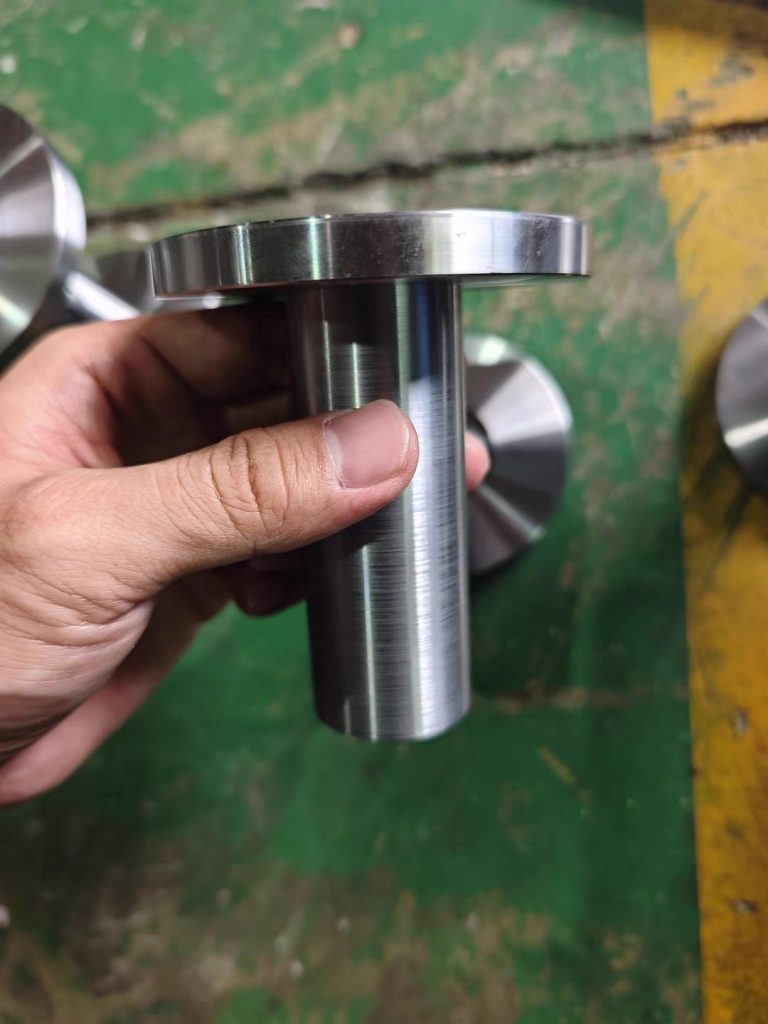
How to Order Custom CNC Machining Parts from China: A Step-by-Step Guide
Ordering custom CNC machining parts from China can be a practical option for companies that need prototypes, small-batch components, replacement parts, or ongoing production. However, a successful order depends on more than finding a supplier with a competitive price.
Buyers need to provide the right technical information, choose suitable materials, confirm tolerances, understand production requirements, review samples when necessary, and establish clear inspection standards before production begins.
For international buyers, the most effective approach is to treat CNC machining as an engineering and manufacturing project rather than simply a product purchase.
This guide explains how to order custom CNC machining parts from China, from preparing your drawings to receiving the finished components.
1. Define What You Need Before Contacting a CNC Manufacturer
Before requesting quotations, clearly define the part you want to manufacture.
At a minimum, prepare information about:
- Part name or part number
- Application
- Material
- Quantity
- Dimensions
- Critical tolerances
- Surface finish
- Surface treatment
- Heat treatment, if required
- Packaging requirements
- Delivery destination
If the component is part of a larger assembly, explain how it will be used.
For example, a supplier may need to know whether a machined aluminum component is used as a structural bracket, housing, fixture, shaft support, or another mechanical component.
The application can affect material selection, tolerances, surface treatment, and inspection requirements.
2. Prepare Your CNC Drawings and CAD Files
Good technical documentation is one of the most important parts of the purchasing process.
Common files used for CNC machining projects include:
- STEP
- STP
- IGES
- IGS
- DWG
- DXF
- PDF technical drawings
A 3D CAD model can help the manufacturer understand the overall geometry, while a 2D drawing can define dimensions, tolerances, threads, surface requirements, and other technical details.
If you are unsure which material is suitable for your application, you can also review our guide on What Materials Can Chinese CNC Parts Manufacturers Machine?
What Should a Technical Drawing Include?
Depending on the part, your drawing may need:
- Overall dimensions
- Hole dimensions
- Hole locations
- Thread specifications
- Critical tolerances
- Surface roughness
- Material grade
- Surface treatment
- Heat treatment
- Special inspection requirements
Avoid sending an incomplete drawing and expecting the manufacturer to guess missing specifications.
A clear drawing reduces the possibility of different suppliers interpreting the same design differently.
3. Decide Whether You Need a Prototype or Production Order
Your purchasing process can be different depending on whether you are developing a new product or ordering an existing component.
Prototype Production
A prototype can help verify:
- Dimensions
- Assembly
- Fit
- Function
- Material
- Surface finish
- Design problems
For a new product, producing a small number of samples before a large production run can reduce the risk of discovering design problems after hundreds or thousands of parts have already been manufactured.
Small-Batch Production
Small-batch CNC production can be suitable when:
- Demand is uncertain
- You are testing a new product
- You need replacement parts
- You are preparing for market testing
- You need engineering samples
Larger Production Orders
For established products, larger quantities may improve unit economics because programming, setup, tooling, and other fixed costs can be distributed across more parts.
However, quantity should be based on your actual demand rather than ordering excessive inventory simply to obtain a lower unit price.
4. Send the Same Technical Requirements to Each Supplier
When comparing Chinese CNC manufacturers, make sure every supplier receives the same information.
For example, your RFQ could include:
Material: Aluminum 6061-T6
Quantity: 500 pcs
Surface treatment: Black anodizing
Tolerance: According to drawing
Inspection: Dimensional inspection
Files: STEP + PDF drawing
Destination: Germany
This makes supplier quotations easier to compare.
If one supplier receives a basic drawing while another receives detailed tolerances and surface-treatment requirements, their quotations may not represent the same manufacturing scope.
You can also read How Much Does CNC Machining Cost in China? to understand the major factors that influence CNC machining quotations.
5. Ask the Manufacturer to Review the Design
Before production, ask the CNC manufacturer to review your drawings or CAD files.
A manufacturing review may identify:
- Difficult-to-machine features
- Extremely deep pockets
- Thin walls
- Tight tolerances
- Difficult tool access
- Unnecessary machining operations
- Material availability issues
- Additional finishing requirements
This is often called a DFM, or Design for Manufacturability, review.
The purpose is not necessarily to change the function of your component. Instead, the goal is to identify manufacturing problems before they become production problems.
A small design adjustment may sometimes reduce machining time, tooling requirements, or the number of setups.
6. Confirm the CNC Machining Process
Not every CNC part should be manufactured using the same machining process.
Depending on the geometry, the manufacturer may recommend:
- CNC milling
- CNC turning
- CNC drilling
- CNC tapping
- Multi-axis machining
- Grinding
- Additional finishing processes
CNC Milling
CNC milling is commonly used for parts with:
- Flat surfaces
- Slots
- Pockets
- Holes
- Complex contours
- Multiple machined faces
CNC Turning
CNC turning is generally suitable for round or cylindrical components such as:
- Shafts
- Pins
- Bushings
- Sleeves
- Threaded components
Multi-Axis Machining
Complex components may require additional machine axes to reach features from different directions.
The most advanced machining process is not automatically the correct choice. The appropriate process depends on the geometry, tolerance, production quantity, and functional requirements of the part.
7. Confirm Material and Surface Treatment
Do not simply write “aluminum,” “steel,” or “plastic” if the application requires a specific material grade.
For example, different aluminum grades can have different mechanical properties and machining characteristics.
The same principle applies to steel, stainless steel, engineering plastics, brass, copper, and other materials.
You should confirm:
- Material type
- Material grade
- Material certification, if required
- Surface finish
- Surface treatment
- Color requirements
- Coating thickness, if applicable
Possible surface treatments include:
- Anodizing
- Powder coating
- Plating
- Polishing
- Brushing
- Sandblasting
- Black oxide
- Passivation
Surface treatment should be included in the quotation request rather than added after the production price has already been confirmed.
8. Review the Quotation Carefully
A CNC machining quotation should be more than a single unit-price number.
Check whether the quotation clearly identifies:
- Material
- Quantity
- Unit price
- Tooling
- Fixture costs
- Surface treatment
- Inspection
- Packaging
- Production lead time
- Shipping terms
- Payment terms
- Quote validity
Ask the supplier to clarify anything that is not included.
For example, if one quotation includes anodizing while another does not, comparing only the unit prices can give you the wrong impression.
The same applies to inspection, packaging, tooling, and other additional processes.
9. Confirm Production Lead Time
Before placing the order, confirm the expected production schedule.
Lead time can depend on:
- Material availability
- Part complexity
- Quantity
- Machining process
- Tooling
- Surface treatment
- Inspection
- Packaging
For a new project, separate the timeline into stages when possible:
- Engineering review
- Quotation
- Prototype production
- Sample inspection
- Production approval
- Bulk manufacturing
- Final inspection
- Packaging
- Shipment
This makes it easier to understand where delays may occur.
10. Approve the Sample Before Mass Production
If the part is new or technically important, consider requesting a prototype or first sample.
Check the sample against your approved requirements.
Important inspection points can include:
- Overall dimensions
- Critical dimensions
- Hole positions
- Thread quality
- Surface finish
- Material
- Assembly fit
- Functional performance
If the sample does not meet the requirements, resolve the issue before bulk production begins.
This is particularly important when the component will be installed into an existing assembly where even a small dimensional difference could affect fit or function.
11. Establish Quality Inspection Requirements
Quality requirements should be agreed before production rather than after the parts arrive.
Depending on the application, inspection may include:
- Dimensional inspection
- Visual inspection
- Thread inspection
- Surface roughness inspection
- Material verification
- Hardness testing
- CMM inspection
- First article inspection
Critical dimensions should be clearly identified on the technical drawing.
For more information about pre-shipment quality control, see How to Control CNC Machined Parts Quality Before Shipment from China?
12. Confirm Packaging Requirements
CNC machined parts can be scratched, damaged, or contaminated during transportation if they are not packaged appropriately.
Depending on the component, packaging may include:
- Individual plastic bags
- Foam protection
- Anti-scratch materials
- Protective film
- Separators
- Export cartons
- Wooden cases
If the parts have polished, anodized, painted, or otherwise finished surfaces, tell the supplier about the packaging requirements before production.
13. Confirm the Final Order Details
Before making the final payment or authorizing production, review the complete order.
Confirm:
- Part number
- Drawing revision
- Material
- Quantity
- Tolerances
- Surface treatment
- Inspection requirements
- Packaging
- Delivery address
- Production schedule
- Payment terms
If your design has been updated several times, make sure the manufacturer is working from the correct drawing revision.
A simple revision-control system can prevent a supplier from accidentally manufacturing an outdated version.
14. Keep Approved Documents for Repeat Orders
For long-term CNC purchasing, keep a record of the approved production information.
Useful documents include:
- Final CAD files
- Approved drawings
- Drawing revision numbers
- Material specifications
- Inspection reports
- Approved samples
- Surface-treatment specifications
- Packaging requirements
- Previous quotations
- Production records
This can make repeat orders easier and help maintain consistency between production batches.
If you are still comparing manufacturers, our guide How to Choose the Right CNC Parts Manufacturer in China for Your Project provides additional considerations for evaluating a supplier.
15. Common Mistakes When Ordering CNC Parts from China
Choosing a Supplier Only Because of the Lowest Price
The cheapest quotation may not include the same material, inspection, finishing, packaging, or production requirements.
Always compare quotations based on identical specifications.
Sending Only a 3D Model
A 3D model may not contain every tolerance, surface requirement, or inspection instruction needed for production.
For precision components, provide a suitable technical drawing whenever possible.
Not Specifying the Material Grade
“Aluminum” or “steel” may not be specific enough for some applications.
Confirm the required material grade before production.
Changing the Design After Production Starts
Late design changes can result in additional costs, delays, or unusable components.
Finalize the production drawing before manufacturing whenever possible.
Ordering a Large Quantity Without Testing a Sample
For a new component, a prototype or sample can help identify problems before a large production run.
Comparing Quotes With Different Specifications
Always make sure suppliers are quoting the same material, quantity, tolerances, surface treatment, inspection requirements, and packaging.
16. Questions to Ask a CNC Manufacturer Before Ordering
Before placing an order, buyers can ask:
- Can you manufacture the part according to my drawing?
- Which CNC machining process do you recommend?
- Can you review the CAD file for manufacturability?
- Can you provide a prototype before bulk production?
- What material grades can you supply?
- What tolerances can you maintain for the critical dimensions?
- What surface treatments are available?
- What inspection methods do you use?
- What is the estimated production lead time?
- What packaging method will be used?
- Are tooling or fixture costs included?
- Can you support repeat production?
These questions help clarify the manufacturing scope before an order is placed.
17. How to Make Your First CNC Order Easier
A well-prepared first order does not need to be complicated.
A practical workflow is:
Step 1: Prepare your CAD files and drawings.
Step 2: Confirm material and quantity.
Step 3: Identify critical dimensions and tolerances.
Step 4: Specify surface treatment and finishing requirements.
Step 5: Send the same RFQ to suitable CNC manufacturers.
Step 6: Compare quotations based on identical specifications.
Step 7: Ask the manufacturer to review the design.
Step 8: Request a prototype or sample when appropriate.
Step 9: Inspect and approve the sample.
Step 10: Confirm the final production drawing.
Step 11: Start bulk production.
Step 12: Complete final inspection and packaging.
Step 13: Arrange shipment to the destination country.
This process gives both the buyer and manufacturer a clearer understanding of the project.
Frequently Asked Questions
Can I order custom CNC machining parts from China with only a small quantity?
Yes. CNC machining can be suitable for prototypes and small-batch production. The available quantity and pricing depend on the part design, material, machining requirements, and manufacturer.
What files should I send to a CNC manufacturer?
Common files include STEP, STP, IGES, IGS, DWG, DXF, and PDF technical drawings. A 3D CAD file combined with a detailed 2D drawing is useful for many precision projects.
Should I request a CNC prototype before mass production?
For new or complex parts, a prototype can help verify dimensions, fit, function, material, and surface finish before committing to a larger production quantity.
How do I compare CNC machining quotations from China?
Send identical technical requirements to each supplier and compare material, quantity, tolerances, machining processes, surface treatment, inspection, packaging, lead time, and total price.
What information affects CNC machining lead time?
Material availability, part complexity, quantity, machining process, tooling, surface treatment, inspection, and packaging can all affect production time.
Can a CNC manufacturer help improve my design?
Many manufacturers can review a CAD model or drawing and identify manufacturing issues. This type of Design for Manufacturability review can help identify difficult features or unnecessary production requirements.
What should I check before approving CNC samples?
Check dimensions, critical tolerances, holes, threads, material, surface finish, assembly fit, and functional requirements against the approved drawing.
Can I place repeat CNC machining orders?
Yes. Repeat production is common for industrial and commercial components. Keeping approved drawings, CAD files, samples, and inspection standards can help maintain consistency.
Final Thoughts
Ordering custom CNC machining parts from China becomes much easier when the project is clearly defined before production begins.
The most important steps are not simply finding a low quotation. Buyers should prepare accurate drawings, specify materials and tolerances, explain surface-treatment requirements, compare suppliers using identical specifications, review samples when necessary, and establish inspection standards before production.
For long-term projects, good document control is equally important. Approved drawings, samples, inspection requirements, and production specifications provide a useful reference for future orders.
If you are sourcing custom CNC machining parts from China, start with a complete technical package and a clear RFQ. This gives the manufacturer enough information to evaluate the project accurately and helps you compare production options more effectively.
For buyers looking for a China-based custom CNC machining supplier, you can also review the Custom CNC Machining Parts Manufacturer in Dongguan China supplier profile on Vlefooena and use the available contact options to discuss your drawings, specifications, quantities, and production requirements.


No reply content