
What Information Should Buyers Include in an Electrical Wire RFQ?
When an overseas buyer contacts an electrical wire manufacturer in China, the first message is often surprisingly short:
“Please send me your best price for copper wire.”
For a supplier, this request leaves several important questions unanswered. Is the buyer looking for solid or stranded copper conductors? What cross-sectional area is required? Will the wire be used in residential buildings, electrical panels, machinery, or another application? Does the buyer need standard packaging or private-label reels?
These details are not minor formalities. They determine which product should be quoted, how the manufacturer interprets the specification, and whether two quotations can be compared fairly.
A well-prepared Request for Quotation (RFQ) makes the purchasing process more efficient for both parties. It also reduces the risk of receiving a quotation for a product that looks similar to the requested item but does not meet the actual project requirements.
This guide explains what international buyers should include in an electrical wire RFQ when sourcing from China, with practical examples for distributors, contractors, importers, and wholesale purchasing teams.
1. Identify the Exact Wire Product
Start with the product designation rather than a general description.
Electrical wire is a broad category. Even products described as copper building wire can differ in conductor construction, insulation, rated voltage, applicable standard, and intended application.
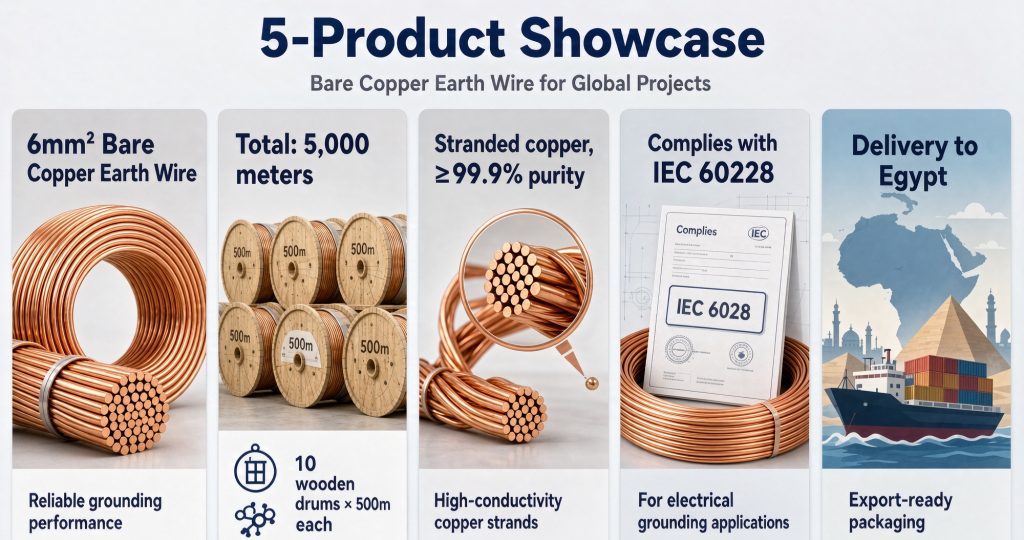
For example, a buyer requesting PVC-insulated building wire may be considering BV, BVR, H07V-U, or H07V-K. These designations should not be treated as interchangeable simply because the products have similar appearances.
Before sending an RFQ, identify the product name or provide a technical datasheet, drawing, or reference specification.
If the exact designation is unknown, describe the intended application and ask the manufacturer to clarify the suitable product options.
For background on product selection, see What Should Buyers Check Before Purchasing Copper Building Wire?.
2. Specify the Conductor Material and Construction
The conductor is one of the most important parts of an electrical wire specification.
A purchasing request should state whether the conductor must be copper, aluminum, or another specified material.
For copper wire, buyers should also clarify the required construction where applicable:
- Solid conductor
- Stranded conductor
- Conductor class
- Number of strands, if specified
- Required cross-sectional area
- Any project-specific material requirements
A solid conductor and a stranded conductor may have different handling and installation characteristics. The correct choice depends on the product standard and intended application.
Do not assume that a supplier will automatically understand the required construction from a short product name.
For additional information, read How to Check Copper Purity and Conductor Quality Before Buying Copper Wire.
3. Include the Cross-Sectional Area and Required Length
A quotation request should identify the required conductor size and quantity.
For example:
Product: Single-core copper building wire
Cross-sectional area: 2.5 mm²
Quantity: 10,000 meters
This is more useful than simply requesting 10,000 meters of electrical wire.
If several sizes are required, list them separately. A distributor ordering 1.5 mm², 2.5 mm², 4 mm², and 6 mm² wire should specify the quantity for each size rather than combining everything into one total.
The buyer should also clarify whether the quantity refers to finished wire length, number of coils, number of reels, or another purchasing unit.
Where the order is based on a construction drawing or bill of materials, provide the relevant document so the supplier can understand the requested quantities.
For project quantity planning, see How to Calculate the Required Copper Wire Quantity for a Project.
4. State the Applicable Standard and Voltage Rating
Electrical wire specifications often refer to standards such as IEC, national standards, or project-specific requirements.
The RFQ should identify the required standard and product designation whenever these are known.
For example, a buyer may request a particular PVC-insulated building wire under a specified IEC or national standard.
The rated voltage should also be stated where relevant.
A designation such as 450/750V describes a rated-voltage classification, but it does not by itself establish suitability for every installation environment.
If the wire is intended for a particular country or project, identify that market and provide any mandatory technical requirements.
For a closer explanation, see What Is 450/750V Electrical Wire and Where Is It Used?.
Buyers should avoid asking a supplier to confirm compliance with a standard without providing enough information to identify the exact product and applicable requirements.
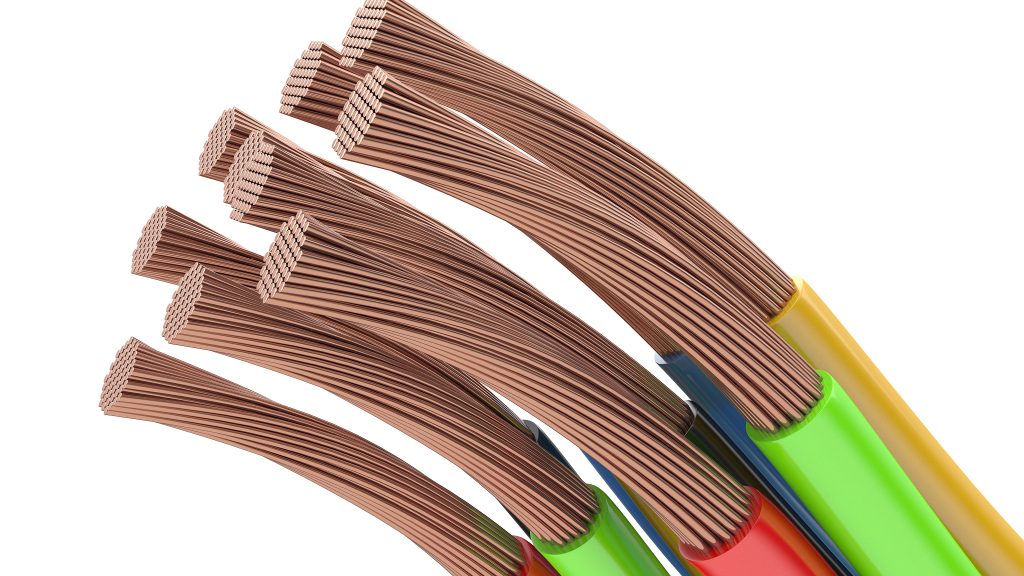
5. Describe the Insulation and Color Requirements
The RFQ should specify the insulation material and any required color options.
For common building-wire applications, PVC insulation may be requested, but the exact formulation and performance requirements depend on the product specification.
Color requirements can also affect production planning, especially when a buyer needs several colors in one order.
For example, a distributor may require:
- Red wire
- Blue wire
- Yellow-green wire
- Black wire
The buyer should state the required quantity for each color and whether the colors must follow a particular project or market convention.
If the product requires special printing, provide the wording, sequence, language, and marking requirements.
Do not assume that a standard product marking will satisfy a private-label or project-specific requirement.
6. Explain the Packaging and Branding Requirements
Packaging is often overlooked during the first inquiry, even though it can affect the final quotation and delivery arrangements.
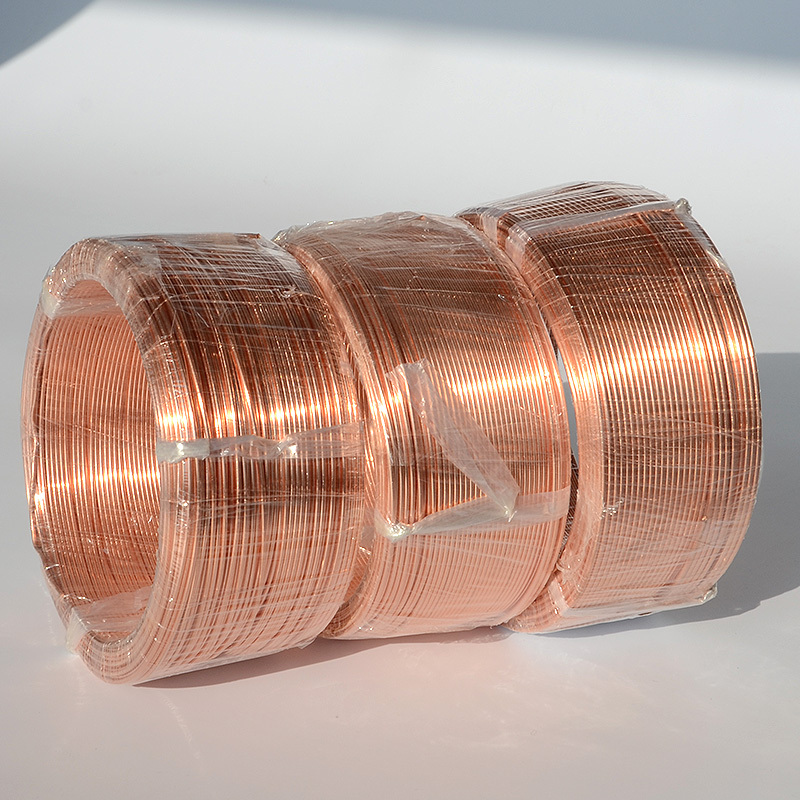
The RFQ should indicate whether the wire is required in coils, plastic reels, wooden drums, or another packaging format.
For wholesale orders, buyers may also need to specify:
- Length per coil or reel
- Reel dimensions, if restricted
- Label design
- Brand name
- Barcode requirements
- Carton or outer packaging
- Palletization requirements
- Export packing requirements
A buyer selling through a distribution network may need retail-ready packaging. An electrical contractor purchasing for a project may prefer larger reels that reduce handling and installation interruptions.
If the packaging has not yet been decided, ask the manufacturer to quote available options separately.
7. Request the Relevant Quality Documents
A useful RFQ should explain what documentation is required before shipment or order acceptance.
Depending on the product, project, destination market, and contractual requirements, buyers may request:
- Product datasheet
- Technical specification
- Relevant test reports
- Inspection records
- Batch or production identification
- Applicable conformity documents
- Packaging photographs before dispatch
The buyer should identify which documents are mandatory and which are preferred.
It is also important to confirm that documents correspond to the actual product being quoted. A generic certificate or an unrelated test report does not establish that a particular order meets the buyer’s specification.
For larger projects, the purchasing team may wish to agree on inspection procedures and acceptance criteria before production begins.
8. Provide the Order Quantity and Purchasing Schedule
The required quantity helps the manufacturer determine whether the inquiry concerns a trial order, regular wholesale purchasing, or a larger project.
State the expected quantity clearly and indicate whether the order is a one-time purchase or part of a recurring supply arrangement.
If the buyer expects repeat orders, this information can help the supplier understand the commercial requirements more accurately.
Also include:
- Target purchase order date
- Required delivery date
- Whether partial shipments are acceptable
- Whether the order includes multiple product sizes
- Whether samples are required before bulk production
Do not assume that a supplier’s quoted lead time includes every stage of the purchasing process. Confirm the production schedule, inspection arrangements, packing period, and shipping coordination separately.
9. Identify the Destination and Trade Terms
The destination country and delivery requirements should be included in the RFQ.
A quotation for goods delivered to a Chinese port is not directly comparable with a quotation that includes international freight or delivery to the buyer’s warehouse.
Specify the requested Incoterm and named place or port where applicable.
For example, the buyer may request a quotation on an FOB basis for a named Chinese port, or ask for a separate freight estimate to a destination port.
If the buyer needs assistance with international shipping, state the destination and preferred shipping method.
The supplier should clearly distinguish product pricing from freight, insurance, customs duties, taxes, and destination handling charges.
10. Make the Quotation Comparable Across Suppliers
When several Chinese manufacturers are invited to quote, send the same technical requirements to each supplier.
Otherwise, the resulting prices may represent different products or commercial conditions.
A quotation comparison should consider:
- Exact product designation
- Conductor material and construction
- Cross-sectional area
- Insulation and rated voltage
- Applicable standard
- Quantity and packaging
- Required documents
- Production lead time
- Trade terms
- Payment conditions
- Quotation validity
A lower price does not necessarily represent a lower cost for an equivalent product if the specifications, packaging, or delivery terms differ.
For a broader supplier evaluation process, see How to Choose a Copper Wire Supplier for Your Project: Specifications, MOQ and Price.
A Practical Electrical Wire RFQ Template
The following example can be adapted for an initial inquiry to a Chinese manufacturer.
Subject: RFQ – PVC-Insulated Copper Building Wire
Dear Sales Team,
We are interested in purchasing electrical wire from your company. Please review the following requirements and provide your quotation.
Product Information
- Product name:
- Product designation:
- Conductor material:
- Conductor construction:
- Cross-sectional area:
- Rated voltage:
- Insulation material:
- Applicable standard:
- Required colors:
Quantity and Packaging
- Required quantity:
- Length per coil or reel:
- Packaging preference:
- Private-label requirements:
- Sample requirement:
Quality and Documentation
- Required technical datasheet:
- Required test reports:
- Applicable certificates:
- Inspection requirements:
Commercial Information
- Destination country:
- Preferred Incoterm:
- Required delivery schedule:
- Payment preference:
- Expected order date:
Please confirm whether your company can supply the requested specification and indicate any available alternatives if the exact configuration is not part of your standard product range.
We would appreciate receiving your quotation with product specifications, packaging details, production lead time, and applicable commercial terms.
Best regards,
Purchasing Department
Frequently Asked Questions
What is an RFQ in electrical wire purchasing?
RFQ stands for Request for Quotation. It is a purchasing document or inquiry used to request pricing and commercial information from a supplier for a defined product and quantity.
Can I request a quotation by sending only a product photograph?
A photograph can help identify a product, but it usually does not provide enough information to establish its conductor size, material, standard, voltage rating, or insulation requirements. Include a datasheet, product marking, drawing, or written specification whenever possible.
What is the most important information in a cable RFQ?
The exact product designation, conductor material, cross-sectional area, applicable standard, quantity, and destination are among the essential details. Additional requirements depend on the application and purchasing contract.
Should I request samples before placing a bulk order?
For unfamiliar suppliers or products with specific technical requirements, buyers may consider requesting samples or agreeing on a pre-production approval process. The sample should be checked against the agreed specification rather than judged by appearance alone.
Why do quotations from different manufacturers vary?
Prices may differ because of conductor material, product construction, insulation, packaging, order quantity, production requirements, commercial terms, and delivery arrangements. Buyers should first confirm that each quotation covers the same specification.
How can I find a Chinese electrical wire supplier?
Buyers can review manufacturer profiles, product information, technical documentation, and quotation details before contacting suppliers. You can also explore the China Cable and Wire Manufacturing Co., Ltd. supplier profile on Vlefooena for supplier information and related electrical-wire articles.
Final Thoughts
An effective electrical wire RFQ is not simply a request for the lowest price. It is a clear description of the product, quantity, quality requirements, packaging, delivery conditions, and documentation expected from the supplier.
For international buyers, preparing these details before contacting manufacturers can reduce unnecessary clarification, make quotations easier to compare, and help both parties identify potential specification differences before an order is placed.
For Chinese manufacturers, a complete RFQ provides a clearer starting point for discussing product availability, production requirements, and commercial terms.
The more precisely the purchasing requirement is defined, the more useful the resulting quotation is likely to be.


No reply content